How to Get Rid of Rust on Dumbbells
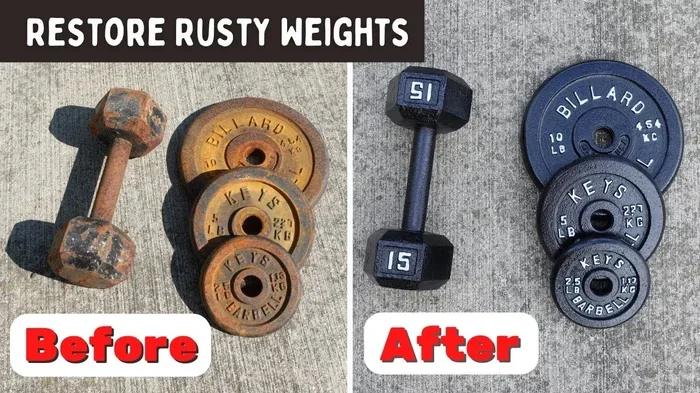
Rust on dumbbells is a common problem that can weaken your equipment and affect your workouts. This guide shows you how to get rid of rust on dumbbells using simple household items like vinegar, baking soda, and lemon juice. You will also learn proven prevention methods to keep your dumbbells rust-free for years.
Finding rust on your favorite pair of dumbbells can be frustrating. You invest time and money into your fitness gear, and seeing those ugly orange spots appear feels like a setback. But here is the good news. Getting rid of rust on dumbbells is easier than you think, and you probably already have the tools at home.
Rust forms when iron or steel dumbbells come into contact with moisture over time. Whether you store them in a humid garage or simply forget to dry them after cleaning, oxidation happens fast. The key is to act quickly. Surface rust is simple to remove, but left untreated, it can eat through the metal and ruin your weights entirely.
In this guide, we will walk you through every method you need. From simple DIY solutions to professional-grade techniques, you will find exactly how to restore your dumbbells. We also cover prevention strategies so you never deal with this problem again. Let us get started.
Key Takeaways
- Identify rust early: Surface rust is easy to remove, but deep rust needs more effort and the right tools.
- Use household solutions: Vinegar, baking soda, and lemon juice are safe and effective rust removers for dumbbells.
- Prevent rust buildup: Proper storage, drying, and regular cleaning go a long way in stopping rust before it starts.
- Know when to replace: Heavily rusted dumbbells can be unsafe and may need to be replaced rather than repaired.
- Maintain your equipment: Regular dumbbell care, similar to removing rubber smell from dumbbells, keeps your gear in top shape.
- Use protective coatings: Oil, wax, and paint help shield dumbbells from moisture and future corrosion.
📑 Table of Contents
Understanding Rust on Dumbbells
What Causes Rust on Dumbbells?
Rust is a form of iron oxide. It happens when the metal in your dumbbells reacts with oxygen and water. This chemical reaction is called oxidation. Dumbbells made from cast iron or steel are especially vulnerable because they contain a lot of iron.
Several factors speed up the rusting process:
- Humidity: Storing dumbbells in a damp or humid environment invites moisture to settle on the surface.
- Sweat: After workouts, sweat left on dumbbells creates a wet, salty environment perfect for rust.
- Poor storage: Leaving dumbbells on a wet floor or in an unventilated space increases exposure to moisture.
- Lack of cleaning: Skipping regular maintenance allows dirt and moisture to build up over time.
Understanding the cause helps you choose the right fix. Just like you would get rid of rubber smell from dumbbells to maintain their condition, removing rust is part of keeping your equipment in great shape.
Types of Rust You May Encounter
Not all rust is the same. Knowing what type you are dealing with helps you pick the best removal method.
Surface Rust. This is the light, orange-colored dusting you see on the outside of the dumbbell. It has not yet eaten deep into the metal. Surface rust is the easiest to remove and usually responds well to household solutions.
Deep Rust. This forms when rust sits on the surface for weeks or months. It creates rough, flaky patches and can even pit the metal. Deep rust requires stronger treatment and more elbow grease.
Severe Rust. In extreme cases, rust can weaken the structure of the dumbbell. If you notice holes or significant material loss, the dumbbell may no longer be safe to use. We will cover how to assess this later in the article.
How to Get Rid of Rust on Dumbbells: Step-by-Step Methods
Now that you understand what you are dealing with, let us dive into the actual removal methods. Each approach works well for different levels of rust. Pick the one that matches your situation.
Method 1: White Vinegar Soak
White vinegar is one of the most popular and effective rust removers. Its acetic acid breaks down iron oxide naturally. This method works great for surface rust and light deep rust.
- Fill a bucket or basin with enough white vinegar to fully submerge the rusted dumbbell.
- Soak the dumbbell for 2 to 4 hours. For heavy rust, leave it overnight.
- Remove the dumbbell and scrub the rusted areas with a stiff brush or steel wool.
- Rinse thoroughly with clean water and dry immediately with a towel.
- Apply a thin layer of oil to protect the metal.
Quick Tip: Do not soak rubber-coated dumbbells in vinegar for too long. The acid can damage the rubber coating over time. Stick to a 1-hour soak for coated weights.
Method 2: Baking Soda Paste
Baking soda is a gentle abrasive that lifts rust without scratching the underlying metal too aggressively. This method is perfect for light surface rust and for dumbbells with a chrome or vinyl finish.
- Mix 3 tablespoons of baking soda with 1 tablespoon of water to form a thick paste.
- Apply the paste directly to the rusted areas.
- Let it sit for 30 minutes to 1 hour.
- Scrub gently with a soft cloth or non-abrasive sponge.
- Rinse clean and dry completely.
You can repeat this process for stubborn spots. Baking soda is safe for most dumbbell finishes and is a great go-to for regular maintenance.
Method 3: Lemon Juice and Salt
This combination works surprisingly well. The citric acid in lemon juice dissolves rust, while salt acts as a mild abrasive to help lift it away.
- Squeeze the juice of one lemon into a bowl.
- Add 2 tablespoons of coarse salt and stir.
- Apply the mixture to the rusted areas.
- Let it sit for 2 to 3 hours.
- Scrub with a brush and rinse with warm water.
- Dry the dumbbell completely.
This method leaves a fresh scent behind, which is a nice bonus. It is also eco-friendly and uses ingredients you likely already have in your kitchen.
Method 4: Commercial Rust Removers
For heavy or stubborn rust, store-bought rust removers can save you time and effort. Products like naval jelly, rust dissolver sprays, and phosphoric acid-based cleaners are designed specifically for metal rust removal.
When using commercial products, always follow the manufacturer’s instructions. Wear gloves and work in a well-ventilated area. After treatment, wash the dumbbells with soapy water, rinse, and dry thoroughly.
Expert Insight: Many gym owners use commercial rust removers as part of their regular dumbbell maintenance routine. Keeping a bottle on hand makes quick work of rust before it becomes a bigger problem.
Prevention: How to Keep Dumbbells Rust-Free
Removing rust is only half the battle. The real game changer is preventing it from coming back. A few simple habits can extend the life of your dumbbells by years.
Store Dumbbells Properly
Where you store your dumbbells matters a lot. Avoid placing them directly on concrete floors, which trap moisture. Instead, use a dumbbell rack, storage tray, or rubber mat. Keep your storage area dry and well-ventilated.
If you live in a humid climate, consider using a dehumidifier in your workout space. This simple step can make a huge difference in preventing moisture buildup on all your gym equipment.
Clean Dumbbells After Every Use
Sweat is one of the biggest contributors to rust. After each workout, wipe down your dumbbells with a dry cloth. For a deeper clean, use a damp cloth followed by an immediate dry wipe.
Some people like to use a mild disinfectant spray. Just make sure you dry the dumbbells completely afterward. This habit, combined with proper storage, keeps rust from forming in the first place.
Apply Protective Coatings
A thin layer of protective oil or wax creates a barrier between the metal and the air. This prevents moisture from reaching the iron surface.
Here are some options:
- Mineral oil: Safe for most dumbbells and easy to apply with a cloth.
- WD-40: Great for preventing rust and removing light surface rust at the same time.
- Clear coat spray: Ideal for bare iron dumbbells that need a durable protective layer.
- Beeswax polish: A natural option that works well for chrome-finished dumbbells.
Apply a thin coat every few weeks, especially if you use your dumbbells frequently. This simple step is one of the best investments you can make for your dumbbell care routine.
Common Mistakes to Avoid When Removing Rust
Even with the best intentions, people often make mistakes that can damage their dumbbells or make the rust worse. Here are some pitfalls to watch out for.
Using Harsh Abrasives
Steel wool and wire brushes can remove rust, but they can also scratch and damage the surface of your dumbbells. Deep scratches create new areas where moisture can collect, actually making rust worse over time. Stick to softer abrasives like baking soda or use fine-grit sandpaper only when necessary.
Leaving Dumbbells Wet
This is the number one mistake people make. After cleaning or soaking, if you do not dry the dumbbells completely, you are setting the stage for more rust. Always towel dry immediately and let them air dry for a few minutes before storing.
Ignoring Rubber or Vinyl Coatings
Many modern dumbbells have rubber or vinyl coatings over the metal core. Harsh chemicals and prolonged soaking can degrade these coatings. Always test any cleaning solution on a small, hidden area first. And never use bleach or strong acids on coated dumbbells.
Waiting Too Long to Act
Rust only gets worse with time. The longer you ignore it, the deeper it penetrates into the metal. As soon as you notice rust forming, take action. Early intervention saves you effort and preserves the integrity of your equipment.
When to Replace Rusted Dumbbells
Not all rusted dumbbells can be saved. Knowing when to let go is just as important as knowing how to clean them.
Replace your dumbbells if you notice:
- Holes or deep pits in the metal surface.
- Significant loss of material, making the weight inconsistent.
- Rust that has weakened the handle, causing it to feel thin or fragile.
- Rust that cannot be removed after multiple treatment attempts.
- Flaking or chipping coatings that expose the bare metal underneath.
Using a severely rusted dumbbell can be dangerous. The weakened metal may crack or break during a workout, potentially causing injury. When in doubt, it is better to replace the pair than to risk your safety.
On the other hand, if the rust is only cosmetic and the dumbbell structure is intact, restoration is absolutely worth the effort. A little time and the right method can bring your weights back to life.
Comparing Rust Removal Methods
Choosing the right method depends on the severity of the rust and the type of dumbbell you own. Here is a quick comparison to help you decide.
| Method | Best For | Effort Level | Cost |
|---|---|---|---|
| White Vinegar Soak | Surface rust, light deep rust | Low | Very Low |
| Baking Soda Paste | Light surface rust, coated dumbbells | Low | Very Low |
| Lemon Juice and Salt | Surface rust, eco-friendly option | Low | Very Low |
| Commercial Rust Remover | Heavy and deep rust | Medium | Moderate |
| Sandblasting | Severe rust on bare iron dumbbells | High | High |
For most home users, the vinegar soak and baking soda paste methods will handle the job just fine. They are affordable, safe, and easy to do at home.
Final Thoughts
Getting rid of rust on dumbbells does not have to be a difficult or expensive process. Whether you use vinegar, baking soda, lemon juice, or a commercial remover, the key is to act quickly and stay consistent with prevention. Regular cleaning, proper storage, and protective coatings will keep your dumbbells in excellent condition for a long time.
Think of rust removal and prevention the same way you think about getting rid of belly fat with dumbbells or building bigger arms at home. It requires consistency and the right approach. Once you build the habit of caring for your equipment, rust becomes a thing of the past.
Your dumbbells are an investment in your health and fitness. Treat them well, and they will serve you for many years to come. Start with one of the methods above today, and enjoy the satisfaction of using clean, rust-free weights in your next workout.
Frequently Asked Questions
Can rust on dumbbells affect your health during workouts?
Surface rust itself is not directly harmful to your skin during normal use. However, rust can flake off and mix with sweat, which may cause minor skin irritation for sensitive individuals. More importantly, heavy rust weakens the dumbbell structure, increasing the risk of breakage during a workout, which can lead to injury.
How often should I clean my dumbbells to prevent rust?
You should wipe down your dumbbells after every single use. A deeper cleaning session once a week is also recommended, especially if you sweat heavily during workouts. This regular maintenance removes moisture and sweat residue before rust has a chance to form.
Is it safe to use vinegar on rubber-coated dumbbells?
Yes, but with caution. Short vinegar soaks (under one hour) are generally safe for rubber-coated dumbbells. However, prolonged exposure to vinegar can degrade the rubber coating over time. Always rinse and dry coated dumbbells thoroughly after any vinegar treatment.
What is the best oil to prevent rust on dumbbells?
Mineral oil is the most popular and safest choice for dumbbell rust prevention. It creates a protective barrier without damaging the metal or any coatings. WD-40 is also effective but should be wiped off after application to avoid a slippery surface during workouts.
Can rust be completely removed from old dumbbells?
Light to moderate rust can almost always be fully removed with the right method. However, severe rust that has caused deep pitting or material loss cannot be fully reversed. The structural integrity of the dumbbell may already be compromised, even if the surface appears clean after treatment.
How can I tell if a rusted dumbbell is still safe to use?
Check for structural integrity by inspecting the handle and weight plates for cracks, holes, or significant thinning. If the rust is only on the surface and the metal feels solid when you press on it, the dumbbell is likely still safe. If the metal feels fragile or you can see deep pits, it is time to replace the dumbbell.