How to Get a Ripped Chest with Dumbbells
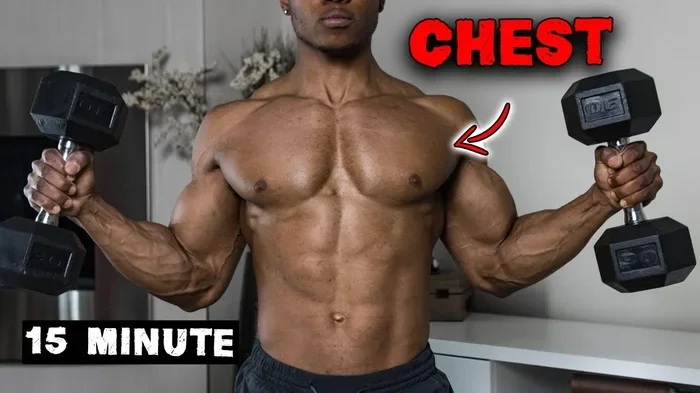
Getting a ripped chest with dumbbells is one of the most effective ways to build a powerful, defined upper body. You don’t need a gym membership or fancy machines. This guide covers the best dumbbell chest exercises, workout routines, and nutrition tips to help you build chest muscle fast. Whether you are a beginner or intermediate lifter, these strategies will take your chest gains to the next level.
There is something deeply satisfying about building a ripped chest with dumbbells. It is one of the first things people notice about your physique. A strong, defined chest signals strength, dedication, and hard work. Whether you want to impress at the beach or simply feel confident in your own skin, a ripped chest is a goal worth chasing.
The great news is that you do not need a fancy gym or expensive equipment. A pair of dumbbells and a solid plan are all you need. Dumbbells give you freedom of movement that barbells simply cannot match. Each arm works independently, which means you fix imbalances and activate more muscle fibers. In this guide, you will learn exactly how to build a ripped chest using nothing but dumbbells.
We will cover the best exercises, how to structure your workouts, what to eat, and the mistakes most people make. By the end, you will have a complete roadmap to a chiseled chest. Let us get into it.
Key Takeaways
- Dumbbells are the best tool for chest development: They allow a full range of motion and target each side of your chest independently.
- Progressive overload drives muscle growth: Gradually increasing weight or reps is essential for building a ripped chest.
- Train your chest 2-3 times per week: This frequency balances stimulation and recovery for optimal gains.
- Combine compound and isolation movements: Presses build mass while flyes carve definition and shape.
- Nutrition is just as important as training: Eating enough protein and maintaining a slight caloric deficit helps reveal a ripped look.
- Avoid common mistakes like skipping warm-ups: Proper preparation prevents injury and improves performance.
- Consistency beats perfection: Sticking to a routine over months is what truly transforms your chest.
📑 Table of Contents
- Why Dumbbells Are Perfect for Building a Ripped Chest
- The Best Dumbbell Exercises for a Ripped Chest
- How to Structure Your Ripped Chest Workout
- Nutrition: Fueling Your Ripped Chest
- Common Mistakes That Hold Back Your Chest Gains
- Expert Tips to Maximize Your Ripped Chest Results
- How Long Does It Take to Get a Ripped Chest with Dumbbells?
- Conclusion
Why Dumbbells Are Perfect for Building a Ripped Chest
Many lifters default to barbells or machines. But dumbbells deserve the spotlight. They offer unique advantages that make them ideal for chest development. Here is why dumbbells should be your go-to tool for building a ripped chest.
Greater Range of Motion
Dumbbells let you stretch further at the bottom of every rep. This deeper stretch activates more muscle fibers in your pectorals. A barbell locks your arms into a fixed path. Dumbbells do not. You can lower them deeper, which means more time under tension for your chest muscles.
Unilateral Training Fixes Imbalances
Most people have a stronger side. Barbells hide this imbalance because both arms share the load. Dumbbells expose it. If your left chest is weaker, you will feel it immediately. This forces you to bring up the lagging side, leading to a more balanced and symmetrical physique.
Better Muscle Activation
Studies show that dumbbell exercises activate the pectoral muscles more effectively than barbell alternatives. Each arm must stabilize the weight independently. This recruits more muscle fibers and leads to better chest hypertrophy over time.
If you are new to dumbbell training, check out How To Workout With Dumbbells At Home For Beginners for a solid foundation.
The Best Dumbbell Exercises for a Ripped Chest
Not all dumbbell exercises are created equal. Some target the upper chest, others hit the mid and lower portions. To build a fully ripped chest, you need variety. Here are the most effective exercises you should include in your routine.
1. Dumbbell Bench Press
The dumbbell bench press is the king of chest exercises. It builds mass across the entire pectoral region. Lie on a flat bench, hold a dumbbell in each hand, and press them upward until your arms are fully extended. Lower them slowly to chest level and press back up.
Key tips: Keep your feet flat on the floor. Squeeze the dumbbells together at the top. Do not lock your elbows aggressively at the top. Control the negative portion of each rep for maximum muscle stimulation.
2. Incline Dumbbell Press
The upper chest is often the most neglected area. An incline dumbbell press fixes this. Set your bench to a 30-45 degree angle. Press the dumbbells upward at an angle that targets the upper portion of your pectorals.
Key tips: Focus on squeezing your upper chest at the top of each rep. Use a controlled tempo. This movement is crucial for creating that full, rounded chest look.
3. Dumbbell Flyes
Flyes are an isolation exercise that carves definition into your chest. They stretch the pectorals under load, which builds a ripped, aesthetic look. Lie on a flat or incline bench, hold dumbbells above your chest with slightly bent arms, and lower them out to the sides in a wide arc.
Key tips: Keep a slight bend in your elbows throughout. Do not go too deep if it causes shoulder discomfort. Focus on the stretch and squeeze rather than heavy weight.
4. Dumbbell Pullover
The pullover is a unique exercise that hits both the chest and lats. It creates a V-taper look that makes your chest appear wider and more defined. Lie on a flat bench, hold one dumbbell with both hands above your chest, and lower it behind your head in a controlled arc.
Key tips: Keep your core tight throughout. Do not over-arch your lower back. This exercise pairs well with press movements for a complete chest workout.
5. Dumbbell Floor Press
If you do not have a bench, the floor press is an excellent alternative. Lie on the floor, hold dumbbells at chest level, and press them upward. The floor limits your range of motion slightly, but it still targets your pectorals effectively.
For more dumbbell chest exercises you can do at home, check out How To Do Chest Exercises At Home With Dumbbells.
How to Structure Your Ripped Chest Workout
Knowing the exercises is only half the battle. You need a smart structure to see real results. A well-designed dumbbell chest workout balances volume, intensity, and recovery. Here is how to set up your routine.
Training Frequency
Train your chest 2 to 3 times per week. This gives your muscles enough stimulation to grow while allowing adequate recovery. Training too often leads to overtraining. Training too little stalls your progress. Find the sweet spot that works for your body.
Rep Ranges for Different Goals
Your rep range depends on what you are trying to achieve:
- Strength and mass: 6-10 reps per set with heavier weights
- Muscle definition and tone: 10-15 reps per set with moderate weight
- Muscle endurance and pump: 15-20 reps per set with lighter weights
For a ripped look, a mix of all three ranges works best. Start with compound movements in the lower rep range and finish with isolation work in the higher rep range.
Sample Weekly Routine
Here is a simple but effective weekly chest plan using dumbbells:
- Day 1 (Heavy): Dumbbell Bench Press 4×6-8, Incline Dumbbell Press 3×8-10
- Day 2 (Moderate): Dumbbell Flyes 3×12-15, Dumbbell Pullover 3×10-12
- Day 3 (Volume): Floor Press 3×10-12, Incline Flyes 3×12-15, Pullover 3×15
Rest 60-90 seconds between sets. Adjust the weights so that your last 2 reps are challenging but doable.
For a complete home chest routine, read How To Workout Your Chest With Dumbbells At Home for additional programming ideas.
Nutrition: Fueling Your Ripped Chest
Training alone will not get you a ripped chest. Nutrition plays an equally important role. You can have the best dumbbell chest exercises in the world, but if your diet is off, your results will suffer.
Protein Intake
Protein is the building block of muscle. Aim for 0.7-1 gram of protein per pound of body weight daily. Good sources include chicken breast, eggs, Greek yogurt, fish, and plant-based options like lentils and tofu. Spread your protein intake across meals for optimal muscle protein synthesis.
Caloric Balance
To reveal a ripped chest, you need low body fat. This means eating at a slight caloric deficit while maintaining high protein intake. A deficit of 300-500 calories per day is ideal. Too large a deficit will cause muscle loss. Too small a deficit will slow your progress.
Pre- and Post-Workout Nutrition
Eat a balanced meal 1-2 hours before your chest workout. Include carbohydrates for energy and protein for muscle support. After training, consume a protein-rich meal or shake within 60 minutes. This helps kickstart recovery and muscle repair.
Common Mistakes That Hold Back Your Chest Gains
Even with the best exercises, small mistakes can derail your progress. Here are the most common errors people make when training their chest with dumbbells.
Skipping the Warm-Up
Cold muscles are injury-prone muscles. Always warm up your chest, shoulders, and wrists before lifting. Do 5-10 minutes of light cardio followed by a few warm-up sets with lighter dumbbells. This prepares your joints and boosts performance.
Using Too Much Weight
Lifting too heavy sacrifices form and increases injury risk. You should be able to complete each rep with full control. If you are swinging or jerking the weight, it is too heavy. Choose a weight that challenges you while maintaining proper technique.
Neglecting the Mind-Muscle Connection
Mindlessly pressing dumbbells will not build a ripped chest. Focus on squeezing your pectorals with every rep. Visualize the muscle contracting and stretching. This mental focus dramatically improves muscle activation and results.
Overtraining Without Recovery
Muscles grow during rest, not during the workout. Training your chest every day will lead to fatigue and stalled progress. Allow 48-72 hours between chest sessions. Sleep at least 7-8 hours per night to support recovery and growth.
Many people also struggle with excess chest fat that hides their hard-earned muscle. For strategies on reducing chest fat, check out How To Get Rid Of Chest Fat With Dumbbells.
Expert Tips to Maximize Your Ripped Chest Results
Take your chest training to the next level with these proven strategies from experienced coaches and athletes.
Implement Progressive Overload
Progressive overload means gradually increasing the demands on your muscles over time. Add weight, add reps, or add sets each week. This constant challenge forces your chest muscles to adapt and grow. Without progressive overload, your body has no reason to change.
Use Tempo Training
Slow down your reps. Try a 3-1-2 tempo: 3 seconds lowering, 1 second pause at the bottom, 2 seconds pressing up. This increases time under tension and dramatically improves muscle stimulation. It is one of the most underrated techniques for building a ripped chest.
Train Your Full Upper Body
A ripped chest looks even better when the surrounding muscles are developed. Do not neglect your shoulders, back, and arms. Balanced upper body development creates the aesthetic V-taper that makes your chest pop. For shoulder development, try How To Get Big Shoulders With Dumbbells Tips Workouts.
Track Your Progress
Keep a training journal. Write down every exercise, weight, rep, and set. Review your progress weekly. This keeps you accountable and helps you identify what is working. Seeing tangible progress is incredibly motivating.
How Long Does It Take to Get a Ripped Chest with Dumbbells?
This is one of the most common questions people ask. The honest answer is that it depends. Your timeline depends on your starting point, genetics, training consistency, and nutrition. Most beginners can see noticeable chest definition within 8-12 weeks of consistent training and proper diet.
Intermediate lifters who already have some muscle mass may need 12-16 weeks to achieve a truly ripped look. The key is patience and consistency. Trust the process, stick to your plan, and the results will come.
Remember that everyone’s body responds differently. Some people gain chest muscle quickly, while others need more time. Do not compare your progress to someone else’s. Focus on your own journey and celebrate small wins along the way.
For more guidance on building chest muscle at home, visit How To Build Chest Muscles At Home With Dumbbells.
Conclusion
Getting a ripped chest with dumbbells is entirely achievable with the right approach. You now know the best exercises, how to structure your workouts, what to eat, and the mistakes to avoid. The formula is simple: train smart, eat well, recover properly, and stay consistent.
Dumbbells give you everything you need to build a powerful, defined chest. No gym required. No excuses needed. Start with the exercises in this guide, follow the nutrition tips, and trust your program. Your ripped chest is closer than you think.
Take action today. Pick up those dumbbells, follow this plan, and commit for at least 12 weeks. The results will speak for themselves. A ripped chest is not just a physical achievement. It is a testament to your discipline and dedication.
Frequently Asked Questions
Can I get a ripped chest with dumbbells at home?
Absolutely. You do not need a gym or a bench to build a ripped chest. A pair of adjustable dumbbells and a floor are all you need. Exercises like floor presses, dumbbell flyes, and pullovers can be done at home with great results.
How often should I train my chest with dumbbells?
Training your chest 2 to 3 times per week is ideal for most people. This frequency provides enough stimulus for growth while allowing adequate recovery. Listen to your body and adjust based on how your muscles feel between sessions.
Do I need heavy dumbbells to get a ripped chest?
Not necessarily. While heavier weights help build mass, a ripped chest also requires definition and low body fat. Using moderate weights with higher reps can build tone and definition. A combination of heavy and lighter training works best.
How long does it take to see results in my chest?
Most people notice chest changes within 4-6 weeks of consistent training. A truly ripped appearance typically takes 8-16 weeks depending on your starting body fat percentage and training experience. Consistency is the most important factor.
Are dumbbells better than barbells for chest development?
Dumbbells offer several advantages including a greater range of motion, better muscle activation, and the ability to fix imbalances. Barbells allow you to lift heavier overall, but dumbbells provide superior chest development for most people.
What should I eat to get a ripped chest?
Focus on high protein intake (0.7-1 gram per pound of body weight), eat at a slight caloric deficit to reduce body fat, and prioritize whole foods like lean meats, vegetables, fruits, and complex carbohydrates. Nutrition is just as important as your training.