How to Freeze Fresh Herbs
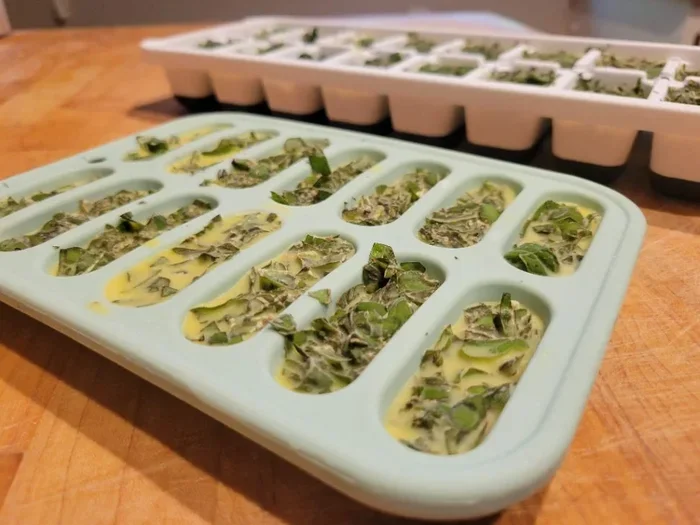
Learning how to freeze fresh herbs is one of the smartest moves any home cook can make. Freezing locks in flavor, color, and nutrients so your herbs stay vibrant for months. Whether you grow your own or buy in bulk, these simple methods make herb preservation effortless and waste-free.
There is nothing quite like the smell of fresh herbs in the kitchen. Whether you are cooking pasta, grilling chicken, or making a fresh soup, herbs add that extra something special. But here is the problem. Fresh herbs go bad fast. You buy a bunch of cilantro or parsley, and suddenly it is wilting and brown before you even use half of it. That is where freezing comes in.
Learning how to freeze fresh herbs is a game changer for any home cook. It saves money, reduces food waste, and keeps your favorite flavors ready all year round. You do not need any fancy equipment either. Just a few simple steps and some basic kitchen tools. In this guide, we will walk you through every method so you can pick the one that works best for you.
Key Takeaways
- Flash freezing is the best method: It keeps herbs separate, flavorful, and easy to measure later.
- Freezing in oil or water works great: Both methods protect flavor and make cooking faster.
- Not all herbs freeze the same way: Soft herbs like basil need different care than hard herbs like rosemary.
- Proper prep matters: Washing, drying, and chopping before freezing makes a big difference.
- Frozen herbs last 6-12 months: When stored right, they keep their quality for a long time.
- You can use frozen herbs directly: No need to thaw them for most cooking tasks.
📑 Table of Contents
Why Freeze Fresh Herbs?
Fresh herbs are expensive, especially when they are out of season. A small bunch of basil or cilantro can cost three or four dollars at the grocery store. And more often than not, you end up throwing half of it away. Herb preservation through freezing solves this problem completely.
When you freeze herbs the right way, you lock in their flavor, color, and nutritional value. Frozen herbs can taste almost as good as fresh ones when used correctly. They also make cooking faster because you can grab a spoonful whenever you need it.
Benefits of Freezing Herbs
- Saves money: Buy herbs in bulk when they are cheap and fresh.
- Reduces waste: No more tossing out unused herbs.
- Always available: Have fresh herbs even in the middle of winter.
- Keeps nutrients: Freezing preserves most of the vitamins and antioxidants.
- Convenient: Pre-portioned herbs make cooking faster and easier.
How to Prepare Herbs for Freezing
Proper preparation is the secret to great frozen herbs. If you skip this step, your herbs might lose flavor or turn black in the freezer. Take a few extra minutes to prep them right, and the results will be worth it.
Step 1: Wash and Dry Thoroughly
Start by rinsing your herbs under cool running water. Gently swish them around to remove any dirt or bugs. Then pat them dry with a clean towel or use a salad spinner. This step is super important. Any leftover water can cause ice crystals to form, which ruins the texture and flavor.
Step 2: Strip or Chop the Herbs
For most herbs, you want to strip the leaves from the stems. Just hold the top of the stem and slide your fingers down. For leafy herbs like basil and cilantro, you can chop them finely. For woody herbs like rosemary and thyme, leave the leaves on the stem or strip them and chop lightly.
Step 3: Choose Your Freezing Method
There are several ways to freeze herbs, and each one works best for different types of herbs and cooking styles. Let us look at the top methods below.
Best Methods for Freezing Fresh Herbs
Not all herbs are the same, and not all freezing methods work equally well for every type. Here are the most effective ways to freeze fresh herbs at home.
Method 1: Flash Freezing on a Tray
This is the best method for most herbs. Flash freezing keeps the herbs loose and easy to use later. Here is how to do it.
- Spread the chopped herbs in a single layer on a parchment-lined baking sheet.
- Make sure none of the leaves are touching each other.
- Place the tray in the freezer for 1 to 2 hours until the herbs are completely frozen.
- Transfer the frozen herbs into freezer bags or airtight containers.
- Label the bags with the date and herb name.
Flash freezing herbs this way means you can grab just a pinch whenever you need it. No clumps, no mess, and no wasted herbs.
Method 2: Freezing Herbs in Olive Oil
Freezing herbs in oil is perfect for cooking. The oil protects the herbs from freezer burn and adds extra flavor to your dishes. This method works especially well for rosemary, thyme, and sage.
Simply chop the herbs and place them in an ice cube tray. Fill each section with olive oil until the herbs are covered. Freeze until solid, then pop the cubes out and transfer them to a freezer bag. Each cube is about one tablespoon, which makes portioning easy.
Method 3: Freezing Herbs in Water
If you do not want to use oil, freezing herbs in water is a great alternative. This method is ideal for soft herbs like basil, cilantro, and parsley.
Place chopped herbs into ice cube trays and fill with water. Freeze them solid, then move the cubes to a labeled freezer bag. These herb cubes are perfect for adding to soups, stews, and sauces. They thaw quickly in hot liquids and release their flavor right away.
Method 4: Freezing Whole Herb Stems
For woody herbs like rosemary and thyme, you can freeze the whole stems. This is the easiest method and requires zero prep work. Just place the stems in a freezer bag, remove as much air as possible, and freeze. When you need them, snap off the leaves directly into your pot or pan.
Which Herbs Freeze Best?
Some herbs handle freezing better than others. Here is a quick look at how different herbs perform in the freezer.
| Herb | Best Method | Freezer Life |
|---|---|---|
| Basil | Flash freeze or freeze in oil | 4-6 months |
| Cilantro | Flash freeze or freeze in water | 4-6 months |
| Parsley | Flash freeze or freeze in oil | 6-12 months |
| Rosemary | Freeze whole stems or in oil | 6-12 months |
| Thyme | Freeze whole stems or in oil | 6-12 months |
| Sage | Flash freeze or freeze in oil | 6-12 months |
| Dill | Flash freeze or freeze in water | 4-6 months |
| Mint | Flash freeze or freeze in water | 6-12 months |
Freezing basil can be a bit tricky because it tends to turn black. Flash freezing or freezing in oil helps preserve its green color. Freezing cilantro works best when you freeze it quickly on a tray first. Freezing parsley is one of the easiest herbs to preserve because it holds up so well in the freezer.
How to Use Frozen Herbs in Cooking
One of the best things about frozen herbs is how easy they are to use. You do not need to thaw them for most recipes. Just grab what you need and add it straight to the pot or pan.
When to Add Frozen Herbs
Frozen herbs work best when you add them during cooking, not at the end. Heat helps release their flavor and oils. Add them to soups, sauces, stews, and sautés early in the cooking process. For best results, use them within 10-15 minutes of adding them to hot dishes.
When to Avoid Frozen Herbs
Frozen herbs are not ideal for garnishing. They can look a bit mushy and lose their fresh appearance. If you need a beautiful garnish for a finished dish, use fresh herbs instead. Frozen herbs are all about flavor, not presentation.
Quick Tips for Using Frozen Herbs
- Use frozen herbs directly from the freezer. Do not let them sit at room temperature.
- Start with a small amount. Frozen herbs can be more concentrated than fresh, so use less than you think you need.
- Add them to hot oil or butter first. This wakes up their flavor quickly.
- Crush or chop them while still frozen. This helps release their oils and aroma.
Common Mistakes to Avoid When Freezing Herbs
Freezing herbs seems simple, but a few common mistakes can ruin the results. Here is what to watch out for.
Mistake 1: Not Drying Herbs Before Freezing
Moisture is the enemy of frozen herbs. If you freeze herbs that are still wet, they will form ice crystals and turn mushy when thawed. Always wash and dry your herbs thoroughly before freezing them.
Mistake 2: Using the Wrong Containers
Regular plastic bags or loose containers are not good enough. They let air in, which causes freezer burn. Always use freezer-safe bags or airtight containers. Squeeze out as much air as possible before sealing.
Mistake 3: Freezing Herbs Without Labeling
This sounds obvious, but it happens all the time. If you do not label your freezer bags with the herb name and date, you will have no idea what is in there six months from now. Get into the habit of labeling everything right away.
Mistake 4: Freezing Herbs That Are Already Wilted
Only freeze herbs that are fresh and vibrant. Wilted or yellowing herbs will not improve in the freezer. They will just stay that way or get worse. Start with the best quality herbs you can find.
Expert Tips for Long-Lasting Frozen Herbs
Want your frozen herbs to last as long as possible? These expert tips will help you get the most out of your herb storage efforts.
- Freeze herbs as soon as possible after buying or harvesting them. The fresher they are when frozen, the better they taste later.
- Use vacuum-sealed bags if you have a vacuum sealer. They remove more air and keep herbs fresher longer.
- Store frozen herbs in the back of the freezer where the temperature is most consistent. The door area can fluctuate with opening and closing.
- Do not freeze herbs more than once. If you take some out and do not use them, do not put them back in the freezer.
- Combine flash frozen herbs with oil cubes for even more convenience. This gives you ready-to-cook herb-infused oil cubes.
Preserving fresh herbs through freezing is one of the simplest kitchen skills you can learn. Once you get into the habit, you will wonder how you ever cooked without it. Your meals will taste better, your grocery bills will go down, and you will waste less food.
Final Thoughts on Freezing Fresh Herbs
How to freeze fresh herbs is a skill that every home cook should have in their toolkit. It is simple, it is effective, and it saves both time and money. Whether you choose to flash freeze, freeze in oil, or freeze in water, the key is to start with fresh herbs and prep them properly.
Pick the method that works best for the herbs you use most often. If you cook a lot of Italian dishes, freezing basil in olive oil cubes is a must. If you love Asian cuisine, flash frozen cilantro and mint will be your best friends. And for everyday cooking, frozen parsley and rosemary are always reliable.
The beauty of frozen herbs is that they make cooking easier on busy weeknights. You do not have to run to the store for a small bunch of something. Just reach into the freezer, grab a cube or a spoonful, and get cooking. Your future self will thank you every time.
Start today. Pick up a bunch of fresh herbs this week, try one of these methods, and enjoy the difference in your cooking all year long. Once you see how easy and rewarding herb preservation can be, you will never go back to letting fresh herbs go to waste again.
Frequently Asked Questions
Can you freeze all types of herbs?
Yes, you can freeze most herbs, but the results vary. Soft herbs like basil and cilantro benefit from freezing in oil or water, while woody herbs like rosemary and thyme freeze well on their own. Each type responds best to a specific method, so pick the one that suits the herb you are working with.
How long do frozen herbs last in the freezer?
Most frozen herbs stay fresh and flavorful for 6 to 12 months when stored properly in airtight containers or freezer bags. The key is to remove as much air as possible and keep the freezer temperature consistent. Labeling your bags with the date helps you track freshness.
Do you need to thaw frozen herbs before using them?
No, you do not need to thaw frozen herbs for most recipes. You can add them directly to hot dishes like soups, stews, and sautés. Thawing can make them mushy and release excess water, which is not ideal for cooking. Just use them straight from the freezer.
Is it better to freeze herbs in oil or water?
It depends on how you plan to use them. Freezing herbs in oil is great for cooking and adds extra flavor to dishes. Freezing in water works well for herbs you will add to soups and sauces. Oil cubes are more versatile for everyday cooking, while water cubes are simpler and lighter.
What is the best way to keep frozen herbs from sticking together?
Flash freezing is the best way to prevent herbs from clumping together. Spread them in a single layer on a baking sheet and freeze them solid before transferring to a bag. This keeps each piece separate so you can easily measure out just what you need.
Can you freeze dried herbs instead of fresh ones?
Dried herbs do not need freezing because they already have a long shelf life when stored in a cool, dry place. Freezing is best for fresh herbs that you want to preserve for later use. If your herbs are already dried, just keep them in an airtight jar in your pantry.
=== CONCLUSION ===
Learning how to freeze fresh herbs is one of the easiest ways to improve your cooking and reduce waste at the same time. With just a little prep work, you can enjoy fresh herbs all year round without spending extra money. Whether you choose flash freezing, oil cubes, or water cubes, the methods are simple and the results are delicious. Start with the herbs you use most often, pick your favorite method, and build the habit. Your kitchen and your taste buds will thank you.