How to Deep Clean a Yoga Mat 2

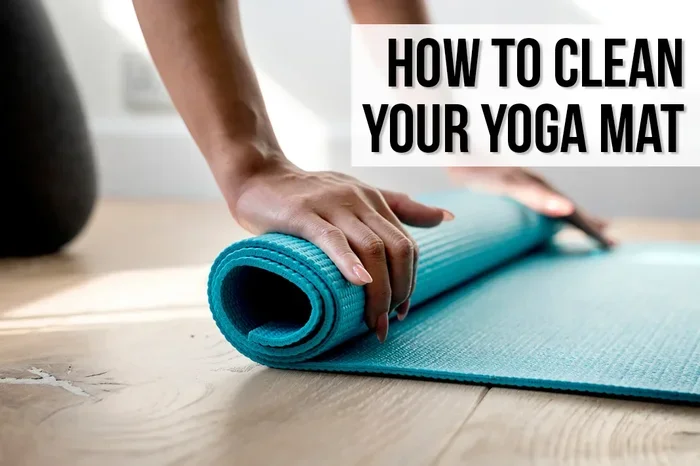
Deep cleaning your yoga mat keeps it hygienic, fresh, and long-lasting. This guide walks you through proven methods to deep clean a yoga mat 2 using household items like baking soda and vinegar. You will learn safe techniques for every mat type, plus tips to prevent buildup and extend your mat’s lifespan.
Your yoga mat goes through a lot. Every session leaves behind sweat, skin cells, and oils that soak into the surface. Over time, this buildup creates odor and bacteria that no quick wipe-down can fix. That is why learning how to deep clean a yoga mat 2 is so important for your health and your practice.
A deep clean yoga mat routine does more than just make your mat smell better. It removes hidden germs, restores grip, and extends the life of your mat significantly. Whether you practice hot yoga, vinyasa, or gentle stretching, your mat deserves real care. In this guide, you will find simple, effective methods you can do at home with items you already have.
We will cover everything from yoga mat cleaning solutions to drying techniques and material-specific tips. By the end, you will know exactly how to keep your mat fresh, safe, and ready for every session. No expensive products needed, no complicated steps.
Key Takeaways
- Regular deep cleaning removes sweat, bacteria, and odor that build up faster than you think after every session.
- Baking soda and vinegar are safe, effective cleaners for most yoga mat materials without causing damage.
- Never machine wash or soak PVC mats too long, as this can break down the material and ruin its grip.
- Drying your mat properly prevents mold and mildew, which are common problems after deep cleaning.
- Establishing a cleaning routine makes maintenance easy and keeps your mat fresh between deep cleans.
- Natural cleaners are gentler on your body and the environment compared to harsh chemical sprays.
- Knowing your mat material matters because each type responds differently to cleaning methods.
📑 Table of Contents
- Why Deep Cleaning Matters More Than Surface Wiping
- Best Methods to Deep Clean a Yoga Mat
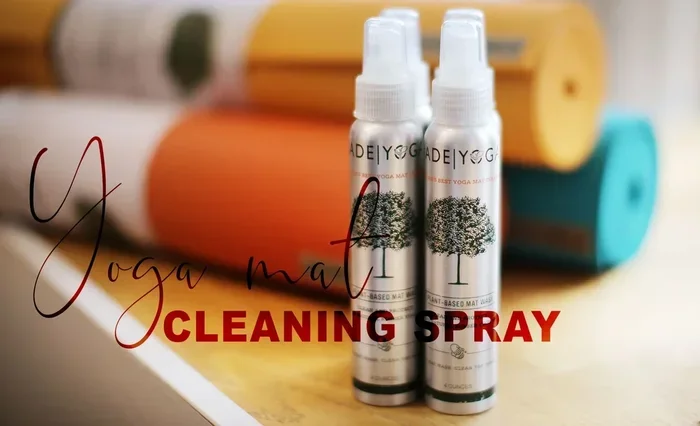
- What Cleaning Products Are Safe for Yoga Mats
- How to Dry Your Yoga Mat After Deep Cleaning
- Material-Specific Cleaning Tips
- Common Mistakes People Make When Cleaning Yoga Mats
- Expert Tips for Keeping Your Mat Fresh Longer
Why Deep Cleaning Matters More Than Surface Wiping
A quick spray and wipe after each session handles surface-level dirt. But it does not reach the sweat and bacteria trapped deeper in the mat material. When you deep clean a yoga mat 2, you address the root cause of odor and grime buildup that regular cleaning misses.
Here is what happens when you skip deep cleaning:
- Bacteria and fungi multiply in the warm, moist environment of your mat.
- Odor gets trapped deeper into the material over time.
- Grip deteriorates as residue builds up on the surface.
- Skin irritation and breakouts can occur from rolling on a dirty mat.
- Mat lifespan shortens because material breaks down faster when not properly maintained.
Most yoga practitioners clean their mats after every use but forget about a full deep clean. A monthly deep clean yoga mat session makes a huge difference. For people who practice hot yoga or sweat heavily, every two weeks works better.
The Science Behind Mat Buildup
Your skin sheds thousands of cells during a single session. Sweat carries oils and salts that seep into the mat surface. When these sit unwashed, they create the perfect environment for bacteria to thrive. This is especially true for closed-cell yoga mat material that absorbs more moisture than open-cell types.
Understanding this helps you see why a deep clean yoga mat 2 process needs to go beyond surface wiping. You need solutions that penetrate the material and lift out embedded grime.
Best Methods to Deep Clean a Yoga Mat
Not all cleaning methods work for every mat type. The right approach depends on your mat material and how dirty it is. Here are the most effective deep cleaning methods you can try at home.
Method 1: Baking Soda Deep Clean
Baking soda is one of the safest and most effective natural cleaners for yoga mats. It absorbs odors, lifts dirt, and is gentle on all mat types. This method works great for how to clean a yoga mat with baking soda routines.
Here is how to do it:
- Mix 2 tablespoons of baking soda with 2 cups of warm water in a spray bottle.
- Add 5 drops of tea tree oil for extra antibacterial power.
- Spray the solution generously across the entire mat surface.
- Let it sit for 15 to 20 minutes.
- Gently scrub with a soft cloth or sponge in circular motions.
- Rinse thoroughly with clean water.
- Hang dry completely before rolling up.
This method is perfect for regular yoga mat maintenance and works on PVC, TPE, and rubber mats alike. The baking soda lifts deep-down residue without stripping the mat of its texture.
Method 2: Vinegar and Water Solution
White vinegar is a natural disinfectant that kills bacteria and eliminates stubborn odors. Many people ask, can I use vinegar to clean my yoga mat? The answer is yes, and it works wonderfully for a deep clean.
Follow these steps:
- Mix equal parts white vinegar and warm water.
- Add a few drops of lavender essential oil to mask the vinegar smell.
- Spray or wipe the solution onto the mat.
- Let it sit for 10 minutes.
- Wipe down with a damp cloth.
- Rinse with clean water and dry flat.
Vinegar is especially effective for removing yoga mat odor caused by heavy sweat. It is safe for most materials but avoid using it on natural rubber mats that may degrade with prolonged acid exposure.
Method 3: Bathtub Soak
For mats that are really grimy, a bathtub soak gives you a thorough clean from top to bottom. This is the go-to method when you need a full how to clean a yoga mat in the bathtub session.
Steps for a bathtub soak:
- Fill your bathtub with lukewarm water, not hot.
- Add a mild, gentle soap or a capful of apple cider vinegar.
- Submerge the mat completely and let it soak for 20 minutes.
- Gently agitate the water to help loosen dirt.
- Drain the tub and rinse the mat with fresh water.
- Press the mat gently to release excess water.
- Hang it over a shower rod or railing to dry completely.
Important: Never use hot water, as it can warp and damage the mat material. Also, do not soak rubber mats for more than 20 minutes, as prolonged water exposure can break them down.
What Cleaning Products Are Safe for Yoga Mats
Not all cleaning products are created equal when it comes to yoga mat hygiene. Some can damage your mat, while others leave harmful residues that irritate your skin. Here is what you need to know about choosing safe products.
Natural Cleaners You Can Trust
Natural cleaners are the best choice for eco-friendly yoga mat cleaning. They are gentle, effective, and safe for your body. Here are the top options:
- Baking soda — absorbs odors and lifts dirt naturally.
- White vinegar — disinfects and eliminates bacteria.
- Castile soap — a gentle, plant-based cleaner that works on all mat types.
- Tea tree oil — a natural antifungal and antibacterial agent.
- Lemon juice — adds a fresh scent and helps break down grease.
Products to Avoid
Some common household cleaners can do more harm than good. Stay away from these:
- Bleach and harsh chemicals — they break down mat material and leave toxic residues.
- Ammonia-based cleaners — can damage the surface and cause skin irritation.
- Alcohol-based sprays — dry out the mat and make it brittle over time.
- Heavy degreasers — strip away the texture and grip your mat needs.
If you are unsure about a product, always test it on a small, hidden area first. This simple step protects your mat and your skin.
How to Dry Your Yoga Mat After Deep Cleaning
Drying is the most overlooked part of deep cleaning a yoga mat. If you roll up a damp mat, you create the perfect environment for mold and mildew to grow. Proper drying is just as important as the cleaning itself.
Best Drying Practices
- Hang the mat over a shower rod or balcony railing to allow air circulation on both sides.
- Use a fan to speed up the drying process in humid environments.
- Lay the mat flat on a clean towel in a well-ventilated area.
- Never put your mat in direct sunlight for long periods, as UV rays can degrade the material.
- Make sure it is completely dry before rolling it up or storing it.
Depending on your humidity level, drying can take anywhere from 2 to 6 hours. In humid climates, you may need to use a fan or dehumidifier to speed things up. A fully dry mat resists bacteria and odor much better than a slightly damp one.
Quick Tip
If you are short on time, drape the mat over a clothesline or banister and use a hair dryer on a cool setting. This works in a pinch but should not replace proper air drying as your main method.
Material-Specific Cleaning Tips
Different yoga mat materials require different care approaches. Using the wrong method can shorten your mat’s life or reduce its performance. Here is how to tailor your deep clean yoga mat routine based on what your mat is made of.
| Material | Best Cleaning Method | Avoid |
|---|---|---|
| PVC | Baking soda solution or vinegar wash | Hot water, machine washing |
| TPE | Mild soap and lukewarm water soak | Harsh chemicals, prolonged soaking |
| Natural Rubber | Vinegar spray, quick wipe only | Extended soaking, heavy oils |
| Cork | Surface spray with castile soap | Soaking, excess water |
Knowing your mat material helps you choose the right yoga mat cleaning solution. When in doubt, always go with the gentlest method first. You can always repeat the process, but you cannot undo damage from an overly harsh cleaner.
How Often Should You Deep Clean?
Your cleaning frequency depends on how often you practice and how much you sweat. Here is a simple guideline:
- Light practitioners (1-2 sessions per week): deep clean once a month.
- Regular practitioners (3-5 sessions per week): deep clean every two weeks.
- Hot yoga or heavy sweaters: deep clean weekly for best results.
Between deep cleans, a quick wipe-down with a natural spray keeps your mat fresh and ready to go. This habit makes your monthly deep clean faster and more effective.
Common Mistakes People Make When Cleaning Yoga Mats
Even well-meaning yogis make mistakes that damage their mats or reduce cleaning effectiveness. Here are the most common errors to avoid.
Using Too Much Water
Excess water seeps into the mat and creates a breeding ground for mold. Use minimal water and focus on thorough rinsing rather than soaking.
Skipping the Rinse
Any cleaning solution left on the mat can irritate your skin during your next session. Always rinse thoroughly until the water runs clear.
Using Abrasive Tools
Scrub brushes and rough sponges can tear the mat surface and ruin its texture. Stick to soft cloths and gentle sponges only.
Storing a Damp Mat
This is the number one mistake people make. A damp mat stored in a bag or rolled up develops mold and bad odor within days. Always ensure your mat is fully dry before storing.
Using Household Cleaners Without Checking
Not all cleaners are safe for yoga mats. Harsh chemicals can break down the material and leave residues that irritate your skin. Always check if a product is safe for your mat type first.
Expert Tips for Keeping Your Mat Fresh Longer
Yoga mat care does not stop after a deep clean. Small daily habits make a big difference in how fresh and clean your mat stays between sessions.
- Wash your hands before stepping on your mat to reduce oil transfer.
- Use a yoga towel during sweaty sessions to absorb excess moisture.
- Air out your mat after every practice by unrolling it in a ventilated space.
- Store your mat rolled, not folded, to prevent creases and material stress.
- Rotate between two mats if you practice frequently, giving each mat time to fully dry.
These simple habits complement your deep cleaning routine and keep your mat in top condition for years. A little prevention goes a long way toward avoiding buildup and odor.
Learning how to deep clean a yoga mat 2 is one of the best investments you can make in your practice. A clean mat supports better hygiene, improves your grip, and makes every session more enjoyable. With the methods shared in this guide, you have everything you need to keep your mat fresh and safe using simple, affordable household items.
Start with the baking soda method for a gentle but thorough clean, or try the vinegar solution for odor removal. For really dirty mats, the bathtub soak gives you the deepest clean possible. Whichever method you choose, the key is consistency. Make deep clean yoga mat sessions part of your regular routine and your mat will thank you with better performance and longer life.
Your mat carries you through every pose, every flow, and every session. Give it the care it deserves. Your body will notice the difference, and your practice will feel even better on a fresh, clean surface.
Frequently Asked Questions
How often should I deep clean my yoga mat?
For most practitioners, deep cleaning once a month is enough. If you practice hot yoga or sweat heavily, aim for every two weeks. Regular yoga mat maintenance keeps your mat fresh and hygienic between deep cleans.
Can I use Dawn dish soap to clean my yoga mat?
Yes, a small amount of Dawn diluted in water works for a gentle clean. However, rinse thoroughly to remove all soap residue. You can learn more about using Dawn specifically in our guide on can I use Dawn to clean my yoga mat.
Is it safe to put a yoga mat in the washing machine?
It depends on the mat material. Some thin TPE mats can handle a gentle machine wash, but most yoga mats should be hand cleaned. Machine washing can warp, tear, or degrade the material. For safe yoga mat cleaning at home, stick to hand methods like the bathtub soak or spray-and-wipe techniques.
What is the best natural cleaner for a yoga mat?
A mixture of white vinegar and water is one of the most effective natural cleaners. Baking soda paste works great for odor removal too. Both are gentle, eco-friendly, and safe for most mat materials. You can also explore other options in our article on what can you use to clean a yoga mat.
How do I get rid of stubborn odor from my yoga mat?
Stubborn odor usually comes from bacteria trapped deep in the mat material. A baking soda soak or a vinegar solution targets the source of the smell. Make sure your mat dries completely after cleaning, as trapped moisture often causes lingering odor.
Can I use Clorox wipes on my yoga mat?
Clorox wipes can work for a quick surface clean, but they are not ideal for a deep clean. The chemicals can leave residues that irritate your skin and may degrade certain mat materials over time. For a safer alternative, check out our guide on cleaning a yoga mat with Clorox wipes.
=== CONCLUSION ===
Deep cleaning your yoga mat is a simple yet essential part of your yoga practice. It protects your health, improves your mat’s performance, and saves you money by extending its lifespan. With the methods outlined in this guide, you have everything you need to deep clean a yoga mat 2 effectively at home.
Start with baking soda for gentle everyday cleaning, vinegar for odor removal, and the bathtub soak for deep grime. Pair these methods with proper drying and regular maintenance habits, and your mat will stay fresh, clean, and grippy for years to come.
Your mat supports you in every practice. Take a few extra minutes to take care of it in return. Your body, your breath, and your practice will all benefit from a truly clean surface beneath you.