How to Clean Yoga Mats at Home 2
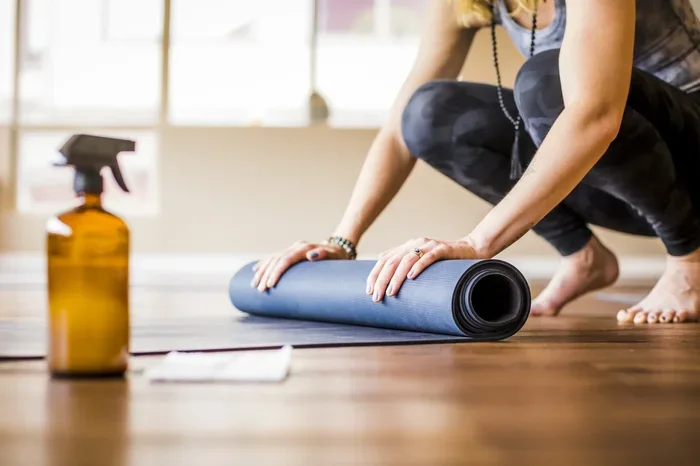
Keeping your yoga mat clean is essential for hygiene and longevity. This guide shows you simple, effective ways to clean yoga mats at home using household items like vinegar, baking soda, and gentle soap. You will learn how to deep clean, remove odors, and store your mat properly so it stays fresh for every session.
Your yoga mat goes through a lot. Every session leaves behind sweat, oils, dirt, and bacteria. Over time, this buildup can cause odors, slippery surfaces, and even skin irritation. That is why knowing how to properly clean yoga mats at home is so important.
Whether you practice yoga every day or a few times a week, your mat needs regular care. The good news is that you do not need expensive products or complicated tools. Most of what you need is already in your kitchen pantry. In this guide, we will walk you through every step of yoga mat cleaning so your mat stays fresh, safe, and long-lasting.
This article covers everything from quick daily wipes to full deep cleans. We also share tips on drying, storing, and maintaining your mat between washes. By the end, you will have a clear routine that keeps your clean yoga mat ready for every practice.
Key Takeaways
- Daily wipe-downs keep your mat hygienic: A quick spray and wipe after each session prevents bacteria buildup and extends mat life.
- DIY cleaners work great: Vinegar, baking soda, and mild dish soap are affordable, effective options for cleaning your yoga mat at home.
- Deep cleaning should happen monthly: A thorough wash removes deep-seated sweat, dirt, and odor that surface wipes miss.
- Proper drying is critical: Never roll up a wet mat. Air dry completely to prevent mold and mildew growth.
- Storage matters too: Store your mat in a cool, dry place away from direct sunlight to maintain its texture and grip.
- Avoid harsh chemicals: Bleach and strong solvents can damage mat material and cause skin irritation during practice.
📑 Table of Contents
- Why Cleaning Your Yoga Mat Matters
- What You Need to Clean a Yoga Mat at Home
- How To Do a Quick Daily Yoga Mat Wipe Down
- How To Deep Clean Your Yoga Mat at Home
- How To Remove Odors from Your Yoga Mat
- How To Dry and Store Your Yoga Mat Properly
- Common Mistakes To Avoid When Cleaning Yoga Mats
- Expert Tips for Long-Lasting Yoga Mat Care
- Comparison of Yoga Mat Cleaning Methods
- Conclusion
Why Cleaning Your Yoga Mat Matters
You might wonder why yoga mat hygiene deserves so much attention. After all, you are the only one using your mat at home. But here is the truth — your skin sheds cells, produces oils, and sweats during every session. All of that gets absorbed into the mat surface.
Over time, bacteria start to grow in this warm, moist environment. This can lead to breakouts, rashes, and unpleasant smells. Regular yoga mat maintenance prevents all of these problems. It also keeps your mat grippy and comfortable, which improves your practice.
The Hidden Dangers of a Dirty Mat
A mat that is not cleaned regularly becomes a breeding ground for bacteria and fungi. Sweat mixes with dead skin cells and creates a perfect environment for germs. Even if your mat looks clean on the surface, it may harbor harmful microbes underneath.
Some common issues caused by dirty mats include:
- Skin irritation and rashes from bacterial buildup
- Persistent odors that no amount of spraying can hide
- Reduced grip making poses slippery and unsafe
- Faster material breakdown leading to a shorter mat lifespan
- Allergic reactions in sensitive individuals
These risks make cleaning your yoga mat at home a simple but powerful habit. A few minutes of care after each session can save you from discomfort and costly replacements.
What You Need to Clean a Yoga Mat at Home
Before you start, gather your supplies. The great thing about home yoga mat cleaning is that you do not need specialty products. Many household items work wonderfully.
Basic Supplies for Yoga Mat Wipe Down
- Spray bottle (any clean one works)
- Warm water
- Mild dish soap or castile soap
- Soft cloth or microfiber towel
- White vinegar (optional)
- Baking soda (for deep cleaning)
Optional but Helpful Items
- Essential oils like tea tree or lavender for a natural scent
- A soft-bristle brush for textured mats
- A drying rack or shower rod for air drying
- Yoga mat spray for quick touch-ups between washes
With these items ready, you can handle any level of mat cleaning — from a quick wipe to a full deep clean. The key is to use gentle products that do not damage the mat material.
How To Do a Quick Daily Yoga Mat Wipe Down
A daily yoga mat wipe down takes less than two minutes. This simple habit is the foundation of good mat hygiene and should be part of your post-practice routine.
Step-by-Step Daily Cleaning
- Lay your mat flat on a clean surface.
- Spray a light mist of water or a gentle cleaner across the surface.
- Wipe gently with a soft cloth in circular motions.
- Flip the mat and repeat on the other side.
- Hang or lay flat to air dry completely before rolling up.
For a simple DIY spray, mix one cup of water with a few drops of mild dish soap in a spray bottle. This works perfectly for everyday yoga mat cleaning. If you prefer a store-bought option, look for mat-specific sprays that are free of harsh chemicals.
Quick Tip: Keep a small spray bottle and cloth near your yoga space. This makes it easy to clean your mat right after practice when sweat is still fresh and easy to wipe away.
How To Deep Clean Your Yoga Mat at Home
Even with daily wipe-downs, your mat needs a thorough deep clean every few weeks. This removes built-up sweat, oils, and bacteria that surface cleaning cannot reach.
Method 1: The Vinegar and Water Solution
Vinegar is one of the best natural yoga mat cleaners. It kills bacteria, removes odors, and is safe for most mat materials. You can learn more about using vinegar for yoga mat cleaning in our detailed guide.
To use this method:
- Mix equal parts water and white vinegar in a spray bottle.
- Spray the entire mat surface generously.
- Let it sit for five to ten minutes.
- Wipe down with a damp cloth or sponge.
- Rinse with clean water if your mat is not machine washable.
- Air dry completely before storing.
Method 2: The Baking Soda Paste
Baking soda is excellent for tackling stubborn odors and deep stains. It is a gentle abrasive that lifts dirt without damaging your mat. This method works especially well for yoga mats that have absorbed heavy sweat over time.
To use baking soda for deep cleaning:
- Mix three tablespoons of baking soda with one tablespoon of water to form a paste.
- Apply the paste to stained or odorous areas of the mat.
- Gently scrub with a soft brush or cloth.
- Let it sit for fifteen minutes.
- Wipe off with a damp cloth.
- Rinse and air dry thoroughly.
For more details on using baking soda for yoga mat care, check out our guide on how to clean a yoga mat with baking soda.
Method 3: The Bathtub Soak
If your mat is really grimy, a full bathtub soak can work wonders. This method is ideal for thick, textured mats that trap a lot of dirt. We have a dedicated article on cleaning a yoga mat in the bathtub with more detailed instructions.
Here is the basic process:
- Fill your bathtub with lukewarm water.
- Add a small amount of mild soap or a splash of vinegar.
- Submerge your mat fully and let it soak for twenty to thirty minutes.
- Gently agitate the water to help loosen dirt.
- Drain the tub and rinse the mat with clean water.
- Squeeze out excess water gently (do not wring).
- Hang or lay flat to dry completely.
Remember, never use hot water as it can warp or damage the mat material. Lukewarm is the sweet spot for safe and effective deep cleaning.
How To Remove Odors from Your Yoga Mat
Odor is one of the most common complaints about yoga mats. Even with regular cleaning, some mats develop a persistent smell. The key to removing odor is addressing the source — bacteria and trapped sweat.
Natural Odor Removal Methods
- Vinegar spray: The acetic acid in vinegar neutralizes odor-causing bacteria naturally.
- Baking soda overnight: Sprinkle baking soda on your mat, let it sit overnight, and vacuum or wipe it off in the morning.
- Tea tree oil: Add a few drops to your cleaning spray for a natural antibacterial boost and fresh scent.
- Sunlight exposure: Lay your mat in the sun for a few hours. UV rays naturally kill bacteria and eliminate smells.
After intense sessions like hot yoga, your mat may need extra attention. Learn how to clean a yoga mat after hot yoga to keep it fresh and odor-free.
Preventing Odor Before It Starts
The best way to deal with odor is to prevent it. Here are simple habits that make a big difference:
- Always wipe your mat after every use.
- Let your mat dry fully before rolling it up.
- Wash your hands and feet before practicing.
- Use a yoga towel to absorb excess sweat.
- Store your mat in a well-ventilated area.
These small steps keep your clean yoga mat smelling fresh and ready for your next session.
How To Dry and Store Your Yoga Mat Properly
Drying and storage are just as important as the cleaning process itself. A mat that is stored while still wet will quickly develop mold and mildew. This not only ruins the mat but also creates health risks for your next practice.
The Right Way To Dry a Yoga Mat
- Hang the mat over a shower rod or drying rack.
- Place it on a clean towel in a well-ventilated area.
- Avoid direct sunlight for extended periods, as it can degrade the material.
- Flip the mat halfway through drying for even airflow.
- Wait until the mat is completely dry before rolling it up.
Proper yoga mat drying typically takes two to four hours depending on the material and thickness. Patience here pays off in a longer-lasting mat.
Best Storage Practices
- Store your mat in a cool, dry place away from humidity.
- Roll the mat with the top side facing out to reduce creasing.
- Use a mat bag or strap for transport and storage.
- Avoid storing the mat in a car trunk or damp closet.
- Do not leave the mat folded for long periods, as this can create permanent creases.
Good yoga mat storage habits protect your investment and keep your practice space clean and inviting.
Common Mistakes To Avoid When Cleaning Yoga Mats
Even with good intentions, many people make mistakes that damage their mats or reduce cleaning effectiveness. Here are the most common errors to watch out for.
Using Harsh Chemicals
Bleach, ammonia, and strong household cleaners may seem effective, but they break down yoga mat material over time. They can also leave residues that irritate your skin during practice. Stick to gentle, natural mat cleaning solutions for the best results.
Skipping the Drying Step
Rolling up a damp mat is one of the fastest ways to ruin it. Moisture trapped inside creates the perfect environment for mold and mildew. Always make sure your mat is bone dry before storing it.
Cleaning Too Infrequently
A quick wipe after each session is not enough on its own. You need to deep clean your mat at least once a month to remove buildup that daily wiping cannot address.
Using Too Much Water
Some mat materials, especially closed-cell foam, should not be soaked. Excess water can seep into the core and cause delamination. Always check your mat manufacturer’s care instructions before deep cleaning.
Ignoring Manufacturer Guidelines
Every mat is different. Some are machine washable, while others need hand cleaning only. Reading the care label takes two minutes and can save you from accidental damage.
Expert Tips for Long-Lasting Yoga Mat Care
Here are some pro-level tips that take your yoga mat care to the next level:
- Rotate your mat: If you practice daily, consider having two mats and rotating them. This gives each mat time to fully dry and recover between uses.
- Use a yoga towel: Placing a towel over your mat during sweaty sessions reduces the amount of sweat that absorbs into the mat.
- Clean your mat before and after travel: Travel exposes your mat to new bacteria and dirt. A thorough clean before and after trips keeps it hygienic.
- Refresh with essential oils: A few drops of lavender or eucalyptus oil in your cleaning spray adds a pleasant natural scent and extra antibacterial power.
- Replace when needed: No amount of cleaning can fix a mat that is visibly worn, cracking, or losing grip. Know when it is time for a replacement.
These fitness gear cleaning habits keep your mat in top shape for months or even years of regular use.
Comparison of Yoga Mat Cleaning Methods
| Method | Best For | Time Required | Cost |
|---|---|---|---|
| Daily Wipe Down | Quick post-session cleaning | 1-2 minutes | Low (water + mild soap) |
| Vinegar Spray | Odor removal and light disinfection | 10-15 minutes | Very low |
| Baking Soda Paste | Stubborn stains and deep odors | 20-30 minutes | Very low |
| Bathtub Soak | Heavily soiled or neglected mats | 40-60 minutes | Low |
| Commercial Yoga Mat Cleaner | Convenience and consistent results | 5-10 minutes | Moderate |
Each method has its place in a yoga mat cleaning routine. For best results, combine daily wipe-downs with a monthly deep clean using one of the methods above.
Conclusion
Taking care of your yoga mat does not have to be complicated. With a few simple habits and household items, you can keep your mat clean, fresh, and hygienic for months. Start with a quick daily wipe-down, add a monthly deep clean, and always dry your mat properly before storing it.
Remember, a clean yoga mat is not just about appearances. It is about protecting your health, improving your practice, and getting the most out of your investment. Use the tips in this guide to build a routine that works for you and your lifestyle.
Now that you know exactly how to care for your mat, put these steps into practice today. Your mat — and your body — will thank you for it.