How to Carry a Folding Chair on a Bike
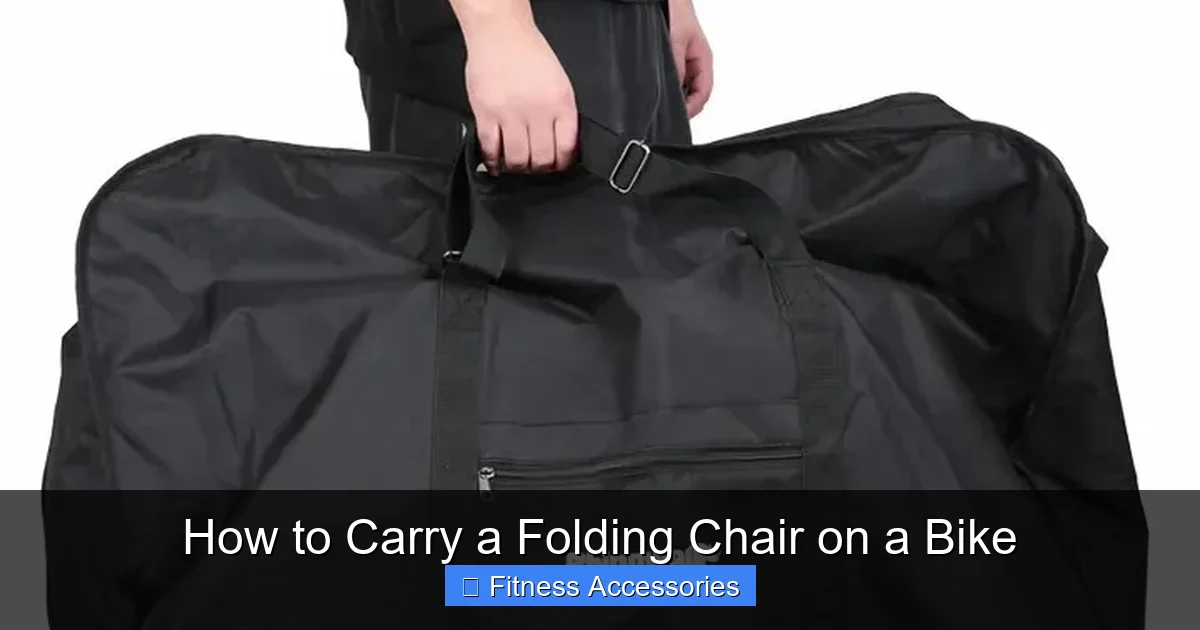
Carrying a folding chair on your bike unlocks unparalleled comfort and spontaneity for picnics, festivals, and bike-packing trips. Success depends on choosing a lightweight chair and a secure mounting system that matches your bike’s geometry. Prioritize stability and safety by properly securing your load and understanding your bike’s weight limits to enjoy every stop in comfort.
There’s a unique kind of freedom that comes with biking. The wind in your face, the quiet hum of the tires, and the ability to go wherever the road or trail leads. But that freedom can hit a sudden, hard stop when you find the perfect spot—a sunny meadow, a quiet riverbank, a bustling park—and realize you have nothing to sit on but the ground. Carrying a folding chair on your bike transforms you from a simple passerby into a prepared adventurer, ready to claim any spot as your own personal throne. It’s the secret weapon for spontaneous picnics, comfortable festival days, and essential rest stops on long bike-packing tours. But how do you attach this piece of outdoor furniture to your two-wheeled steed without it swinging, bouncing, or turning your ride into a hazardous wobbly game? This guide will walk you through every step, from choosing the perfect chair to mastering the safest, most secure carrying methods for your specific bike.
Key Takeaways
- Choose the Right Chair: Opt for ultralight folding chairs (under 5 lbs) with a compact, rigid carry bag to minimize weight and maximize packing efficiency.
- Match Mount to Bike: Your bike’s design (rack, frame geometry, cargo capacity) dictates the best carrying method—rear rack, frame-mounted, or cargo bike solutions.
- Security is Paramount: Always use high-quality straps or custom mounts. Double-check all connections before riding and re-fasten after bumps.
- Mind the Load: Never exceed your bike’s manufacturer-stated weight limit. A chair’s weight plus other gear must stay within this safe capacity.
- Balance and Handling: Position the chair as low and centered as possible to maintain a low center of gravity and predictable bike handling.
- Practice & Prep: Load and unload your chair at home before your trip. Ensure you can do it quickly and that nothing interferes with wheels, brakes, or pedals.
- Check Legality & Etiquette: Be aware of local traffic laws regarding load protrusions and always secure loads to avoid hazards for yourself and others.
📑 Table of Contents
- Why Carry a Folding Chair? The Comfort Revolution on Two Wheels
- Choosing the Right Folding Chair: Lightness and Compactness are King
- Mounting Methods: Finding the Perfect Spot on Your Bike
- Safety, Stability, and Load Management
- Legal and Etiquette Considerations: Being a Responsible Loaded Cyclist
- Pro Tips and Advanced Strategies
- Conclusion: Ride Free, Rest Comfortably
Why Carry a Folding Chair? The Comfort Revolution on Two Wheels
Before we dive into the “how,” let’s establish the “why.” Carrying a chair isn’t just a luxury; for many, it’s a game-changer that extends the range and enjoyment of cycling in profound ways.
Spontaneity and Extended Exploration
Imagine biking through a scenic countryside and discovering a hidden waterfall. With a chair in your pack, you can stay for an hour, have a snack, and truly soak it in. Without one, you might just snap a photo and press on, always moving, never resting comfortably. This ability to stop and stay transforms your ride from a point-A-to-point-B journey into an immersive experience. It encourages longer rides because you know you have a comfortable, dry (if you bring a pad) place to sit at the end.
Essential for Events and Social Rides
Music festivals, outdoor concerts, farmers’ markets, and group ride meet-ups often involve standing for hours. A folding chair is your ticket to comfort and social inclusion. You can set up a little home base, keep your gear secure beside you, and chat with friends without the fatigue of constant standing. It turns a potentially exhausting day into a relaxing social event.
The Bike-Packing and Touring Game-Changer
For multi-day bike tours, weight and space are everything. A traditional camping chair is often too heavy and bulky. A dedicated ultralight backpacking chair, however, can weigh less than 2 pounds and pack down to the size of a small loaf of bread. After a long day of riding, being able to sit comfortably around the campfire instead of on the hard ground is a massive boost to morale and recovery. It’s a small luxury with a huge impact on trip enjoyment.
Choosing the Right Folding Chair: Lightness and Compactness are King
The first and most critical step happens before you even think about straps. The chair you choose will make or break your carrying experience. Forget the heavy, bulky “camp chairs” from big-box stores. Your bike is your packhorse, and every ounce counts.
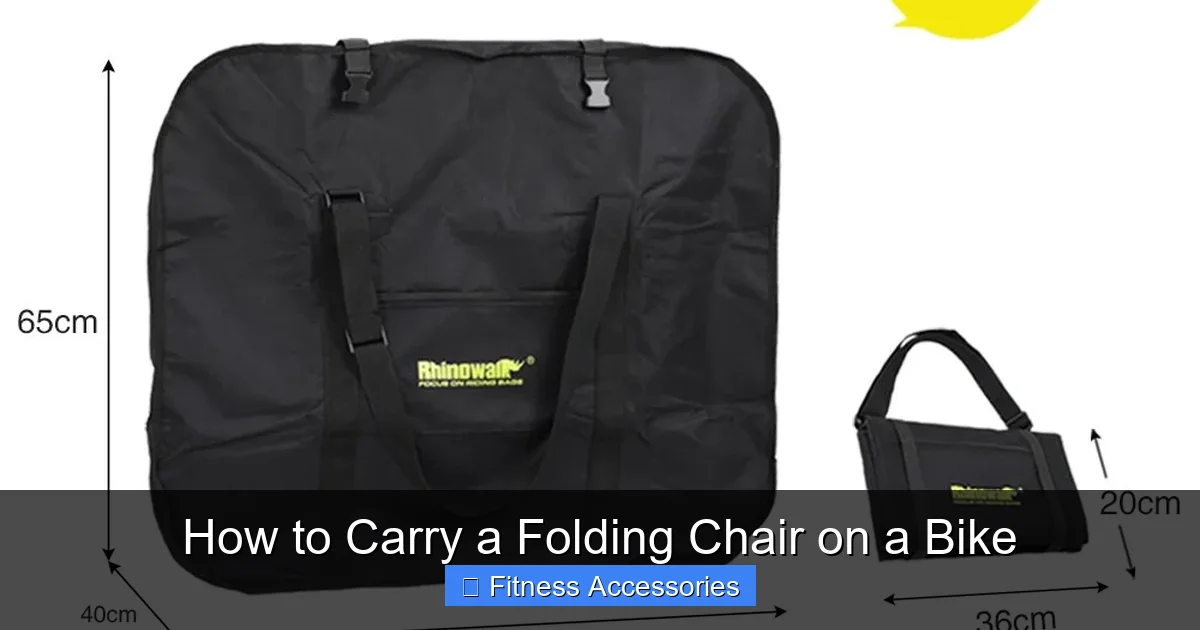
Visual guide about How to Carry a Folding Chair on a Bike
Image source: images.nexusapp.co
Ultralight Backpacking Chairs: The Gold Standard
These are your best friends. Brands like Helinox (Chair Zero, Chair One), ALPS Mountaineering (Lightweight Chair), and Big Agnes (Chair Six) dominate this space. They use advanced materials like aircraft-grade aluminum and ripstop nylon to achieve featherweight status. Look for:
- Weight: Target 2-5 pounds. The lighter, the better.
- Packed Size: This is crucial. A chair that packs into a long, thin cylinder (like a tent pole bag) is far easier to strap to a bike frame or rack than a bulky rectangular bundle. Aim for a packed length under 24 inches and a diameter of 4-6 inches.
- Carry Bag: A durable, rigid or semi-rigid carry bag with a good closure (drawstring with lock, zippered) is essential. It prevents the chair legs from poking through and makes strapping much cleaner.
What to Avoid
Steer clear of standard folding camp chairs. They often weigh 8-15+ pounds and have a large, awkward rectangular shape that is nearly impossible to secure neatly to a bike. Their bulky fabric and wide leg spread create wind resistance and make the load unstable. They are simply not designed for mobile transport.
Mounting Methods: Finding the Perfect Spot on Your Bike
Now for the core of the matter. Where and how you attach the chair depends entirely on your bike’s anatomy. Let’s explore the most common and effective methods, from simplest to most complex.
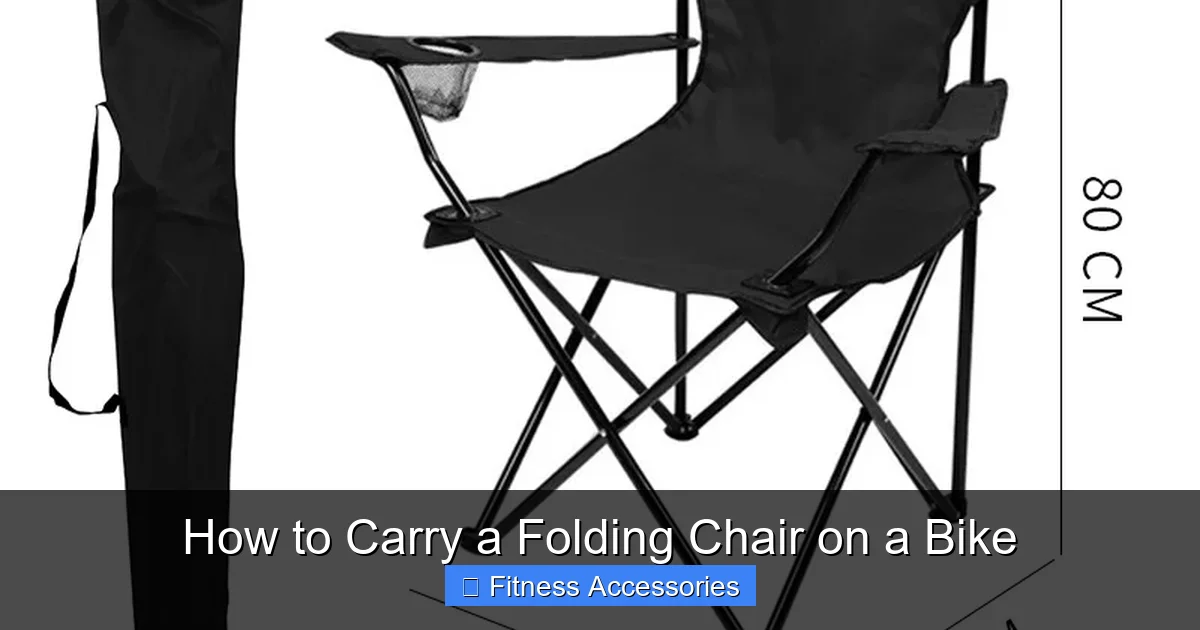
Visual guide about How to Carry a Folding Chair on a Bike
Image source: ph-test-11.slatic.net
Method 1: The Rear Rack (The Classic & Most Versatile)
If your bike has a sturdy rear rack (either factory-mounted or an aftermarket addition), this is your primary solution. It’s designed to carry weight and keeps the load low and centered.
- How To: Place the chair’s carry bag horizontally or vertically on the rack platform. Use at least two high-quality cam buckle straps or ratchet straps (like those from Nashbar or RockBros). Criss-cross the straps over the bag for maximum security. For long, cylindrical bags, you can use straps to secure it like a bedroll.
- Pro Tip: If the bag is slippery, add a piece of non-slip shelf liner or a bike frame protector pad between the bag and the rack. This prevents shifting and protects your rack’s finish.
- Consideration: Ensure the chair does not interfere with your taillight or rear reflector. You may need to mount the light on a strap or a separate mount. Also, check that the chair’s height doesn’t obscure your rear wheel when looking back.
Method 2: Frame-Mounted (For Bikes Without Racks)
Many modern bikes, especially road and gravel bikes, lack rack mounts. But you can still carry a chair by attaching it directly to the frame triangle.
- The Down Tube Strap: This is the most common frame-mounting spot. Use long straps (or a dedicated frame bag with straps) to secure the chair bag to the down tube. Position it low and forward, ensuring it doesn’t touch your front tire when turning. This is a great spot for a long, thin bag.
- The Top Tube Sling: For smaller bags or chairs that pack short and wide, you can use a strap across the top tube. Be mindful of your stem and handlebar rotation—the bag must not restrict steering. This position can raise the center of gravity, so be extra cautious with handling.
- Seat Tube & Chainstay: Sometimes, a combination of straps—one around the seat tube and another around the rear chainstay—can create a very secure “nest” for a bag on the side of the rear triangle. This is an advanced technique; ensure nothing can catch on the chain or derailleur.
- CRITICAL SAFETY NOTE: Never strap anything to your fork legs. This drastically affects steering geometry and can be extremely dangerous. Also, avoid the seat stays unless you are 100% sure the load cannot swing into the rear wheel.
Method 3: Cargo Bike & Specialized Solutions
If you own a cargo bike (longtail, midtail, or cargo trike), you have a world of options. These bikes are built to carry.
- Integrated Platforms: Use the built-in deck or rack. A simple strap will suffice.
- Panniers: Some ultralight chairs might fit into a large front pannier, though this is rare due to shape constraints.
- Bucket or crate: Many cargo bike owners install a small plastic crate or bucket on their rear platform. The chair can be placed inside, eliminating strap work and protecting it from weather.
Method 4: The Handlebar Roll (Last Resort)
This method is generally not recommended for stability and safety reasons. A load on the handlebars significantly changes steering feel, makes the bike front-heavy, and can interfere with brake and shift cables. It should only be used for very light, small loads on short, slow trips if you have absolutely no other option. A chair is almost always too heavy and bulky for this method.
Safety, Stability, and Load Management
Getting the chair on the bike is only half the battle. Keeping it there safely is the other, more important half. An unsecured load is a hazard to you and everyone around you.
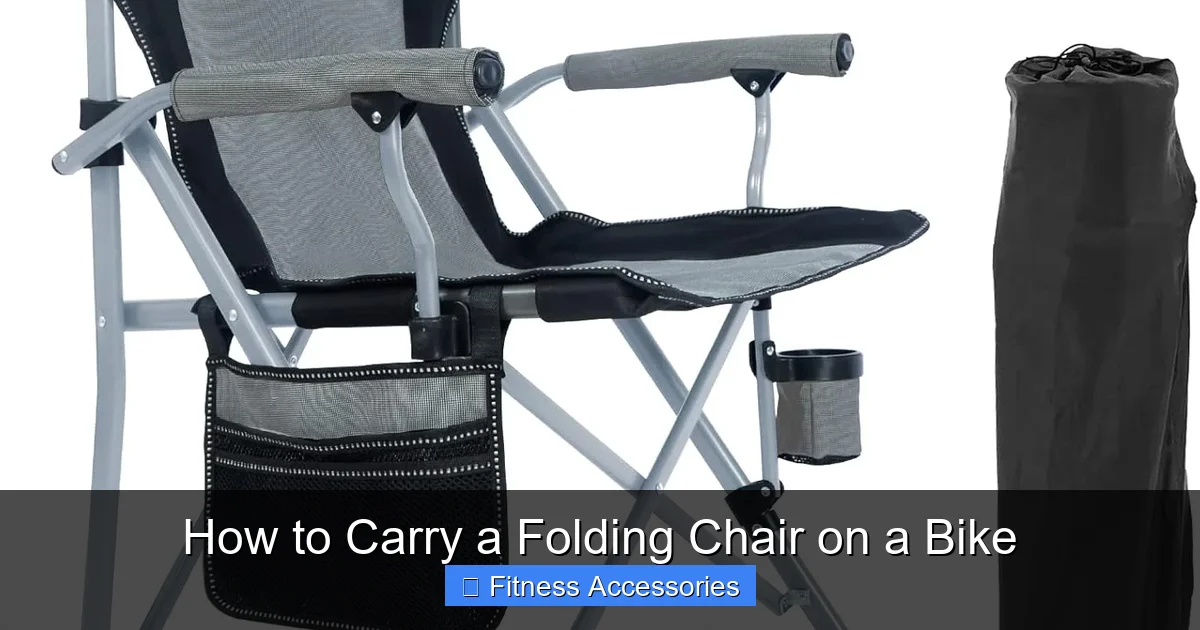
Visual guide about How to Carry a Folding Chair on a Bike
Image source: m.media-amazon.com
The Pre-Ride Checklist: Your Non-Negotiable Routine
Before you push off, perform this ritual every single time.
- Visual Inspection: Look at the chair from all sides. Is it sitting flush against the rack or frame? Is any part of it dangling?
- Firm Tug Test: Grab the chair bag and try to shift it side-to-side and front-to-back. It should not move more than an inch.
- Clearance Check: Stand next to the bike and look down. Does the chair clear the rear tire? Kneel in front and check the front tire clearance. Turn the handlebars fully left and right. Does anything rub?
- Light & Reflector Check: Are your lights and reflectors fully visible? Re-position them if the chair blocks them.
Understanding Your Bike’s Weight Limit
Every bike frame has a total weight limit (rider + all cargo). This is especially critical for folding bikes, carbon fiber bikes, and older steel frames. Exceeding this limit can damage the frame, wheels, and components. Find this limit in your owner’s manual or by contacting the manufacturer. Add your body weight, the chair weight (include the bag!), and all your other gear. Stay well under the limit with a safe margin. A typical robust steel touring bike might have a 300-350 lb limit, while a lightweight carbon road bike might be 240-275 lb.
Road Hazards and Load Shift
A pothole, railroad track, or curb hit can cause a poorly secured load to shift violently. This can:
- Jam the chair into your rear wheel, causing a sudden, catastrophic stoppage.
- Shift the load to one side, making you swerve unexpectedly.
- Cause the straps to snap or loosen.
This is why using multiple, high-quality straps is worth the investment. The redundancy is a safety feature. Always ride more cautiously with a load, anticipating bumps and taking smoother lines.
Legal and Etiquette Considerations: Being a Responsible Loaded Cyclist
With great cargo comes great responsibility. Laws and social norms vary, but a few universal principles apply.
Know Your Local Load Laws
Many jurisdictions have laws about how far a load can protrude from the rear of a vehicle (which can include bikes). A chair with legs might extend past the rear axle. While often tolerated for bikes, it’s wise to know the specific rules in your state or country. Some places may require a red flag or marker on loads extending more than a certain distance. A simple red bandana tied to the chair legs can serve as a polite and visible warning.
Secure Means Secure
Loose items that fall off create road hazards. A flying chair leg can cause a serious accident. You are legally and morally liable for your load. That’s why the double-strap method and the pre-ride tug test are not just best practices; they are essential duties.
Bike Lane and Path Etiquette
A wider load means you take up more space. Be extra aware in tight bike lanes or on crowded multi-use paths. Signal earlier and more clearly when moving. Your chair might make it difficult to quickly dodge obstacles, so scan the path ahead more diligently. If your load makes you feel unstable in traffic, take the lane more assertively to prevent unsafe passes.
Pro Tips and Advanced Strategies
Once you’ve mastered the basics, level up with these expert insights.
Weather Protection: The Rain Cover
Your chair’s fabric will get soaked in rain, making it heavy and unpleasant to sit on. Always carry a lightweight packable rain cover (a simple nylon stuff sack with a drawstring works). Keep it in your seat bag or pocket. When the clouds roll in, slip it over the chair bag before strapping it down. This keeps the chair dry and prevents the bag from becoming a waterlogged sail.
Multi-Use Gear: The Chair as a Pack
Some ultralight chairs have a large, durable carry bag that can double as a day pack or a gear sac. If yours does, you can pack other soft items (clothes, food) inside the chair bag *before* you strap it to the bike. This consolidates your load and uses space efficiently. Just be mindful of the total weight and bulk.
The “Bungee Cord Ballet” – A Flexible Alternative
For irregular shapes or when you need to attach the chair to a cargo net on a rack, a set of high-quality, coated bungee cords with metal hooks can be incredibly versatile. Create a web of crossing cords to hold the bag in place from multiple angles. The elasticity allows for a tight fit even if the bag isn’t a perfect rectangle. Always use bungees in a criss-cross pattern and consider a final non-stretching strap as a backup safety line.
Route Planning for the Loaded Rider
Your bike will handle differently with the chair. It will be slightly slower to accelerate and may have a wider turning radius. Plan routes that avoid extremely steep, technical descents or very tight, twisty turns until you’re accustomed to the feel. On long tours, factor in that the chair’s weight is “dead weight” you carry all day but only use at the end. Is the comfort worth the constant energy cost? For most, on relaxed tours, the answer is a resounding yes.
Conclusion: Ride Free, Rest Comfortably
Learning to carry a folding chair on your bike is more than a logistical trick; it’s an embrace of a slower, more intentional way to travel. It’s about trading the relentless push forward for the joy of arrival. By investing a little time in selecting the right ultralight chair, matching it to your bike’s capabilities with a secure mounting system, and committing to a rigorous safety routine, you unlock a new dimension of cycling freedom. You become the person who doesn’t just pass through the beautiful places, but truly inhabits them, if only for an hour, in comfort. So gear up, strap in securely, and hit the road. Your perfect, comfortable stopping point is waiting for you.
Frequently Asked Questions
What is the absolute lightest and best type of folding chair for biking?
For pure biking applications, dedicated ultralight backpacking chairs like the Helinox Chair Zero (1.1 lbs) are ideal. They prioritize minimal weight and compact, cylindrical packed shape over ultimate lounge comfort. Avoid traditional “camp chairs” which are far too heavy and bulky.
How do I prevent my chair from being stolen when left unattended on my bike?
Never leave the chair attached to your bike unattended in public. The best practice is to carry it with you using its shoulder strap. If you must leave it, use a cable lock to secure the chair bag to the bike rack or frame, but understand this is a deterrent, not a guarantee. The chair bag itself is usually easy to cut.
Will carrying a chair significantly affect my bike’s handling and speed?
Yes, but the impact is manageable with a proper setup. A low, centered load on a rear rack has minimal effect on steering. Expect slightly slower acceleration due to the added weight (typically 2-5 lbs). The biggest change is a slightly longer stopping distance and a marginally wider turning radius. Practice in a safe area before heading into traffic.
Are there any legal restrictions on carrying bulky items like a folding chair on a bike?
Laws vary by location. The primary legal concern is a load that protrudes dangerously or obscures lights/reflectors. Some jurisdictions may require a red flag on loads extending more than a few feet from the rear. Always ensure your load is securely fastened and does not interfere with required lighting or safe operation of your bicycle.
My bike has no rear rack or prominent frame mounts. What are my options?
Focus on frame-mounted methods using long straps. The down tube is your best bet for a long, thin bag. You can also explore aftermarket frame bags that use straps and might accommodate a small chair, or seatpost-mounted racks (like those from Topeak) that provide a small platform. For very small ultralight chairs, a large saddlebag or handlebar roll might work, but stability is a major concern.
What’s the single most important safety rule when carrying a chair on a bike?
Always perform the pre-ride tug test and clearance check. No matter how good your straps look, physically try to shift the load and visually confirm it clears all wheels, brakes, and cables. A load that shifts or jams a wheel is one of the most dangerous failure modes for a cyclist. This 30-second check is non-negotiable.