
How Thick Should a Yoga Mat Be 3
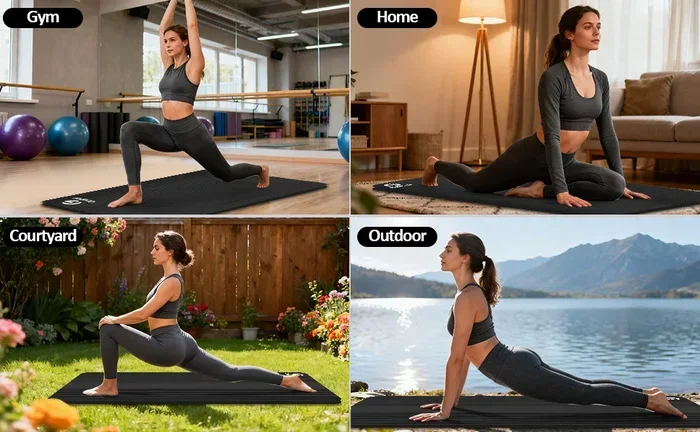
Choosing the right yoga mat thickness is key to comfort and support. A 3mm yoga mat hits a sweet spot between cushioning and stability. This guide covers everything you need to know about mat thickness, materials, and who benefits most from a 3mm option.
Have you ever wondered how thick should a yoga mat be 3 millimeters? You are not alone. Many yogis stand in front of a wall of mats and feel totally confused. Thickness changes everything. It affects your comfort, your balance, and even your joints. A 3mm yoga mat is one of the most popular choices on the market today. But is it right for you? Let us find out.
The answer to how thick should a yoga mat be depends on a few simple factors. Your body weight matters. Your yoga style matters. Even the floor surface matters. A 3mm mat sits in a sweet spot that works for many people. It gives enough cushion without feeling too squishy. In this guide, we will break it all down for you. You will know exactly what to look for by the end.
Key Takeaways
- 3mm is a versatile thickness: It works well for most yoga styles and fitness levels.
- Cushioning vs. stability trade-off: Thicker mats offer more comfort but less grounding.
- Material matters: TPE, PVC, and rubber mats all feel different at 3mm.
- Body weight plays a role: Heavier yogis may want a thicker mat for joint protection.
- Consider your practice type: Vinyasa, Hatha, and Pilates each have different thickness needs.
- Replace your mat regularly: Even the best mat loses cushioning over time.
📑 Table of Contents
- What Does 3mm Mean for Your Yoga Practice?
- How Does Mat Thickness Compare?
- Why Does Mat Material Matter as Much as Thickness?
- How to Choose the Right Thickness for Your Body
- Common Mistakes People Make When Picking Mat Thickness
- How to Get the Most Out of a 3mm Yoga Mat
- Quick Tips for Finding Your Perfect Mat Thickness
- Final Thoughts on Choosing a 3mm Yoga Mat
What Does 3mm Mean for Your Yoga Practice?
When we say a mat is 3mm thick, we mean it is three millimeters from top to bottom. That is about the width of a pencil. It is not super thin. It is not super thick either. A 3mm yoga mat gives you a firm feel close to the ground. This can help with balance poses. It also keeps you from feeling too floaty during standing work.
Who Is a 3mm Mat Best For?
A 3mm mat works great for people who like a stable base. If you do Vinyasa flow or Ashtanga, you will feel right at home. These styles involve a lot of quick transitions. You need a mat that stays put under your hands and feet. A 3mm thick yoga mat gives you that grounded feeling. It also works well for people who weigh less than 200 pounds. The cushion is enough to protect your joints without feeling soft.
People who practice on hard floors love a 3mm mat too. It gives you just enough padding for your knees and wrists. You do not need a thick sponge under you to feel good. The firm surface helps you feel connected to the ground. This connection matters a lot in yoga.
How Does Mat Thickness Compare?
Not all mats are created equal. Thickness is one of the biggest differences you will find. Let us look at how a 3mm mat stacks up against other options. Knowing the numbers helps you make a smart choice.
Thin Mats (1mm to 2mm)
Thin mats are great for travel. They are light and easy to carry. But they offer very little cushion. If you have sensitive knees or a bad back, a thin mat might hurt. These work best for strong yogis who want maximum grip and stability.
Medium Mats (3mm to 5mm)
This is the sweet spot for most people. A 3mm yoga mat sits right in the middle of this range. You get good cushioning without losing balance. A 5mm mat adds a bit more comfort. It is better for people who need extra joint support. But it can feel less stable during standing poses.
Thick Mats (6mm and above)
Thick mats feel like sleeping on a yoga mat. They are very comfortable. But they can wobble during balance poses. If you are new to yoga, a very thick mat might make you feel unsafe. Save these for gentle restorative sessions or chair yoga.
Why Does Mat Material Matter as Much as Thickness?
Thickness is not the only thing that counts. The material your mat is made from plays a huge role. Two mats can both be 3mm thick but feel completely different. Here is what you need to know.
TPE Mats
TPE stands for thermoplastic elastomer. These mats are light and eco-friendly. A 3mm TPE yoga mat feels soft but still supportive. TPE mats often have a nice texture that prevents slipping. They are a great pick for most yoga styles.
PVC Mats
PVC mats are the most common type. They are durable and affordable. A 3mm PVC mat can last for years. The downside is that PVC is not very eco-friendly. But if you want a long-lasting mat on a budget, PVC is hard to beat.
Rubber Mats
Natural rubber mats are heavy but super grippy. A 3mm rubber yoga mat gives excellent traction. You will not slip, even during hot yoga. Rubber mats also offer good shock absorption. They are a top choice for people who sweat a lot.
How to Choose the Right Thickness for Your Body
Your body type should guide your mat choice. Everyone is different. What feels perfect for one person might not work for another. Here are some simple tips to help you decide.
Consider Your Weight
If you weigh less than 150 pounds, a 3mm mat will feel firm and supportive. You will get plenty of cushion without sinking in too much. If you weigh between 150 and 200 pounds, a 3mm or 5mm mat both work well. If you are over 200 pounds, you might want to go thicker. A 5mm or 6mm mat will protect your joints better. You can still find a stable option at these thicknesses.
Think About Your Joint Health
Do you have knee pain or wrist issues? Thickness matters more for you. A 3mm mat gives decent cushion. But if your joints are very sensitive, you might want to go thicker. You can also use a folded blanket under your knees for extra padding. This is a simple trick that many yogis use.
Match the Mat to Your Yoga Style
Different styles call for different thicknesses. Here is a quick guide:
- Vinyasa Flow: A 3mm mat gives the right balance of cushion and stability.
- Hatha Yoga: A 3mm or 5mm mat works depending on your comfort level.
- Hot Yoga: Go for a grippy rubber mat at 3mm to prevent slipping.
- Restorative Yoga: A thicker mat (5mm+) feels nicer for long holds.
- Pilates: Check out this guide on how thick your mat should be for Pilates to get the right fit.
Common Mistakes People Make When Picking Mat Thickness
Avoiding mistakes saves you time and money. Here are the most common errors people make when choosing a yoga mat.
Choosing Based on Looks Alone
A pretty mat does not mean it is right for your body. Color and design are fun. But thickness and material are what really matter. Do not let a cool pattern trick you into buying the wrong thickness.
Thinking Thicker Is Always Better
This is a big myth. Thicker is not always better. A very thick mat can make you feel unsteady. It can actually increase your risk of slipping. A 3mm yoga mat often gives the best all-around performance. Trust the middle ground.
Ignoring the Floor Surface
The floor you practice on changes everything. A wooden floor feels very different from carpet. If you practice on concrete, you want a bit more cushion. If you practice on carpet, a thinner mat works fine. Think about where you will use your mat most.
Forgetting to Test the Mat
Always test a mat before you buy it if you can. Stand on it. Do a few poses. Feel how it responds to your weight. What feels great for someone else might not feel great for you. Your body knows what it needs.
How to Get the Most Out of a 3mm Yoga Mat
Once you have your 3mm mat, you want it to last. Proper care makes a big difference. A well-maintained mat stays grippy and supportive for years.
Clean Your Mat Regularly
Sweat and dirt build up fast. Wipe your mat down after every session. You can use a gentle cleaner or a mix of water and vinegar. Never throw your mat in the washing machine unless it says it is safe. Check out these tips on how to wash your yoga mat properly to keep it in great shape.
Store It Properly
Roll your mat with the top side facing out. This prevents creasing. Store it in a cool, dry place. Heat can break down the material over time. Do not leave your mat in a hot car.
Know When to Replace It
Even the best mat wears out. Look for signs like thinning spots, tears, or loss of grip. If your mat starts to smell no matter how much you clean it, it is time for a new one. A worn-out mat does not give you the support you need.
Quick Tips for Finding Your Perfect Mat Thickness
- Start with 3mm if you are a beginner or intermediate yogi.
- Go thicker if you have joint pain or are heavier set.
- Go thinner if you love a strong connection to the floor.
- Match the thickness to your most common yoga style.
- Always test the mat in person when possible.
- Read reviews from people with a similar body type to yours.
- Consider buying a mat towel for extra cushioning on thick mats.
Final Thoughts on Choosing a 3mm Yoga Mat
So, how thick should a yoga mat be 3 millimeters? For most people, the answer is yes. A 3mm mat is a fantastic all-around choice. It gives you enough cushion to protect your joints. It keeps you stable during balance poses. And it works for a wide range of yoga styles and body types.
Do not overthink the decision. A 3mm yoga mat is a safe bet for beginners and experienced practitioners alike. Pay attention to the material. Think about your body weight. Consider where you will practice. With these tips, you will find the perfect mat for your needs. Roll out your mat, take a deep breath, and enjoy your practice.
Frequently Asked Questions
Is a 3mm yoga mat too thin?
No, a 3mm mat is not too thin for most people. It offers a good balance of cushion and stability. It works well for many yoga styles and body types.
Who should use a 3mm yoga mat?
A 3mm mat is great for yogis who weigh under 200 pounds and practice styles like Vinyasa or Hatha. It also works well for people who want a grounded feel during their practice.
Can I use a 3mm mat for hot yoga?
Yes, a 3mm mat works well for hot yoga. Choose a rubber or grippy material to prevent slipping. The thin profile also helps you stay stable when sweat makes the floor slippery.
How does a 3mm mat compare to a 5mm mat?
A 3mm mat feels firmer and more stable. A 5mm mat offers more cushioning for your joints. The best choice depends on your body weight, style of yoga, and personal comfort preference.
Will a 3mm mat hurt my knees on hard floors?
A 3mm mat gives decent knee protection on hard floors. If you have sensitive knees, you can add a folded blanket for extra padding. Most people find 3mm comfortable enough for regular practice.
How long does a 3mm yoga mat last?
A well-cared-for 3mm mat can last 2 to 5 years. Clean it after each use, store it properly, and avoid leaving it in extreme heat. Replace it when you notice thinning or loss of grip.


