How Often Should You Oil a Treadmill Belt
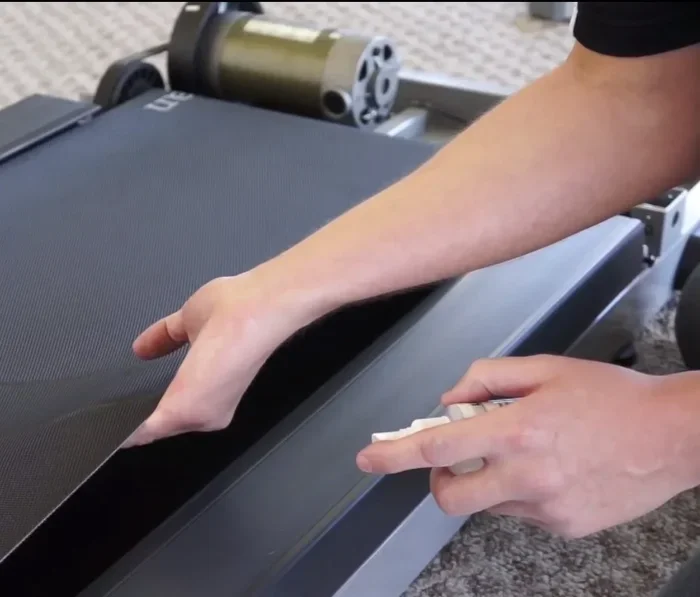
How often should you oil a treadmill belt? Most treadmill owners should lubricate their belt every 3 to 6 months, depending on usage and body weight. Regular treadmill belt lubrication reduces friction, prevents wear, and keeps your home gym equipment running smoothly for years. Skipping this simple maintenance task can lead to costly repairs and a shortened treadmill belt lifespan.
Owning a treadmill is one of the best investments you can make for your fitness routine. But like any piece of home gym equipment, it needs regular care to keep performing at its best. One of the most overlooked yet essential maintenance tasks is treadmill belt lubrication. Without it, your belt can wear out fast, your motor can overheat, and your workouts can suffer.
If you have ever wondered how often should you oil a treadmill belt, you are not alone. This question comes up constantly among treadmill owners of all experience levels. The answer depends on a few factors, including how often you use your machine, your body weight, and the type of lubricant you choose. In this guide, we will walk you through everything you need to know about keeping your treadmill belt properly lubricated.
Regular treadmill maintenance does not have to be complicated. With the right knowledge and a little effort, you can keep your machine running like new for years. Let us dive into the details of treadmill belt lubrication and help you avoid the most common mistakes that lead to premature wear.
Key Takeaways
- Oil every 3 to 6 months: Most users need to lubricate their treadmill belt on this schedule, but heavy use may require more frequent application.
- Look for warning signs: A squeaking or grinding noise, sticking belt, or visible wear on the deck are clear signals your treadmill needs oil.
- Use the right lubricant: Silicone-based lubricants are the safest and most effective choice for most treadmill belts.
- Follow a simple process: Unplug the treadmill, lift the belt, apply lubricant evenly, and walk the belt to distribute it.
- Avoid common mistakes: Over-lubricating, using the wrong product, and skipping cleaning before application can cause more harm than good.
- Regular upkeep extends belt life: Proper lubrication can add years to your treadmill belt and save you money on replacements.
📑 Table of Contents
- Why Lubricating Your Treadmill Belt Matters
- How Often Should You Oil A Treadmill Belt
- Types of Treadmill Belt Lubricants
- Step-by-Step Guide to Oiling Your Treadmill Belt
- Common Mistakes to Avoid When Lubricating
- How to Extend the Life of Your Treadmill Belt
- Expert Insights on Treadmill Belt Maintenance
- Conclusion
Why Lubricating Your Treadmill Belt Matters
Your treadmill belt slides over the deck with every stride you take. This movement creates friction. Friction generates heat. Heat causes wear. Over time, this cycle can damage both the belt and the motor. Treadmill belt lubrication creates a protective layer between the belt and the deck, reducing friction and allowing smooth, quiet operation.
When you skip lubrication, several problems can develop. The belt may start to stick or slip. You might hear squeaking or grinding noises during your workout. The motor has to work harder, which increases energy consumption and shortens its lifespan. In severe cases, a dry belt can melt or warp, leading to expensive repairs or a complete replacement.
The Science Behind Belt Friction
Every time your foot strikes the treadmill belt, it creates a sliding motion against the deck. Without lubrication, this friction can generate significant heat. Over hundreds or thousands of miles, this heat breaks down the belt material and damages the deck surface. Reducing friction through regular lubrication is the single most effective way to protect your investment.
Think of it like this. You would not drive a car for thousands of miles without changing the oil. Your treadmill belt works the same way. The lubricant acts as a buffer that absorbs the impact of each step and keeps everything moving smoothly.
How Often Should You Oil A Treadmill Belt
The general rule of thumb is to lubricate your treadmill belt every 3 to 6 months. However, this timeline can shift based on several factors. Let us break down what affects your lubrication schedule.
| Factor | Lubrication Frequency |
|---|---|
| Light use (under 10 miles per week) | Every 6 months |
| Moderate use (10 to 20 miles per week) | Every 3 to 4 months |
| Heavy use (over 20 miles per week) | Every 1 to 2 months |
| Heavier body weight (over 200 lbs) | More frequent application |
| Humid or dusty environments | Every 2 to 3 months |
These numbers are guidelines, not strict rules. The best approach is to monitor your treadmill regularly and look for signs that lubrication is needed. If you are unsure, it is always better to lubricate a little earlier than too late.
Signs Your Treadmill Belt Needs Oil
Your treadmill will tell you when it needs lubrication. Watch for these warning signs:
- Squeaking or squealing noises during your workout, especially at higher speeds.
- A sticking or jerking belt that does not glide smoothly under your feet.
- Visible wear on the deck, such as discoloration or rough patches.
- Increased effort from the motor, which may feel louder or hotter than usual.
- Sliding or bunching of the belt to one side when walking or running.
If you notice any of these symptoms, it is time to lubricate your belt. Ignoring these signs can lead to more serious damage and costly repairs. For more information on maintaining your treadmill, check out our guide on how many miles a treadmill belt lasts for to understand the full lifecycle of your equipment.
Types of Treadmill Belt Lubricants
Not all lubricants are created equal. Using the wrong product can damage your belt or create a mess. Let us look at the most common options available.
Silicone-Based Lubricants
Silicone lubricants are the gold standard for treadmill belt maintenance. They are long-lasting, non-corrosive, and safe for most treadmill belts and decks. Silicone lubricants come in spray and liquid forms. Most manufacturers recommend silicone-based products because they provide excellent reducing friction without attracting dust or debris.
When shopping for a silicone lubricant, look for one specifically designed for fitness equipment. Generic silicone sprays may contain additives that can damage your treadmill. Always check your treadmill manual before purchasing a lubricant to ensure compatibility.
Petroleum-Based Lubricants
Some older treadmill models may use petroleum-based lubricants. However, these products are becoming less common. Petroleum-based lubricants can degrade certain belt materials over time and may leave a residue that attracts dirt. For most modern treadmills, silicone-based lubricants are the better choice.
For a detailed breakdown of lubricant options and what works best for different belt types, read our article on what can you use to lubricate a treadmill belt. It covers everything from silicone sprays to wax-based products and helps you choose the right one for your machine.
Treadmill-Specific Lubricant Kits
Many treadmill brands sell dedicated lubricant kits designed for their specific models. These kits often include the exact amount of lubricant you need and application instructions tailored to your machine. While they may cost a bit more than generic options, they offer peace of mind and perfect compatibility.
Step-by-Step Guide to Oiling Your Treadmill Belt
Oiling your treadmill belt is a straightforward process that takes about 15 to 20 minutes. Follow these steps to get the job done right.
Step 1: Unplug the Treadmill
Safety first. Always unplug your treadmill before performing any maintenance. This prevents accidental activation while you are working on the belt.
Step 2: Lift the Belt
Lift one side of the belt gently and hold it up. You want to access the deck surface underneath. Some belts lift easily, while others may require a bit of effort. If your belt is very tight, you may need to adjust the belt tension first. For guidance on this, see our article on how do you adjust the belt on a treadmill.
Step 3: Clean the Deck
Before applying any lubricant, wipe down the deck with a clean, dry cloth. Remove any dust, dirt, or old lubricant residue. This ensures the new lubricant adheres properly and does not mix with contaminants.
Step 4: Apply the Lubricant
Apply the lubricant in a thin, even layer across the deck. Start at the front of the deck and work your way back. Use the recommended amount specified in your treadmill manual. Typically, this is about one ounce (30 ml) per application. Avoid over-applying, as excess lubricant can make a mess and attract dust.
Step 5: Distribute the Lubricant
Walk the belt slowly by hand to spread the lubricant evenly across the deck. This step ensures complete coverage and prevents dry spots. You should feel the belt glide smoothly as you move it.
Step 6: Lower the Belt and Test
Lower the belt back to its normal position. Plug in the treadmill and walk on it at a slow pace for a few minutes. This helps distribute the lubricant further and lets you check that the belt is gliding smoothly.
For tips on where exactly to place the oil on your specific model, check out our guide on where do you put oil on a treadmill. It covers placement techniques for various treadmill brands and models.
Common Mistakes to Avoid When Lubricating
Even with the best intentions, treadmill owners can make mistakes when lubricating their belts. Here are the most common errors and how to avoid them.
- Using too much lubricant. Over-lubricating creates a slippery mess and attracts dust and debris. Stick to the recommended amount and apply in thin layers.
- Using the wrong lubricant. WD-40, household oils, and other generic products can damage your treadmill belt. Always use a fitness-equipment-specific lubricant.
- Skipping the cleaning step. Applying lubricant over a dirty deck traps debris and accelerates wear. Always clean the deck first.
- Forgetting to check belt alignment. If your belt is off-center, lubrication alone will not fix the problem. You may need to adjust the belt before lubricating.
- Ignoring the lubrication schedule. Setting a calendar reminder for your lubrication routine helps you stay consistent and avoid gaps in maintenance.
Avoiding these mistakes will save you time, money, and frustration. Proper lubrication is simple when you follow the right process.
How to Extend the Life of Your Treadmill Belt
Lubrication is just one part of treadmill belt care. Several other practices can help you get the most out of your belt and keep your machine running strong.
- Clean your belt regularly. Wipe down the belt and deck after each workout to remove sweat, dust, and debris. This prevents buildup that can cause friction and wear.
- Check belt tension monthly. A loose or overly tight belt wears out faster. Refer to your treadmill manual for the correct tension settings.
- Keep your treadmill in a dry, cool place. Humidity and extreme temperatures can degrade belt materials and lubricants faster.
- Do not exceed the weight limit. Every treadmill has a maximum user weight. Staying within this limit reduces stress on the belt and motor.
- Inspect the belt for damage regularly. Look for fraying, tears, or thinning. Catching damage early allows you to replace the belt before it causes further problems.
For more tips on maximizing the longevity of your treadmill belt, our article on how many miles does a treadmill belt last for provides detailed insights into what affects belt durability and how to get the most miles out of every session.
Expert Insights on Treadmill Belt Maintenance
Fitness equipment technicians agree that regular lubrication is the single most impactful maintenance task you can perform on your treadmill. Most professionals recommend keeping a lubrication log to track your application dates and mileage. This simple habit helps you stay on schedule and identify patterns that may indicate underlying issues.
Treadmill belt maintenance also extends beyond lubrication. Periodic inspections of the rollers, motor, and electrical connections should be part of your routine. Catching small problems early prevents them from becoming expensive repairs. If you are new to treadmill ownership, building a maintenance habit from day one will pay off significantly in the long run.
The frequency of lubrication may vary, but the importance remains constant. A well-lubricated treadmill belt operates more efficiently, runs quieter, and lasts significantly longer. Whether you are a casual walker or a dedicated runner, taking care of your belt is one of the best investments you can make in your fitness equipment.
Conclusion
So, how often should you oil a treadmill belt? The answer is clear: every 3 to 6 months for most users, with adjustments based on your usage level, body weight, and environment. Regular treadmill belt lubrication is a simple yet powerful way to protect your investment, improve your workout experience, and extend the life of your machine.
By choosing the right lubricant, following a proper application process, and avoiding common mistakes, you can keep your treadmill running smoothly for years to come. Add lubrication to your regular maintenance calendar, set reminders, and make it a habit. Your treadmill and your joints will thank you.
Take a few minutes today to check your treadmill belt. If it has been a while since your last lubrication, now is the perfect time to grab a quality silicone lubricant and give your machine the care it deserves. Consistent, simple maintenance like this is what separates a treadmill that lasts a few years from one that delivers reliable performance for a decade or more.
Frequently Asked Questions
What happens if you don’t oil a treadmill belt?
Without lubrication, the belt creates excessive friction against the deck. This leads to overheating, premature wear, squeaking noises, and potential motor damage. Over time, an unlubricated belt can warp or tear, requiring costly replacement.
Can you use too much lubricant on a treadmill belt?
Yes. Over-lubricating creates a slippery mess that attracts dust and debris. Excess lubricant can also seep onto the belt surface, making it dangerously slippery during workouts. Always apply the recommended amount specified by your treadmill manufacturer.
How do I know which lubricant is right for my treadmill?
Check your treadmill manual for the manufacturer’s recommendation. Most modern treadmills work best with silicone-based lubricants. Avoid household oils or WD-40, as these can damage belt materials and void your warranty.
Should I lubricate a new treadmill belt before first use?
Most new treadmills come pre-lubricated from the factory. However, it is a good idea to check the manual. If your model recommends initial lubrication before heavy use, follow those guidelines to ensure optimal performance from day one.
How long does treadmill belt lubricant last?
A single application typically lasts 3 to 6 months depending on usage frequency and body weight. Heavy users or those in humid environments may need to reapply more frequently. Monitor your belt for signs of increased friction to determine when the next application is due.
Can I lubricate my treadmill belt myself or should I hire a professional?
Lubricating a treadmill belt is a simple DIY task that takes about 15 to 20 minutes. Most owners can do it themselves with basic supplies. If you are uncomfortable with the process or own a high-end commercial model, a professional technician can handle it for you.