How Much Weight Should I Use for Dumbbells
Choosing the right dumbbell weight is the single most important step in building strength safely and effectively. Using weights that are too light won’t challenge your muscles, while going too heavy can lead to injury. This guide breaks down exactly how much weight you should use for dumbbells based on your fitness level, goals, and the specific exercise you are doing.
Key Takeaways
- Start Light: Beginners should start with lighter weights and focus on proper form before increasing load.
- Match Weight to Goal: Your fitness goal — whether it is fat loss, muscle building, or endurance — determines the ideal dumbbell weight.
- The Right Rep Range Matters: Choose a weight that challenges you within your target rep range, typically 8 to 15 reps.
- Progressive Overload Is Key: Gradually increase your dumbbell weight over time to keep making progress.
- Different Exercises Need Different Weights: Compound movements like squats and rows use heavier weights than isolation moves like curls.
- Listen to Your Body: If you cannot maintain proper form, the weight is too heavy. Adjust accordingly.
📑 Table of Contents
- How Much Weight Should I Use for Dumbbells?
- How to Determine Your Starting Dumbbell Weight
- Dumbbell Weight Based on Your Fitness Goals
- Dumbbell Weight Guide by Exercise Type
- Common Mistakes People Make with Dumbbell Weight
- How to Progress Your Dumbbell Weight Over Time
- Quick Tips for Choosing the Right Dumbbell Weight
- How Often Should You Train with Dumbbells?
- Conclusion
How Much Weight Should I Use for Dumbbells?
Walking into a gym and staring at a rack of dumbbells can feel overwhelming. Everyone seems to know exactly what weight to grab. But if you are new to strength training, the question feels huge. How much weight should I use for dumbbells? The answer depends on several factors. Your fitness level, your goals, the exercise you are doing, and your current strength all play a role.
This guide will walk you through everything you need to know. You will learn how to pick the right starting weight, how to progress over time, and how to avoid common mistakes. Whether you are a complete beginner or getting back into training, this article has you covered.
Why Choosing the Right Dumbbell Weight Matters
Using the wrong weight can hold you back. Too light, and your muscles do not get the stimulus they need to grow. Too heavy, and you risk poor form, strain, or even serious injury. The sweet spot is a weight that challenges you but still lets you complete each rep with control.
Think of it this way. If you can easily curl a 10-pound dumbbell for 20 reps, your muscles are not being challenged enough. But if you try to curl a 30-pound dumbbell and your form falls apart after five reps, that is too heavy. The goal is to find a weight where the last two or three reps of each set feel tough but doable.
How to Determine Your Starting Dumbbell Weight
Finding your starting weight does not need to be complicated. Follow these simple steps to figure out where to begin. First, grab a light pair of dumbbells and perform the exercise with slow, controlled movements. If the last few reps feel easy, increase the weight slightly. If you struggle to complete the set, decrease the weight.
If you are brand new to strength training, start with the lightest dumbbells available. Many gyms have sets that go as light as 2 or 5 pounds. Do not feel embarrassed about starting light. Every experienced lifter started somewhere. Building a foundation of proper form and movement patterns is more important than lifting heavy from day one.
For a more structured approach, how much weight dumbbells should I use as beginner depends on your body weight and fitness background. Generally, women may start with 5 to 10 pounds for upper body exercises, while men might begin with 10 to 20 pounds. For lower body exercises, the starting weights are typically higher because the legs are larger muscle groups.
The “Last Two Reps” Rule
This simple rule is one of the best ways to gauge if your weight is right. After completing a set, ask yourself: could I have done two more reps with good form? If yes, the weight might be a little too light. If no, and you could barely finish the set, the weight is about right. If you could not complete the set with proper form, it is too heavy.
Dumbbell Weight Based on Your Fitness Goals
Your fitness goal plays a big role in determining how heavy your dumbbells should be. Different goals require different rep ranges, which means different weights. Here is a simple breakdown.
For Muscle Building (Hypertrophy)
If your goal is to build muscle, you want to work in a moderate rep range. Aim for 8 to 12 reps per set. The weight you choose should make the last two reps very challenging. You should feel your muscles working hard by the end of each set.
For example, if you are doing dumbbell bench presses and you can easily do 15 reps, the weight is too light. If you can only do 4 reps, the weight is too heavy. The sweet spot is 8 to 12 reps where the final reps require real effort.
If you want specific guidance on what weight dumbbells should I use to build muscle, remember that compound exercises like rows and presses allow heavier weights than isolation exercises like curls and lateral raises.
For Strength and Power
Building raw strength means lifting heavier weights for fewer reps. Aim for 3 to 6 reps per set with a weight that is very challenging. The last rep should feel like a maximum effort. Rest longer between sets — about 2 to 3 minutes — to let your muscles recover fully.
For Fat Loss and Endurance
When your goal is burning fat and improving endurance, lighter weights with higher reps work best. Aim for 12 to 20 reps per set. The weight should feel challenging but manageable throughout the set. You can also use circuit-style training, moving from one exercise to the next with minimal rest.
For Toning and General Fitness
Toning is really about building muscle and reducing body fat at the same time. A moderate weight that allows 10 to 15 reps per set works well for most people. This rep range builds muscle endurance while also creating a metabolic burn.
Dumbbell Weight Guide by Exercise Type
Not all dumbbell exercises are created equal. Some movements recruit more muscles and can handle heavier weights. Others isolate smaller muscle groups and require lighter loads. Here is a closer look at how weight selection varies by exercise type.
Compound Movements (Heavier Weights)
Compound exercises work multiple muscle groups at once. Because more muscles are involved, you can use heavier dumbbells. Examples include:
- Dumbbell Squats: These target your quads, glutes, and hamstrings. Most people can handle heavier weights here.
- Dumbbell Rows: A great back exercise that also works the biceps.
- Dumbbell Bench Press: A chest-focused move that also engages the shoulders and triceps.
- Dumbbell Deadlifts: A full-body exercise that builds serious strength.
Isolation Movements (Lighter Weights)
Isolation exercises target a single muscle group. Because the load is concentrated on one muscle, you typically need lighter weights. Examples include:
- Dumbbell Bicep Curls: A smaller muscle group that does not need much weight to feel the burn.
- Dumbbell Lateral Raises: Targeting the shoulder side delts, which are relatively small muscles.
- Dumbbell Tricep Kickbacks: Another isolation move that works best with moderate to light weights.
- Dumbbell Calf Raises: The calves respond well to higher reps with lighter dumbbells.
Common Mistakes People Make with Dumbbell Weight
Even experienced lifters make mistakes when choosing dumbbell weight. Avoid these common errors to train safer and more effectively.
Choosing Weight Based on What Others Lift
This is probably the biggest mistake in any gym. The person next to you might be younger, heavier, or more experienced than you. Their weight is not your benchmark. Focus on your own journey and choose a weight that works for your body and your current strength level.
Adding Too Much Weight Too Soon
Progressive overload is important, but it should be gradual. Adding 5 pounds at a time is a smart approach for most exercises. Jumping up by 15 or 20 pounds can compromise your form and increase injury risk. Small, consistent increases lead to long-term gains.
Neglecting Form for Heavier Weight
No amount of weight is worth risking your health. If you start swinging the dumbbells or using momentum to complete reps, the weight is too heavy. Slow down, reduce the load, and focus on controlled movements. Proper form not only prevents injury but also ensures the target muscles are doing the work.
Sticking With the Same Weight Forever
Your body adapts quickly. If you have been using the same dumbbell weight for months and your workouts feel easy, it is time to increase. On the other hand, if you have been stuck with light weights and never challenge yourself, progress will stall. Regularly reassess your weight and adjust as needed.
How to Progress Your Dumbbell Weight Over Time
Progress is the whole point of strength training. Without it, your muscles have no reason to grow or get stronger. Here is how to progress your dumbbell weight in a safe and effective way.
Start by mastering the movement with a manageable weight. Once you can complete all your sets and reps with good form and the last two reps do not feel challenging, it is time to increase the weight. Add the smallest increment available — usually 2.5 to 5 pounds per dumbbell.
If you cannot complete your full set at the new weight, that is okay. Drop back to the previous weight and try again next session. Progress is not always linear. Some weeks you will lift heavier, and some weeks you will need to stay the same or even go lighter. That is perfectly normal.
For more on timing your progress, check out when should I increase the weight of my dumbbells for a detailed breakdown of when and how to make the jump.
The Double Progression Method
This is one of the most effective ways to progress. Start with a weight you can lift for 8 reps. Each workout, try to add one more rep. Once you can do 12 reps with good form, increase the weight by 5 pounds and drop back to 8 reps. Then repeat the process. This method ensures steady, sustainable progress without sudden jumps in load.
Quick Tips for Choosing the Right Dumbbell Weight
- Warm up first: Do a few light sets before working with your main weight. This prepares your muscles and joints.
- Use the talk test: If you cannot speak a full sentence during a set, the weight is likely too heavy.
- Keep a workout log: Write down the weights you use each session. This makes it easy to track progress and plan increases.
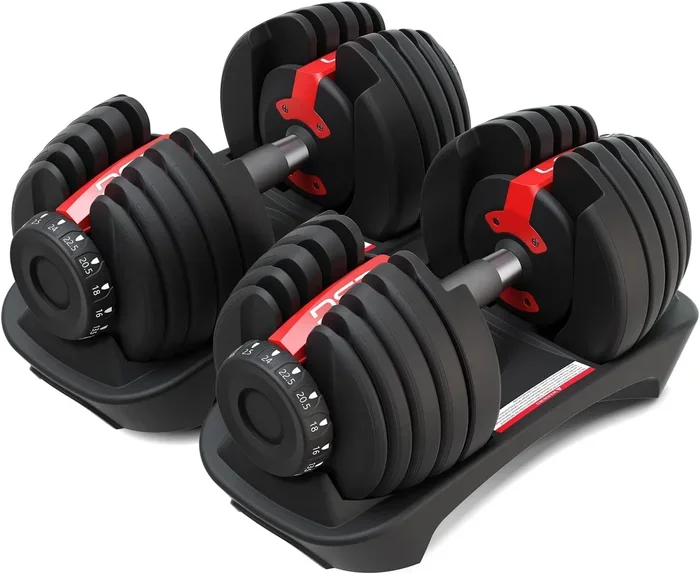
- Buy adjustable dumbbells for home: Adjustable sets let you change weight quickly and save space.
- Ask a trainer for help: If you are unsure, a few minutes with a certified trainer can set you on the right path.
- Consider your grip: If your grip tires before your muscles do, the weight might be too heavy or you may need lifting straps.
How Often Should You Train with Dumbbells?
Choosing the right weight matters, but how often you train matters just as much. Most beginners benefit from training each muscle group 2 to 3 times per week. This frequency allows enough stimulus for growth while giving muscles time to recover.
If you are new to dumbbell training, start with 2 to 3 full-body sessions per week. As you get stronger, you can move to a split routine that targets different muscle groups on different days. For guidance on frequency, check out how many times should I lift dumbbells a week for a detailed training schedule.
Rest is just as important as the weight you choose. Muscles grow and repair during rest, not during the workout. Make sure you are getting at least 48 hours between training the same muscle group. Sleep well, eat enough protein, and stay consistent. These habits matter just as much as picking the right dumbbell weight.
Conclusion
So, how much weight should you use for dumbbells? The honest answer is that it depends on you. Your fitness level, your goals, the exercise you are doing, and how your body responds all factor into the equation. Start with a weight that feels manageable, focus on proper form, and use the last two reps rule to gauge if the weight is right.
Progress slowly and consistently. Add weight in small increments, track your workouts, and listen to your body. The right dumbbell weight is the one that challenges you without compromising your form or safety. Stay patient, stay consistent, and the results will follow. Pick up those dumbbells, find your starting weight, and get to work.
Frequently Asked Questions
How much weight should a beginner use for dumbbells?
Most beginners should start with 5 to 15 pounds for upper body exercises and 10 to 25 pounds for lower body exercises. The key is to start light and focus on learning proper form. You can always increase the weight as you get stronger and more comfortable with each movement.
How do I know if my dumbbell weight is too heavy?
If you cannot complete the full set with good form, the weight is too heavy. Signs include swinging the dumbbells, using momentum, rounding your back, or failing before the target rep range. When in doubt, choose a lighter weight and focus on controlled, deliberate movements.
Can I use the same dumbbell weight for every exercise?
No, different exercises require different weights. Compound movements like squats and rows use heavier dumbbells, while isolation exercises like curls and lateral raises work better with lighter weights. Adjust the load based on the muscle group and movement pattern.
How quickly should I increase my dumbbell weight?
Increase by the smallest increment available, usually 2.5 to 5 pounds per dumbbell. Only increase when you can complete all sets and reps with proper form and the last reps no longer feel challenging. This typically happens every 1 to 2 weeks for beginners.
What is the best rep range for dumbbell training?
It depends on your goal. For muscle building, aim for 8 to 12 reps. For strength, use 3 to 6 reps. For endurance and fat loss, go for 12 to 20 reps. Choose a weight that makes the last two reps of each set feel challenging but achievable.
Should I buy adjustable or fixed dumbbells for home use?
Adjustable dumbbells are a great choice for home use because they save space and money. You can change the weight quickly and work through a wide range of exercises. Fixed dumbbells are more durable but take up more space and require multiple pairs to cover different weight ranges.