How Much Weight Are the Dumbbells You Lift
Choosing the right weight for your dumbbells is the most important decision you make at the gym. Too light, and you won’t challenge your muscles. Too heavy, and you risk injury. This guide breaks down exactly how much weight are the dumbbells you lift should be based on your fitness level, goals, and body type. You will learn simple rules to pick the perfect weight every time.
Walking into a gym for the first time can feel overwhelming. Racks of dumbbells line the walls in every color and size. You grab one, lift it, and wonder — is this the right weight? You are not alone. Almost every beginner asks themselves this exact question. The truth is, how much weight are the dumbbells you lift matters more than you think. Picking the wrong weight can stall your progress or even cause injuries. This guide will walk you through everything you need to know. Let us break it down together.
Dumbbells are one of the most versatile pieces of gym workout equipment you can use. They target nearly every muscle group in your body. But the magic happens only when you choose the right weight. Too light, and your muscles do not get the stimulus they need. Too heavy, and your body compensates with bad form. The sweet spot is right in the middle — challenging but manageable. By the end of this article, you will know exactly how to find that sweet spot for yourself.
Key Takeaways
- Start light and progress slowly: Beginners should start with weights they can lift for 12-15 reps with good form.
- Your fitness level determines your weight: There are clear guidelines for beginners, intermediates, and advanced lifters.
- Form always comes before weight: Sacrificing form for heavier dumbbells leads to injuries.
- Different exercises need different weights: Your bicep curls will use lighter weights than your squats or chest presses.
- Progressive overload is key: Gradually increase weight to keep building strength over time.
- Age and body weight matter: Children and older adults need adjusted weight recommendations.
📑 Table of Contents
Understanding Dumbbell Weight Basics
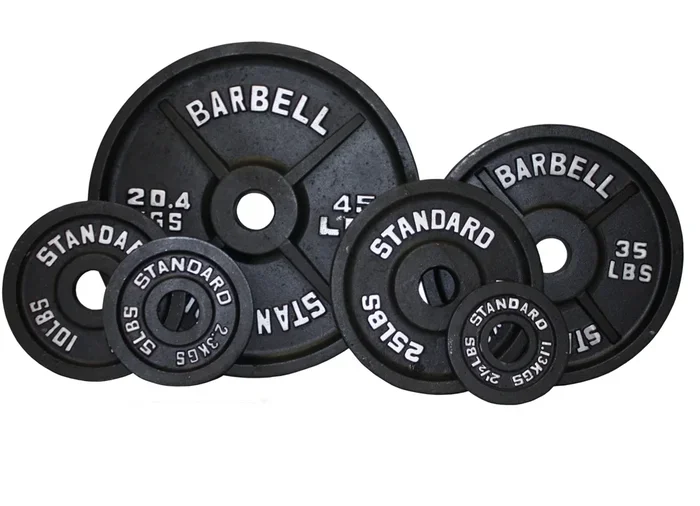
Before we dive into specific numbers, let us cover the fundamentals. Dumbbells come in a wide range of weights. A set might start at 2 pounds and go all the way up to 100 pounds or more. The weight you need depends on several factors. These include your current fitness level, the exercise you are doing, and your personal strength goals.
Here is a simple way to think about it. If you can barely complete a set, the weight is too heavy. If you finish your set feeling like you could do 20 more reps, the weight is too light. The ideal weight feels challenging by the last two or three repetitions. This concept is the foundation of progressive overload, which is essential for building strength.
Why the Right Weight Matters
Choosing the correct weight is not just about getting stronger. It is also about staying safe. Lifting weights that are too heavy too soon is one of the most common causes of gym injuries. Your joints, tendons, and ligaments need time to adapt. They strengthen more slowly than your muscles do. Giving them time to catch up is critical.
On the other hand, lifting weights that are too light will not produce results. Your muscles need a reason to grow. That reason is resistance. If the resistance is too low, your muscles have no incentive to change. This is why understanding dumbbell weight recommendations is so important.
How to Choose the Right Dumbbell Weight
So how do you actually pick the right weight? The process is simpler than you might think. Start by considering your experience level. If you are brand new to weight training for beginners, start light. Really light. You should be able to complete 12 to 15 repetitions with good form. If you cannot do at least 10 reps, the weight is too heavy.
Next, think about the specific exercise. Different movements use different muscle groups. A dumbbell chest press will allow heavier weights than a dumbbell lateral raise. Your larger muscle groups — chest, back, and legs — can handle more weight. Your smaller muscle groups — shoulders, arms, and calves — need lighter weights.
One of the best ways to determine your starting weight is to test yourself. Pick a weight, do 10 reps, and evaluate. Did the last two reps feel really hard but still doable? That is your sweet spot. If you struggled through all 10, go lighter next time. If the last two felt easy, go heavier.
The Talk Test
Here is a simple trick that works surprisingly well. During your set, try to speak a full sentence. If you can talk comfortably, the weight is probably too light. If you cannot speak at all, the weight might be too heavy. You want to be breathing hard but still able to squeeze out a word or two. This dumbbell weight guidelines approach takes the guesswork out of lifting.
Another useful method is the rate of perceived exertion scale. Think of it as a scale from 1 to 10. A 1 means almost no effort. A 10 means maximum effort. For most dumbbell exercises, you want to be working at a 6 or 7. You should feel challenged but not completely exhausted by the end of each set.
Dumbbell Weight Guidelines by Fitness Level
Not everyone starts at the same place. Your fitness level plays a huge role in determining the right weight. Here is a breakdown of what works for different experience levels.
Beginner Level
If you are just starting out, keep the weights modest. For upper body exercises like curls or presses, women might start with 5 to 10 pounds per dumbbell. Men might start with 10 to 20 pounds. For lower body exercises like goblet squats or lunges, you can go a bit heavier. The general rule for beginners is to focus on learning proper dumbbell exercises for beginners before chasing heavy numbers.
Remember, how much weight dumbbells should I lift for beginners depends on your body weight and fitness background. A person who is active in sports might start heavier than someone who has been sedentary. Listen to your body. It will tell you what is right.
Intermediate Level
After a few months of consistent training, you will notice the beginner weights feeling easier. That is a great sign. It means your muscles are adapting. At this stage, you can increase the weight by about 10 to 20 percent. For women, this might mean moving from 10 pounds to 15 pounds for curls. For men, it might mean going from 20 pounds to 30 pounds.
Intermediate lifters should also start experimenting with different rep ranges. Lower reps with heavier weights build strength. Higher reps with lighter weights build endurance. A balanced dumbbell workout plan includes both approaches.
Advanced Level
Advanced lifters can handle significantly heavier weights. However, the same principles still apply. Form comes first. Heavy weights should only be used when you can maintain proper technique throughout every rep. Advanced athletes often use periodization, which means cycling through different weights and rep ranges over weeks and months.
At this level, having a structured program becomes essential. Randomly picking weights each workout will not produce consistent results. Following a plan with clear strength training tips will help you continue making progress without hitting plateaus.
Common Mistakes When Choosing Dumbbell Weight
Even experienced lifters make mistakes when selecting their weights. Being aware of these pitfalls can save you a lot of frustration and prevent injuries.
Ego Lifting
This is the number one mistake. Ego lifting means choosing a weight based on what impresses others rather than what works for your body. You see someone nearby lifting a heavy weight, and suddenly you want to match them. Resist this urge. The weight that works for someone else might be completely wrong for you. Your body is unique. Respect its current limits.
Skipping Warm-Ups
Jumping straight into heavy dumbbells without warming up is a recipe for disaster. Your muscles need blood flow and preparation before handling resistance. Start each session with 5 to 10 minutes of light cardio. Follow that with a few warm-up sets using lighter weights. This simple step dramatically reduces your risk of strains and tears.
Ignoring Muscle Imbalances
Most people have one side of their body that is slightly stronger than the other. This is completely normal. However, if you always lift the same weight on both sides, the weaker side will fall further behind. Use dumbbell exercises because they force each arm to work independently. If your left arm struggles with a weight your right arm handles easily, reduce the weight until both sides are balanced.
Tips for Progressive Weight Increase
Once you find your starting weight, the next step is to increase it over time. This is called progressive overload, and it is the engine behind every strength gain. Without it, your muscles have no reason to grow stronger.
Here is how to do it safely. Increase the weight by no more than 5 to 10 percent at a time. So if you are curling 10-pound dumbbells comfortably for 15 reps, try 12 pounds next session. Keep the same number of reps. If you can still complete them with good form, the new weight is working.
Do not increase every single workout. Give your body time to adapt. A good rule of thumb is to increase the weight every two to four weeks. Track your workouts in a notebook or app. Write down the weight, reps, and how the set felt. Over time, you will see a clear pattern of progress.
Also, remember that some exercises should always use lighter weights. Exercises that target small stabilizing muscles — like the rotator cuff in your shoulder — need lighter dumbbells. These muscles help prevent injuries and improve your overall performance in heavier lifts. Neglecting them is a shortcut to nowhere good.
Final Thoughts
Finding the right weight for your dumbbells is a skill. It takes practice, patience, and honesty with yourself. The question of how much weight are the dumbbells you lift does not have a single answer for everyone. It changes as your body changes. It shifts with each new exercise you try. But once you understand the basic principles, it becomes second nature.
Start where you are. Use weights that challenge you without breaking your form. Increase gradually and consistently. And most importantly, enjoy the process. Strength training is a journey, not a destination. Every workout you complete brings you closer to your goals. Trust the process, and the right weights will reveal themselves over time.
If you are unsure about where to begin, consider consulting a certified personal trainer for a session or two. They can assess your form and give you personalized dumbbell weight recommendations. Even one session can set you on the right path. The investment in proper guidance pays off enormously in the long run.
Now that you understand the principles, head to the gym with confidence. Pick up those dumbbells with purpose. Know exactly what weight will push you forward without holding you back. Your stronger self is waiting on the other side of that next set.
Frequently Asked Questions
How do I know if my dumbbell weight is too light?
If you can easily complete all your sets and reps without breaking a sweat, the weight is probably too light. You should feel challenged by the last two or three reps of each set. If the workout feels too easy, it is time to increase the weight slightly.
Can I use the same dumbbell weight for every exercise?
No, different exercises target different muscle groups. Your larger muscles can handle heavier weights than your smaller ones. For example, you will use heavier weights for squats than for lateral raises. Adjust the weight based on the specific exercise and the muscles being worked.
How quickly should I increase my dumbbell weight?
Increase the weight gradually, by no more than 5 to 10 percent at a time. A good pace is every two to four weeks, depending on your fitness level. Rushing the process increases your risk of injury and can compromise your form.
What is the best weight for a beginner woman starting with dumbbells?
Most beginner women start with 5 to 10 pounds for upper body exercises and 10 to 20 pounds for lower body exercises. However, the best starting weight depends on your current fitness level and exercise experience. Focus on mastering proper form first.
Should I lift heavy dumbbells every day?
No, your muscles need time to recover after heavy workouts. Lifting heavy every day can lead to overtraining and injury. Most beginners benefit from strength training 2 to 3 times per week, with rest days in between sessions.
How does body weight affect the right dumbbell weight?
Heavier individuals generally have more strength capacity and can lift heavier dumbbells. Lighter individuals may need to start with lighter weights. However, fitness level and training experience matter just as much as body weight when determining the right dumbbell size.