How Much Protein Is Actually in a Whole Chicken Breast
A whole chicken breast packs roughly 54 grams of protein per cooked serving, making it one of the top sources of lean protein available. Whether you eat it raw, grilled, baked, or boiled, the protein content shifts slightly depending on preparation and size. Understanding these numbers helps you plan meals that truly fuel your fitness goals.
Chicken breast is one of the most popular protein sources in the world. Athletes, dieters, and everyday fitness enthusiasts all reach for it because it is simple, versatile, and packed with nutrition. But exactly how much protein is actually in a whole chicken breast? The answer depends on a few key factors that many people overlook.
In this guide, we break down the protein content of chicken breast in clear, easy-to-understand terms. You will learn the difference between raw and cooked breast, how preparation methods change the numbers, and how much you should eat to hit your daily goals. By the end, you will have everything you need to make chicken breast work harder for your diet and your fitness journey.
Key Takeaways
- A single cooked chicken breast delivers about 54 grams of protein, making it a powerhouse for muscle repair and growth.
- Raw chicken breast contains slightly more protein per gram than cooked because cooking causes moisture loss and concentrates the nutrients differently.
- Boneless, skinless chicken breast is the leanest option, with minimal fat and maximum protein per calorie.
- Cooking method matters: grilling, baking, and boiling retain more protein than deep frying, which adds unnecessary fat.
- Eating 1 to 1.5 chicken breasts daily can easily meet most people’s protein needs for weight loss or muscle building.
- Pair chicken breast with the right carbs and fats for balanced meals that support sustained energy and recovery.
📑 Table of Contents
- Understanding Chicken Breast Protein Content
- Chicken Breast Protein by Preparation Method
- Chicken Breast Protein vs Other Common Sources
- How Much Chicken Breast Should You Eat Per Day?
- Tips to Maximize Protein Absorption from Chicken Breast
- Common Mistakes People Make with Chicken Breast Protein
- Chicken Breast Protein and Fitness Goals
- Final Thoughts on Chicken Breast Protein
Understanding Chicken Breast Protein Content
When we talk about protein in chicken breast, the numbers can vary based on size, cut, and whether the breast has skin or bones. Let us look at the most common measurements so you know exactly what to expect.
Protein in a Raw Chicken Breast
A raw, boneless, skinless chicken breast typically weighs around 170 grams (about 6 ounces). In its raw state, this piece of chicken contains roughly 31 grams of protein and about 165 calories. The protein content per 100 grams of raw chicken breast sits at approximately 23 grams.
Raw chicken breast is an excellent source of complete protein, meaning it provides all nine essential amino acids your body needs but cannot produce on its own. This makes it a perfect food for muscle recovery after a tough workout session.
Protein in a Cooked Chicken Breast
Once you cook a chicken breast, the weight drops due to moisture loss. A cooked boneless, skinless breast usually weighs around 115 grams and contains about 54 grams of protein. That is a big jump in protein density compared to raw.
Cooking does not destroy protein. Instead, it removes water, which concentrates the protein content per gram. This is why many nutrition labels list higher protein per serving for cooked chicken than raw. If you are tracking macros, always weigh your chicken after cooking for the most accurate numbers.
How Size Changes the Protein Numbers
Not all chicken breasts are the same size. A small breast might weigh 115 grams raw, while a large one can reach 225 grams or more. Here is a quick breakdown:
- Small breast (115g raw): About 26 grams of protein
- Medium breast (170g raw): About 31 grams of protein
- Large breast (225g raw): About 42 grams of protein
- Extra-large breast (280g raw): About 52 grams of protein
These numbers give you a solid baseline. Keep in mind that bone-in, skin-on breasts will have slightly lower protein per gram because the bones and skin add weight without adding much protein.
Chicken Breast Protein by Preparation Method
How you cook your chicken breast affects both the flavor and the nutritional profile. Some methods preserve protein better than others, and some add extra calories that might not align with your goals.
Grilling Chicken Breast
Grilling is one of the best ways to prepare chicken breast for high protein intake. It removes excess fat without adding extra oils or breading. A grilled chicken breast retains nearly all of its original protein content, making it a top choice for lean muscle building.
Many people enjoy grilled chicken because it develops a nice smoky flavor. You can season it simply with salt, pepper, and herbs, or use a light marinade to keep it juicy during the cook.
Baking and Roasting
Baking chicken breast in the oven is another excellent option. It cooks evenly and requires minimal hands-on time. A baked chicken breast at 375°F for 20 to 25 minutes keeps its protein intact and adds no extra fat from cooking oils.
One tip: do not overcook baked chicken. Dry chicken is still high in protein, but it is much less enjoyable to eat. Use a meat thermometer and pull the breast out when it reaches 165°F internally.
Boiling and Poaching
Boiling or poaching chicken breast is a gentle cooking method that preserves protein well. This approach is popular in meal prep because it produces tender, shreddable chicken that works great in salads, wraps, and bowls.
The liquid you boil the chicken in does not steal away the protein. The protein stays locked inside the meat. However, if you discard the broth, you miss out on any additional nutrients that may have leached into the water.
Frying and Breaded Options
Fried or breaded chicken breast, like what you find at fast food restaurants, adds significant fat and calories. The protein content remains similar, but the overall calorie count jumps dramatically. A breaded fried chicken breast can carry an extra 150 to 250 calories from fat alone.
If you love the taste of fried chicken, consider using an air fryer with a light coating of breadcrumbs. You get a crispy texture with far fewer calories and much less added fat.
Chicken Breast Protein vs Other Common Sources
Chicken breast is a strong contender in the protein world, but how does it stack up against other popular options? Let us compare it to a few common protein sources people eat every day.
For those who also use supplements, many turn to a barbell protein bar for convenience. These bars typically offer around 20 to 30 grams of protein per serving, which is less than a single chicken breast. However, they are portable and require zero preparation, making them useful for on-the-go nutrition.
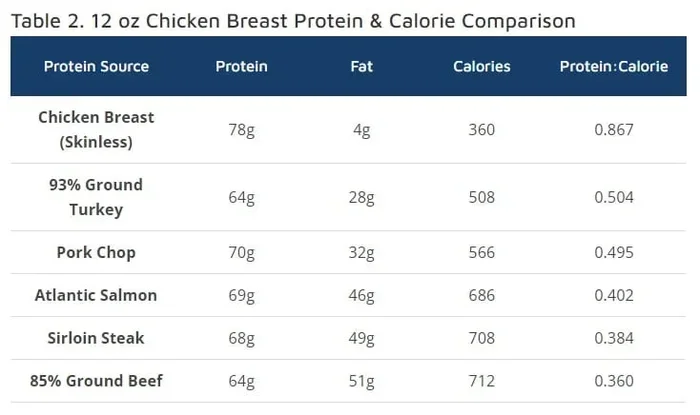
When you compare whole food protein sources, chicken breast stands out for its balance of high protein and low fat. Here is a quick side-by-side look at protein per cooked serving:
- Chicken breast (170g cooked): 54 grams of protein
- Salmon fillet (170g cooked): 34 grams of protein
- Lean ground beef (170g cooked): 35 grams of protein
- Eggs (3 large): 19 grams of protein
- Greek yogurt (1 cup): 20 grams of protein
- Tofu (170g firm): 18 grams of protein
As you can see, chicken breast delivers more protein per serving than most whole food options. It also has a lower fat content than beef and salmon, which makes it ideal for people focused on cutting calories while maintaining muscle mass.
If you are also training with equipment like a standard barbell for compound lifts, protein from chicken breast supports the recovery your muscles need after heavy sessions. Pairing your gym work with proper nutrition creates the foundation for real progress.
How Much Chicken Breast Should You Eat Per Day?
The right amount of chicken breast for you depends on your body weight, activity level, and fitness goals. Let us walk through the common scenarios so you can find your sweet spot.
For Muscle Building
If your goal is to build muscle, aim for about 1.6 to 2.2 grams of protein per kilogram of body weight each day. For a 180-pound person, that translates to roughly 130 to 180 grams of protein daily. Eating one to two chicken breasts per day can cover a big chunk of that target.
Many people find it helpful to spread their protein intake across three to five meals throughout the day. This approach keeps muscles fed with amino acids consistently, which supports better recovery and growth. A chicken breast at lunch and another at dinner is a simple and effective strategy.
For Weight Loss
Chicken breast is a dream food for weight loss because it is high in protein but low in calories. Protein helps you feel full longer, which naturally reduces the urge to snack between meals. Eating one chicken breast per meal as part of a calorie-controlled diet can help you lose fat while preserving lean muscle.
Combine your chicken meals with plenty of vegetables and whole grains for balanced nutrition. This keeps your meals satisfying and ensures you get a wide range of vitamins and minerals.
For General Health and Maintenance
If you are not trying to build muscle or lose weight, eating chicken breast a few times per week still offers excellent health benefits. It provides essential B vitamins, selenium, and niacin, all of which support energy metabolism and immune function.
For those who also enjoy kettlebell training, a 1 pood kettlebell workout pairs well with a protein-rich diet. Chicken breast helps replenish the protein your muscles need after explosive, full-body movements.
Tips to Maximize Protein Absorption from Chicken Breast
Eating chicken breast is one thing. Making sure your body actually absorbs and uses all that protein is another. Here are some practical tips to get the most out of every meal.
Eat Protein First at Each Meal
Starting your meal with the protein source before moving to carbs and fats can improve digestion and absorption. Your body prioritizes protein when it enters an empty stomach, which means more amino acids get put to work repairing muscle tissue.
Pair Chicken with Vitamin-Rich Vegetables
Vitamin B6, found in foods like chicken breast, works better when paired with vegetables rich in magnesium and zinc. Think bell peppers, spinach, and broccoli. These nutrients support the enzymatic processes that break down and absorb protein efficiently.
Do Not Overcook Your Chicken
Overcooked chicken becomes tough and dry, and while it still contains protein, it becomes harder to digest. Cooking to the proper internal temperature of 165°F ensures the protein stays bioavailable and easy for your body to use.
Spread Your Intake Throughout the Day
Your body can only absorb so much protein at one time. Research suggests that 20 to 40 grams per meal is the sweet spot for maximizing muscle protein synthesis. Eating a whole chicken breast in one sitting might mean your body cannot use every gram efficiently.
Common Mistakes People Make with Chicken Breast Protein
Even people who eat chicken breast regularly can make mistakes that undermine their protein goals. Here are a few to watch out for.
- Weighing chicken before cooking when tracking cooked nutrition: This leads to inaccurate macro counts because the weight changes during cooking.
- Removing all the fat without considering calories: Some fat in chicken breast helps absorb fat-soluble vitamins. A completely fat-free diet is not always better.
- Relying on chicken alone for protein variety: Eating the same protein source every day can lead to nutrient gaps. Rotate with fish, eggs, legumes, and dairy for a broader nutrient profile.
- Adding too many high-calorie sauces: A healthy grilled chicken breast can become a calorie bomb with heavy sauces, dressings, or glazes.
Chicken Breast Protein and Fitness Goals
Whether you are hitting the gym with a barbell for squats and deadlifts or working with a kettlebell for conditioning, chicken breast protein plays a critical role in your recovery. After intense training, your muscles need amino acids to repair and grow stronger.
Many fitness enthusiasts prepare their chicken breast in bulk at the start of the week. This meal prep strategy ensures you always have a high-protein meal ready, which makes it much easier to stick to your nutrition plan. A grilled chicken breast stored in the fridge can be added to salads, stir-fries, or eaten on its own with a simple seasoning.
The beauty of chicken breast is its versatility. You can season it any way you like, pair it with virtually any side dish, and eat it hot or cold. It fits seamlessly into almost any dietary approach, from high-protein bodybuilding diets to moderate-calorie balanced plans.
For those tracking their gym equipment investments alongside their nutrition, understanding how much a treadmill weighs in kg or what a treadmill costs in India matters for setting up a home gym. But nutrition remains the foundation. Without proper protein intake from sources like chicken breast, even the best gym setup will not deliver the results you want.
Final Thoughts on Chicken Breast Protein
The protein content in a whole chicken breast is impressive and well-supported by nutrition science. A single cooked breast delivers over 50 grams of high-quality, complete protein with minimal fat and calories. Whether you are eating it grilled, baked, boiled, or added to a meal prep container, chicken breast remains one of the most efficient protein sources available.
Understanding the numbers empowers you to make better food choices every day. You now know the difference between raw and cooked protein counts, how preparation methods affect nutrition, and exactly how much to eat based on your personal goals. Use this knowledge to build meals that truly support your health, your training, and your long-term success.
Keep it simple, keep it consistent, and let chicken breast do what it does best: fuel your body with clean, powerful protein every single day.
Frequently Asked Questions
How much protein is in a 6-ounce chicken breast?
A 6-ounce (170g) cooked chicken breast contains approximately 54 grams of protein. This makes it one of the single best protein-dense whole foods you can eat for muscle building and recovery.
Is chicken breast protein better than protein powder?
Whole food protein from chicken breast is generally superior because it comes with essential vitamins and minerals like B6, niacin, and selenium. Protein powder is convenient but lacks the full nutritional profile that whole food provides.
Does cooking chicken breast reduce its protein content?
No. Cooking does not destroy protein. However, cooking removes moisture, which concentrates the protein per gram. The total protein in the breast stays essentially the same before and after cooking.
How many chicken breasts should I eat to hit 100 grams of protein?
You would need to eat about two cooked chicken breasts (around 340g total) to reach 100 grams of protein. This is a solid amount for a high-protein meal plan focused on muscle maintenance or growth.
Can I eat chicken breast every day for protein?
Yes, eating chicken breast daily is safe and effective for most people. Just make sure to rotate your protein sources occasionally to get a wider range of nutrients and avoid dietary monotony.
Does the protein content differ between organic and regular chicken breast?
No. Organic and conventional chicken breasts have nearly identical protein content per serving. The main differences lie in farming practices and potential antibiotic or hormone exposure, not in the macronutrient profile.
=== CONCLUSION ===
Chicken breast remains one of the most protein-rich, affordable, and versatile foods you can add to your diet. With about 54 grams of protein per cooked serving, it effortlessly supports muscle building, weight management, and overall health. Understanding the numbers, preparation methods, and daily portions gives you full control over your nutrition.
Start applying these tips today. Weigh your chicken accurately, choose cooking methods that preserve protein, and pair it with balanced sides for complete meals. Whether you are a gym regular lifting a barbell or just starting your fitness journey, chicken breast protein will always be a reliable foundation for your nutrition plan.