How Much Jump Rope Should I Do a Day

Jump rope is a versatile, calorie‑torching workout that can fit any schedule. Whether you’re a beginner or a seasoned athlete, the right daily volume depends on your goals, fitness level, and recovery needs. Follow our guide to find the perfect minutes, sets, and intensity for your day.
Key Takeaways
- Start small: 5‑10 minutes a day is enough for beginners to build technique and avoid injury.
- Progress gradually: Add 1‑2 minutes each week until you reach 20‑30 minutes for general fitness.
- Goal‑specific volume: Fat loss needs 20‑30 minutes of moderate‑intensity; cardio endurance thrives on 30‑45 minutes of varied intensity.
- Listen to your body: Rest or active recovery days prevent overuse injuries.
- Quality over quantity: Proper form and consistent rhythm matter more than sheer minutes.
- Combine with strength: Pair rope sessions with 2‑3 strength workouts per week for balanced fitness.
- Track progress: Use a timer, app, or jump counter to monitor reps, sets, and heart‑rate zones.
📑 Table of Contents
- Introduction: Why Jump Rope Deserves a Spot in Your Daily Routine
- 1. Understanding the Core Variables
- 2. Setting Your Goal: Weight Loss, Cardio, or Skill?
- 3. Building a Daily Jump Rope Plan
- 4. Listening to Your Body: Rest, Recovery, and Injury Prevention
- 5. Tracking Progress and Staying Motivated
- Conclusion: Find Your Sweet Spot and Keep Moving
Introduction: Why Jump Rope Deserves a Spot in Your Daily Routine
Jump rope isn’t just a playground pastime. It’s a high‑intensity, low‑cost exercise that improves cardiovascular health, coordination, and bone density. One minute of rope can burn as many calories as running for the same amount of time, and you can do it in a living‑room, backyard, or gym. Because it’s so efficient, many people wonder, “How much jump rope should I do a day?” The answer isn’t one‑size‑fits‑all. It depends on your current fitness level, your goals, and how much time you can realistically commit.
In this article we’ll break down the science, share practical daily plans, and give you tools to customize your rope routine. By the end, you’ll know exactly how many minutes, sets, and reps will help you get stronger, leaner, and more energetic—without burning out.
1. Understanding the Core Variables
Time vs. Reps vs. Intensity
When you ask how much rope to do, three variables come into play:

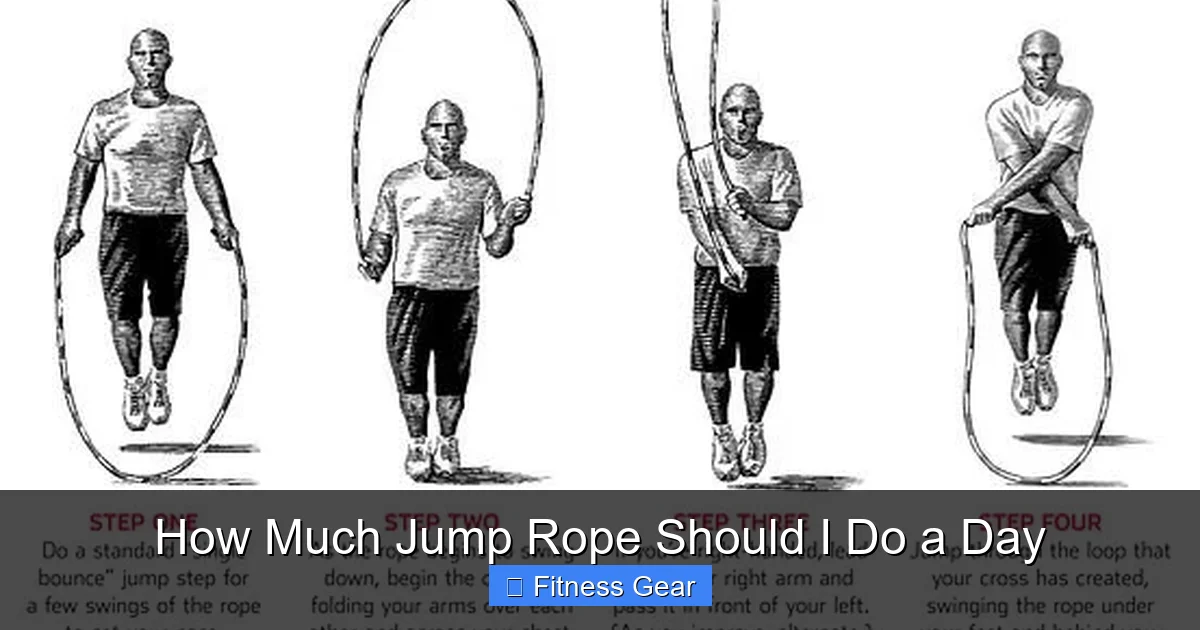
Visual guide about How Much Jump Rope Should I Do a Day
Image source: static.wixstatic.com
- Time: Total minutes you spend jumping each day.
- Reps: The number of rope rotations you complete. Most jump rope apps count a “rep” as one full turn of the rope.
- Intensity: How fast you’re moving (measured in jumps per minute or heart‑rate zones).
For beginners, time is the easiest metric. As you progress, you’ll start tracking reps and intensity to fine‑tune your workouts.
Why Intensity Matters
Higher intensity (fast‑paced or interval work) spikes your heart rate, burns more calories, and improves VO₂ max. Lower intensity (steady, moderate pace) is great for building endurance and mastering technique. Mixing both gives the best overall results.
2. Setting Your Goal: Weight Loss, Cardio, or Skill?
Goal #1 – Fat Loss
For weight loss, the key is calorie burn and after‑burn (EPOC). Aim for 20‑30 minutes of moderate‑to‑high intensity rope 5‑6 days a week. Break it into 4‑5 minute intervals with 30‑second rest periods to keep the heart rate in the 70‑85% of max zone.
Visual guide about How Much Jump Rope Should I Do a Day
Image source: lh5.googleusercontent.com
Goal #2 – Cardiovascular Endurance
If you’re training for a race or just want a stronger heart, work up to 30‑45 minutes of varied intensity. Include longer steady‑state segments (10‑15 minutes) mixed with short bursts (30‑45 seconds) at near‑max effort.
Goal #3 – Skill & Coordination
Beginners or those focusing on tricks (double‑unders, criss‑crosses) should limit sessions to 5‑15 minutes. Practice specific footwork drills for 2‑3 minutes each, then finish with a short cardio burst.
3. Building a Daily Jump Rope Plan
Step‑by‑Step Progression for Beginners
- Week 1: 5 minutes total (2‑minute warm‑up, 3 minutes of easy jumps). Focus on form—keep elbows in, wrists turning rope, and land softly.
- Week 2‑3: Add 2 minutes each session, aiming for 7‑9 minutes. Introduce 30‑second intervals (30 seconds fast, 30 seconds easy).
- Week 4‑6: Reach 15 minutes total. Include 3‑4 interval sets of 45 seconds fast, 15 seconds rest.
- Week 7‑8: Expand to 20‑25 minutes. Add a skill drill (e.g., single‑leg hops) for 2‑3 minutes.
Intermediate to Advanced Routine (20‑45 Minutes)
Use a “pyramid” structure to keep things interesting:

Visual guide about How Much Jump Rope Should I Do a Day
Image source: i.pinimg.com
- Warm‑up: 3 minutes easy jump.
- Round 1: 1 minute fast, 30 seconds rest.
- Round 2: 2 minutes moderate, 30 seconds rest.
- Round 3: 3 minutes fast, 30 seconds rest.
- Round 4: 2 minutes moderate, 30 seconds rest.
- Round 5: 1 minute fast, 30 seconds rest.
- Cool‑down: 2‑3 minutes light footwork or walking.
This totals about 15‑18 minutes of actual rope work, but you can repeat the pyramid once or twice for a longer session.
Sample Weekly Schedule
| Day | Activity | Duration |
|---|---|---|
| Monday | Interval Rope + Core | 20 min |
| Tuesday | Strength (upper body) | 30 min |
| Wednesday | Steady‑State Rope | 25 min |
| Thursday | Rest or Light Yoga | — |
| Friday | Skill‑Focused Rope | 15 min |
| Saturday | Full‑Body Circuit + Rope | 30 min |
| Sunday | Active Recovery (walk, swim) | — |
4. Listening to Your Body: Rest, Recovery, and Injury Prevention
Common Jump Rope Injuries
Overuse can cause shin splints, Achilles tendonitis, or knee pain. The main culprits are:
- Landing too heavily.
- Using a rope that’s too heavy or too long.
- Skipping warm‑up or cool‑down.
Recovery Strategies
- Active recovery: Light jogging or brisk walking on off‑days.
- Foam rolling: Spend 2‑3 minutes on calves, quads, and shins.
- Stretching: Dynamic stretches before rope; static stretches after.
- Footwear: Choose low‑profile, cushioned shoes with good lateral support.
When to Take a Rest Day
If you feel persistent soreness, a dip in performance, or unusual joint pain, take a full rest day. One rest day per week is enough for most people; athletes training at high volume may need two.
5. Tracking Progress and Staying Motivated
Tools to Measure Your Work
- Jump rope apps: Record reps, calories, and heart‑rate zones.
- Fitness watches: Provide real‑time HR data and VO₂ max estimates.
- Simple timer: Use a phone timer for interval work.
Setting Mini‑Goals
Instead of “jump more,” aim for “complete 150 double‑unders in one set” or “hold a 3‑minute steady pace at 150 bpm.” Mini‑goals keep you focused and give a sense of achievement.
Community and Accountability
Join a local jump rope class, follow a YouTube trainer, or post your daily minutes on social media. Sharing progress builds accountability and opens doors to new tricks.
Conclusion: Find Your Sweet Spot and Keep Moving
There’s no magic number that fits everyone, but the framework above helps you determine the right daily rope volume for your goals. Start with a manageable 5‑10 minutes, progress steadily, and listen to your body. Pair rope sessions with strength work and proper recovery, and you’ll reap the benefits of a stronger heart, leaner physique, and sharper coordination. So grab that rope, set a timer, and jump into a healthier you—one minute at a time.
Frequently Asked Questions
How many minutes of jump rope is enough for beginners?
Beginners should start with 5‑10 minutes per session, focusing on proper form and gradual progression.
Can I do jump rope every day?
Yes, as long as you keep intensity moderate and include at least one light‑recovery or rest day each week to avoid overuse injuries.
What’s the best rope length for my height?
Stand on the middle of the rope; the handles should reach about chest level. Typically, a 9‑ft rope works for most adults under 6 ft tall.
Should I count reps or minutes?
For beginners, minutes are simpler. As you advance, tracking reps and jumps per minute helps fine‑tune intensity.
How can I avoid shin splints from jumping?
Land softly on the balls of your feet, wear cushioned shoes, and incorporate calf stretches and foam rolling into your routine.
Is jump rope good for weight loss?
Absolutely. A 30‑minute high‑intensity rope session can burn 300‑450 calories, making it an efficient tool for fat loss when combined with a balanced diet.