How Much Is 200 Meters on a Treadmill

200 meters on a treadmill is a short but powerful distance that equals half a lap on a standard track. Whether you are training for sprints or testing your fitness, knowing this distance helps you plan workouts and track progress. This guide breaks down everything you need to know about running 200 meters indoors.
Have you ever wondered how much is 200 meters on a treadmill? It sounds like a simple question, but the answer opens up a world of training possibilities. Whether you are a beginner just starting your fitness journey or a seasoned runner sharpening your speed, 200 meters is a distance worth understanding inside and out.
This short distance packs a punch when it comes to workout benefits. It is long enough to challenge your cardiovascular system yet short enough to repeat many times in a single session. In this article, we will walk you through everything you need to know about this distance on your treadmill. You will learn what it means, how to set it up, how long it takes, and how to use it to level up your fitness.
The beauty of treadmill running is that you can control every variable. You set the speed. You set the incline. You track the distance down to the meter. So let us dive in and make sure you get the most out of every 200-meter session.
Key Takeaways
- 200 meters equals half a standard track lap: This is a common sprint distance used in track and field events.
- Treadmill distance settings are straightforward: Most treadmills display distance in miles or kilometers, making it easy to set 200 meters.
- Run time varies by fitness level: Beginners may take 45 to 90 seconds, while trained runners can finish in under 30 seconds.
- 200-meter sprints build speed and endurance: This short distance is excellent for interval training and cardiovascular conditioning.
- Speed matters more than distance here: Understanding your pace per 200 meters helps you improve over time.
- Treadmill running feels easier than outdoor running: The belt assists your stride, so indoor 200-meter times may differ from outdoor results.
📑 Table of Contents
What Does 200 Meters Mean on a Treadmill?
When your treadmill display reads 200 meters, it means you have covered 200 meters of belt travel. That is the same as half a standard outdoor track. On a 400-meter track, 200 meters is exactly one straightaway and one curve, or half the full loop.
Most treadmills measure distance in either miles or kilometers. To convert, 200 meters equals 0.124 miles or 0.2 kilometers. This is a very short distance, which makes it perfect for sprint training and high-intensity interval workouts.
Understanding this conversion helps you plan your sessions better. If your training plan calls for a 200-meter repeat, you now know exactly what to set on your machine. No guesswork. No confusion. Just clear, actionable numbers.
How Treadmills Measure Distance
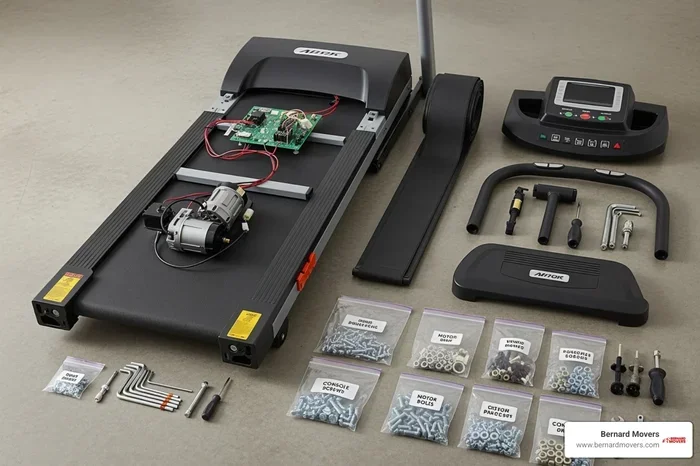
Treadmills calculate distance by counting belt rotations. Each time the belt completes a full rotation, the machine adds a set distance to your total. This is measured by the speed sensor on a treadmill, which tracks how fast the belt moves beneath your feet.
The accuracy of this measurement depends on a few factors. A well-maintained treadmill with a properly calibrated sensor will give you reliable readings. If your belt is worn or stretched, the distance readings might be slightly off. This is why regular maintenance matters for anyone serious about indoor running.
How to Set Up 200 Meters on Your Treadmill
Setting up a 200-meter run on your treadmill is simple. Most modern machines let you input a specific distance or use the metric display mode. Here is how to do it step by step.
- Switch to metric mode: Go to your treadmill settings and change the distance display from miles to kilometers or meters. This ensures you see the correct units.
- Start walking or jogging: Begin at a comfortable pace. You want to warm up before hitting your target distance.
- Watch the display: Keep an eye on the distance counter. When it hits 0.2 km or 200 meters, your session is complete.
- Use the stopwatch function: Many treadmills have a built-in timer. Start it when you begin and stop it at 200 meters to track your pace.
If your treadmill does not have a metric mode, you can use the mile setting instead. Running 0.124 miles gets you to 200 meters. Some machines may round this, so aim for close to that number.
For those who prefer visual cues, imagine the average distance on a treadmill of one mile. Two hundred meters is just a small fraction of that. Think of it as a quick burst of effort, not a long grind.
Quick Tip: Use the Incline for Added Challenge
Want to make your 200-meter run more challenging? Add a slight incline. A 6 percent incline on a treadmill mimics outdoor running conditions and engages more muscles. Even a 1 or 2 percent incline can make a noticeable difference in effort and calorie burn.
How Long Does It Take to Run 200 Meters?
The time it takes to cover 200 meters depends on your fitness level, running form, and treadmill speed. There is no single answer, but here are some general benchmarks to give you a clear picture.
| Fitness Level | Pace per 200 Meters | Approximate Time |
|---|---|---|
| Beginner Walker | 3.0 mph | 90 to 120 seconds |
| Intermediate Jogger | 5.0 to 6.0 mph | 40 to 60 seconds |
| Advanced Runner | 7.0 to 8.0 mph | 25 to 35 seconds |
| Elite Sprinter | 10.0+ mph | Under 20 seconds |
As you can see, the range is wide. A beginner walking at a slow pace will take much longer than an experienced sprinter. Both are perfectly valid. The goal is to improve your own time over weeks and months.
If you are curious about what pace feels right for you, check out what speed is considered jogging on a treadmill or what speed is a run on a treadmill. These resources help you find the sweet spot between comfort and challenge.
Why Your Treadmill Time May Differ from Outdoor Times
Many runners notice that their pace is slower on a treadmill compared to outdoor running, or sometimes faster. This depends on several factors. The treadmill belt moves beneath you, which reduces the effort needed to propel yourself forward. This can make indoor times feel easier.
On the other hand, the lack of wind resistance on a treadmill can make it feel harder to maintain speed over longer periods. The belt also encourages a shorter stride, which can affect your natural running mechanics. Understanding these differences helps you set realistic expectations for your 200-meter treadmill sprints.
200 Meters for Sprint Training
Sprint training is one of the most effective ways to boost your cardiovascular fitness and running economy. The 200-meter distance is a staple in track and field, and it translates perfectly to treadmill workouts.
Sprinting 200 meters on a treadmill is not just about speed. It is about teaching your body to recover quickly between bursts of effort. This type of interval training on a treadmill can improve your endurance, burn calories, and build lean muscle.
Sample 200-Meter Sprint Workout
Here is a simple treadmill workout you can try today:
- Warm up: Walk or jog at 3.0 mph for 5 minutes.
- Sprint: Set the treadmill to 8.0 to 10.0 mph and run 200 meters as fast as you can.
- Recover: Walk at 2.5 mph for 90 seconds.
- Repeat: Complete 6 to 10 sprints.
- Cool down: Walk at 2.5 mph for 5 minutes.
This workout takes about 25 to 30 minutes and delivers serious results. The short distance keeps each sprint manageable, while the recovery walks let your heart rate come down just enough to repeat the effort.
If you are wondering how this fits into your overall weight loss goals, treadmill workouts for weight loss often include short, intense bursts like this. The afterburn effect from sprinting means your body continues burning calories long after you step off the belt.
Common Mistakes to Avoid
Sprinting on a treadmill requires caution. Here are mistakes to avoid:
- Skipping the warm-up: Cold muscles are injury-prone. Always start with a light walk or jog.
- Setting the speed too high too fast: Build up gradually. Start at a pace you can handle and increase over time.
- Holding onto the handrails: This changes your running form and reduces the effectiveness of the workout.
- Ignoring the cool-down: Stopping abruptly can cause dizziness. Always walk it out for a few minutes.
How 200 Meters Compares to Other Treadmill Distances
To put 200 meters in perspective, it helps to compare it to other common treadmill distances. This gives you a better sense of scale and helps you plan your workouts more effectively.
Distance Comparison Table
| Distance | Meters | Approximate Miles | Track Equivalent |
|---|---|---|---|
| 100 meters | 100 m | 0.062 miles | Quarter of a lap |
| 200 meters | 200 m | 0.124 miles | Half a lap |
| 400 meters | 400 m | 0.249 miles | One full lap |
| 800 meters | 800 m | 0.497 miles | Two laps |
| 1 mile | 1,609 m | 1.0 mile | Four laps |
As you can see, 200 meters is a small fraction of a mile. But do not let that fool you. Short distances, when repeated with intensity, can deliver major fitness gains. Many effective treadmill workouts rely on repeating short distances like 200 meters or 400 meters to build speed and stamina.
If you are interested in longer treadmill distances, check out how many steps is 2 miles on a treadmill or how many miles is 10,000 steps on a treadmill. These articles help you understand the bigger picture of treadmill distance tracking.
Tips for Getting the Most Out of Your 200-Meter Runs
Now that you understand the distance and its benefits, here are practical tips to maximize every session.
- Focus on form: Keep your posture upright, arms relaxed, and strides natural. Good form prevents injury and improves efficiency.
- Use the right shoes: Running shoes with proper cushioning support your joints during high-speed treadmill work.
- Track your progress: Write down your times after each session. Seeing improvement over weeks keeps you motivated.
- Mix up the incline: Changing the incline every few sprints adds variety and targets different muscle groups.
- Stay hydrated: Even short workouts cause fluid loss. Keep water nearby and sip between sprints.
- Listen to your body: If something feels off, slow down. Pushing through pain leads to injuries that sideline your progress.
Expert Insight: Why Short Distances Matter
Many runners focus only on long, slow distance. But short-distance training like 200-meter sprints plays a crucial role in building overall fitness. It improves your anaerobic capacity, boosts your metabolism, and makes longer runs feel easier. A well-rounded treadmill routine includes both long and short efforts.
The treadmill weight limit and belt durability also play a role in your training. Make sure your machine is built to handle the speeds and impacts of sprint workouts. A sturdy treadmill gives you confidence to push your limits safely.
Quick Tips for Beginners
- Start with walking 200 meters, then add jogging intervals.
- Use the treadmill’s preset workout programs if available.
- Set small goals, like improving your time by 2 seconds each week.
- Pair your treadmill sessions with walking on a treadmill to lose weight for balanced fitness.
- Remember that how much time on a treadmill to lose weight depends on consistency, not just speed.
Conclusion
How much is 200 meters on a treadmill? It is half a track lap, a quarter of a mile, and a powerful tool for your fitness routine. This short distance offers big benefits when used correctly. From sprint training to cardiovascular conditioning, 200 meters on your treadmill can take your fitness to the next level.
The key is consistency and smart progression. Start at a comfortable pace, track your times, and gradually increase the intensity. With each session, you will get faster, stronger, and more confident on that treadmill belt.
Now that you have all the information you need, it is time to lace up your shoes and hop on the treadmill. Set that distance to 200 meters, hit start, and feel the difference. Your fitness journey is just one sprint away.
Frequently Asked Questions
Is 200 meters a good distance for beginners?
Yes, 200 meters is an excellent starting point for beginners. The short distance means you can complete it without exhaustion. You can walk or jog the 200 meters and gradually build up to sprinting as your fitness improves.
How many 200-meter sprints should I do in one workout?
For beginners, 4 to 6 sprints are a great starting point. Intermediate runners can aim for 8 to 10. Advanced athletes may do 12 or more, depending on their training plan. Always include a proper warm-up and cool-down.
Does running 200 meters on a treadmill burn a lot of calories?
While 200 meters alone burns a small number of calories, the intensity of sprinting creates an afterburn effect. This means your body continues burning calories at an elevated rate for hours after your workout. Combined with a healthy diet, this supports weight loss goals.
Can I do 200-meter repeats every day?
It is best to allow rest days between intense sprint sessions. Doing 200-meter repeats every day can lead to overtraining and injury. Aim for 2 to 3 sprint sessions per week with recovery days in between.
What is the best treadmill speed for a 200-meter run?
The best speed depends on your fitness level. Beginners should start at 5.0 to 6.0 mph. Intermediate runners can use 7.0 to 8.0 mph. Advanced runners and sprinters may go 9.0 mph or higher. Find a pace that challenges you without compromising form.
How does a 200-meter treadmill run compare to outdoor running?
Treadmill running is slightly different from outdoor running. The belt assists your stride, which can make the effort feel easier. Outdoor running includes wind resistance and terrain changes. Both are valuable, and using both in your training routine provides the best results.