How Much Does a Non Olympic Barbell Weigh
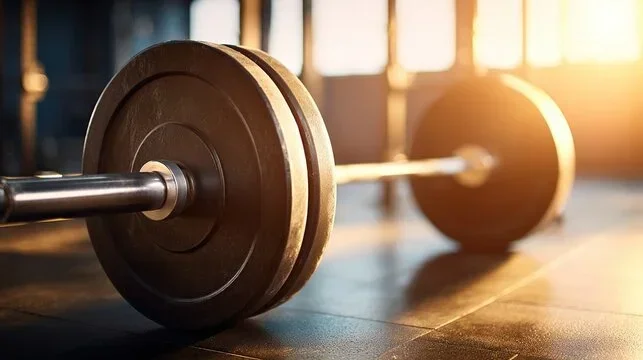
A non Olympic barbell typically weighs between 15 and 25 pounds, depending on its size and material. Unlike Olympic bars, these bars use a 1-inch diameter sleeve and are built for home gyms and lighter training. Knowing the non Olympic barbell weight helps you plan your workouts and track progress accurately.
When you walk into a gym or shop for home equipment, one question keeps popping up: how much does a non Olympic barbell weigh? It sounds simple, but the answer depends on several factors. The bar’s length, material, and design all play a role. Whether you are a beginner setting up a home gym or a seasoned lifter looking to expand your collection, knowing the weight of your bar is essential.
A non Olympic barbell is not just a cheaper version of an Olympic bar. It has its own unique specs, uses, and benefits. Many people assume all barbells weigh the same, but that is far from true. In this guide, we break down everything you need to know about non Olympic barbell weight. By the end, you will feel confident picking the right bar for your training goals.
Key Takeaways
- Standard Weight: Most non Olympic barbells weigh between 15 and 25 pounds, with the 6-foot bar being the most common.
- 1-Inch Sleeves: Non Olympic bars use a 1-inch diameter sleeve, which fits standard weight plates, not Olympic-sized 2-inch plates.
- Material Matters: Steel, chrome, and black oxide bars all have slightly different weights and durability levels.
- Load Capacity: Non Olympic barbells generally handle less weight than Olympic bars, usually between 100 and 300 pounds total.
- Home Gym Friendly: These bars are affordable, compact, and perfect for beginners or casual lifters.
- Check Specs Before Buying: Always verify the bar weight and plate compatibility before purchasing.
📑 Table of Contents
- What Is a Non Olympic Barbell?
- How Much Does a Non Olympic Barbell Weigh?
- Materials Used in Non Olympic Barbells
- Standard Barbell Weights in Kg and Lbs
- Who Should Use a Non Olympic Barbell?
- Common Mistakes When Choosing a Non Olympic Barbell
- Tips for Getting the Most Out of Your Non Olympic Barbell
- Final Thoughts
What Is a Non Olympic Barbell?
A non Olympic barbell is a straight barbell that uses 1-inch diameter sleeves instead of the 2-inch sleeves found on Olympic bars. This difference matters a lot when it comes to the plates you can use. Standard 1-inch plates slide onto a non Olympic bar, while Olympic plates require a larger sleeve opening.
These bars are commonly found in home gyms, budget fitness setups, and smaller commercial gyms. They are simpler in design and more affordable than Olympic bars. The non Olympic barbell is perfect for general strength training, toning, and light to moderate lifting. It is not typically built for explosive Olympic lifts like cleans or snatches.
Key Differences From Olympic Barbells
There are a few big differences between a non Olympic barbell and an Olympic barbell. First, the sleeve size. Olympic bars use 2-inch sleeves, while non Olympic bars use 1-inch sleeves. Second, the barbell weight itself. Olympic bars tend to weigh around 45 pounds, while non Olympic bars are much lighter. Third, the whip and rotation. Olympic bars are designed to rotate and flex, which helps with dynamic lifts. Non Olympic bars are stiffer and more rigid.
Another difference is the load capacity. Non Olympic bars usually handle less total weight. This makes them great for beginners but less ideal for advanced powerlifters. If you are just starting out, a non Olympic barbell is a smart and practical choice.
How Much Does a Non Olympic Barbell Weigh?
The weight of a non Olympic barbell varies based on its length and construction. Most commonly, these bars weigh somewhere between 15 and 25 pounds. The standard 1 inch barbell weight falls in this range, making it easy to calculate your total lifting weight. Always check the manufacturer’s specs before adding plates.
The most popular non Olympic bar is the 6-foot standard bar. This bar typically weighs around 18 to 20 pounds. It is the go-to choice for many home gym owners. If you want a shorter bar, such as a 5-foot option, the weight drops slightly. A 6 foot standard barbell is a great middle ground for most users.
Weight by Bar Length
Different lengths mean different weights. Here is a simple breakdown of common non Olympic barbell sizes and their approximate weights:
- 5-foot bar: Around 15 to 18 pounds
- 6-foot bar: Around 18 to 22 pounds
- 7-foot bar: Around 20 to 25 pounds
These numbers are approximate. The actual non Olympic barbell weight can vary depending on the brand and material. Always check the product details before you buy. Knowing the bar weight helps you calculate your true one-rep max and track progress over time.
Why Bar Weight Matters
You might wonder why the bar weight matters so much. The answer is simple: accuracy. When you log your workouts, you need to know the total weight you are lifting. If you do not account for the bar weight, your numbers will be off. For example, if you load 100 pounds of plates on a 20-pound bar, you are actually lifting 120 pounds total.
This is especially important when you are following a program or trying to beat a personal record. The bar of a barbell weigh more than you might think, and even a few pounds can make a difference over time. Always include the bar weight in your calculations.
Materials Used in Non Olympic Barbells
The material of a non Olympic barbell affects its weight, durability, and feel. Not all bars are created equal, and the material plays a big role in performance. Let us look at the most common materials used in these bars.
Steel Bars
Steel is the most common material for a non Olympic barbell. It is strong, durable, and affordable. A standard steel bar will weigh in the middle of the range, usually around 18 to 22 pounds. Steel bars hold up well over time and can handle regular use without bending or breaking.
One downside of steel is that it can rust if not properly maintained. If you sweat a lot or live in a humid area, consider applying a light coat of oil after each use. This keeps the bar in good shape and extends its lifespan.
Chrome-Plated Bars
Chrome-plated bars look shiny and professional. They are also slightly heavier than plain steel bars because of the chrome coating. A chrome non Olympic barbell might weigh a pound or two more than an uncoated steel bar of the same length. The chrome finish also makes the bar easier to clean and more resistant to rust.
However, chrome can become slippery when your hands are sweaty. This is something to keep in mind if you do heavy pressing movements. A chalk or lifting strap can help improve your grip on a chrome bar.
Black Oxide Bars
Black oxide bars have a matte finish that looks sleek and modern. They are treated to resist corrosion and wear. The non Olympic barbell weight on a black oxide bar is very similar to a standard steel bar. These bars are a popular choice for home gyms because they look great and hold up well.
Black oxide bars also tend to be smoother than bare steel, which can be a plus for your wrists during high-rep sets. If you care about aesthetics and function, a black oxide non Olympic barbell is a solid option.
Standard Barbell Weights in Kg and Lbs
If you are used to working in kilograms, you will want to know the standard barbell weight in kg. Most non Olympic barbells weigh between 7 and 11 kilograms. The most common 6-foot bar sits right around 8 to 10 kg. This makes it easy to convert and plan your workouts if you follow a metric program.
Here is a quick comparison of common non Olympic barbell weights in both units:
- 15 lbs: About 6.8 kg
- 18 lbs: About 8.2 kg
- 20 lbs: About 9.1 kg
- 25 lbs: About 11.3 kg
Knowing both units is helpful, especially if you use online programs or watch international lifting videos. The non Olympic barbell weight in kg is always lower than in lbs, but the actual bar is the same. Keep a conversion chart handy if you switch between systems often.
Who Should Use a Non Olympic Barbell?
A non Olympic barbell is not for everyone, but it is perfect for a large group of lifters. Let us explore who benefits most from using this type of bar and why it might be the right fit for you.
Home Gym Users
If you have a home gym, a non Olympic barbell is a fantastic option. These bars are compact, affordable, and easy to store. They do not require a specialized Olympic weight plate set, which saves you money. A non Olympic barbell lets you perform squats, presses, rows, and curls without breaking the bank.
Home gym users often do not need the heavy load capacity of an Olympic bar. Most non Olympic bars handle up to 300 pounds of total weight, which is plenty for general fitness and moderate strength training. If your goals are building muscle, losing fat, or staying active, a non Olympic barbell will serve you well.
Beginners and Casual Lifters
Beginners benefit a lot from the simplicity of a non Olympic bar. The lighter bar weight makes it easier to learn proper form without being overwhelmed by a 45-pound Olympic bar. You can focus on technique and build confidence before moving to heavier equipment.
Casual lifters who train 2 to 3 times per week will also find a non Olympic barbell perfectly sufficient. You do not need fancy rotating sleeves or high-end knurling for basic strength work. A simple, reliable bar gets the job done.
Budget-Conscious Buyers
Non Olympic barbells are generally much cheaper than Olympic bars. A quality non Olympic bar can cost anywhere from 50 to 150 dollars, while Olympic bars often start at 200 dollars and go up from there. If you are watching your budget, a non Olympic barbell gives you great value for the price.
The savings also extend to plates. Standard 1-inch plates are typically less expensive than Olympic 2-inch plates. Over time, the cost difference adds up. A budget-friendly setup with a non Olympic barbell lets you build a solid gym without overspending.
Common Mistakes When Choosing a Non Olympic Barbell
Many people make avoidable mistakes when buying a non Olympic barbell. These mistakes can lead to frustration, wasted money, or even injury. Let us look at the most common pitfalls and how to avoid them.
Ignoring the Bar Weight
The biggest mistake is not accounting for the bar weight in your workouts. Some people only count the plates and forget about the bar itself. This throws off your tracking and makes it hard to measure progress. Always add the bar weight to your total. If you are unsure of the exact weight, check the non Olympic barbell specifications on the manufacturer’s website or product label.
Using the Wrong Plates
Non Olympic bars use 1-inch sleeves, which means you need 1-inch plates. Some people try to force Olympic 2-inch plates onto a standard bar. This does not work safely and can damage the bar or cause plates to slip off. Always match your plates to the correct sleeve size. If you are not sure about the difference, search for how much does a standard 1 inch barbell weigh to learn more about compatible equipment.
Overloading the Bar
Every bar has a weight limit. Non Olympic bars are not built to handle the same loads as Olympic bars. Exceeding the weight capacity can cause the bar to bend, crack, or break during a lift. This is dangerous and can lead to serious injury. Check the manufacturer’s rated capacity before you load up heavy plates. If you are planning to lift very heavy, an Olympic bar might be a better long-term investment.
Skipping the Knurl Check
The knurl is the textured grip pattern on the bar. Some non Olympic bars have shallow knurl marks, which makes gripping harder during heavy sets. Look for a bar with deep, well-defined knurl patterns if you plan to lift heavier weights. A good knurl improves safety and comfort, especially on pressing movements like bench press and overhead press.
Tips for Getting the Most Out of Your Non Olympic Barbell
Once you have your non Olympic barbell, you want to get the most out of it. These practical tips will help you train safely and effectively with your new equipment.
Always Warm Up With the Bar
Start every workout with a few warm-up sets using just the bar. This prepares your joints and muscles for heavier loads. It also gives you a chance to check the bar’s balance and feel. A non Olympic barbell that weighs around 20 pounds is perfect for warm-up sets before you add heavier plates.
Track Your Total Weight Accurately
Use a workout log or app to record the total weight for each set. Include the bar weight in every entry. Over time, this data helps you see your progress and make informed decisions about when to increase the load. Accurate tracking is one of the best tools for long-term strength gains.
Maintain Your Bar Regularly
Keep your bar clean and in good condition. Wipe it down after each use to remove sweat and chalk buildup. Check the sleeves for smooth rotation and the knurl for wear. A well-maintained non Olympic barbell lasts for years and performs consistently. If you notice any bending or damage, replace the bar before it becomes a safety issue.
Store It Properly
Do not leave your bar on the floor or leaning against a wall. Use a barbell rack or storage solution to keep it off the ground. This prevents rust, damage, and tripping hazards. Proper storage also keeps your gym space organized and ready for your next workout.
Final Thoughts
The non Olympic barbell weight is a key piece of information every lifter should know. Whether you are a beginner, a home gym owner, or someone on a budget, understanding your bar’s weight helps you train smarter and safer. Most non Olympic barbells weigh between 15 and 25 pounds, with the 6-foot bar being the most popular choice.
Remember to account for the bar weight in all your calculations. Choose the right material and length for your needs. And always match your plates to the correct sleeve size. A non Olympic barbell is a versatile, affordable, and reliable tool for building strength and improving fitness.
Now that you know the ins and outs of non Olympic barbell weight, you are ready to make a confident purchase or adjust your training plan. Start with the basics, stay consistent, and enjoy the journey. Your non Olympic barbell is ready to help you reach your goals.
Frequently Asked Questions
What is the standard weight of a non Olympic barbell?
Most non Olympic barbells weigh between 15 and 25 pounds. The exact weight depends on the bar’s length, material, and manufacturer. The most common 6-foot standard bar weighs around 18 to 22 pounds.
How is a non Olympic barbell different from an Olympic barbell?
A non Olympic barbell uses 1-inch diameter sleeves, while an Olympic barbell uses 2-inch sleeves. Non Olympic bars are also lighter, typically weighing 15 to 25 pounds, whereas Olympic bars weigh around 45 pounds. They serve different purposes and use different plate sizes.
Can I use Olympic weight plates on a non Olympic barbell?
No, Olympic plates have a 2-inch center hole that will not fit on a 1-inch sleeve. You need standard 1-inch plates for a non Olympic barbell. Using the wrong plates can be unsafe and damage your equipment.
How much weight can a non Olympic barbell hold?
Most non Olympic barbells can handle between 100 and 300 pounds of total weight, including the bar. Always check the manufacturer’s specifications for the exact weight capacity before loading heavy plates.
Is a non Olympic barbell good for beginners?
Yes, a non Olympic barbell is an excellent choice for beginners. The lighter bar weight makes it easier to learn proper form, and the lower cost makes it budget-friendly. It is perfect for home gym setups and general strength training.
Where can I find the exact weight of my non Olympic barbell?
Check the product specifications on the manufacturer’s website or the item label. If you bought it secondhand, search the model number online. You can also weigh the bar on a bathroom scale for a quick estimate of the non Olympic barbell weight.