How Many ML in a Cup and Why This Simple Conversion Matters
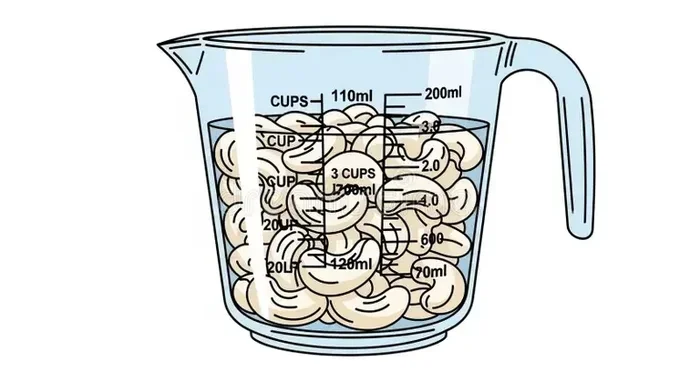
Knowing how many ml are in a cup is one of the simplest yet most useful skills you can learn in the kitchen. A standard US cup equals 240 ml, but this can vary depending on the country and the ingredient you are measuring. Whether you are baking a cake, tracking your hydration, or following a ml to cup conversion from a foreign recipe, understanding this basic measurement saves time and prevents costly mistakes.
Have you ever stared at a recipe and wondered, “How many ml in a cup?” You are not alone. This simple question comes up in kitchens all around the world every single day. Whether you are a beginner cook or a seasoned baker, knowing your ml to cup conversion makes life so much easier.
The truth is, a cup is not always exactly the same everywhere. Different countries use different standards. And when you are trying to follow a recipe to the letter, even a small difference can change the outcome. That is why understanding how many ml in a cup is such an important basic skill.
In this guide, we will walk you through everything you need to know. We will cover the exact numbers, why they differ, and how to measure like a pro. By the end, you will never second-guess a liquid conversion again.
Key Takeaways
- A US cup equals 240 ml, while a metric cup equals 250 ml — knowing the difference matters for accurate cooking.
- Measuring liquids and dry ingredients require different tools and techniques, even when the volume is the same.
- Conversion charts and kitchen scales make switching between ml and cups effortless and precise.
- Small measurement errors can ruin recipes, especially in baking where ratios are critical.
- Understanding ml in a cup helps you adapt international recipes and nutrition labels with confidence.
📑 Table of Contents
What Does ML Stand For and Why Does It Matter?
The Basics of Milliliters
ML stands for milliliter. It is a unit of volume in the metric system. People around the world use milliliters to measure liquids. In the United States, most recipes use cups instead. But if you ever pick up a cookbook from Europe, Asia, or anywhere else, you will see milliliters everywhere.
One milliliter is a very small amount. In fact, 1,000 milliliters make up one liter. And when you are cooking or baking, precision matters. A volume conversion like this one might seem trivial, but it can be the difference between a perfect dish and a flat cake.
Why the Metric System Uses ML
The metric system is built on powers of ten. That makes it very easy to work with. You do not need to memorize strange fractions. You just move the decimal point. This is why most of the world relies on metric measurements for cooking, science, and medicine.
When you understand how many ml are in a cup, you unlock the ability to read any recipe from anywhere. You also get better at kitchen measurements in general. This is a skill that compounds over time.
How Many ML Are in a Cup?
The US Standard Cup
In the United States, one standard cup equals 240 milliliters. This is the number you will see on most American measuring cups. When you are following a US recipe, this is the number to remember.
Here is a quick breakdown:
- 1 US cup = 240 ml
- ½ US cup = 120 ml
- ⅓ US cup = 80 ml
- ¼ US cup = 60 ml
These numbers are the ones you will use most often. Keep them somewhere visible in your kitchen if you are just starting out.
The Metric Cup
Now here is where it gets a little tricky. In Australia, Canada, and some other countries, a metric cup equals 250 ml. That is 10 ml more than a US cup. It does not sound like much, but in baking, those extra milliliters can change the texture of your food.
If you are using a measuring cup from another country, always check the label. Some cups are labeled with both ml and cup markings. This makes your life much easier.
Quick Conversion Chart
Here is a simple chart you can reference anytime you need to convert:
- 1 cup = 240 ml (US) or 250 ml (metric)
- ¾ cup = 180 ml (US) or 187.5 ml (metric)
- ⅔ cup = 160 ml (US) or 166.7 ml (metric)
- ½ cup = 120 ml (US) or 125 ml (metric)
- ⅓ cup = 80 ml (US) or 83.3 ml (metric)
- ¼ cup = 60 ml (US) or 62.5 ml (metric)
Print this out or save it on your phone. It will save you a lot of hassle the next time you are in the middle of cooking.
Why Accurate Measurements Matter in Cooking
The Science Behind Baking
Baking is a science. Unlike cooking savory meals, where you can often eyeball things and still get good results, baking demands precision. The ratio of flour to liquid to leavening agents determines whether your bread rises or stays flat.
When you get the liquid conversion wrong, the whole balance shifts. Too much water and your batter becomes runny. Too little and it becomes dense. Understanding how many ml in a cup helps you get the ratios right every time.
Common Mistakes People Make
One of the biggest mistakes is using a drinking glass as a measuring cup. A standard drinking glass holds anywhere from 200 ml to 350 ml. That is a huge range. Always use a proper measuring cup for accuracy.
Another mistake is not leveling off dry ingredients. When you scoop flour into a cup, it packs down and you end up with more than you need. For dry ingredients, spoon the flour into the cup and level it off with a knife.
How This Applies to Nutrition Labels
Here is something most people do not think about. Nutrition labels on packaged foods, like a barbell protein bar or any snack, list serving sizes in both ml and cups. When you understand the conversion, you can better track what you eat. This is especially helpful if you are counting calories or managing your sugar intake.
For example, if a drink bottle says 500 ml, you now know that is just over 2 US cups. This small piece of knowledge helps you make better choices throughout the day.
Tools You Need for Accurate Measuring
Liquid Measuring Cups
A liquid measuring cup is clear and has a pour spout. It usually comes in sizes of 1 cup, 2 cups, and 4 cups. You place it on a flat surface and bend down to read the measurement at eye level. This ensures accuracy.
Look for one that has ml markings on the side. Many modern measuring cups do. This saves you from having to do the math every time.
Dry Measuring Cups
Dry measuring cups come in sets. You typically get ¼ cup, ⅓ cup, ½ cup, and 1 cup. They are designed to be filled to the brim and leveled off. These are different from liquid cups and serve a different purpose.
For the best results, use the right tool for the right job. Using a liquid cup for dry ingredients or vice versa leads to inaccurate cup to ml measurements.
Kitchen Scales
A kitchen scale is the most accurate tool you can own. Instead of relying on volume, you measure by weight. This is especially useful for baking. A scale removes all guesswork.
If you want to take your cooking to the next level, invest in a good digital scale. It will change the way you cook forever. And when you need to convert, you can always reference your ml conversion charts.
How to Convert ML to Cups in Real Life
When Following International Recipes
International recipes are a treasure trove of flavor. But they often use metric measurements. If you have a recipe that calls for 300 ml of milk, you now know that is about 1¼ US cups. This kind of quick thinking becomes second nature with practice.
Keep a conversion chart handy. You can tape one inside a kitchen cabinet or save one on your phone. Over time, you will start to memorize the common numbers.
When Hydration Tracking Matters
Staying hydrated is important for everyone, especially when you are active. If you are tracking your water intake and your bottle holds 750 ml, that is just over 3 cups. Knowing this helps you hit your daily hydration goals more easily.
Whether you are recovering from a workout like jump rope or just spending a day in the sun, understanding how much water you are drinking matters. A simple ml to cup conversion makes hydration tracking straightforward.
When Meal Prepping and Portioning
Meal prepping saves time during the week. But it requires accurate portioning. If a recipe calls for 500 ml of broth, you need to know that is just over 2 cups. Getting this right ensures your meals turn out consistent every time.
Use your measuring tools wisely. And remember, a kettlebell workout or any other fitness routine pairs best with proper nutrition. Knowing your measurements helps you prepare the right portions for your fuel.
Quick Tips for Mastering ML to Cup Conversions
- Always use the right type of measuring cup. Liquid for liquids, dry for dry ingredients.
- Read the measurement at eye level. This prevents parallax errors and gives you the most accurate reading.
- Remember the key number: 240 ml per US cup. Everything else builds from this.
- Keep a cheat sheet in your kitchen. A simple printed chart on the wall works wonders.
- Use a kitchen scale for precision. Weight measurements are always more accurate than volume.
- Practice makes perfect. The more you measure, the more natural it becomes.
These tips might seem basic, but they make a huge difference. The more you practice, the faster and more accurate your liquid measurements will become.
Common Myths About Cup and ML Conversions
There are a few myths floating around that can confuse you. Let us clear them up.
Myth 1: All cups are the same size. As we covered, a US cup and a metric cup are different. Always check which standard your recipe uses.
Myth 2: You can use any glass or mug to measure. Drinking glasses come in all shapes and sizes. They are not calibrated for accuracy. Always use a proper measuring tool.
Myth 3: The conversion does not matter for everyday cooking. Even for simple tasks like making soup or mixing a drink, accuracy improves consistency. Over time, small errors add up.
Final Thoughts
Learning how many ml in a cup is one of those small skills that makes a big difference. It takes minutes to learn, but it saves you time, ingredients, and frustration in the kitchen. Whether you are baking a cake, meal prepping for the week, or just trying to stay hydrated, this basic conversion is your secret weapon.
Start by memorizing the key number: 240 ml equals one US cup. Keep a chart nearby. Use the right tools. And soon enough, converting between ml and cups will feel like second nature. The more you cook and bake, the more confident you will become with your measurement skills.
Now that you know the basics, put them to use. Grab your measuring cup, try a new recipe, and enjoy the process. Happy cooking.
Frequently Asked Questions
How many ml are in a standard US cup?
A standard US cup equals 240 milliliters. This is the measurement used in most American recipes and on measuring cups sold in the United States.
Is a metric cup the same as a US cup?
No, a metric cup equals 250 ml, which is 10 ml more than a US cup. This small difference can matter in baking, where precise ratios are essential for the right texture and rise.
Can I use a regular drinking glass to measure ml?
You should not. Drinking glasses vary widely in size and are not calibrated for accuracy. Always use a proper measuring cup to get reliable results for your recipes.
How do I convert ml to cups without a chart?
Divide the number of milliliters by 240 to get US cups. For example, 480 ml divided by 240 equals 2 cups. This simple division works for any ml to cup conversion you need.
Does the type of ingredient affect the ml to cup conversion?
The volume conversion stays the same, but the weight can vary. A cup of flour weighs less than a cup of honey, even though both are 240 ml. Always use the right measuring tool for the ingredient type.
Why do some countries use cups instead of ml?
The United States, Liberia, and Myanmar are the only countries that primarily use cups and other imperial measurements. Most of the world uses the metric system, which relies on milliliters and liters for liquid volume.