How Many Cups Is 12 oz The Complete Kitchen Conversion Guide
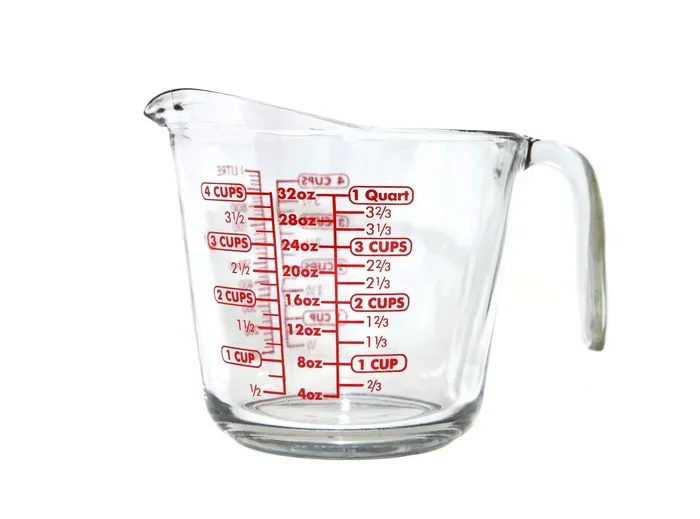
So, how many cups is 12 oz? The answer is simple: 12 fluid ounces equals 1.5 cups. This guide breaks down the conversion, shares practical kitchen tips, and helps you measure ingredients like a pro every single time you cook.
Ever stared at a recipe and wondered, how many cups is 12 oz? You are not alone. Whether you are baking a cake, prepping a meal, or just trying to halve a recipe, kitchen conversions can feel confusing. The good news is that figuring out 12 oz to cups is much simpler than you think. In this guide, we will walk you through everything you need to know about converting fluid ounces to cups, why it matters, and how to get it right every time.
Cooking and baking are all about precision. A little too much flour or a bit too little water can change the outcome of your dish completely. Understanding basic kitchen conversions like how many cups is 12 oz gives you confidence in the kitchen. It saves time, reduces waste, and helps you nail recipes on the first try. Let us dive in and make your next cooking session a breeze.
Key Takeaways
- 12 oz equals 1.5 cups: This is the standard conversion for fluid ounces to cups in the US measurement system.
- Use the right tools: Liquid measuring cups for liquids and dry measuring cups for dry ingredients give the best results.
- Level off dry ingredients: This simple step prevents over-measuring and keeps your recipes consistent.
- Know the difference between fluid and weight ounces: Fluid ounces measure volume, while weight ounces measure mass.
- Conversion charts are your best friend: Keep one handy in your kitchen for quick reference.
- Practice makes perfect: The more you measure, the more accurate you become over time.
📑 Table of Contents
- What Does 12 oz Mean in Cups?
- Why Accurate Measurements Matter in Cooking
- Common Kitchen Conversions You Should Know
- Tips for Perfect Measurements Every Time
- How Kitchen Conversions Connect to a Healthy Lifestyle
- Common Mistakes to Avoid When Measuring
- Expert Insights on Kitchen Measurement
- Conclusion
What Does 12 oz Mean in Cups?
The short answer is that 12 fluid ounces equals 1.5 cups. But there is a bit more to it than just that simple number. Let us break it down so you truly understand what is happening behind the scenes.
Understanding Fluid Ounces
A fluid ounce is a unit of volume. It measures how much space a liquid takes up. In the US, one cup equals 8 fluid ounces. So when you ask how many cups is 12 oz, you are really asking how many 8-ounce portions fit into 12 ounces. The answer is one and a half, or 1.5 cups.
It is important to note that fluid ounces and weight ounces are different things. Fluid ounces measure volume, while weight ounces measure mass. This distinction matters a lot when you are working with ingredients like flour or sugar, which are measured by weight, not volume.
The Simple Math Behind the Conversion
Here is the math in plain terms:
- 1 cup = 8 fluid ounces
- 12 fluid ounces ÷ 8 = 1.5 cups
That is all there is to it. When you know this basic volume conversion, you can easily figure out other measurements too. For example, 4 oz equals 0.5 cups, and 16 oz equals 2 cups. Once you have this down, cooking conversions become second nature.
Why Accurate Measurements Matter in Cooking
You might be thinking, does it really matter if I eyeball the measurement? The answer is yes, especially when it comes to baking. Baking is a science. Ingredients react with each other in specific ways, and the ratio of wet to dry ingredients can make or break your final product.
The Difference Between Liquid and Dry Ingredients
Liquid ingredients like water, milk, and oil are best measured using a liquid measuring cup. These cups have a spout and clear markings that let you see the exact level at eye level. When measuring 12 oz of liquid, you would fill the cup to the 1.5-cup mark.
Dry ingredients like flour, sugar, and cocoa powder need a different approach. You use a dry measuring cup, spoon the ingredient in, and then level it off with a flat edge. Packing the ingredient down or shaking the cup can lead to inaccurate measurements, which affects the taste and texture of your dish.
How Wrong Measurements Affect Your Recipe
Too much flour can make your baked goods dry and dense. Too little liquid can leave your batter thick and lumpy. Even small measurement errors add up quickly. This is why knowing your standard cup sizes and how they relate to ounces is so important. A simple measurement chart posted near your kitchen counter can save you from a lot of frustration.
Many home cooks also find it helpful to invest in a kitchen scale. A scale removes the guesswork entirely, especially for dry ingredient measurements. But for everyday cooking, understanding the cup-to-ounce relationship is more than enough.
Common Kitchen Conversions You Should Know
Once you know how many cups is 12 oz, you will start to notice other conversions that come up all the time in the kitchen. Here are some of the most common ones to keep in mind.
Quick Reference Chart for Ounce to Cup Conversions
- 4 oz = 0.5 cups (half a cup)
- 8 oz = 1 cup (the standard)
- 12 oz = 1.5 cups (one and a half cups)
- 16 oz = 2 cups (two cups, or one pint)
- 24 oz = 3 cups (three cups)
- 32 oz = 4 cups (four cups, or one quart)
Converting Other Ounce Amounts
Not all recipes call for 12 oz. Sometimes you need to convert 6 oz, 10 oz, or even 20 oz. The trick is the same every time. Divide the number of fluid ounces by 8. That gives you the number of cups. For example, 10 oz divided by 8 equals 1.25 cups, or 1 and a quarter cups.
When you are working with recipe conversion, it helps to remember a few benchmark numbers. 8 oz is always 1 cup. 16 oz is always 2 cups. From there, you can estimate or calculate any amount. Over time, these numbers will stick in your memory, and you will not even need to think about it.
Metric vs. US Customary Measurements
If you have ever tried a recipe from another country, you may have noticed different units of measurement. Most of the world uses the metric system, which measures in milliliters and grams. The US uses cups, fluid ounces, and pounds. A quick tip: one US cup is roughly 240 milliliters, and one fluid ounce is about 30 milliliters. So 12 oz in milliliters would be approximately 355 ml.
Tips for Perfect Measurements Every Time
Getting accurate measurements does not require any special talent. It just requires a few good habits. Here are some kitchen tips that will improve your cooking right away.
Use the Right Tools for the Job
Do not use a dry measuring cup for liquids, and do not use a liquid measuring cup for dry ingredients. Each type of cup is designed for a specific purpose. Liquid measuring cups are tall and clear with markings on the side. Dry measuring cups come in sets and are designed to be filled and leveled off.
Using the wrong tool is one of the most common measuring mistakes home cooks make. It might seem like a small thing, but it can change the outcome of your recipe more than you would expect.
Always Level Off Dry Ingredients
When you measure flour or sugar, spoon it into the cup first. Then use the back of a knife to sweep across the top and remove any excess. This is called leveling, and it ensures you get the exact amount the recipe calls for. Scooping directly from the bag with the measuring cup can pack the ingredient down, giving you more than you need.
Read Measurements at Eye Level
This is especially important for liquid measuring cups. Hold the cup on your counter and bend down so your eyes are level with the marking. Reading from above or below can give you an inaccurate amount. This one small habit can make a big difference in your portion size accuracy.
How Kitchen Conversions Connect to a Healthy Lifestyle
Believe it or not, knowing your kitchen measurements can support a healthier lifestyle. When you cook at home, you control exactly what goes into your food. You know the calories in your meals because you measured the ingredients yourself. This is a powerful tool for anyone who is watching what they eat.
For those who also stay active, understanding portion sizes helps with calorie tracking. A quick session of jump rope can burn a meaningful number of calories. In fact, 10 minutes of jump rope can help you torch calories and boost your heart rate. Many people who cook at home also enjoy staying active, and they often track both their food intake and their exercise output to maintain a healthy balance.
If you are curious about how much movement equals what you eat, activities like jump rope and treadmill workouts are great places to start. Tracking your steps during a workout gives you a concrete number to aim for each day. A 30-minute treadmill session can add significant steps to your daily total and help you stay on top of your fitness goals.
The connection between cooking and fitness is real. When you measure your food accurately, you make better choices. And when you combine good nutrition with regular exercise, you set yourself up for long-term success. So the next time you are measuring out 12 oz of an ingredient, remember that this small act is part of a bigger picture of healthy living.
Common Mistakes to Avoid When Measuring
Even experienced cooks make measurement errors from time to time. Here are a few pitfalls to watch out for.
- Scooping flour directly with the measuring cup: This packs the flour in tightly and gives you more than the recipe intended.
- Not leveling off dry ingredients: A heaping cup of flour is not the same as a level cup.
- Using the wrong type of measuring cup: Liquid and dry cups are not interchangeable.
- Reading the measurement from above: Always read at eye level for accuracy.
- Confusing fluid ounces with weight ounces: They measure different things and cannot be used interchangeably.
Avoiding these simple mistakes will improve your cooking accuracy dramatically. Your dishes will taste better, your baking will rise properly, and you will feel more confident in the kitchen.
Expert Insights on Kitchen Measurement
Professional chefs and nutritionists agree on one thing: measurement matters. According to culinary experts, the difference between a good recipe and a great one often comes down to precise portion control. A standard cup size in the US is designed to hold exactly 8 fluid ounces, and this has been the standard for decades.
Many chefs recommend using a kitchen scale for the most accurate results, especially when baking bread or pastries. A scale measures ingredients by weight, which is more precise than volume-based measurements. However, for everyday cooking, knowing your fluid ounce to cup conversions is perfectly sufficient and much more convenient.
Nutritionists also emphasize the importance of accurate measurements when tracking daily calorie intake. A tablespoon of olive oil contains about 120 calories. If you pour two tablespoons instead of one because you eyeballed it, that is an extra 120 calories you did not account for. Over time, these small errors can add up significantly.
Conclusion
So, how many cups is 12 oz? The answer is 1.5 cups, and now you know exactly why. Understanding this simple kitchen conversion is a skill that will serve you every time you step into the kitchen. From baking to cooking to meal prep, accurate measurements lead to better results and more enjoyable meals.
Keep this guide handy, print out a conversion chart for your kitchen wall, and practice your measuring skills regularly. The more you do it, the more natural it becomes. Soon, you will not even need to think about the math. You will just know. And that is when cooking truly becomes fun.
Remember, every great meal starts with getting the basics right. And knowing that 12 fluid ounces is 1.5 cups is one of the most basic and important basics there is. Happy cooking!
Frequently Asked Questions
How many cups is 12 oz of flour?
12 fluid ounces of flour equals 1.5 cups. However, if you are measuring by weight, 12 ounces of flour by weight is slightly different from 12 fluid ounces. For the most accurate results, use a kitchen scale when measuring dry ingredients like flour.
Is 12 oz the same as 1.5 cups for all liquids?
Yes, for most liquids, 12 fluid ounces equals 1.5 cups. This applies to water, milk, oil, and other common liquid ingredients. The US standard cup is 8 fluid ounces, so the conversion stays consistent across all liquids.
Can I use a regular drinking cup to measure 12 oz?
It is not recommended. A standard drinking cup does not have accurate measurement markings. Always use a proper measuring cup for cooking and baking to ensure your recipes turn out correctly every time.
What is the difference between a fluid ounce and a weight ounce?
A fluid ounce measures volume, which is how much space a liquid takes up. A weight ounce measures mass, which is how heavy something is. This is why 12 fluid ounces of water is not the same as 12 weight ounces of flour. They are measuring different properties.
How can I remember the cup-to-ounce conversion?
Just remember that 1 cup equals 8 fluid ounces. From there, you can calculate any amount. 12 divided by 8 equals 1.5, so 12 oz is 1.5 cups. Keep a small conversion chart on your fridge until the numbers become second nature.
Does the cup size differ in other countries?
Yes, cup sizes can vary by country. A US cup is 8 fluid ounces (about 240 ml), while a UK cup is 10 fluid ounces (about 284 ml). If you are using a recipe from another country, check which cup standard it uses before measuring your ingredients.