How Many Calories Are in an Apple and Why You Should Know
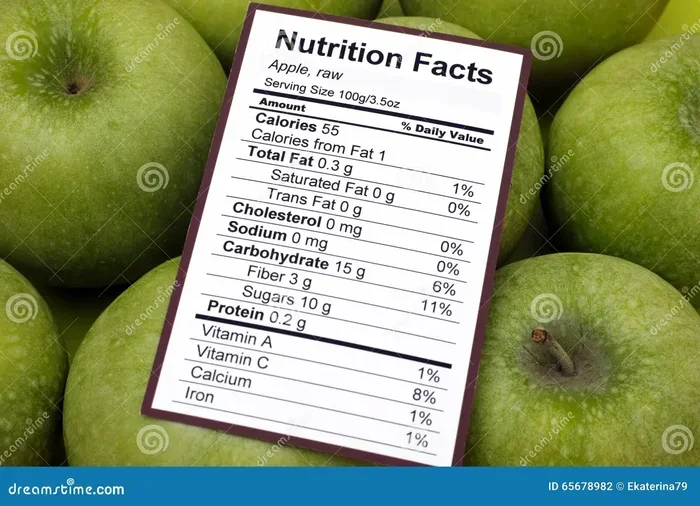
An apple has about 95 calories on average, making it a low-calorie, nutrient-packed snack. Whether you prefer a small, medium, or large apple, knowing the calorie count helps you track your daily intake. Read on to find out everything you need about apple calories and nutrition.
Have you ever wondered how many calories in an apple really are? It is a simple question, but the answer can surprise you. Apples are one of the most popular fruits in the world, and for good reason. They are tasty, convenient, and packed with nutrients. But knowing the calorie content helps you make smarter food choices every day.
Whether you are counting calories for weight loss or just staying mindful of what you eat, understanding the nutritional value of an apple matters. A medium apple has about 95 calories, but that number changes depending on the size and type. In this guide, we will break down everything you need to know about apple calories, nutrition, and how this fruit fits into a healthy diet.
So grab your favorite apple, and let us dive into the details. By the end of this article, you will know exactly what you are eating and why apples deserve a spot in your daily meals.
Key Takeaways
- Calorie Count: A medium apple contains roughly 95 calories, while smaller and larger sizes vary accordingly.
- Nutrient Powerhouse: Apples are rich in fiber, vitamin C, and antioxidants that support overall health.
- Size Matters: Calorie content changes based on apple size, from small to large varieties.
- Green vs Red: Both green and red apples have similar calorie counts with slight nutritional differences.
- Easy to Track: Apples are a simple food to include in calorie-counting diets and meal plans.
- Healthy Snack Choice: Replacing processed snacks with apples can help manage daily calorie intake.
📑 Table of Contents
How Many Calories Are in an Apple
The short answer is that a medium-sized apple contains about 95 calories. But apples come in different sizes, and the calorie count shifts accordingly. Let us look at the numbers more closely.
Calories by Apple Size
The size of your apple plays a big role in how many calories it has. Here is a simple breakdown:
- Small apple (about 150 grams): around 77 calories
- Medium apple (about 180 grams): around 95 calories
- Large apple (about 220 grams): around 116 calories
- Extra-large apple (about 250 grams): around 130 calories
As you can see, a small apple has fewer calories than a large one. But even the largest apple is still a low-calorie food. This makes apples a great snack option if you are watching your calorie intake. For comparison, burning calories with a 10-minute jump rope session can easily offset the calories in one medium apple, showing how easy it is to balance fruit intake with physical activity.
Apple Calories Chart
Here is a quick reference chart for common apple sizes:
- Baby apple (100g): about 52 calories
- Small apple (150g): about 77 calories
- Medium apple (180g): about 95 calories
- Large apple (220g): about 116 calories
Keep this chart in mind when you are meal planning or tracking your daily food intake. Apples are simple to add to any diet because the calorie numbers are predictable and easy to remember.
Green Apple vs Red Apple Calories
You might have noticed that apples come in many colors. The most common are red and green. Do they have different calorie counts? The answer is mostly no, but there are small differences worth knowing.
Red Apples
Red apples like Fuji, Gala, and Honeycrisp are sweet and crisp. A medium red apple has about 95 calories. They tend to have a slightly higher sugar content than green apples, which gives them their sweet taste. The calorie difference is very small, so you can enjoy them without worry.
Green Apples
Green apples like Granny Smith are tart and firm. They also have about 95 calories for a medium size. Green apples usually contain less sugar and more fiber than red varieties. This means they can help you feel full longer, which is great if you are trying to manage your appetite.
Both types are excellent choices. Pick the one you enjoy more, and you will get great nutritional benefits either way.
Nutritional Breakdown of an Apple
Calories are just one part of the picture. Apples are full of other nutrients that your body needs. Let us look at what is inside a medium apple.
Macronutrients
- Carbohydrates: About 25 grams, mostly from natural sugars and fiber
- Fiber: Around 4 grams, which is about 10% of your daily needs
- Protein: Less than 1 gram
- Fat: Less than 1 gram
- Sugar: About 19 grams of natural fruit sugar
Vitamins and Minerals
Apples also provide important vitamins and minerals:
- Vitamin C: About 8% of your daily value, which supports your immune system
- Potassium: Helps with heart health and muscle function
- Vitamin K: Small amounts that support bone health
- Antioxidants: Apples are rich in antioxidants like quercetin and catechin
These nutrients work together to support your overall health. The fiber in apples helps with digestion, while the antioxidants fight inflammation. This is why nutritionists often say an apple a day keeps the doctor away. The nutritional value of apple goes far beyond just counting calories.
Why Counting Calories in an Apple Matters
You might think counting calories in a single apple is not a big deal. But when you are tracking your daily food intake, every bit adds up. Here is why paying attention to apple calories is important.
Calorie Awareness
Many people underestimate how many calories they eat in a day. Snacking on fruits seems harmless, but even healthy foods have calories. Knowing that a medium apple has 95 calories helps you plan your meals better. If you eat three apples a day, that is 285 calories from fruit alone.
Weight Management
Apples are a fantastic tool for weight management. They are low in calories but high in fiber, which keeps you feeling full. Swapping a bag of chips for an apple can save you hundreds of calories. Over time, these small choices add up to big results.
For those who exercise regularly, understanding the balance between calories consumed and calories burned is key. If you enjoy cardio workouts, an hour on the elliptical can burn several hundred calories, which gives you perspective on how much food energy you are taking in from a simple apple.
Meal Planning Made Easy
When you know the calorie content of common foods like apples, meal planning becomes much simpler. You can confidently add apples to your grocery list without worrying about blowing your calorie budget. They are a staple food for a reason.
How to Include Apples in a Calorie-Conscious Diet
Apples are versatile and easy to add to almost any eating plan. Here are some practical tips for making the most of this fruit while staying on track with your calorie goals.
Best Ways to Eat Apples
- Eat them whole: This is the best way to get all the fiber and nutrients. Eating a whole apple also slows down sugar absorption.
- Slice them into oatmeal: Add apple slices to your morning oats for natural sweetness and extra fiber.
- Pair with nut butter: A tablespoon of almond or peanut butter with apple slices makes a filling snack that balances carbs with healthy fats.
- Add to salads: Thin apple slices add crunch and sweetness to green salads without many extra calories.
- Bake with cinnamon: Baked apples with a sprinkle of cinnamon make a warm, low-calorie dessert.
Quick Tips for Apple Snackers
- Choose a smaller apple if you are strictly counting calories.
- Leave the skin on for maximum fiber and nutrients.
- Drink water with your apple to help with fullness.
- Avoid apple juices or dried apple snacks, which are calorie-dense and low in fiber.
Remember, the way you eat an apple matters just as much as the apple itself. A whole apple is always better than apple juice or processed apple products.
Common Mistakes People Make with Apple Calories
Even something as simple as eating an apple can come with mistakes. Here are a few to watch out for.
Assuming All Apples Are the Same Size
This is the biggest mistake people make. A large apple can have 30 or more extra calories compared to a small one. If you are tracking calories, weigh your apple or choose a standard size for consistency.
Forgetting Added Ingredients
Apple pie, apple cider, and caramel-dipped apples are delicious, but they are very different from a raw apple. The added sugar, butter, and cream can turn a 95-calorie snack into a 400-calorie treat. Always consider what is added to the apple.
Overeating Apples
Apples are healthy, but eating five apples a day adds up to nearly 500 calories from fruit alone. Balance is key. Stick to one or two apples per day as part of a varied diet.
Ignoring the Calorie Balance
Eating an apple is great, but it does not replace the need for exercise. If you are active, a 30-minute jump rope workout can burn more calories than you consume from two apples, showing how food and exercise work together for overall health.
Health Benefits of Apples Beyond Calories
Apples are more than just a calorie source. They offer a wide range of health benefits that make them a superfood worth eating regularly.
Heart Health
The fiber and antioxidants in apples support heart health. Studies show that eating apples regularly can help lower cholesterol and blood pressure. The soluble fiber called pectin is especially good for your heart.
Digestive Health
Apples are rich in dietary fiber, which promotes healthy digestion. The fiber feeds good gut bacteria and helps keep things moving smoothly. A healthy gut is linked to better overall health.
Blood Sugar Control
Despite their natural sugar content, apples have a moderate effect on blood sugar. The fiber slows down the absorption of sugar into your bloodstream. This makes apples a safe fruit choice for most people, including those managing diabetes.
Brain Health
Some research suggests that the antioxidants in apples may protect brain cells from oxidative damage. Regular apple consumption has been linked to a lower risk of neurodegenerative diseases. While more studies are needed, the early results are promising.
Final Thoughts
So, how many calories in an apple? The answer is simple: about 95 calories for a medium apple. But the real value of an apple goes far beyond that number. It is a low-calorie, high-fiber, nutrient-dense fruit that supports your health in many ways.
Whether you are tracking calories for weight loss, managing blood sugar, or just eating healthier, apples are one of the best choices you can make. They are affordable, available year-round, and easy to prepare. Next time you reach for a snack, grab an apple. Your body will thank you.
Remember, knowing your calorie intake is just one piece of the puzzle. Combine healthy eating with regular physical activity for the best results. And keep this guide handy whenever you need a quick reminder of what an apple brings to the table.
Frequently Asked Questions
How many calories are in a small apple?
A small apple, weighing about 150 grams, contains roughly 77 calories. This makes it an excellent low-calorie snack option for anyone watching their daily intake. Choosing a smaller apple is an easy way to reduce calorie consumption without sacrificing nutrition.
Do apples have a lot of sugar?
A medium apple contains about 19 grams of natural sugar. This is much less than the sugar found in processed snacks and drinks. The fiber in apples also helps slow down sugar absorption, making them a healthy choice for most people.
Is it better to eat apples with or without the skin?
You should always eat apples with the skin on. The skin contains a large portion of the fiber and many of the antioxidants found in apples. Removing the skin reduces the nutritional value and calorie content only slightly.
Can eating apples help with weight loss?
Yes, apples can support weight loss because they are low in calories and high in fiber. The fiber helps you feel full longer, which can reduce overall calorie intake throughout the day. Replacing high-calorie snacks with apples is a simple and effective strategy.
How do apple calories compare to other fruits?
Apples have fewer calories than bananas and mangoes but similar calories to oranges and pears. A medium apple at 95 calories makes it a moderate-calorie fruit that fits well into most diet plans. Its high fiber content gives it an edge over many other snack options.
Does cooking an apple change its calorie content?
Cooking an apple does not significantly change its calorie content. However, baked apples with added sugar or butter will have more calories than a raw apple. Always check what ingredients are added when preparing cooked apple dishes.