How Many Calories Do You Burn on Rowing Machine

Curious about the calories you torch on a rowing machine? This guide breaks down the science, variables, and practical tips so you can estimate your burn and boost results. From beginners to seasoned rowers, learn how to fine‑tune intensity, duration, and form for the highest calorie expenditure.
Key Takeaways
- Average burn range: Most people burn 400‑800 calories per hour, depending on weight and effort.
- Weight matters: Heavier individuals burn more calories at the same intensity because they move more mass.
- Intensity is king: Raising stroke rate or resistance can double your calorie burn in half the time.
- Form counts: Proper technique engages larger muscle groups, leading to higher energy use.
- Interval training: Short, high‑intensity bursts boost post‑exercise calorie burn (EPOC).
- Tracking tools: Use heart‑rate monitors or built‑in ergometer metrics for more accurate estimates.
- Consistency beats perfection: Regular rowing sessions, even at moderate intensity, add up to big weekly calorie totals.
📑 Table of Contents
- Introduction: Why Rowing Is a Calorie‑Burning Powerhouse
- 1. The Science Behind Calorie Burn on a Rower
- 2. How Many Calories Do You Burn? The Core Numbers
- 3. Factors That Influence Your Calorie Burn
- 4. Calculating Your Personal Calorie Burn
- 5. Strategies to Boost Calorie Burn on the Rowing Machine
- 6. Real‑World Examples: How Different Users Burn Calories
- Conclusion: Make the Most of Your Rowing Sessions
Introduction: Why Rowing Is a Calorie‑Burning Powerhouse
Imagine a workout that engages your legs, core, back, and arms—all while keeping your heart rate soaring. That’s the promise of the rowing machine, also called an ergometer or “erg.” Because it mimics the full‑body motion of rowing a boat, it can torch calories faster than many single‑muscle‑group machines.
But how many calories do you actually burn on a rowing machine? The answer isn’t a single number; it depends on your weight, effort, workout length, and even the type of rowing machine you use. In this article, we’ll unpack the math, explore the variables, and give you actionable tips to maximize your calorie burn—whether you’re a beginner or a seasoned rower.
1. The Science Behind Calorie Burn on a Rower
1.1 Understanding Metabolic Energy
Calories are a measure of energy. When you row, your muscles contract, your heart pumps faster, and your lungs work harder. Your body converts stored fuel—carbohydrates, fats, and a little protein—into the energy needed for each stroke.

Visual guide about How Many Calories Do You Burn on Rowing Machine
Image source: koala.sh
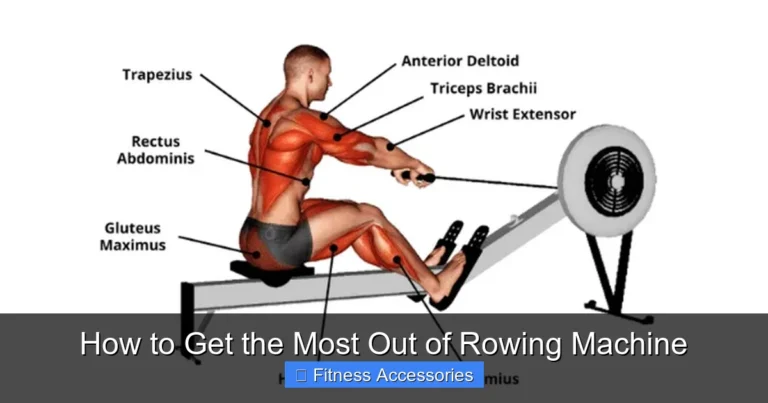
1.2 How Rowing Engages Muscle Groups
Rowing is a “compound” movement. The major muscle groups involved are:
- Legs: Quadriceps, hamstrings, glutes—provide the push.
- Core: Rectus abdominis and obliques stabilize the torso.
- Back: Lats and rhomboids pull the handle toward the chest.
- Arms: Biceps and forearms finish the pull.
Because you’re using large muscle groups simultaneously, the calorie cost per minute is higher than when you isolate a single muscle.
2. How Many Calories Do You Burn? The Core Numbers
2.1 Baseline Estimates by Weight
Research and manufacturer data give us a useful baseline. Below is a rough guide for a steady‑state rowing session (moderate intensity, ~20‑22 strokes per minute) lasting one hour:

Visual guide about How Many Calories Do You Burn on Rowing Machine
Image source: rowingfeed.com
- 120 lb (55 kg) person: 400–450 calories
- 150 lb (68 kg) person: 500–560 calories
- 180 lb (82 kg) person: 600–680 calories
- 210 lb (95 kg) person: 700–800 calories
These numbers assume a “steady‑state” effort. If you increase intensity, the burn can rise dramatically.
2.2 Intensity Levels and Their Impact
Rowing intensity is usually measured by:
- Stroke Rate (spm): Strokes per minute. Higher spm = higher heart rate.
- Resistance/Drag: Magnetic or air resistance that makes each pull harder.
- Power Output (watts): Direct readout on many modern ergs.
Here’s a quick reference:
| Intensity | Typical spm | Estimated Cal/hr (150 lb) |
|---|---|---|
| Light (warm‑up) | 16‑18 | 300‑350 |
| Moderate (steady) | 20‑22 | 500‑560 |
| Vigorous (HIIT) | 26‑30 | 800‑950 |
| Max effort (sprints) | 30+ | 1,200‑1,400 |
Notice how a jump from 22 spm to 28 spm can add 300–400 calories in the same time frame.
3. Factors That Influence Your Calorie Burn
3.1 Body Weight and Composition
Heavier people expend more energy because they have to move more mass. Muscle tissue also burns more calories than fat at rest, so a fit, muscular person may see a slightly higher burn even at the same weight.
3.2 Rowing Machine Type
There are three main categories:
- Air rowers (e.g., Concept2): Resistance increases with how hard you pull. They tend to give the most “real‑world” calorie estimates.
- Magnetic rowers: Provide a smoother, quieter ride. The resistance is set manually, so calorie estimates rely on user input.
- Water rowers: Simulate the feel of a boat moving through water; the resistance is fluid‑based and can feel more “natural.”
All three can give accurate calorie counts if you input your weight correctly and row with consistent form.
3.3 Workout Duration
Longer sessions naturally burn more calories, but diminishing returns set in if you drop intensity. For example, 30 minutes at vigorous intensity can burn as many calories as 60 minutes at a light pace.
3.4 Technique and Efficiency
Bad form (e.g., using just the arms) limits the number of muscles recruited, lowering the calorie cost. A proper “catch‑drive‑finish” sequence maximizes muscle engagement and thus calorie burn.
3.5 Environmental Factors
Room temperature, hydration, and even your mental state affect heart rate and perceived effort, subtly shifting calorie expenditure.
4. Calculating Your Personal Calorie Burn
4.1 Using the Simple MET Formula
MET (Metabolic Equivalent of Task) is a handy way to estimate calories. Rowing at moderate effort is about 7 METs. The formula:
Calories burned per minute = (MET × body weight in kg × 3.5) ÷ 200
Example: A 70 kg (154 lb) person rowing at 7 METs:
(7 × 70 × 3.5) ÷ 200 = 8.575 cal/min ≈ 514 calories per hour.
4.2 Leveraging the Ergometer’s Built‑In Calculator
Most modern rowers display calories burned if you set your weight. The calculation typically uses:
Calories = (Watts × Time in seconds × 0.01433) × (Weight / 70 kg)
Enter your weight, watch the power output, and let the machine do the math.
4.3 Adding a Heart‑Rate Monitor for Precision
Heart‑rate based calculators consider your personal fitness level. The most common equation:
Calories/min = ((HR × 0.6309) + (Age × 0.2017) – (Weight × 0.09036) – 55.0969) ÷ 4.184
Plug in your HR during the row, and you’ll get a near‑real‑time estimate.
5. Strategies to Boost Calorie Burn on the Rowing Machine
5.1 Interval Training (HIIT)
Alternate 30 seconds of all‑out effort with 60 seconds of easy rowing. Repeat 8‑10 times. This method spikes your heart rate, increases post‑exercise oxygen consumption (EPOC), and can burn 30‑40% more calories in the same total time.
5.2 Increase Resistance Gradually
On a magnetic or air rower, add a level or increase the fan setting every few weeks. The added load forces your muscles to work harder, upping the calorie count.
5.3 Focus on Technique
Practice the “drive‑pause‑recovery” cycle:
- Catch: Knees bent, shins vertical, arms extended.
- Drive: Push with legs, lean back slightly, then pull with arms.
- Finish: Knees straight, elbows close, handle at chest.
- Recovery: Extend arms, hinge hips forward, bend knees.
Efficient strokes mean you can sustain higher power for longer, burning more calories.
5.4 Combine Rowing with Strength Drills
Every 5 minutes, add 10 body‑weight rows (using a TRX or suspension strap) or 15 squat jumps off the foot‑plate. The extra muscular demand spikes calorie use.
5.5 Track Progress and Adjust Goals
Keep a log of duration, average watts, and calories burned. If you see a plateau, tweak one variable—add 5 seconds to each interval, raise resistance, or increase weekly session length by 10%.
6. Real‑World Examples: How Different Users Burn Calories
6.1 Beginner Jane – 130 lb, 20 min steady row
Jane sets the machine to a moderate resistance, rows at 20 spm, and maintains a heart rate of 130 bpm. Using the MET formula (6 METs for light rowing):
Calories ≈ (6 × 59 kg × 3.5) ÷ 200 × 20 min ≈ 124 calories.
6.2 Intermediate Mark – 180 lb, 30‑minute HIIT
Mark does 1‑minute sprint (30 spm) followed by 1‑minute easy row, repeating 15 times. Average power ≈ 250 W. Using the erg calculator:
Calories ≈ (250 × 1800 s × 0.01433) × (82 kg / 70) ≈ 720 calories.
6.3 Advanced Athlete Sofia – 150 lb, 45‑minute endurance
Sofia rows at 24 spm, keeps power at 300 W, and maintains HR ~165 bpm. Using heart‑rate formula, she burns roughly 950 calories in 45 minutes—almost 1,267 calories per hour equivalent.
Conclusion: Make the Most of Your Rowing Sessions
There’s no single answer to “how many calories do you burn on a rowing machine,” but the range is clear: 400‑800 calories per hour for most people, with the potential to exceed 1,200 calories during high‑intensity intervals. Your weight, effort, machine type, and technique all play pivotal roles.
To maximize burn, focus on good form, incorporate interval work, and gradually increase resistance. Use the built‑in metrics or a heart‑rate monitor for accurate tracking, and keep a log to spot trends.
Remember, consistency beats occasional marathon sessions. Even a 20‑minute row three times a week adds up, helping you shed pounds, improve cardiovascular health, and enjoy a full‑body workout that feels less like a chore and more like a splash of fun.
Now that you know the numbers and the tricks, grab a towel, hop on the rower, and start turning those strokes into calories burned!
Frequently Asked Questions
How many calories does a 150‑lb person burn rowing for 30 minutes at moderate intensity?
At moderate intensity (about 7 METs), a 150‑lb (68 kg) person burns roughly 250–300 calories in a 30‑minute session.
Is rowing better than running for calorie burn?
Rowing can burn comparable or even more calories per minute than running, especially when you add high‑intensity intervals, while also being lower impact on joints.
Do water rowers give accurate calorie counts?
Water rowers estimate calories based on user‑entered weight and resistance. They’re fairly accurate if you input correct data, but air or magnetic rowers often have more precise built‑in algorithms.
Can I use a fitness tracker to measure rowing calories?
Yes, most fitness trackers have a rowing mode that uses heart‑rate data to estimate calories. For best accuracy, pair the tracker with the erg’s power readout.
How does interval training affect post‑exercise calorie burn?
HIIT creates an “afterburn” effect (EPOC) that can increase calorie expenditure for up to 24 hours after the workout, adding 10‑15% more calories burned compared to steady‑state rowing.
What’s the best stroke rate for maximum calorie burn?
Higher stroke rates (26‑30 spm) combined with moderate resistance yield the highest calorie burn per minute, but make sure you can maintain good form to avoid injury.