How Long to Boil Eggs for the Perfect Hard Boiled Eggs
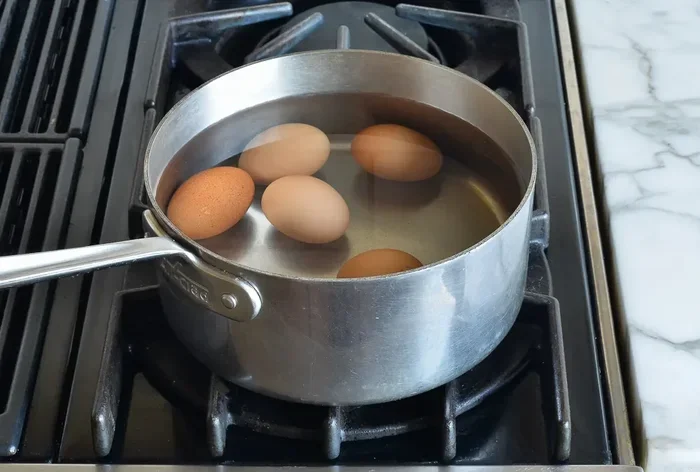
Knowing how long to boil eggs for hard boiled results is the single most important factor in getting perfect eggs. Whether you prefer a slightly soft center or a fully set yolk, precise timing makes all the difference. This guide covers everything from stovetop method to ice bath tricks, so you can cook eggs like a pro every single time.
Key Takeaways
- Timing is everything: 10-12 minutes is the sweet spot for hard boiled eggs on a stovetop.
- Start with boiling water: This method gives you more consistent and predictable results than starting with cold water.
- An ice bath is essential: It stops the cooking process and makes peeling way easier.
- Egg size matters: Large eggs need the standard time, but extra-large or jumbo eggs may need an extra minute or two.
- Fresh eggs are harder to peel: Older eggs (7-10 days old) peel much more easily than fresh ones.
- Altitude affects cooking time: High-altitude cooks may need to add 1-2 minutes to the standard boiling time.
- Meal prep made easy: Hard boiled eggs last up to 7 days in the fridge, making them perfect for weekly prep.
📑 Table of Contents
How Long to Boil Eggs for Hard Boiled Perfection
There is something deeply satisfying about a perfectly cooked hard boiled egg. The shell comes off clean. The yolk is firm but still creamy. And the white is set all the way through without being rubbery. Yet so many people struggle with this simple task. The answer almost always comes down to one thing: timing.
If you have ever wondered how long to boil eggs for hard boiled results, you are in the right place. This guide walks you through every step, from choosing your eggs to pulling them off the heat at exactly the right moment. We will also cover common mistakes, pro tips, and the science behind why certain methods work better than others. By the end, you will never overcook or undercook an egg again.
Hard boiled eggs are one of the most versatile foods you can make. Eat them for breakfast, chop them into a salad, slice them onto toast, or pack them as a high-protein snack. They are also incredibly affordable and store well for up to a week in the fridge. Once you master the technique, you will wonder how you ever lived without perfectly cooked eggs ready whenever you need them.
Why Timing Matters So Much
Eggs are delicate. A few extra seconds can turn a creamy, perfectly set yolk into a dry, chalky green one. That green ring around the yolk? That is iron sulfide, and it forms when eggs cook too long. Not only does it look unappetizing, but it can also affect the taste. On the flip side, undercooked eggs have a runny center that many people find unpleasant.
The good news is that once you know the right timing, it becomes second nature. Most people find that after two or three attempts using a timer, they can cook perfect eggs without even thinking about it. The key is consistency, and consistency starts with knowing exactly how many minutes to let those eggs boil.
For those who also focus on fitness and protein intake, hard boiled eggs are an excellent post-workout food. They pair well with a balanced nutrition plan that includes strength training. If you are curious about how long it takes for certain gym results, check out our guide on how long it takes for dumbbells to work for more insights on fitness timelines.
The Best Method: Starting With Boiling Water
There are two main ways to boil eggs. You can start them in cold water and bring everything to a boil together, or you can drop them into already boiling water. Both methods work, but starting with boiling water gives you more control and more consistent results. This is the method most chefs and cooking experts recommend.
Step-by-Step Instructions
Here is exactly what to do for perfect hard boiled eggs every time:
- Bring a pot of water to a full rolling boil. Use enough water to cover the eggs by at least one inch. A large pot works best because the eggs need room so they do not crack against each other.
- Gently lower the eggs into the water. Use a slotted spoon or a spider strainer. Lower them carefully to prevent cracking. If an egg does crack, add a pinch of salt to the water. The salt helps the white coagulate faster, which can minimize leaking.
- Set your timer for 10 to 12 minutes. For large eggs, 11 minutes is the sweet spot for a fully hard boiled egg with a bright yellow yolk. If you prefer a slightly softer center, go with 10 minutes. For extra-large or jumbo eggs, aim for 12 minutes.
- Transfer the eggs to an ice bath immediately. Prepare a bowl of ice water before you start. Once the timer goes off, use the spoon to move the eggs right into the ice bath. Let them sit for at least 10 minutes. This stops the cooking and makes peeling much easier.
- Peel and enjoy. Gently tap the egg on a hard surface and roll it between your hands to crack the shell all over. Start peeling from the wide end, where there is usually an air pocket. The shell should come off cleanly under running water if you did everything right.
Why the Ice Bath Makes a Big Difference
Do not skip this step. The ice bath does two important things. First, it rapidly cools the egg, which prevents that unattractive green ring from forming around the yolk. Second, it creates a slight contraction between the egg white and the shell membrane, which makes peeling a breeze. Some people even add a splash of vinegar to the boiling water to help the shell separate from the white more easily.
If you are someone who likes to combine cooking with an active lifestyle, eggs are a fantastic source of complete protein for muscle recovery. For more information on fitness routines and timelines, you might enjoy our article on how long to use a rowing machine for weight loss to pair your nutrition with effective cardio.
How Egg Size Affects Boiling Time
Not all eggs are created equal when it comes to cooking time. The size of the egg changes how long it needs to boil. Here is a quick breakdown to help you adjust your timing.
| Egg Size | Boiling Time | Best For |
|---|---|---|
| Small | 8-9 minutes | Snacks, salads |
| Medium | 9-10 minutes | Sandwiches, snacks |
| Large (Standard) | 10-12 minutes | General use, meal prep |
| Extra-Large | 11-13 minutes | Meal prep, protein bowls |
| Jumbo | 12-14 minutes | High-protein meals |
These times assume you start with boiling water and use the ice bath method. If you are cooking at high altitude, you may need to add an extra minute or two because water boils at a lower temperature in the mountains. The lower boiling point means the water is not as hot, so the eggs take longer to cook through completely.
Another factor to keep in mind is whether your eggs are refrigerated or at room temperature. Cold eggs straight from the fridge are more likely to crack when dropped into boiling water. To avoid this, let them sit on the counter for about 5 minutes before boiling, or place them in warm tap water for a minute before adding them to the pot.
Common Mistakes That Ruin Hard Boiled Eggs
Even experienced cooks make mistakes when boiling eggs. Here are the most common errors and how to avoid them.
Mistake 1: Not Using a Timer
This might seem obvious, but it is the number one reason eggs come out wrong. Boiling eggs by guesswork almost always leads to inconsistent results. Get a simple kitchen timer or use the timer on your phone. Ten seconds can make the difference between a perfect yolk and an overcooked one.
Mistake 2: Boiling Too Vigorously
A gentle boil is all you need. A roaring, rolling boil can cause the eggs to bounce around in the pot, which leads to cracked shells. Once you add the eggs, reduce the heat slightly to maintain a steady boil without too much turbulence.
Mistake 3: Skipping the Ice Bath
Some people skip the ice bath because they are in a hurry. Do not do this. Without rapid cooling, the residual heat continues to cook the egg. The yolk will turn green and the texture will become dry and chalky. Take the extra five minutes to prepare the ice bath before you start cooking.
Mistake 4: Using Fresh Eggs
Fresh eggs are great for baking and frying, but they are the worst choice for hard boiling. The membrane underneath the shell of a fresh egg clings tightly to the white, making peeling nearly impossible. If you can, buy eggs that are at least 7 to 10 days old before you plan to hard boil them. The pH of the white changes over time, which helps the shell release more easily.
If you are interested in how protein-rich foods like eggs fit into a broader fitness routine, our guide on how to use kettlebells: a complete guide for beginners includes nutrition tips that pair well with a high-protein diet centered around eggs and whole foods.
How to Tell If Your Eggs Are Done
Timing is your best friend, but it helps to know the visual and physical cues too. Here is how to check if your hard boiled eggs are truly done.
- Spin test: A hard boiled egg spins smoothly and quickly on a flat surface. A raw egg wobbles and spins slowly because the liquid inside shifts the weight.
- Light test: Hold the egg up to a bright light or flashlight. A fully cooked egg will look opaque all the way through. You should not see any dark spots or a liquid center.
- Shake test: Gently shake the egg near your ear. If you hear sloshing, it needs more time. A done egg will feel solid and still.
- Cut test: When in doubt, just cut it open. The yolk should be completely firm and bright yellow, with no greenish tint around the edges.
These tests are especially helpful when you are first learning the technique. After a few batches, you will start to feel confident about the timing without needing to check every single egg.
Storage and Meal Prep Tips
One of the best things about hard boiled eggs is how well they store. Here is what you need to know for keeping them fresh and safe.
- In the shell: Hard boiled eggs keep for up to 7 days in the refrigerator. Store them in a covered container to prevent them from absorbing fridge odors.
- Peeled eggs: If you peel them ahead of time, store them in a bowl of cold water in the fridge. Change the water daily. They will last for up to 3 days this way.
- Freezing: Do not freeze hard boiled eggs in their shells. The whites will become rubbery and rubbery. You can freeze the yolks separately if you want to save them for later use in recipes.
- Meal prep Sunday: Boil a batch of 10 to 12 eggs at the start of the week. Store them in a container and grab one as a quick protein boost throughout the week. They are perfect for busy mornings or post-gym snacks.
Hard boiled eggs pair wonderfully with many other foods and can be part of a balanced, protein-rich diet. Whether you are meal prepping for the week or just making a quick breakfast, having a stash of perfectly cooked eggs in the fridge is a game changer.
Quick Tips for the Best Hard Boiled Eggs
- Add a teaspoon of baking soda to the boiling water. This raises the pH and helps the shell peel off more easily.
- Use eggs that are 1 to 2 weeks old for the easiest peeling experience.
- Prick a tiny hole at the wide end of the egg with a pin before boiling. This releases steam and reduces cracking.
- Cool eggs completely before storing them in the fridge. Warm eggs can cause condensation inside the container, which promotes bacteria growth.
- Season after peeling. Salt, pepper, paprika, or a drizzle of olive oil all make hard boiled eggs taste amazing.
Conclusion
Mastering how long to boil eggs for hard boiled perfection is simpler than you think. The magic number is 10 to 12 minutes for large eggs, starting from a rolling boil. Combine that with an ice bath, and you have a foolproof method that works every single time. Remember to use eggs that are a week or two old, keep a timer handy, and never skip the cooling step.
Once you get the hang of it, hard boiled eggs become a staple in your kitchen. They are fast to make, packed with protein, and incredibly versatile. Whether you eat them for breakfast, lunch, dinner, or as a snack, you will always know exactly how to cook them to perfection. So go ahead, grab a pot, and start boiling. Your perfect eggs are just minutes away.
Frequently Asked Questions
Can I boil eggs in an electric kettle?
It is not recommended. Electric kettles are designed for water only and do not have enough space for eggs. You also cannot control the cooking time easily. A stovetop pot gives you much better control over the boiling process and ensures even cooking.
How do I get hard boiled eggs to peel easily?
Three things make peeling easier: use older eggs (7-10 days old), plunge them into an ice bath immediately after cooking, and peel under running water. Adding a teaspoon of baking soda to the boiling water also helps loosen the shell from the egg white.
Why do my hard boiled eggs have a green ring around the yolk?
The green ring is iron sulfide, which forms when eggs cook too long or cool too slowly. To prevent it, stick to the recommended 10-12 minute boiling time and transfer eggs to an ice bath right away. This stops the cooking process and keeps the yolk bright yellow.
Can I boil eggs without an ice bath?
You can, but the ice bath is highly recommended. Without it, the residual heat continues cooking the egg, which can lead to a green yolk and a rubbery white. If you skip the ice bath, at least run the eggs under cold water for several minutes to cool them down quickly.
How long do hard boiled eggs last in the fridge?
Hard boiled eggs in their shell stay fresh for up to 7 days in the refrigerator. Peeled eggs should be eaten within 3 days. Always store them in a sealed container and keep them in the coldest part of the fridge, not in the door.
Does altitude affect how long to boil eggs for hard boiled?
Yes, it does. At higher altitudes, water boils at a lower temperature, which means eggs take longer to cook. If you live above 3,000 feet, add 1 to 2 minutes to the standard boiling time. You may need to experiment slightly to find your perfect timing at your elevation.