How Long Should I Workout on a Rowing Machine
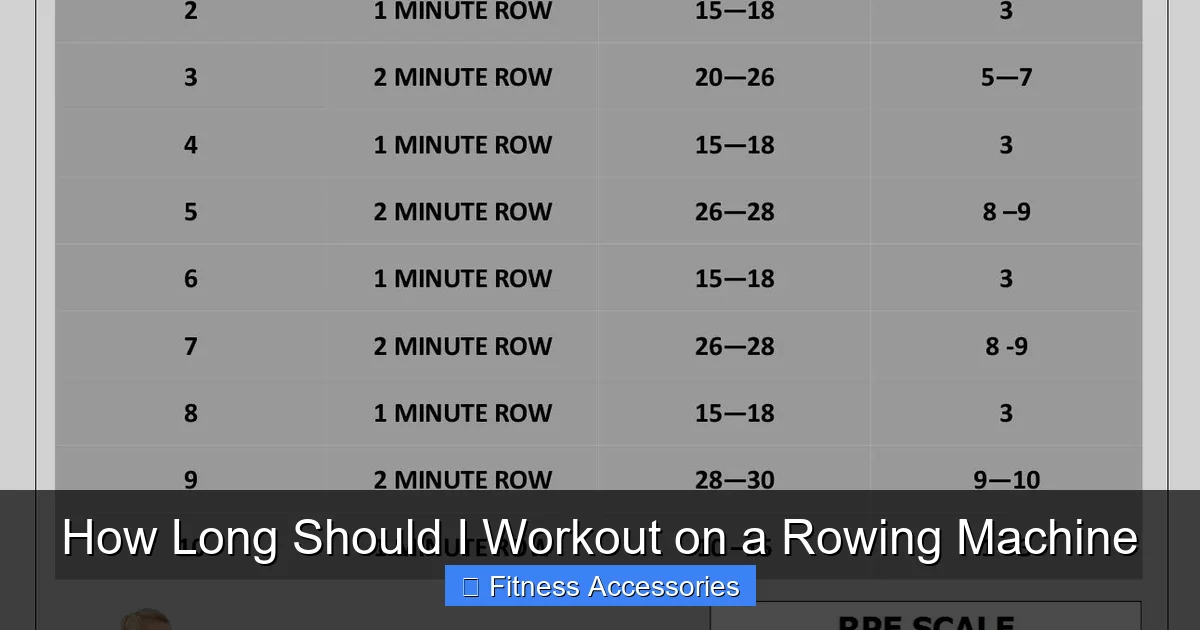
Not sure how long to spend on a rowing machine? This guide breaks down optimal session lengths for beginners, fat‑burners, and seasoned athletes. From 5‑minute warm‑ups to hour‑long endurance rows, you’ll get clear, actionable timing advice to reach your goals faster.
Key Takeaways
- Start small: Beginners benefit from 10‑15 minute rows to build technique and confidence.
- Goal matters: Fat loss, endurance, and strength each have a sweet‑spot duration (20‑30 min, 45‑60 min, 5‑10 min intervals).
- Intensity first: Use high‑intensity intervals (HIIT) for quicker results when time is limited.
- Consistency beats length: Row 3‑5 times a week, even if each session is only 20 minutes.
- Listen to your body: Adjust time based on fatigue, joint health, and recovery needs.
- Progress gradually: Add 5 minutes every 2‑3 weeks to avoid plateaus and injury.
- Mix it up: Combine steady‑state rows with interval work for balanced fitness.
📑 Table of Contents
- Introduction: Why Timing on a Rowing Machine Matters
- 1. The Basics: How Rowing Works and What Affects Duration
- 2. Goal‑Based Timing: Matching Length to Your Objective
- 3. Building Your Rowing Routine: From Beginner to Pro
- 4. Listening to Your Body: When to Stop, Slow Down, or Push Through
- 5. Frequently Asked Questions About Rowing Duration
- Conclusion: Find Your Sweet Spot and Keep Rowing
Introduction: Why Timing on a Rowing Machine Matters
If you’ve ever stared at the digital display of a rowing machine and wondered, “How long should I workout on a rowing machine?”, you’re not alone. Rowing is a full‑body, low‑impact workout that can torch calories, build muscle, and boost heart health. But unlike a treadmill, where speed and distance are obvious, rowing demands a balance of time, intensity, and technique.
In this article we’ll walk through the science behind workout length, match timing to specific goals, and give you a step‑by‑step plan you can start today. Think of it as a friendly chat over a coffee—simple language, real‑world tips, and no jargon.
1. The Basics: How Rowing Works and What Affects Duration
Understanding the Rowing Stroke
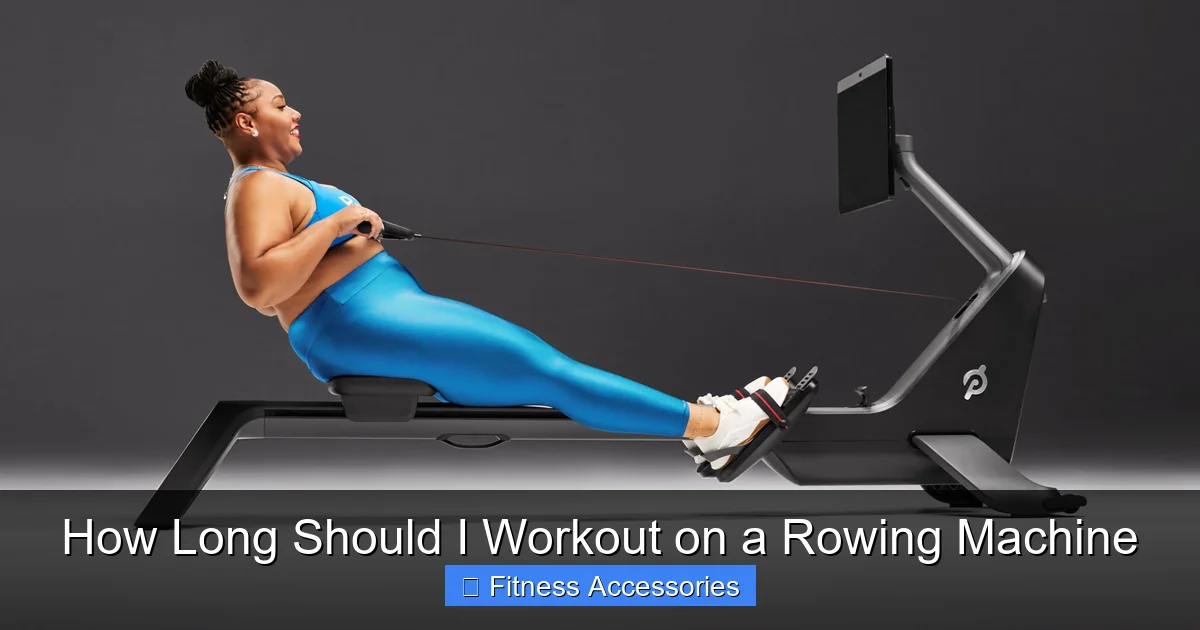
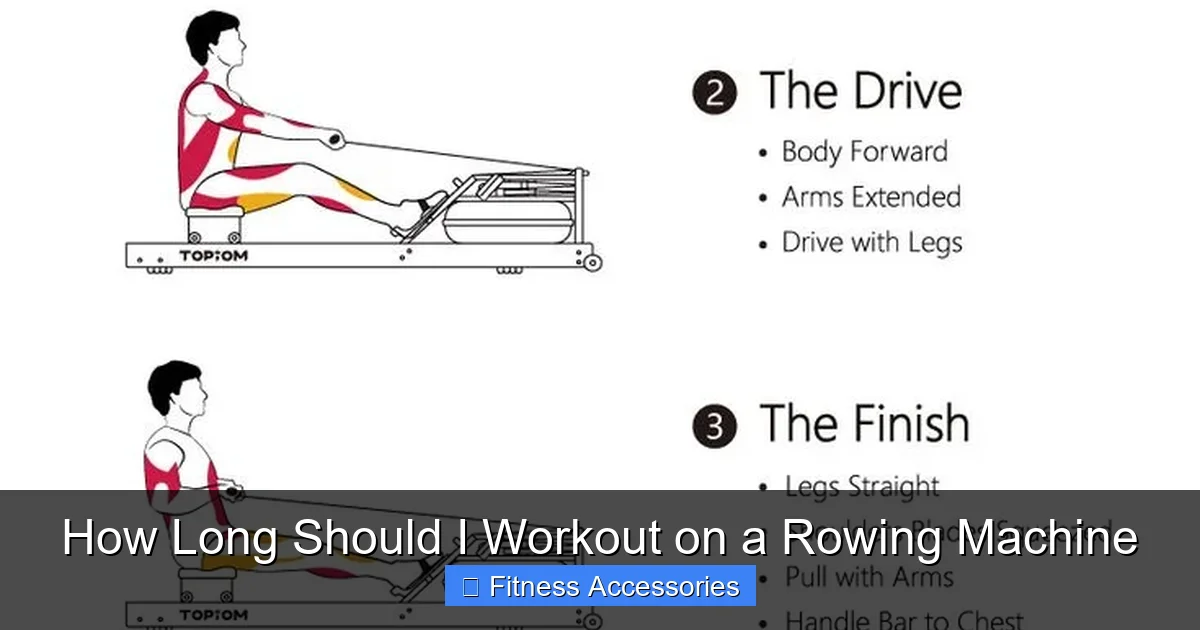
The rowing stroke has four parts: the catch, the drive, the finish, and the recovery. Each phase engages different muscles—from the legs and glutes on the drive to the back and arms on the finish. Mastering the stroke ensures you use energy efficiently, which directly impacts how long you can stay on the machine.
Visual guide about How Long Should I Workout on a Rowing Machine
Image source: res.cloudinary.com
Energy Systems at Play
Our bodies draw power from three systems:
- Aerobic system: Fuels long, steady rows (20 min+).
- Anaerobic glycolysis: Powers short, intense bursts (30‑90 seconds).
- Phosphocreatine (PC) system: Handles the first 10‑seconds of maximal effort.
When you ask, “How long should I workout on a rowing machine?”, the answer depends on which system you’re targeting. Longer sessions tap the aerobic system, while interval workouts lean on anaerobic pathways.
Factors That Influence Ideal Workout Length
- Fitness level: Beginners fatigue faster; advanced rowers can sustain higher outputs.
- Goal: Weight loss, endurance, or strength each has a different optimal duration.
- Time availability: A busy schedule may favor shorter, high‑intensity sessions.
- Equipment type: Air, magnetic, or water rowers have slightly different resistance curves, affecting perceived effort.
2. Goal‑Based Timing: Matching Length to Your Objective
Weight Loss and Fat Burning
For fat loss, the key is calorie expenditure while staying in a sustainable zone. Research shows 20‑30 minutes of steady rowing at 60‑70% of your max heart rate burns a solid 250‑350 calories for most people.
Visual guide about How Long Should I Workout on a Rowing Machine
Image source: i.pinimg.com
Tip: Keep your stroke rate between 22‑26 strokes per minute (spm). This pace feels comfortable yet challenging enough to stay in the “fat‑burn” heart‑rate zone.
Endurance Building
If you aim to improve cardiovascular endurance, longer rows are the answer. Aim for 45‑60 minutes at a moderate intensity (55‑65% max HR). This trains your aerobic system, increases mitochondrial density, and improves overall stamina.
Practical example: Row for 5 minutes warm‑up, then 40 minutes at a steady 24‑26 spm, finishing with a 5‑minute cool‑down.
Strength and Power Development
Power comes from short, explosive pulls. For strength, keep rows under 10 minutes, focusing on high intensity (80‑90% max HR) and low volume. Use interval formats like 30‑seconds all‑out followed by 90‑seconds easy rowing.
Sample workout: 5 × 30‑second sprints, 90 seconds recovery, total time ~12 minutes including warm‑up and cool‑down.
General Fitness and Health
Most people who just want to stay fit benefit from 20‑40 minute sessions, mixing steady state and intervals. This hybrid approach improves heart health, burns calories, and builds muscular endurance without overtaxing any single system.
3. Building Your Rowing Routine: From Beginner to Pro
Step 1 – The First 2 Weeks: Learn the Technique
Spend 10‑15 minutes per session focusing on form:
- Catch: Knees bent, shins vertical, arms straight.
- Drive: Push with legs, lean back slightly, pull handle to chest.
- Finish: Legs straight, lean back ~11°, elbows tucked.
- Recovery: Extend arms, lean forward, bend knees.
Do this 3 times a week. Keep the resistance low; the goal is muscle memory, not calorie burn.
Step 2 – Weeks 3‑6: Add Duration
Increase each session by 5 minutes every week. By week 6 you should comfortably row 20‑25 minutes.
Structure:
- 5‑minute warm‑up (easy pace).
- 15‑20 minutes steady rowing at 22‑24 spm.
- 5‑minute cool‑down.
Step 3 – Weeks 7‑10: Introduce Intervals
Now that technique is solid, mix in HIIT:
- 4 × 4‑minute intervals at 28‑30 spm, 2 minutes easy between.
- Or 10 × 30‑second sprints, 30‑second rest.
Total time stays around 30 minutes, but intensity spikes, boosting metabolism.
Step 4 – Weeks 11‑14: Endurance Push
If you’re chasing a marathon‑style row, schedule one long session per week:
- Start at 35 minutes, add 5 minutes each week.
- Maintain a comfortable stroke rate (20‑22 spm) to keep heart rate in aerobic zone.
The other two sessions can remain interval‑focused to preserve power.
Step 5 – Beyond 14 Weeks: Fine‑Tune and Periodize
Rotate 4‑week blocks:
- Block A – Power (short, high‑intensity).
- Block B – Endurance (long, steady).
- Block C – Mixed (moderate length with intervals).
- Block D – Recovery (light rows, focus on mobility).
This prevents plateaus and keeps motivation high.
4. Listening to Your Body: When to Stop, Slow Down, or Push Through
Warning Signs to End Early
- Dizziness or light‑headedness.
- Sharp joint pain (especially lower back or knees).
- Excessive shortness of breath that doesn’t improve with a slower pace.
If any of these appear, reduce intensity or stop and stretch. Recovery is part of progress.
How to Gauge Effort Without a Heart Rate Monitor
Use the “talk test.” If you can speak in full sentences, you’re likely in the aerobic zone (good for longer rows). If you can only say a few words, you’re in anaerobic territory—perfect for intervals but not sustainable for 45‑minute rows.
Recovery Strategies
- Post‑row foam roll (quads, hamstrings, lats).
- Hydrate with electrolytes, especially after sessions >30 minutes.
- Sleep 7‑9 hours to allow muscle repair.
5. Frequently Asked Questions About Rowing Duration
How many days a week should I row?
Three to five days is ideal. Mix short, intense days with longer, steady ones to balance recovery and progress.
Can I lose weight rowing only 15 minutes a day?
Yes, if you keep the intensity high (HIIT style) and pair it with a calorie‑controlled diet. Consistency matters more than length.
Is it okay to row every day?
Daily rowing can be fine for low‑intensity sessions, but give muscles at least one full rest or active‑recovery day per week to avoid overuse injuries.
What stroke rate should I aim for?
Beginners: 18‑22 spm. Fat‑loss/steady state: 22‑26 spm. Power/HIIT: 28‑32 spm. Adjust based on comfort and goal.
Should I use the damper setting on a water rower?
The damper mimics boat drag; higher settings feel harder but don’t change calorie burn dramatically. Choose a setting that lets you maintain good form for the desired duration.
How do I avoid a sore lower back?
Focus on hip drive, keep the back neutral, and engage core muscles throughout the stroke. A proper warm‑up and post‑row stretch also help.
Conclusion: Find Your Sweet Spot and Keep Rowing
Answering “How long should I workout on a rowing machine?” isn’t a one‑size‑fits‑all formula. It depends on your current fitness, goals, and schedule. Start small, master technique, and gradually increase time or intensity. Whether you have 10 minutes or an hour, a well‑structured rowing session can move you closer to stronger, leaner, and healthier you.
Remember, consistency beats perfection. Pick a duration that feels doable, stick with it, and tweak as you grow. Your rowing machine is ready—now it’s your turn to decide how long to let it work its magic.
Frequently Asked Questions
How long should a beginner row each session?
Start with 10‑15 minutes, focusing on form. Add 5 minutes every week until you reach 20‑25 minutes of steady rowing.
What is the optimal rowing time for fat loss?
Aim for 20‑30 minutes at a moderate intensity (60‑70% max HR) 3‑5 times per week. This balances calorie burn and recovery.
Can I do a 5‑minute rowing workout?
Yes. A 5‑minute high‑intensity interval (e.g., 30‑second sprint, 30‑second rest repeated) can boost metabolism when time is limited.
How often should I increase my rowing duration?
Increase by about 5 minutes every 2‑3 weeks. This gradual progression reduces injury risk and keeps improvements steady.
Is it better to row longer at low intensity or shorter at high intensity?
Both have benefits. Low‑intensity rows build endurance; high‑intensity intervals improve VO₂ max and burn calories fast. Mixing both gives the best overall results.
What should I do after a long rowing session?
Cool down for 5‑10 minutes at an easy pace, stretch the major muscle groups, hydrate, and consider light foam rolling to aid recovery.