How Long Should I Row on Rowing Machine
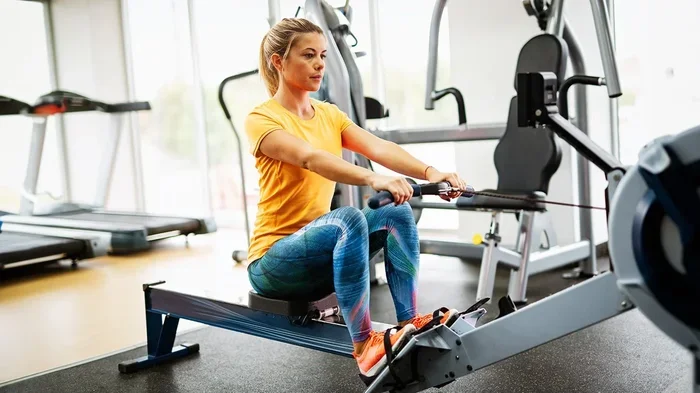
How long should I row on a rowing machine? The answer depends on your fitness level, goals, and available time. Most beginners should start with 10 to 20 minutes per session, while intermediate and advanced rowers can extend to 30 to 60 minutes. The right rowing machine workout duration balances intensity, consistency, and recovery to deliver real results without burnout or injury.
Rowing machines offer one of the best full-body workouts you can do at home or in the gym. They engage your legs, arms, back, and core all at once. But a question many people ask is: how long should I row on a rowing machine? The answer is not one-size-fits-all. It depends on your fitness level, goals, and how much time you have each day.
Whether you are a complete beginner or a seasoned athlete, finding the right rowing machine session length can make or break your progress. Too short, and you may not see results. Too long, and you risk burnout or injury. This guide breaks down everything you need to know about rowing machine workout duration so you can train smarter and get the best outcomes.
Key Takeaways
- Start small: Beginners should aim for 10 to 20 minutes per session and gradually build up duration over weeks.
- Match duration to goals: Fat loss, endurance, and cardio health each require different rowing session lengths.
- Frequency matters as much as length: Rowing 4 to 5 times per week at moderate duration beats one long session.
- Listen to your body: Rest days and recovery prevent overtraining and keep your rowing routine sustainable.
- Use interval training: Alternating high and low intensity makes shorter sessions highly effective.
- Track your progress: Monitoring time, distance, and pace helps you adjust your rowing machine routine smartly.
📑 Table of Contents
- Why Rowing Machine Duration Matters
- Recommended Rowing Duration by Fitness Level
- How Rowing Duration Connects to Your Goals
- How Often Should You Row? Frequency vs. Duration
- Rowing Machine Workouts: Duration and Intensity Explained
- Common Mistakes to Avoid With Rowing Duration
- Tracking Your Rowing Progress
- Quick Tips for Optimizing Your Rowing Sessions
- Final Thoughts
Why Rowing Machine Duration Matters
The length of your rowing session directly affects your results. A session that is too short may not challenge your body enough. A session that is too long can lead to fatigue, poor form, and even muscle strain. Finding the sweet spot helps you burn calories, build endurance, and improve cardiovascular health without overdoing it.
Your body responds to the total volume of work you do. This includes both the rowing machine time per session and how often you train each week. Understanding this balance is key to making consistent progress. Let us look at what the research and experts recommend for different fitness levels.
How Your Body Responds to Rowing Duration
When you row, your muscles use glycogen for energy. Short sessions under 20 minutes mainly burn stored glycogen. Longer sessions over 30 minutes shift your body toward fat oxidation. This is why rowing machine fat burn duration matters if weight loss is your goal.
Your heart rate also plays a role. Moderate-intensity rowing keeps your heart rate in the aerobic zone. High-intensity intervals push you into the anaerobic zone. Both have benefits, but the duration you choose should match the intensity level you are working at.
Recommended Rowing Duration by Fitness Level
Not everyone is at the same fitness level. Your ideal rowing machine routine duration should match where you are right now. Here is a clear breakdown.
Beginners: 10 to 20 Minutes
If you are new to rowing, start with 10 to 15 minutes per session. Focus on learning proper technique before chasing longer durations. Good form prevents injury and makes your workouts more effective. Once you feel comfortable, slowly add 2 to 3 minutes each week until you reach 20 minutes.
At this stage, keep your intensity moderate. You should be able to hold a conversation while rowing. This builds a strong aerobic base and prepares your joints and muscles for longer sessions in the future.
Intermediate: 20 to 40 Minutes
After a few weeks of consistent rowing, you can extend your sessions. Intermediate rowers benefit from 20 to 40 minutes per workout. This range allows you to explore different training styles, including steady-state rowing and interval training.
Try mixing up your rowing machine workout plan during this phase. One day might be a long, steady pull at moderate pace. The next day could feature short, intense sprints with rest periods. This variety keeps your body challenged and prevents plateaus.
Advanced: 40 to 60 Minutes
Experienced rowers can handle longer sessions of 40 to 60 minutes. These workouts build serious endurance and cardiovascular capacity. Advanced rowers often use these longer sessions for marathon training, cross-training for other sports, or competitive preparation.
Even at this level, quality matters more than quantity. A focused 45-minute session with proper pacing beats an unfocused 60-minute slog. Always prioritize technique and controlled breathing over simply logging minutes.
How Rowing Duration Connects to Your Goals
Your fitness goals should drive how long you row. Different objectives require different approaches to rowing machine exercise duration. Here is how to align your sessions with what you want to achieve.
Goal: Weight Loss and Fat Burning
For fat loss, longer sessions at moderate intensity work well. Aim for 30 to 45 minutes, 4 to 5 times per week. This keeps your heart rate in the fat-burning zone and creates a meaningful calorie deficit.
However, do not ignore the power of interval training on the rowing machine. A 20-minute HIIT session can burn as many calories as a 40-minute steady-state row. The afterburn effect means your body continues burning calories even after you stop rowing.
Pair your rowing sessions with a balanced diet. No amount of rowing can out-train a poor diet. Focus on whole foods, adequate protein, and consistent meal timing to support your weight loss journey.
Goal: Cardiovascular Health
The American Heart Association recommends at least 150 minutes of moderate-intensity aerobic activity per week. Rowing is a perfect way to hit this target. Split your rowing machine cardio sessions into 30-minute workouts, five days a week.
If you prefer vigorous rowing, you can reduce the time to 75 minutes per week. This might mean 25-minute sessions at higher intensity, three times per week. Either approach strengthens your heart, lowers blood pressure, and improves overall endurance.
Goal: Building Endurance and Stamina
Endurance building requires consistency over time. Gradually increase your rowing machine endurance training duration each week. Add 5 minutes to your session every one to two weeks until you reach your target.
Long, slow rows at a conversational pace are the foundation of endurance training. These sessions teach your body to use oxygen efficiently. Over time, you will notice that what once felt difficult now feels easy. That is the hallmark of true endurance gains.
Goal: General Fitness and Toning
For general fitness, 20 to 30 minutes, 3 to 4 times per week is a solid starting point. Rowing machines tone multiple muscle groups simultaneously. Your legs, core, back, and arms all work during each stroke.
You do not need extremely long sessions to see toning results. Consistency and proper form matter more than duration. A focused 25-minute session done regularly will deliver noticeable changes in muscle tone and overall fitness.
How Often Should You Row? Frequency vs. Duration
Duration is only one piece of the puzzle. How often you row matters just as much. Training too often without rest leads to overtraining. Training too little stalls your progress. Finding the right frequency keeps you moving forward.
Most people benefit from rowing 3 to 5 times per week. Beginners should start with 3 sessions and add a fourth as their fitness improves. Advanced athletes may row 5 to 6 times per week, but they should include at least one full rest day.
For more guidance on frequency, check out our article on how often you should row on a rowing machine. It covers scheduling, rest days, and how to balance rowing with other forms of exercise.
The Role of Rest Days
Rest days are not wasted days. They are when your muscles repair and grow stronger. Without rest, you risk overuse injuries and mental burnout. Plan at least one or two rest days per week, especially if you are rowing at higher intensities.
On rest days, you can still stay active with light walking, stretching, or yoga. Active recovery supports your rowing progress without adding stress to your body. Think of rest as part of the training plan, not a break from it.
Rowing Machine Workouts: Duration and Intensity Explained
Not all rowing sessions are the same. The relationship between duration and intensity determines the type of workout you are doing. Understanding this helps you choose the right rowing machine workout duration for each session.
Steady-State Rowing
Steady-state rowing means maintaining a consistent pace and intensity throughout your session. This is the go-to method for beginners and endurance builders. Sessions typically last 20 to 45 minutes at a moderate pace.
Keep your stroke rate between 18 and 24 strokes per minute for steady-state work. Your heart rate should sit around 60 to 70 percent of your maximum. This feels comfortable and sustainable. You should be able to hold a conversation without gasping for breath.
Interval Training on the Rowing Machine
Interval training alternates between high-intensity bursts and recovery periods. This approach is incredibly time-efficient. A well-designed interval session can deliver great results in just 15 to 25 minutes.
For example, try rowing hard for 1 minute, then resting for 1 minute. Repeat this cycle for 15 to 20 minutes. This type of training boosts your metabolism, improves cardiovascular fitness, and burns a high number of calories in a short amount of time. To learn more about pacing, see our guide on how fast should I row on a rowing machine.
Long Slow Distance
Long slow distance rowing involves extended sessions at low to moderate intensity. These workouts typically run 45 to 60 minutes or longer. They build aerobic capacity and mental toughness.
Many competitive rowers use long slow distance sessions as their base training. If you are training for a rowing competition or just want to push your endurance limits, these longer sessions are essential. Just make sure you build up to this duration gradually to avoid overtraining.
Common Mistakes to Avoid With Rowing Duration
Even with the best intentions, many people make mistakes when deciding how long to row. Avoiding these pitfalls keeps your progress on track and your body healthy.
Starting Too Long, Too Soon
The biggest mistake beginners make is jumping into long sessions right away. Your body needs time to adapt to the rowing motion. Starting with 45-minute sessions on day one leads to soreness, poor form, and quick burnout.
Follow the progression we outlined above. Start short, build gradually, and let your body adjust. Patience pays off far more than pushing too hard too soon.
Ignoring Pain and Fatigue Signals
Some discomfort during exercise is normal. Sharp pain, joint pain, or extreme fatigue are not. If you feel pain while rowing, stop immediately. Pushing through pain on a rowing machine workout can lead to serious injuries that sideline you for weeks or months.
Skipping Warm-Up and Cool-Down
Every rowing session should include a 3 to 5 minute warm-up and cool-down. Skipping these increases your risk of muscle strains and reduces your performance during the main workout. A proper warm-up prepares your joints and muscles for the work ahead.
Tracking Your Rowing Progress
How do you know if your rowing machine routine is working? Tracking your progress gives you clear answers. Most modern rowing machines display time, distance, pace, strokes per minute, and calories burned.
Keep a simple log of your sessions. Note the duration, intensity level, and how you felt afterward. Over weeks and months, you will see patterns. Maybe your pace improves at the same duration. Or you find you can row longer without feeling exhausted. These are signs of real progress.
For a specific benchmark, try timing yourself over 5 kilometers. Our guide on how long to row 5K on a rowing machine gives you a target to work toward and track your improvement over time.
Tools and Apps That Help
Several apps and devices can enhance your rowing tracking experience. Popular options include the Performance Monitor on Concept2 rowers, the Rowing Machine app for smartphones, and fitness trackers from brands like Garmin and Fitbit. These tools help you monitor heart rate, calories, and session duration with precision.
Using data to guide your training removes guesswork. You can adjust your rowing machine exercise duration based on real numbers rather than feelings alone. This approach leads to faster, more reliable results.
Quick Tips for Optimizing Your Rowing Sessions
- Warm up for 3 to 5 minutes before every session to prepare your body.
- Focus on technique first, then increase duration and intensity over time.
- Breathe rhythmically with each stroke to maintain steady energy output.
- Stay hydrated by keeping water nearby during every session.
- Mix up your workouts with steady-state, intervals, and long-distance rows.
- Cool down and stretch for 3 to 5 minutes after each session.
- Row at the same time each day to build a consistent habit.
- Set small weekly goals to keep yourself motivated and accountable.
Final Thoughts
So, how long should I row on a rowing machine? The truth is, there is no single perfect answer. Your ideal session length depends on your fitness level, goals, and schedule. Beginners should start with 10 to 20 minutes and build from there. Intermediate rowers can aim for 20 to 40 minutes. Advanced athletes may push 40 to 60 minutes per session.
The most important thing is consistency. A 20-minute rowing session done four times per week beats a single two-hour session once a week. Show up regularly, focus on proper form, and let your body adapt over time. Your rowing machine workout duration will evolve naturally as your fitness improves.
Remember to balance intensity with recovery. Listen to your body, track your progress, and adjust your routine as needed. Rowing is one of the most efficient and effective exercises you can do. Done right, it transforms your body, boosts your energy, and strengthens your heart. Start today, stay patient, and enjoy the journey.
For more detailed guidance on structuring your training, also check out our article on how long should I row on a rowing machine for additional expert recommendations and training plans.
Frequently Asked Questions
How long should a beginner row on a rowing machine?
Beginners should start with 10 to 15 minutes per session and gradually increase to 20 minutes over a few weeks. Focus on learning proper form and keeping intensity moderate. Consistency matters more than duration at this stage.
How long should I row to lose belly fat?
For fat loss, aim for 30 to 45 minutes of rowing per session, 4 to 5 times per week. Combine this with a balanced diet and consider adding interval training for extra calorie burn. Spot reduction is not possible, but overall fat loss will reduce belly fat over time.
Is 30 minutes on a rowing machine enough?
Yes, 30 minutes is an excellent duration for most fitness goals. It provides enough time for a meaningful workout whether you are doing steady-state rowing or interval training. For beginners, 30 minutes may feel challenging at first, but it becomes easier with regular practice.
How long should I row each day for cardio health?
The American Heart Association recommends 150 minutes of moderate aerobic activity per week. This translates to about 30 minutes of rowing, five days a week. You can also do 25 minutes of vigorous rowing three times per week for similar benefits.
Can I row for too long on a rowing machine?
Yes, rowing for too long, especially at high intensity, can lead to overtraining, poor form, and injuries like lower back strain or tendonitis. Listen to your body, include rest days, and increase duration gradually rather than jumping to long sessions too quickly.
How does rowing duration compare to other cardio machines?
Rowing engages more muscle groups than most cardio machines, which means you can achieve great results in shorter sessions. A 20-minute rowing workout can be as effective as 30 minutes on a treadmill or elliptical for many people. The full-body nature of rowing makes it a time-efficient choice for overall fitness.