How Do I Know If My Treadmill Needs Lubricant
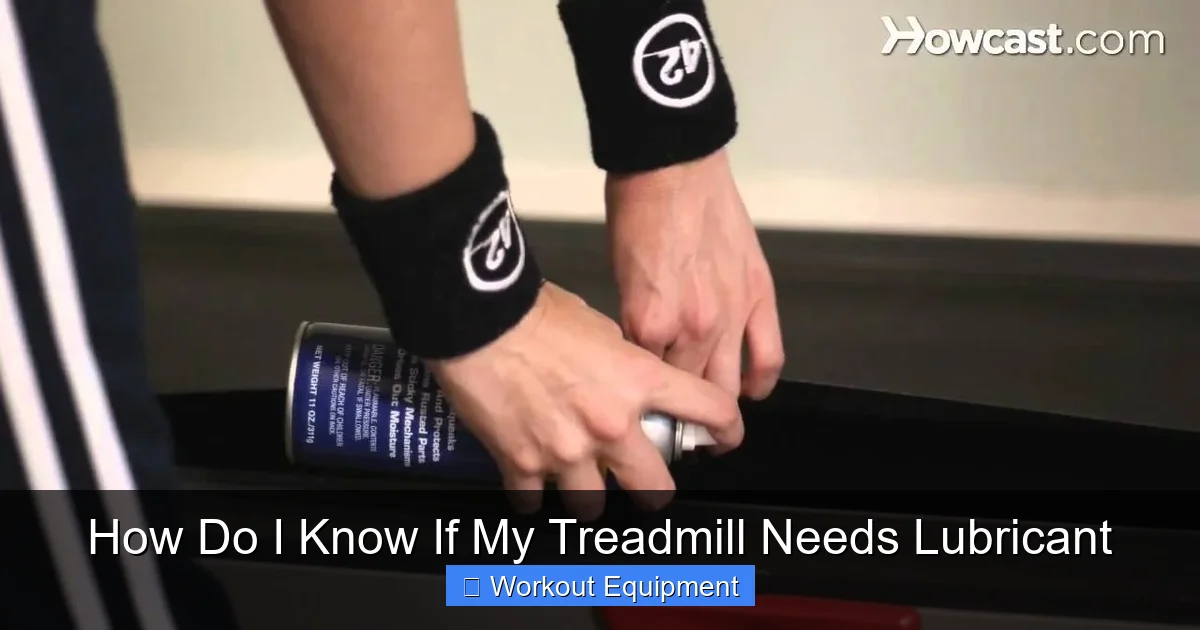
Knowing when your treadmill needs lubricant is crucial for its performance and longevity. Ignoring this maintenance leads to excessive wear, costly repairs, and a poor workout experience. You can identify the need by listening for unusual noises, feeling for belt drag, and performing a simple visual and tactile check under the belt. Regular, proper lubrication with the correct silicone-based product is the single most important thing you can do to protect your investment and ensure a quiet, smooth run.
Key Takeaways
- Listen for Warning Sounds: Squeaking, squealing, or grinding noises during operation are the most common auditory red flags that friction has increased due to lack of lubricant.
- Feel for Belt Resistance: If you have to push the belt significantly with your foot to get it moving, or it feels “sticky” and slows down abruptly when you step off, the deck likely needs lubrication.
- Visual Inspection is Key: You must periodically lift the belt to check the deck surface. A dry deck looks dull, may have visible streaks or discoloration, and will feel dry and rough to the touch.
- Use ONLY the Right Lubricant: Never use household oils, WD-40, or petroleum-based products. You must use a 100% silicone-based lubricant specifically designed for treadmill decks to avoid damaging the belt and motor.
- Frequency Depends on Use: Most home users should lubricate every 3-6 months, but heavy users (multiple people, daily, long sessions) may need to do it every 1-3 months. Always follow your manufacturer’s guidelines first.
- Neglect Leads to Failure: Running a dry treadmill causes premature wear on the belt and deck, puts excessive strain on the motor and rollers, and will eventually result in a complete breakdown requiring expensive part replacements.
- It’s a Simple DIY Task: With the right tools and lubricant, lubricating your treadmill is a quick, 15-minute process you can safely do yourself, saving hundreds in professional service fees.
📑 Table of Contents
- Why Lubrication Isn’t Optional: The Heart of Your Treadmill’s Health
- Decoding the Symptoms: How Your Treadmill Begs for Lubricant
- Understanding Your Treadmill: Key Components & Lubrication Points
- The Step-by-Step: How to Properly Check and Apply Lubricant
- How Often is Often Enough? Establishing a Maintenance Schedule
- Common Mistakes & Pitfalls to Absolutely Avoid
- The High Cost of Neglect: What Happens If You Never Lubricate
Why Lubrication Isn’t Optional: The Heart of Your Treadmill’s Health
Your treadmill is a marvel of mechanical engineering, a symphony of moving parts working in perfect harmony. At the core of that harmony is one simple, often overlooked element: friction. The running belt slides over a smooth surface, called the deck, which itself is supported by rollers. Between the belt and the deck, there must be a thin, consistent layer of lubricant. This layer acts as a cushion and a facilitator, allowing the belt to glide effortlessly. Without it, metal-on-rubber (or rubber-on-wood) contact creates immense heat and wear. Think of it like an engine without oil. It might run for a while, but it’s grinding itself to dust with every single revolution. Proper lubrication reduces this friction to near-zero, ensuring a quiet operation, a smooth feel underfoot, and, most importantly, preventing the catastrophic wear that turns a $1,000 machine into a costly pile of parts.
Many people buy a treadmill with visions of daily jogs and then forget that it’s a piece of precision equipment that requires basic care. They assume the squeak is just “how it sounds” or that the belt slowing down is normal. It’s not. These are your treadmill’s desperate cries for help. Understanding how to recognize these signals is the first step toward becoming a responsible owner and ensuring your machine serves you faithfully for years. This guide will walk you through every telltale sign, from the obvious to the subtle, and equip you with the knowledge to diagnose and fix the problem yourself.
Decoding the Symptoms: How Your Treadmill Begs for Lubricant
Your treadmill will communicate its needs, but you have to know what to listen and look for. The symptoms of a dry deck are often progressive, starting subtly and escalating into obvious malfunction. Paying attention early can save you from a complete belt or deck replacement.

Visual guide about How Do I Know If My Treadmill Needs Lubricant
Image source: m.media-amazon.com
The Auditory Alarms: Strange Noises You Can’t Ignore
The most immediate and common indicator is sound. A well-lubricated treadmill should have a low, steady hum from the motor and a nearly silent glide of the belt. When lubrication is insufficient, the friction generates noise. The classic sound is a high-pitched squeak or squeal that often synchronizes with your foot strike. It’s the sound of the belt literally protesting against the dry deck. Another red flag is a grinding or growling noise, which suggests the belt is not only dry but may also be misaligned, causing the edge to rub against the side rails or the deck itself. If you hear a rhythmic thumping or bumping, it could indicate the belt has become stiff and uneven due to heat and friction, or that the deck surface has developed high spots from wear. Any new, persistent noise during operation warrants an immediate inspection.
The Tactile Test: How the Belt Feels Underfoot
Close your eyes and focus on the sensation. On a properly maintained treadmill, the belt moves with a consistent, almost fluid momentum. You shouldn’t feel drag. A dry deck creates a noticeable resistance or “drag”. You might feel like you have to push the belt forward with your toes to get it moving at the start of your walk. During your run, it may feel as if the belt is “grabbing” your shoes slightly. The ultimate tactile test is the “step-off” test: while the treadmill is running at a low speed (2-3 mph), carefully step off the belt onto the side rails. Watch the belt. If it slows down abruptly or stops within a few seconds, that’s a definitive sign. A healthy, lubricated belt will continue spinning freely for a much longer time due to its momentum and low friction. This “coasting” test is a foolproof indicator.
The Visual Clues: What You See When You Look
What you can see with the belt in motion is limited. The real truth lies beneath. You must perform a visual inspection of the deck. This is a non-negotiable part of treadmill ownership. To do this, you’ll need to lift the belt. Most belts can be gently lifted by the edge. If your treadmill has a safety key, ensure it’s inserted. Refer to your manual for the correct method. Once lifted, look at the deck surface—the flat board the belt rides on.
- A Healthy, Lubricated Deck: Appears clean, slightly shiny or glossy, and smooth. There should be no visible debris, dust, or deep scratches. It may look almost like it has a faint film.
- A Dry, Needing-Lubrication Deck: Looks dull, dry, and matte. You might see light gray or white streaks running along the direction of belt travel. These are areas where the belt material has been wearing away and depositing onto the deck (a phenomenon called “deck shedding”). You may also notice discoloration or burn marks, especially near the center where most foot traffic occurs. The surface will feel rough to the touch, not slick.
Another visual sign is on the belt itself. Check the underside. If it’s covered in a fine, black dust or has visible fibers peeling off, that’s a sign it’s wearing prematurely from friction. A healthy belt underside should be relatively clean and smooth.
Understanding Your Treadmill: Key Components & Lubrication Points
To diagnose correctly, you need to know what you’re looking at. The lubrication system is simple but precise. The primary interface is between the running belt and the deck. The deck is typically a 1/2-inch to 1-inch thick board, often made of laminated wood or composite materials. Underneath the deck are the roller wheels (usually two large ones at the front and rear, and sometimes smaller guide rollers). These rollers have bearings that also need to be clean and free of debris, but they are not typically “lubricated” with the same silicone spray—their bearings are sealed. The motor drives a smaller pulley that connects to the front roller via a belt. The entire system relies on the belt-deck interface being slick.

Visual guide about How Do I Know If My Treadmill Needs Lubricant
Image source: treadmillvibe.com
The Deck: The Critical Surface
The deck is your main concern. It is sacrificial in a way—it’s designed to be smoother than the belt so that the belt (which is cheaper to replace) wears slower. But if the deck is dry, both wear incredibly fast. Some decks come pre-lubricated with a factory coating that eventually wears off. Others are bare wood/composite. Your goal is to maintain a thin, even film of silicone lubricant on this entire surface. You apply the lubricant directly onto the deck, under the belt.
The Belt: Not Just a Conveyor
The belt is a continuous loop of rubber or PVC composite, often with an internal weave for strength. Its underside is what contacts the deck. A new belt is smooth. As it wears, its surface can become rough. Lubricant protects the belt’s underside from this abrasive wear. Never lubricate the top surface of the belt—that’s where your shoes grip. Lubricant there would be dangerous.
Rollers & Motor: Supporting Cast
While the rollers and motor don’t need silicone spray in the same way, they are affected by deck dryness. A dry, high-friction surface makes the rollers work harder, heating up their bearings. An overworked motor draws more current and can overheat. So, by lubricating the deck, you are indirectly protecting the entire drivetrain. Keep the area around the rollers clean of dust and belt debris, which can act as an abrasive.
The Step-by-Step: How to Properly Check and Apply Lubricant
Now that you know the signs, let’s get hands-on. This process is straightforward and takes about 15 minutes. Always unplug your treadmill before performing any maintenance underneath the belt.

Visual guide about How Do I Know If My Treadmill Needs Lubricant
Image source: m.media-amazon.com
Preparation: Gather Your Tools & Read the Manual
You will need:
- 100% Silicone Treadmill Lubricant: This is the most critical item. It must be a clear, non-oily, non-sticky silicone spray or gel designed for treadmill decks. Avoid WD-40, 3-in-1 oil, vegetable oil, or any petroleum-based product. These can degrade the belt material, attract dust like a magnet, and damage the deck. Brands like “Lube-It” or “Treadmill Doctor” are common. Check your manual for the recommended type.
- Clean Rags or Paper Towels: For cleaning the deck beforehand and wiping excess.
- A small spatula or plastic card: To help spread lubricant if using a gel.
- Your treadmill’s owner’s manual.
First, consult your manual. Some manufacturers (like NordicTrack, ProForm, Sole) have specific recommendations or even proprietary lubricants. Some newer models claim to be “maintenance-free” with special decks. If yours is under warranty, using the wrong lubricant could void it. For most standard home treadmills, the process is universal.
The Inspection & Application Process
- Access the Deck: Lift the edge of the running belt. You may need to loosen the belt tension slightly via the adjustment bolts at the rear roller (your manual will show you). Lift the belt enough to see the deck clearly along a 12-18 inch section. You don’t need to remove it.
- Clean First: Using a dry rag, wipe away any old, gummy lubricant residue, dust, or debris from the deck surface. The deck should be clean and dry before applying new lube. If it’s extremely dirty, you can use a mild soapy water solution, but ensure it is completely dry before the next step.
- Apply Lubricant: Shake the silicone spray can well. Apply a thin, even line of lubricant along the center of the deck, parallel to the belt direction. For a standard 20-inch wide deck, you might use 1-2 sprays per foot. The goal is a thin film, not a puddle. If using a gel, squeeze a small bead along the center and use a plastic card to spread it into a thin, even layer across the width of the deck. Do not over-lubricate. Excess lubricant will be thrown off by the belt, attract dust, and create a mess.
- Work It In: Lower the belt. Manually rotate the belt by hand (with the machine unplugged) for about 30 revolutions to distribute the lubricant evenly across the entire deck surface under the belt.
- Wipe Excess: Lift the belt again and wipe away any visible excess lubricant from the edges of the deck and the underside of the belt. You want it all contained between the belt and deck.
- Re-tension (if loosened): If you loosened the belt, retighten it according to the manufacturer’s specifications. The belt should have about 1-2 inches of vertical give when lifted in the center.
- Test Run: Plug the treadmill in, start it at a very low speed (1 mph), and let it run for 2-3 minutes. You should immediately notice a difference—the noise should decrease or disappear, and the belt should feel smoother. Listen and feel for any residual drag. Wipe any lubricant that might have been thrown onto the side rails or deck edges.
For most treadmills, this process needs to be done along the entire length of the deck. A common method is to lubricate one section (e.g., the front half), manually rotate the belt to bring a dry section into view, and repeat until the entire deck is treated.
How Often is Often Enough? Establishing a Maintenance Schedule
There is no one-size-fits-all answer, as frequency depends entirely on usage. However, guidelines are clear.
The General Rule of Thumb
For the average home user who runs 3-5 times per week for 30-45 minutes per session, lubricating every 3 to 6 months is a safe and effective schedule. This proactive approach prevents wear before it becomes a problem. It’s easier to remember if you tie it to a seasonal change (e.g., “lubricate in spring and fall”).
Factors That Increase Frequency
You may need to lubricate more often if:
- Multiple Users: More people mean more cumulative miles and sweat.
- High Mileage/Intensity: Daily use, long sessions (60+ minutes), or frequent high-incline running generates more heat and stress.
- Environment: Treadmills in very dry, dusty, or hot climates will see lubricant evaporate or collect debris faster.
- Belt Type: Some lower-cost belts are less durable and may require more frequent attention.
In these cases, inspect your deck every 60-90 days. For commercial-grade or gym treadmills, lubrication is often part of a weekly or monthly maintenance routine due to extreme use.
What Your Manufacturer Says
Always defer to your owner’s manual. Some brands, especially newer “maintenance-free” models with special decks (like some Horizon or Johnson Fitness models), may advise against user-applied lubrication or specify a different interval. Using lubricant on a deck designed to be dry can ruin it. If your manual is lost, check the manufacturer’s website for a PDF copy. When in doubt, a visual inspection of the deck every 3 months is the best personal policy.
Common Mistakes & Pitfalls to Absolutely Avoid
Even with good intentions, it’s easy to make errors that can harm your treadmill. Here are the critical don’ts:
Using the Wrong Lubricant: The #1 Sin
This cannot be stressed enough. Petroleum-based products (WD-40, motor oil, household oil) are destructive. They break down the chemical composition of the belt’s rubber, causing it to become gummy, sticky, and eventually crack. They also dry out over time, becoming sticky themselves, and are fantastic dust magnets. The resulting gummy mess will coat your deck, rollers, and motor, leading to overheating and failure. Only use 100% silicone-based treadmill lubricant.
Over-Lubrication: More is NOT Better
It’s a common misconception that dousing the deck is helpful. Excess lubricant will be thrown from under the rapidly moving belt, splattering onto the motor, electronics, and floor. This creates a hazardous, slippery mess and attracts dust and hair, which forms an abrasive paste that grinds your components. It can also cause the belt to slip on the front roller, leading to a dangerous “jump” or slippage. Apply a thin, even coat—just enough to make the deck surface look slightly damp, not wet.
Neglecting to Clean First
Applying new lubricant over old, gummy, dirt-caked residue is pointless. The new lube won’t penetrate; it will just sit on top of the grime. Always wipe the deck clean with a dry (or slightly damp, then dried) cloth before application. For caked-on old lube, you may need a mild solvent like isopropyl alcohol, but test in an inconspicuous area first and ensure it’s completely evaporated before applying new silicone.
Skipping the Manual Belt Rotation
If you just spray and walk away, you’ll have a heavily lubricated strip under where the belt was sitting, and the rest of the deck will be dry. Manually rotating the belt by hand is essential to spread the lubricant to the entire surface area that will eventually come into contact with the belt.
Forgetting to Re-tension the Belt
If you loosened the belt to access the deck and forget to retighten it properly, the belt will slip, wander, and potentially derail. This is dangerous and will cause immediate damage. After lubrication, check the belt tension. It should be taut but not tight. A good test: lift the belt in the center. You should feel 1-2 inches of resistance (give). If it’s floppy, tighten. If you can’t lift it at all, it’s too tight.
The High Cost of Neglect: What Happens If You Never Lubricate
To truly motivate consistent maintenance, understand the cascade of failure that begins with a dry deck.
Stage 1: Accelerated Belt & Deck Wear
This is immediate. The belt’s underside and the deck surface become the grinding surfaces. You’ll see the gray streaks on the deck (belt dust) and the belt underside becoming fuzzy and rough. Both components are wearing away. A replacement belt costs $100-$300. A replacement deck (if available for your model) can cost $200-$600 or more, plus significant labor if you don’t DIY.
Stage 2: Roller and Bearing Damage
As friction increases, the rollers have to work harder to turn. The bearings inside the rollers, which are usually sealed, can overheat and fail. A seized or gritty roller creates a thumping noise and puts immense stress on the belt edges. Replacing rollers is a common repair.
Stage 3: Motor Overload and Failure
The motor is the powerhouse. To overcome the increased friction, it must work much harder, drawing more amperage. This causes it to overheat. Motors have thermal safety switches that will trip, causing the treadmill to shut off mid-workout. Repeated overheating can burn out the motor windings. A motor replacement is one of the most expensive repairs, often exceeding $500 for parts alone.
Stage 4: Complete System Failure
By the time you experience severe slipping, constant tripping of the circuit breaker, or the belt stops moving entirely, multiple components are likely damaged. The cost of repairing a neglected treadmill can easily surpass 50% of the machine’s original value. At that point, replacement is often the more economical choice. Regular $20 lubricant and 15 minutes of your time every few months is the ultimate cost-saving measure.
Conclusion: Your treadmill is an investment in your health. Treating it with simple, informed care—specifically, understanding and responding to its need for proper silicone lubrication—is the key to unlocking years of reliable, quiet, and enjoyable workouts. By listening to its noises, feeling its response, and peeking under the belt regularly, you become a proactive owner. You’ll avoid the frustration of breakdowns, save significant money on repairs, and ensure that every time you step on, you’re greeted with the smooth, consistent glide you paid for. Make checking and lubricating your deck a non-negotiable part of your home fitness routine. Your future self—and your treadmill—will thank you.
Frequently Asked Questions
How often should I lubricate my treadmill?
For most home users, lubricate every 3-6 months with 100% silicone-based lubricant. Heavy use (daily, multiple users, long sessions) may require lubrication every 1-3 months. Always check your owner’s manual for manufacturer-specific recommendations first.
What happens if I use WD-40 or household oil on my treadmill?
Never use WD-40, 3-in-1 oil, or petroleum-based products. They degrade the rubber belt, causing it to become sticky and crack. They also dry out, become gummy, and attract dust, creating an abrasive paste that damages the deck, rollers, and motor. Use only 100% silicone treadmill lubricant.
Can I over-lubricate my treadmill?
Yes. Applying too much lubricant is as bad as too little. Excess lube will be thrown off the belt, creating a slippery mess on the floor and attracting dust and hair to your treadmill’s internal components. It can also cause the belt to slip on the front roller. Always apply a thin, even coat.
Is it worth paying for professional service just for lubrication?
Not usually. Lubrication is a simple, 15-minute DIY task that requires only the correct lubricant and a rag. Professional service calls often have a high minimum fee. Unless you are uncomfortable with the process or your machine is under a service warranty, doing it yourself saves significant money.
My treadmill is “maintenance-free.” Do I still need to lubricate it?
Some newer models use special decks (like wax-impregnated or proprietary composites) that do not require user-applied silicone lubricant. If your manual states it is maintenance-free, follow those instructions. Do not assume; check your manual. Lubricating a “maintenance-free” deck can damage it.
What’s the single most important thing to remember about treadmill lubrication?
The absolute rule is to use ONLY 100% silicone-based lubricant specifically designed for treadmill decks. This one choice determines whether you protect your machine or destroy it. All other steps (frequency, application method) are secondary to using the correct product.