A Delicious Journey Through the History of French Fries
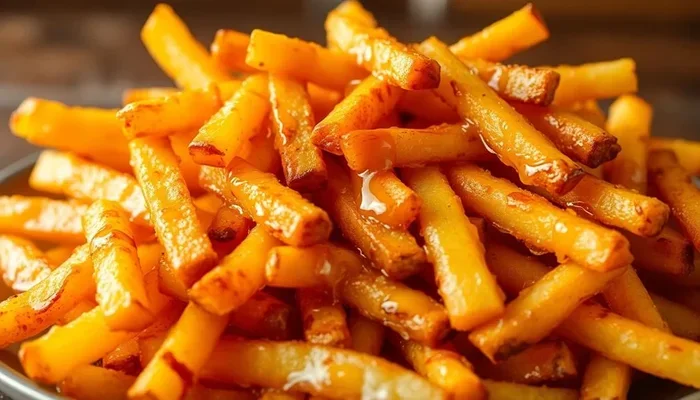
The history of french fries is a fascinating journey that spans centuries, continents, and cultures. What began as simple fried potatoes in Europe evolved into one of the most iconic snacks on the planet. From Belgium to Belgium’s streets to McDonald’s drive-thrus worldwide, the story of french fries is full of surprises, culinary innovation, and pure deliciousness that keeps us coming back for more.
The history of french fries is one of the most delicious stories in food culture. These golden, crispy sticks of joy have a past that is far more interesting than most people realize. Whether you grab them from a food truck or a fancy restaurant, fries have a story that connects countries, wars, and generations.
So where did french fries actually come from? The answer might surprise you. The origin of french fries is a mix of folklore, culinary tradition, and a bit of historical mystery. What we do know is that fried potatoes have been enjoyed for centuries, and their journey to global fame is nothing short of remarkable.
Today, fries are everywhere. They sit beside burgers, nestle in paper cones, and fill the smell of fast food restaurants around the world. But behind every crispy bite lies a rich tapestry of history that connects the streets of Europe to the drive-thrus of America and beyond.
Key Takeaways
- Belgium or France?: The true origin of french fries is hotly debated between Belgium and France, with strong evidence supporting both claims.
- World War One Spread: American soldiers helped popularize “French fries” globally during their time in Belgium during WWI.
- The Hedonic Appeal: The combination of salt, fat, and crunch triggers pleasure responses that make fries incredibly hard to resist.
- Frozen Revolution: Frozen fries changed the game, making them available in homes and restaurants worldwide.
- Global Variations: Every culture puts its own spin on fries, from Belgian frites to Japanese shoestring fries.
- Fast Food Staple: Fries became inseparable from the fast food industry and remain its most profitable side dish.
📑 Table of Contents
The Mysterious Origins of French Fries
The story of where french fries began is one of the most fun debates in food history. Two countries both claim to be the birthplace of this beloved snack. Let us dive into the evidence and see what makes each case so compelling.
Belgium Claims the Crown
Many Belgians firmly believe that fries were invented in their country. The story goes back to the late 1600s in the Meuse Valley region. According to local legend, villagers in Namur, Dinant, and other towns along the Meuse River used to fry small fish as a staple food.
But when the river froze over during harsh winters, fishing became impossible. So the villagers did what any resourceful people would do. They cut potatoes into thin strips and fried them in oil, mimicking the shape and cooking method of their beloved tiny fish. And just like that, fried potatoes were born.
This story has been passed down through generations. Belgians take their fry culture seriously. In fact, the Belgian tradition of eating frites from a street vendor, called a frituur, is still alive and thriving today. A paper cone of fresh Belgian fries with a rich sauce is considered a national treasure.
The French Connection
France has its own strong claim to the invention of fries. The story here centers on Paris in the late 1700s. Street vendors on the Pont Neuf bridge were said to be among the first to sell fried potato sticks to hungry passersby.
The term “pommes frites” entered the French culinary vocabulary around this time. Some food historians point to cookbooks from the early 1800s that describe recipes for deep-fried potato slices and batons. The French fry etymology remains a point of scholarly discussion to this day.
What makes the French claim especially interesting is the word “French” itself. Many people assume the name comes from the country of France. But another theory suggests that “French” refers to the cutting technique. To “French” something in cooking means to cut it into long, thin strips. So “french fries” might simply mean “fries cut in the French style.”
The Name “French Fries” Explained
The naming of french fries is a delightful puzzle. Several theories compete for the truth. One popular explanation ties the name to the French language and the method of preparation. Another links it directly to the country of France.
Some food writers believe the name gained popularity through American soldiers during World War One. These soldiers encountered fried potatoes in Belgium, where the local language is French. They called them “French fries” and the name stuck around the world. Regardless of which theory is correct, the name has become synonymous with one of the most loved foods on Earth.
How French Fries Conquered the World
From a local street snack to a global phenomenon, the journey of fries across the world is a story of migration, war, and commerce. Let us trace how these golden sticks won hearts everywhere they went.
World War One and the Global Spread
World War One played a huge role in spreading the popularity of french fries. American, British, and French soldiers stationed in Belgium discovered the delicious treat. They brought the recipe and the name back to their home countries. The World War One fries connection is one of the most widely accepted explanations for how fries became an international food.
Soldiers who tasted fried potatoes in the Belgian countryside returned home with a taste for them. Restaurants and street food vendors in the United States, United Kingdom, and France began offering their own versions. The popularity grew steadily through the early 1900s.
By the 1920s and 1930s, fries had become a common menu item in American diners and lunch counters. They were affordable, filling, and delicious. The fast food history of fries was just getting started.
The Rise of Fast Food Fries
The mid-20th century changed everything for french fries. The rise of fast food chains in the United States turned fries into a side dish that everyone knew and loved. No burger meal felt complete without a portion of golden fries.
One of the biggest names in this story is the McDonald brothers. They streamlined the production of fries and made them a core part of the fast food experience. The economics behind the fast food industry, where items like fries are priced to move, share some interesting parallels with the average cost of a treadmill and how pricing shapes consumer behavior in fitness and food alike.
Fast food chains invested heavily in perfecting the fry. They experimented with cut styles, cooking times, and seasoning blends. The result was a product that was consistent, affordable, and incredibly satisfying. Fries became the most profitable side dish in the restaurant industry.
The Science Behind Why We Love Fries
Why is it so hard to stop at just a few fries? The answer lies in food science and psychology. The perfect combination of ingredients in fries triggers responses in our brains that make us crave more.
The Hedonic Treadmill and Food Pleasure
Many food scientists point to the hedonic treadmill concept to explain why we keep reaching for another handful of fries even after a full meal. The hedonic treadmill is the idea that our pleasure levels reset after positive experiences, pushing us to seek more stimulation for the same level of satisfaction.
Fries hit multiple pleasure points at once. The salt triggers our taste receptors. The fat delivers rich flavor and a satisfying mouthfeel. The crunch provides a sensory experience that our brains find rewarding. Together, these elements create a food that is almost impossible to eat in moderation.
This is not just about willpower. Our brains are wired to seek out calorie-dense foods, especially combinations of salt, fat, and carbohydrates. Fries check every box. No wonder they are so hard to resist.
The Perfect Crunch and Texture
The texture of a great fry matters just as much as the taste. The ideal fry has a thin, crispy shell on the outside and a soft, fluffy interior. This contrast is what makes each bite so satisfying.
Many chefs swear by the double-fry method. The first fry cooks the potato through at a lower temperature. The second fry at a higher heat creates that signature golden crust. This technique, common in Belgian friteries, produces fries with an unbeatable crunch.
The shoestring fries style, which is thin and delicate, tends to be extra crispy. The thicker steak fry style offers more fluffy potato on the inside. Both styles have passionate fans around the world.
French Fries in the Modern Era
The modern era brought big changes to how fries are made, sold, and enjoyed. Technology and changing consumer habits reshaped the fry landscape in remarkable ways.
Frozen Fries and Home Cooking
The invention of frozen fries in the mid-20th century was a game-changer. Suddenly, anyone could enjoy restaurant-quality fries at home. The frozen fry revolution made this beloved side dish accessible to millions of people who did not live near a fry stand or fast food restaurant.
Today, frozen fries are a staple in grocery stores worldwide. They come in many varieties, from classic cuts to waffle fries and curly fries. The convenience of frozen fries means that homemade fries are just a few minutes away, no matter where you live.
Cooking tips for great frozen fries include preheating your oven, spreading them in a single layer, and not overcrowding the baking sheet. A light coating of oil before baking helps achieve that golden crispiness. A sprinkle of sea salt right out of the oven makes all the difference.
Fitness Culture and Fries
Fries and fitness might seem like opposites, but they often go hand in hand in modern culture. Even those who spend time on a Planet Fitness treadmill know that post-workout fries are a guilty pleasure many simply cannot resist. The balance between enjoying treats and maintaining a healthy lifestyle is something most people navigate every day.
Many fitness enthusiasts view fries as an occasional reward rather than an everyday food. The key is moderation and balance. A small portion of fries after a tough workout can feel both satisfying and well-deserved. The important thing is enjoying them mindfully as part of a broader healthy diet.
Types of French Fries Around the World
One of the most exciting things about fries is how different cultures put their own unique spin on them. Every region has its own style, sauce, and tradition. Let us take a quick trip around the world.
Belgian Frites
Belgian frites are widely considered the gold standard of fries. They are thick-cut, double-fried, and served in a paper cone with a variety of sauces. The traditional sauce is Andalouse, a creamy tomato-based condiment. Other popular options include samurai sauce and mayo.
Belgian friteries, or fritkots, are found on nearly every street corner in Belgium. They use beef tallow or vegetable oil for frying, which gives the fries a rich, distinctive flavor. Eating frites from a paper cone on a busy Brussels street is a quintessential experience.
American Fast Food Fries
American fast food fries are thin, crispy, and uniformly shaped. They are designed for mass production and consistency. McDonald’s, Burger King, Wendy’s, and other chains each have their own proprietary fry recipes and preparation methods.
These fries are typically blanched, frozen, and then flash-fried at the restaurant. This process ensures that every fry comes out golden and crispy. The seasoning blend, often just salt, is simple but effective.
Creative Fries From Around the Globe
Other countries have their own fry traditions too. In the United Kingdom, chips are thick and hearty, often served with fish. In Japan, shoestring fries are common, and seasoning blends like seaweed and sesame are popular. In the Netherlands, frites are served with a generous drizzle of peanut sauce.
In Canada, poutine takes fries to a whole new level. Fresh fries are topped with cheese curds and smothered in gravy. It is a rich, hearty dish that has become a national symbol of comfort food.
The Future of French Fries
Fries continue to evolve as food trends change and new technologies emerge. The future of this beloved snack looks bright and full of innovation.
Health-Conscious Alternatives
As people become more health-conscious, the fry industry is adapting. Oven-baked fries, air-fried fries, and sweet potato fries are growing in popularity. These alternatives offer the same satisfying crunch with fewer calories and less fat.
Some brands now offer baked fry options that use less oil during preparation. Air fryers have also revolutionized home cooking, allowing people to make crispy fries with just a fraction of the oil. These innovations make it easier than ever to enjoy fries in a lighter way.
Sustainable Fries
The environmental impact of food production is a growing concern. The fry industry is responding with sustainable sourcing practices. Many chains now use potatoes from farms that prioritize soil health, water conservation, and reduced pesticide use.
Some companies are also exploring alternative oils for frying that have a lower environmental footprint. The goal is to keep fries delicious while reducing their impact on the planet. Consumers are increasingly demanding transparency about how their food is produced, and the fry industry is listening.
Conclusion
The history of french fries is a story of cultural exchange, culinary creativity, and pure enjoyment. From their debated beginnings in Belgium or France to their current status as a global fast food icon, fries have come a long way. They have survived wars, crossed oceans, and adapted to every culture they touched.
Today, fries are more than just a side dish. They are a symbol of comfort, celebration, and shared joy. Whether you prefer them thin and crispy or thick and fluffy, dipped in ketchup or a rich Belgian sauce, fries bring people together. The next time you enjoy a perfectly golden fry, take a moment to appreciate the incredible journey it has taken to reach your plate. The history of french fries is truly a delicious adventure that continues to unfold with every new generation.
Frequently Asked Questions
Who actually invented french fries?
The true inventor of french fries is still debated between Belgium and France. Belgian villagers in the Meuse Valley are said to have fried potato strips in the late 1600s when they could not catch fish. French street vendors in Paris also claim to have popularized fried potatoes in the 1700s. Both countries have strong historical evidence supporting their claims.
Why are they called “French” fries if they may not be from France?
The name “French fries” likely comes from one of two sources. Some believe it refers to the French cutting technique called “frenching,” which means cutting food into long thin strips. Others believe American soldiers in World War One called them “French fries” after tasting them in French-speaking Belgium. The exact origin of the name remains unclear.
When did french fries become popular in America?
Fries became popular in America in the early to mid-1900s. American soldiers returned from World War One with a taste for them. By the 1920s, fries were common in American diners. The rise of fast food chains in the 1950s and 1960s made fries a household name across the country.
What is the difference between Belgian frites and American fries?
Belgian frites are typically thicker cut and double-fried for a crispy outside and fluffy inside. They are traditionally served in a paper cone with sauces like Andalouse or mayo. American fast food fries are thinner, uniformly shaped, and usually served plain with just salt. The double-fry method gives Belgian frites a distinctive texture and flavor.
Are frozen fries as good as fresh fries?
Frozen fries have come a long way and can be very close in quality to fresh fries. The freezing process locks in flavor and texture. With the right cooking technique, such as preheating your oven and spreading fries in a single layer, you can achieve excellent results at home. Many professional chefs also use frozen fries as a base for their dishes.
What are the healthiest ways to enjoy french fries?
Healthier ways to enjoy fries include baking them in the oven instead of deep-frying, using an air fryer with minimal oil, or choosing sweet potato fries for added nutrients. Portion control also plays a big role. Enjoying a small serving of fries as an occasional treat fits well into a balanced diet.