Get Insights on Sell My Used Car Privately in Massachusetts

Selling your used car privately in Massachusetts can earn you more money than a trade-in. This guide covers everything you need to know, from setting the right price to handling the title transfer. You will learn step-by-step how to navigate the process safely and efficiently in the Bay State.
Key Takeaways
- Set a Fair Price: Use online tools and local market data to price your car competitively in Massachusetts.
- Gather Your Paperwork: Have the title, bill of sale, and maintenance records ready before listing.
- Use Multiple Platforms: List on local and online marketplaces to reach more private buyers.
- Handle the Title Transfer Properly: Follow Massachusetts DMV rules to avoid legal issues.
- Stay Safe: Meet buyers in public places and accept secure payment methods.
- Clean and Detail: A well-maintained car sells faster and at a higher price.
- Know Your State Laws: Massachusetts has specific rules for private car sales.
📑 Table of Contents
- How to Sell My Used Car Privately in Massachusetts
- Step 1: Prepare Your Car for Sale
- Step 2: Set the Right Price
- Step 3: Create an Effective Listing
- Step 4: Handle Negotiations and Showings
- Step 5: Complete the Sale and Paperwork
- Common Mistakes to Avoid When Selling Your Car Privately
- Massachusetts Laws and Regulations You Should Know
- Expert Tips for a Fast and Profitable Sale
- Final Thoughts on Selling Your Used Car Privately in Massachusetts
How to Sell My Used Car Privately in Massachusetts
Selling a used car privately in Massachusetts is one of the best ways to get the most money for your vehicle. When you skip the dealership, you keep the profit that would otherwise go to a middleman. But the process can feel overwhelming if you have never done it before. This guide walks you through every step of a private car sale in the Bay State.
Massachusetts has its own set of rules for private party sales. From title transfers to emissions checks, you need to know the local requirements. Whether your car is a sedan, SUV, or truck, the basics stay the same. Let us dive into how you can sell your car quickly, safely, and for top dollar.
Why Sell Privately Instead of Trading In?
A trade-in at a dealership is easy, but it usually means leaving money on the table. Dealerships need to make a profit, so they offer you less. When you sell privately, you set the price. You connect directly with a private car buyer who is willing to pay what your car is worth.
On average, a private sale can net you 20 to 30 percent more than a trade-in offer. That extra cash can go toward your next vehicle or simply stay in your pocket. The trade-off is more effort on your part. You handle the listing, the showings, the negotiations, and the paperwork. But with the right approach, it is very manageable.
Step 1: Prepare Your Car for Sale
First impressions matter a lot when you are selling a car privately. A clean, well-maintained vehicle attracts more buyers and supports a higher asking price. Before you list anything, take time to prepare.
Clean Inside and Out
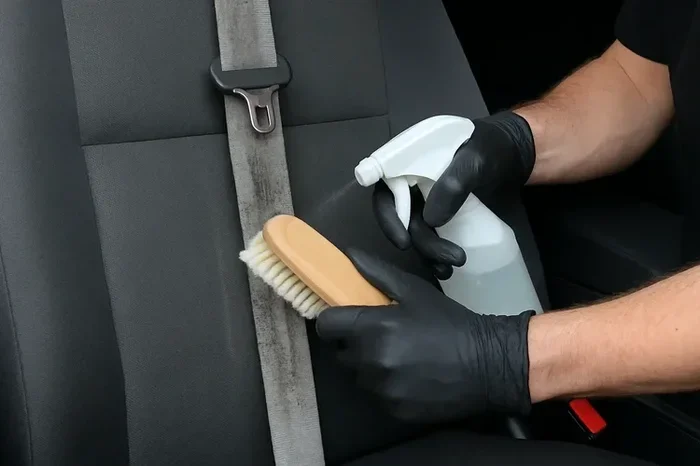
Give your car a thorough wash inside and out. Consider a professional detailing service if the car has been through a lot. A clean car signals to buyers that it has been well cared for. Pay attention to small details like vacuuming the seats and wiping down the dashboard.
Gather Maintenance Records
Buyers want to see that you have kept up with regular maintenance. Collect all your service records, oil change receipts, and inspection reports. If you have replaced major parts like brakes or tires recently, mention that too. A full maintenance history builds trust and can justify a higher price.
Consider a Pre-Sale Inspection
A pre-sale inspection is a great way to identify any issues before a buyer finds them. Take your car to a trusted mechanic for a quick check-up. Fixing small problems upfront can prevent negotiations from falling apart later. It also gives you peace of mind when answering buyer questions.
Step 2: Set the Right Price
Pricing is one of the most important parts of a private car sale. Price too high, and buyers will scroll past. Price too low, and you leave money on the table. Finding the sweet spot takes a little research.
Use Online Valuation Tools
Start by checking the value of your car on sites like Kelley Blue Book, Edmunds, and NADA Guides. Enter your car’s make, model, year, mileage, and condition. These tools give you a range of fair market values. Use them as a starting point, not the final word.
Check Local Massachusetts Listings
Look at what similar cars are selling for in Massachusetts right now. Search on platforms like Craigslist, Facebook Marketplace, and Autotrader. Focus on cars in your area with similar mileage and condition. Local market data is the best indicator of what buyers in Massachusetts are willing to pay.
Factor in Your Car’s Unique Features
Does your car have low mileage? New tires? A clean title? These are all selling points that can justify a slightly higher price. On the other hand, if your car has cosmetic damage or high mileage, be realistic. Buyers will notice, and honesty builds credibility.
Step 3: Create an Effective Listing
A great listing gets noticed and generates serious inquiries. You want your ad to stand out from the crowd. Here is how to make it work for you.
Write a Clear and Honest Description
Start with the basics: year, make, model, trim, mileage, and trim level. Then highlight key features like fuel efficiency, safety tech, or recent repairs. Be honest about any flaws. Transparency goes a long way in building trust with potential buyers.
Take High-Quality Photos
Good photos are essential for any online car listing. Take pictures during the day in good lighting. Shoot the exterior from multiple angles, including the front, back, and sides. Inside, photograph the seats, dashboard, and trunk. Include a shot of the odometer and any damage. Clear photos attract more clicks and serious inquiries.
Choose the Right Platforms
List your car on multiple platforms to maximize exposure. Facebook Marketplace is free and very popular in Massachusetts. Craigslist reaches a wide local audience. Autotrader and Cars.com offer more visibility but may cost a fee. You can also post in local Massachusetts Facebook buy-and-sell groups for quick results.
Step 4: Handle Negotiations and Showings
Once your listing is live, buyers will start reaching out. How you handle negotiations and showings can make or break the sale.
Be Ready to Negotiate
Almost every private car sale involves some negotiation. Set your asking price a little above what you would accept, so you have room to negotiate. Know your lowest acceptable price before you start. Stay firm but friendly during the conversation.
Schedule Showings Safely
Always meet potential buyers in a public place. A busy parking lot or a local police station is ideal. Tell a friend or family member where you are going and when you expect to be back. Never invite strangers to your home alone. Safety should always come first when selling privately.
Let the Buyer Inspect the Car
Be open to letting buyers inspect the vehicle and even take it for a test drive. If possible, go with them on the test drive. Have your driver’s license and registration ready. A willing buyer who wants to inspect the car is usually a serious one.
Step 5: Complete the Sale and Paperwork
The final step is closing the deal properly. Massachusetts has specific requirements for a private party sale. Getting the paperwork right protects both you and the buyer.
Complete the Title Transfer
The Massachusetts title must be signed over to the buyer at the time of sale. Fill out the assignment section on the back of the title. Include the sale date, purchase price, and both parties’ names and addresses. The buyer will need this to register the vehicle in their name at the Massachusetts DMV.
Write a Bill of Sale
A bill of sale is not legally required in Massachusetts, but it is highly recommended. It serves as proof of the transaction. Include the car details, sale price, date, and signatures from both parties. Keep a copy for your records.
Remove Your License Plates
In Massachusetts, you must remove your license plates when you sell the car. The plates stay with you, not the buyer. This ensures you are no longer linked to the vehicle after the sale. It also protects you from any future parking tickets or violations.
Accept Secure Payment
When it comes to payment, safety is key. Cash is the most secure option for private sales. If the buyer wants to pay with a check, make sure it clears before handing over the keys and title. Avoid wire transfers from unknown buyers. A certified bank check is a good middle ground.
Common Mistakes to Avoid When Selling Your Car Privately
Even experienced sellers can make mistakes. Here are some common pitfalls to watch out for.
- Overpricing your car: This is the number one reason private sales stall. Be realistic about your car’s value.
- Skipping the paperwork: Incomplete title transfers can lead to legal headaches later.
- Meeting in unsafe locations: Always choose public, well-lit spots for showings.
- Hiding flaws: Dishonesty will backfire. Buyers will find issues, and it ruins trust.
- Rushing the sale: Take your time to find the right buyer at the right price.
Avoiding these mistakes helps ensure a smooth and profitable private car sale. A little patience goes a long way.
Massachusetts Laws and Regulations You Should Know
Massachusetts has specific rules for selling a car privately. Understanding these laws keeps you protected.
First, both the seller and buyer must complete a bill of sale for the transaction to be valid. The title must be transferred within 10 days of the sale. If you fail to transfer the title, you may still be held responsible for any parking violations or accidents involving the vehicle.
Emissions testing is another important factor. Massachusetts requires vehicles to pass an emissions check before registration. If your car fails, the buyer may ask for a price reduction. Being upfront about any emissions issues helps build trust and avoids disputes.
Finally, Massachusetts law requires that you notify the RMV of the sale. You can do this online through the MassDOT website. This step removes you from liability and ensures a clean break from the vehicle.
Expert Tips for a Fast and Profitable Sale
Want to sell your car quickly and get the best price? Here are some expert-backed tips.
- Price competitively: Check local listings and price your car within the market range.
- Respond quickly to inquiries: Fast replies show professionalism and keep buyers interested.
- Offer a warranty: Even a short-term warranty can make your car more attractive.
- Be flexible with showings: The more available you are, the faster you will sell.
- Highlight what makes your car special: Low mileage, new tires, or recent service records are big selling points.
Following these tips puts you ahead of most private sellers in Massachusetts. A little preparation and smart pricing can make all the difference.
Final Thoughts on Selling Your Used Car Privately in Massachusetts
Selling your used car privately in Massachusetts is a rewarding process when done right. You keep more money, connect directly with buyers, and gain control over the entire sale. From preparing your car and setting the right price to handling paperwork and meeting buyers safely, each step matters.
Take your time, stay organized, and be honest with potential buyers. The more prepared you are, the smoother the experience will be. Whether you are selling a sedan or an SUV, these tips apply to any private party sale in the state.
Now you have the knowledge and tools to sell your car with confidence. Put these steps into action and watch your car find the right buyer. Good luck with your sale!
Frequently Asked Questions
How do I price my used car for a private sale in Massachusetts?
Start by checking online valuation tools like Kelley Blue Book and Edmunds. Then compare local listings on Facebook Marketplace and Craigslist for similar cars in your area. Set a price that is competitive but fair based on your car’s condition and mileage.
What paperwork do I need to sell my car privately in Massachusetts?
You need the vehicle title, a bill of sale, and your registration. Both you and the buyer must sign the title to complete the transfer. You should also remove your license plates and notify the RMV of the sale online.
Is a bill of sale required in Massachusetts?
A bill of sale is not legally required, but it is highly recommended. It serves as proof of the transaction and protects both the seller and buyer. Include the car details, sale price, date, and both signatures.
Where can I meet buyers safely when selling my car?
Always meet in a public, well-lit place such as a shopping center parking lot or near a local police station. Tell someone you trust where you are going and when you expect to return. Never invite strangers to your home alone.
What payment methods are safest for a private car sale?
Cash is the safest option. If the buyer wants to pay by check, make sure it clears at the bank before handing over the title and keys. Avoid wire transfers or money orders from unknown buyers.
How long does it take to sell a car privately in Massachusetts?
The timeline varies depending on the car’s price, condition, and demand. A well-priced car in good condition can sell within one to three weeks. Listing on multiple platforms and being flexible with showings can speed up the process.
=== INTERNAL LINKS ===