Does Walking Uphill on a Treadmill Burn Fat
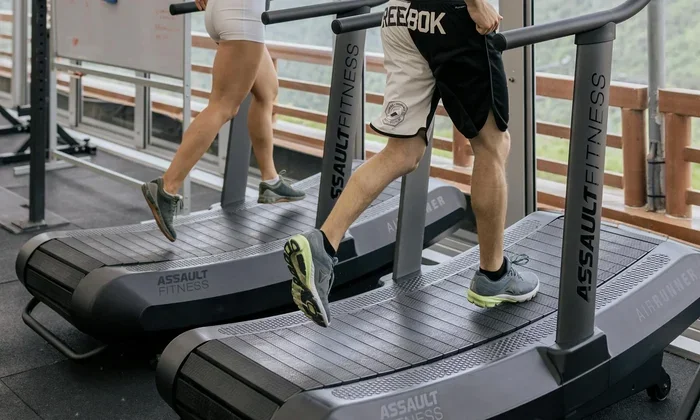
Walking uphill on a treadmill is a highly effective way to burn fat, boost calorie expenditure, and tone your lower body. By increasing the incline, you engage more muscles and elevate your heart rate, which accelerates fat loss. In this guide, we break down the science, best practices, and tips to help you get the most out of every uphill walking session.
Have you ever wondered if does walking uphill on a treadmill burn fat? The short answer is yes. But the full picture is even more exciting than a simple yes or no. Walking on an incline transforms a simple cardio session into a powerful fat-burning workout. It works your glutes, hamstrings, and calves in ways that flat walking simply cannot match.
More people are turning to incline walking because it delivers real results without the joint stress of running. Whether you are trying to shed a few pounds or just want a more effective workout, uphill walking on a treadmill might be exactly what you need. Let us dive deep into how it works, what the science says, and how you can use it to burn fat effectively.
Key Takeaways
- Uphill walking burns more calories than flat walking because it increases resistance and engages large muscle groups.
- Incline walking targets stubborn fat areas, especially around the belly, hips, and legs.
- A 10-15% incline at a moderate pace is ideal for beginners looking to maximize fat burn.
- Walking uphill improves cardiovascular health and boosts your metabolism long after the workout.
- Consistency matters more than intensity — aim for 30-45 minutes, 4-5 times per week.
- Proper form and footwear prevent injuries and make uphill walking more effective.
📑 Table of Contents
- How Does Walking Uphill on a Treadmill Burn Fat?
- Benefits of Walking Uphill on a Treadmill
- Best Incline Settings to Burn Fat
- How Many Calories Does Incline Walking Burn?
- Common Mistakes to Avoid When Walking Uphill
- Tips to Maximize Fat Burning on an Incline Treadmill
- Is Walking Uphill Better Than Running on a Treadmill for Fat Loss?
- Conclusion
How Does Walking Uphill on a Treadmill Burn Fat?
When you walk on a flat surface, your body moves with minimal resistance. But the moment you increase the incline, everything changes. Your muscles have to work harder to push your body upward against gravity. This extra effort means more energy is needed, and that energy comes from stored fat.
Here is what happens inside your body when you walk uphill:
- Your heart rate increases, which pushes your body into a fat-burning zone faster.
- More muscle fibers are activated, especially in your glutes, quads, and calves.
- Calorie burn rises significantly — sometimes by 30-40% compared to flat walking.
- Your metabolism stays elevated for hours after you finish your workout.
- Fat oxidation increases, meaning your body taps into fat stores for fuel.
The beauty of incline walking is that it works for all fitness levels. You do not need to run or jump. A simple walk at an incline can deliver serious fat-burning results. If you are curious about how walking on a treadmill helps you lose weight, this is one of the most effective methods backed by science.
The Science Behind Incline Fat Burning
Studies show that walking at a 10-15% incline can increase calorie burn by up to 40%. The reason is straightforward — your body has to generate more force to move uphill. This recruits your largest muscle groups, which require more energy. More energy demand means more fat is used as fuel.
Unlike running, incline walking is low impact. This means your knees and ankles are protected while you still get an intense workout. It is one of the best fat-burning exercises you can do at home or at the gym.
Benefits of Walking Uphill on a Treadmill
Walking uphill on a treadmill offers benefits that go far beyond just burning calories. Let us look at what makes this workout so powerful.
1. Targets Stubborn Belly and Leg Fat
One of the most common goals people have is to reduce belly fat and tone their legs. Incline walking directly addresses both. The increased resistance works your core muscles for stabilization while sculpting your lower body. Many people ask, does walking uphill on a treadmill burn belly fat? The answer is yes, especially when combined with a healthy diet and consistent routine.
While spot reduction is a myth, overall body fat reduction through cardio and strength-based walking will naturally reduce fat in your midsection and legs over time.
2. Builds Lean Muscle in Your Lower Body
Walking uphill activates your glutes more than flat walking ever could. It also engages your hamstrings and calf muscles. Over time, this builds lean muscle, which in turn increases your resting metabolic rate. More muscle means you burn more calories even when you are sitting on the couch.
If you have ever wondered will walking on a treadmill tone my legs, the answer is absolutely — especially on an incline.
3. Improves Cardiovascular Health
Regular incline walking strengthens your heart and lungs. It improves blood circulation and lowers blood pressure over time. Because you can control the intensity, it is a safe and effective way to improve heart health without putting excessive strain on your body.
4. Boosts Mental Health and Mood
Exercise releases endorphins, and walking uphill is no exception. Many people find that a brisk incline walk clears their mind, reduces stress, and improves sleep quality. It is a simple yet powerful tool for overall well-being.
Best Incline Settings to Burn Fat
Not all incline levels are created equal. The right setting depends on your fitness level and goals. Here is a practical guide to get you started.
| Fitness Level | Incline Setting | Speed | Duration |
|---|---|---|---|
| Beginner | 5-8% | 2.5-3.5 mph | 20-30 minutes |
| Intermediate | 8-12% | 3.0-4.0 mph | 30-45 minutes |
| Advanced | 12-15% | 3.5-4.5 mph | 30-60 minutes |
Start with a lower incline and gradually increase it over weeks. The key is consistency. Walking at a moderate incline for 30 minutes, four to five times a week, will produce noticeable results. If you want a deeper dive into the best speed and incline on treadmill to burn fat, this table gives you a solid starting point.
Quick Tips for Setting the Right Incline
- Start slow — do not jump to a steep incline on your first try.
- Use the handrails lightly for balance but do not lean on them heavily.
- Keep your posture upright and engage your core throughout the walk.
- Increase incline gradually — add 1-2% every week as your fitness improves.
How Many Calories Does Incline Walking Burn?
The number of calories you burn depends on several factors, including your weight, speed, and incline level. On average, a 155-pound person burns about 200-300 calories in 30 minutes of incline walking at a 10% grade. This is significantly more than flat walking, which burns roughly 150-200 calories in the same timeframe.
For a detailed breakdown of how many calories walking on a treadmill burns at various settings, you can explore our dedicated guide on treadmill calorie burn. The takeaway is clear — uphill walking is a calorie torcher that fits into any schedule.
Here is a quick comparison:
- Flat walking at 3.5 mph — approximately 150 calories in 30 minutes.
- Incline walking at 3.5 mph, 10% grade — approximately 250 calories in 30 minutes.
- Incline walking at 3.5 mph, 15% grade — approximately 300+ calories in 30 minutes.
As you can see, the incline makes a big difference. Over time, these extra calories add up and lead to meaningful fat loss.
Common Mistakes to Avoid When Walking Uphill
Even though incline walking is simple, there are a few mistakes that can reduce your results or lead to injury. Here is what to watch out for.
Mistake 1: Leaning Too Far Forward
Many people instinctively lean forward when the incline gets steep. This puts unnecessary strain on your lower back and reduces the effectiveness of the workout. Keep your torso upright and your shoulders back. Imagine a string pulling the top of your head toward the ceiling.
Mistake 2: Holding the Handrails Too Tightly
Gripping the handrails tightly reduces the number of calories you burn because you are letting the machine do the work. Use the handrails only lightly for balance. The more your body does on its own, the better the results.
Mistake 3: Skipping the Warm-Up
Jumping straight into a steep incline without warming up can strain your muscles and joints. Always start with a flat or slightly inclined walk for 3-5 minutes to get your blood flowing and muscles ready.
Mistake 4: Doing the Same Workout Every Day
Your body adapts quickly. If you always walk at the same incline and speed, your results will plateau. Mix up your routine by varying the incline, speed, and duration throughout the week. This keeps your muscles challenged and your metabolism guessing.
Tips to Maximize Fat Burning on an Incline Treadmill
Want to get the most out of every session? Here are proven strategies to supercharge your fat-burning walk.
1. Add Intervals
Alternate between a moderate incline and a steep incline every 2-3 minutes. This technique, known as interval training, spikes your heart rate and keeps your body burning fat long after you step off the treadmill.
2. Walk with Proper Form
Keep your head up, shoulders relaxed, and arms swinging naturally. Your stride should be comfortable and not too long. Proper form ensures you target the right muscles and avoid injury.
3. Wear the Right Shoes
A good pair of walking shoes with proper cushioning and arch support makes a huge difference. It keeps your feet comfortable and protects your joints during longer incline sessions.
4. Stay Consistent
The best workout is the one you actually do. Aim for a realistic schedule that you can stick to. Even 20-30 minutes of incline walking, three to five times a week, will produce noticeable fat loss over time.
5. Pair It with a Balanced Diet
No workout alone will burn fat if your diet does not support it. Focus on whole foods, lean proteins, healthy fats, and plenty of vegetables. Walking uphill on a treadmill works best when it is part of a holistic approach to health and fitness.
Is Walking Uphill Better Than Running on a Treadmill for Fat Loss?
This is a common question, and the answer depends on your goals and fitness level. Running burns more calories per minute than walking. But it also puts more stress on your joints. Walking uphill at a steep incline can match or even exceed the calorie burn of a light jog, all while being gentle on your knees and ankles.
If you are someone who prefers low-impact exercise, or if you are just starting your fitness journey, uphill walking is an excellent alternative to running. You get the fat-burning benefits without the risk of injury that comes with higher-impact activities.
For those who also enjoy cycling, you might wonder does riding a bike at the gym burn fat — and the answer is yes, but incline walking often burns more calories in less time due to the resistance involved.
Conclusion
The evidence is clear: does walking uphill on a treadmill burn fat — absolutely. It is one of the most effective, accessible, and joint-friendly ways to shed unwanted body fat and build a stronger, healthier body. Whether you are a beginner or a seasoned fitness enthusiast, incline walking offers something for everyone.
By adjusting your incline, maintaining proper form, staying consistent, and pairing your workouts with a healthy diet, you can achieve real and lasting results. Start with small steps, increase the challenge gradually, and trust the process. Your future self will thank you for every uphill walk you take.
So next time you step on the treadmill, do not be afraid to crank up that incline. Your body — and your goals — will thank you.
Frequently Asked Questions
Does walking uphill on a treadmill burn belly fat?
Yes, walking uphill on a treadmill helps burn overall body fat, including belly fat. While spot reduction is not possible, regular incline walking combined with a healthy diet will reduce fat across your entire body, including your midsection. It is one of the most effective low-impact exercises for targeting stubborn belly fat.
How long should I walk uphill on a treadmill to burn fat?
Aim for 30-45 minutes of incline walking, 4-5 times per week. For beginners, start with 20 minutes at a moderate incline of 5-8% and gradually increase the duration and intensity as your fitness improves. Consistency is the key to seeing real fat-burning results.
Is walking uphill on a treadmill better than flat walking?
Yes, walking uphill on a treadmill is significantly more effective than flat walking. The incline increases resistance, engages more muscle groups, and raises your heart rate, which leads to a much higher calorie burn. You can burn up to 40% more calories walking uphill compared to walking on a flat surface.
What incline is best for fat loss on a treadmill?
An incline of 10-15% is generally considered ideal for fat loss. Beginners should start at 5-8% and work their way up. The best approach is to find an incline that challenges you but still allows you to maintain good form and a steady pace throughout your workout.
Can I lose weight just by walking uphill on a treadmill?
Walking uphill on a treadmill is a powerful tool for weight loss, but it works best when combined with a balanced diet and healthy lifestyle habits. While the workout itself burns a significant number of calories, sustainable weight loss requires a holistic approach that includes nutrition, hydration, and adequate rest.
Does walking uphill tone your legs?
Yes, walking uphill is excellent for toning your legs. It targets your glutes, quads, hamstrings, and calves more intensely than flat walking. Over time, regular incline walking will sculpt and strengthen your lower body, giving you a more toned appearance.