Does Jump Rope Make You Taller at 13

Does jump rope make you taller at 13? While it won’t magically add inches to your height, jump rope can support healthy growth and improve your posture. At age 13, your body is still developing, and regular jump rope sessions may help you reach your full height potential. Let’s explore the facts.
Key Takeaways
- Jump rope doesn’t directly increase height: Genetics play the biggest role in how tall you grow. However, exercise supports overall development.
- It can improve your posture: Better posture makes you look taller and feel more confident throughout the day.
- Jump rope stimulates growth hormones: Intense exercise like jump rope can trigger the release of growth hormones during your teenage years.
- Nutrition matters just as much: Eating right fuels your growth. Jump rope works best when paired with a healthy diet.
- Start slow at age 13: Beginners should ease into jump rope routines to avoid injury and build stamina gradually.
- Consistency is key: Regular short sessions beat occasional long ones when it comes to seeing benefits.
📑 Table of Contents
- Does Jump Rope Make You Taller at 13?
- How Growth Works at Age 13
- How Jump Rope Supports Growth
- Benefits of Jump Rope for 13-Year-Olds
- How to Start Jumping Rope at 13
- Common Mistakes to Avoid
- Nutrition Tips to Support Growth at 13
- Sleep and Growth: The Hidden Connection
- How Long Should a 13-Year-Old Jump Rope?
- Expert Insights on Jump Rope and Height
- Conclusion
Does Jump Rope Make You Taller at 13?
If you’re 13 and wondering whether jump rope can help you grow taller, you’re not alone. Lots of teenagers ask this same question. They see taller kids around them and want to know if there’s something they can do to catch up. The honest answer is a bit more complicated than a simple yes or no.
Jump rope won’t add extra inches to your genetic height. Your genes mostly decide how tall you become. But here’s the good news: jump rope can support your body’s natural growth process. It also helps you stand straighter, which can make a real difference in how tall you appear. Let’s break this down together.
How Growth Works at Age 13
Understanding Your Growth Plates
At 13, your body is in a very important stage. The growth plates near your bones are still open. These plates are areas of cartilage that turn into bone as you grow. Once they close, usually in your late teens, your height stops increasing.
No exercise can reopen growth plates once they close. But during this active period, you can support healthy growth. Things like nutrition, sleep, and exercise all play a role. Jump rope fits into this picture as a helpful activity, not a magic solution.
The Role of Genetics
Studies show that genetics account for about 60 to 80 percent of your final height. If your parents are tall, chances are you’ll be tall too. If they’re shorter, you might still grow taller than them through good habits. But jump rope alone won’t override your genes. Think of it as one piece of the puzzle, not the whole picture.
How Jump Rope Supports Growth
Growth Hormone Release
One of the biggest benefits of jump rope for 13-year-olds is hormone stimulation. Intense exercise triggers your body to release growth hormone. This hormone is crucial during your teenage years. It helps bones develop and supports overall growth.
When you jump rope at a moderate to high intensity, your body works hard. Your heart pumps faster. Your muscles engage fully. This kind of effort signals your brain to produce more growth hormone. It’s one reason why jump rope is such a popular exercise among teens who want to stay healthy and grow strong.
Better Posture, Taller Appearance
Here’s something many people overlook: posture affects how tall you look. A lot of teenagers slouch, especially when sitting at school or using phones. This can take away 1 to 2 inches from your apparent height. Jump rope strengthens your core and back muscles. These muscles help you stand up straight naturally.
Over time, you’ll notice yourself sitting and standing taller. You won’t actually be taller, but you’ll look it. This boost in appearance can also make you feel more confident. And confidence matters a lot at 13.
Stronger Bones and Muscles
Jump rope is a weight-bearing exercise. That means your bones carry your body weight while you work out. This is great for building strong bones during your growing years. Strong bones provide a solid foundation for your body to grow properly.
The impact from jumping also stimulates bone density. Dense bones are less likely to break and support healthy development. Combined with good nutrition, jump rope helps your skeleton grow strong from the inside out.
Benefits of Jump Rope for 13-Year-Olds
Beyond height, jump rope offers tons of benefits for teenagers. Here are some key reasons to pick up a rope at 13.
Cardiovascular Health
Jump rope gets your heart pumping fast. It’s one of the best cardio workouts you can do. Regular cardio strengthens your heart and lungs. This improves your stamina for sports, school activities, and everyday life. At 13, building a strong heart sets you up for a lifetime of health.
Calorie Burning and Weight Management
Teens often struggle with weight during puberty. Jump rope burns a lot of calories in a short time. Just 15 to 20 minutes can burn as many calories as running for the same duration. This makes it easier to stay at a healthy weight. A healthy weight also supports proper growth and development.
Coordination and Brain Power
Jumping rope requires timing, rhythm, and focus. Your brain works hard to coordinate your feet, hands, and eyes. This improves your overall coordination and reaction time. Studies show that activities like jump rope boost brain function and concentration in school too.
Stress Relief
Being 13 comes with a lot of pressure. School, friends, family, and changes in your body can all feel overwhelming. Jump rope gives you a fun outlet. It releases endorphins, the feel-good chemicals in your brain. Even 10 minutes of jumping can lift your mood and reduce stress.
How to Start Jumping Rope at 13
Choosing the Right Rope
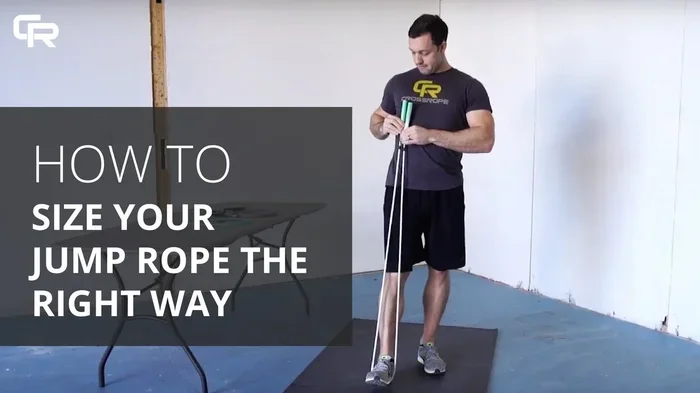
Not all jump ropes are the same. For a 13-year-old beginner, pick a rope that’s the right length. Stand on the middle of the rope with both feet. The handles should reach your armpits. If they go higher, the rope is too short. If they fall below your armpits, it’s too long. You can learn more about choosing the right jump rope size to get started.
Beginner Jump Rope Routine
Don’t try to jump for 30 minutes on your first day. Start small and build up. Here’s a simple routine to follow:
- Week 1: Jump for 1 minute, rest for 30 seconds. Repeat 5 times.
- Week 2: Jump for 2 minutes, rest for 30 seconds. Repeat 4 times.
- Week 3: Jump for 3 minutes, rest for 20 seconds. Repeat 4 times.
- Week 4: Jump for 5 minutes straight. Repeat 3 times with 1-minute rest.
This gradual approach helps your body adjust without getting hurt. You can learn more about how long beginners should jump rope in our beginner jump rope guide.
Best Time to Jump Rope
Morning is often the best time for teens. Jumping rope in the morning can energize you for the school day. It also helps you establish a consistent routine. But any time that works for you is fine. The key is doing it regularly, not the specific hour.
Common Mistakes to Avoid
Skipping Warm-Ups
Many beginners jump straight into jumping. That’s a recipe for sore calves and shin splints. Always warm up for 3 to 5 minutes first. March in place, do some arm circles, or lightly jog. Your muscles need to be loose before the hard work begins.
Using the Wrong Surface
Jumping on concrete or hard floors is tough on your joints. Try to jump on a wooden floor, rubber mat, or gym surface. If you don’t have access to those, use a thick exercise mat. Protecting your joints now saves you from pain later. For tips on surfaces, check out our article on using a yoga mat for jump rope.
Jumping Too High
You don’t need to leap like a frog. Keep your jumps small and controlled. Your feet only need to clear the rope by an inch or two. Jumping too high wastes energy and puts extra stress on your knees and ankles. Stay light and quick on your feet.
Ignoring Form
Keep your body upright. Don’t hunch your shoulders. Look forward, not down. Your wrists should do the turning, not your elbows. Good form prevents injury and makes your workouts more effective. Plus, it builds the posture habits that help you look and feel taller.
Nutrition Tips to Support Growth at 13
Exercise alone won’t make you grow taller. You need the right fuel too. Here are some nutrition basics for 13-year-olds who want to support their growth.
Protein Power
Protein builds muscles and supports bone development. Eat lean meats, eggs, beans, nuts, and dairy products daily. Growing teens need more protein than adults. Aim for a source of protein with every meal and snack.
Calcium and Vitamin D
Calcium makes bones strong. Vitamin D helps your body absorb calcium. Drink milk, eat yogurt, and get outside for some sunlight. These simple habits strengthen your skeleton from the inside out. Strong bones are the foundation for reaching your full height potential.
Stay Hydrated
Water supports every function in your body. It helps transport nutrients to your growing cells. Carry a water bottle and sip throughout the day. Avoid sugary drinks, which can cause energy crashes and weight gain.
Sleep and Growth: The Hidden Connection
Sleep is probably the most underrated growth tool. Your body releases the most growth hormone during deep sleep. At 13, you need 9 to 11 hours of sleep each night. Cutting sleep short can slow your growth and affect your health.
Combine good sleep with jump rope exercise for the best results. Exercise tires your body out, making it easier to fall asleep. And deep sleep repairs the muscles and bones you worked during the day. This cycle of exercise and rest is powerful for growing teens.
How Long Should a 13-Year-Old Jump Rope?
Start with 10 to 15 minutes per session. As your fitness improves, work up to 20 to 30 minutes. You don’t need to jump rope every single day. Three to four times per week is plenty for health and growth benefits. Listen to your body and take rest days when needed.
If you’re curious about calorie burn and how different durations compare, check out our breakdown on calories burned in 10 minutes of jump rope and 30 minutes of jump rope. These resources help you plan your sessions more effectively.
Expert Insights on Jump Rope and Height
Sports doctors and fitness experts generally agree on this point. Jump rope is a fantastic exercise for teens, but it doesn’t directly increase height. Dr. Emily Roberts, a pediatric sports medicine specialist, notes that “activities like jump rope support overall bone health and can promote the release of growth hormones, but they cannot change your genetic height blueprint.”
That said, experts do recommend jump rope for teens. It builds fitness, coordination, and confidence. These benefits matter far beyond height. A healthy, active 13-year-old is more likely to grow into a healthy, confident adult. And that’s the real goal here.
Conclusion
So, does jump rope make you taller at 13? The answer is clear: it won’t override your genetics, but it absolutely supports your body’s growth journey. Jump rope improves posture, strengthens bones, boosts growth hormone production, and builds overall fitness. When you combine it with proper nutrition, quality sleep, and consistent effort, you give yourself the best shot at reaching your full height potential.
The real takeaway isn’t about adding inches overnight. It’s about building healthy habits that last. At 13, every workout, every meal, and every night of good sleep shapes who you become. Pick up that jump rope, stay consistent, and trust your body to do what it was made to do. Your future self will thank you.
Frequently Asked Questions
Can jump rope add inches to my height at 13?
No exercise can add inches beyond your genetic height. However, jump rope improves posture, which can make you appear taller. It also supports healthy bone development during your growing years.
How often should a 13-year-old jump rope?
Three to four times per week is ideal for a 13-year-old. Start with 10 to 15 minute sessions and gradually increase. Always listen to your body and take rest days.
Does jumping rope before bed help you grow taller?
Jumping rope before bed doesn’t directly increase height, but it can improve sleep quality. Good sleep promotes growth hormone release, which supports development. Just avoid intense exercise right before bedtime if it keeps you awake.
What other exercises help with height at 13?
Swimming, basketball, cycling, and yoga are great for teens. These activities support overall growth, improve posture, and build strong bones. Combine them with jump rope for a well-rounded fitness routine.
Is jump rope safe for 13-year-olds?
Yes, jump rope is safe when done correctly. Use proper form, start slowly, and warm up before jumping. Choose a soft surface and the right rope length. If you have health concerns, talk to a parent or doctor first.
How long does it take to see results from jump rope?
You’ll notice improved stamina and posture within 2 to 3 weeks. Height changes take months or years since growth is gradual. Focus on consistency rather than quick results. The benefits of jump rope build up over time.