Does a Weighted Vest Work on a Treadmill
Senior Fitness & Outdoor Gear Writer at Gym Hike · NASM Certified Personal Trainer (CPT), Wilderness First Responder · 10+ years testing home gym equipment, strength training, and outdoor trail hiking
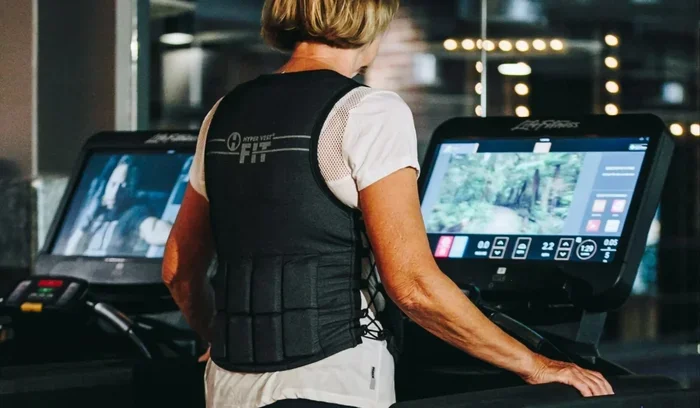
A weighted vest can boost your treadmill workout by increasing intensity, burning more calories, and building strength. However, using one incorrectly can lead to joint strain or poor posture. This guide covers how weighted vests work on a treadmill, the benefits, safety tips, and common mistakes to avoid.
Have you ever wondered if strapping a weighted vest onto your body while walking or jogging on a treadmill actually does anything? The short answer is yes. A weighted vest treadmill routine can transform a basic workout into a challenging full-body session. But there is more to it than just piling on extra weight and hitting the belt.
Many fitness enthusiasts swear by weighted vests. They say the gear makes every step feel more meaningful. Whether you are trying to torch more calories or build endurance, the idea of adding resistance without leaving your treadmill is exciting. But does a weighted vest work on a treadmill the way people claim? Let us break it all down.
The truth is, a weighted vest changes how your body moves. It shifts your center of gravity. It forces your muscles to engage differently. And it can push your cardiovascular system harder than a regular treadmill session. But the results depend heavily on how you use it. This guide will walk you through everything you need to know.
Key Takeaways
- Increased Calorie Burn: Wearing a weighted vest on a treadmill forces your body to work harder, which can significantly boost calorie expenditure.
- Better Strength and Endurance: The added resistance engages more muscles, improving both cardiovascular fitness and muscular endurance over time.
- Safety Matters: Starting with a lighter vest and maintaining proper form is essential to avoid injury and joint strain.
- Not for Everyone: People with back problems, joint issues, or balance concerns should consult a doctor before using a weighted vest.
- Gradual Progression Is Key: Adding weight slowly helps your body adapt and reduces the risk of overexertion or muscle fatigue.
- Form Over Speed: Focusing on posture and stride matters more than speed when wearing a weighted vest on a treadmill.
📑 Table of Contents
- What Is a Weighted Vest and How Does It Work?
- Does a Weighted Vest Actually Work on a Treadmill?
- Benefits of Using a Weighted Vest on a Treadmill
- How to Use a Weighted Vest Safely on a Treadmill
- Common Mistakes to Avoid When Using a Weighted Vest
- Expert Insights on Weighted Vest Treadmill Workouts
- Frequently Asked Questions
- Conclusion
What Is a Weighted Vest and How Does It Work?
A weighted vest is a piece of workout gear designed to add extra load to your body during exercise. The vest distributes weight evenly across your torso. Most vests come with removable weights, so you can adjust the load based on your fitness level. Some vests hold sand or steel plates, while others use adjustable pockets for flexibility.
The concept is simple. Your body is already carrying your own weight all day long. When you add more weight, every movement becomes more demanding. Your muscles have to work harder. Your heart has to pump faster. Your bones and joints absorb more impact. This is why a weighted vest treadmill session feels so much tougher than a regular one.
The vest works by increasing the resistance your body has to overcome. Think of it like wearing a heavy backpack, but designed specifically for exercise. The weight sits close to your core, which helps maintain balance. This is different from ankle weights or wrist weights, which can throw off your natural movement patterns.
How Does Added Weight Affect Your Body?
When you wear a weighted vest, your body has to compensate for the extra load. Your core muscles tighten to keep you upright. Your legs push harder with each stride. Your arms swing with more effort to maintain balance. All of this happens without you consciously thinking about it.
Even at a what speed is a jog on a treadmill, the added weight makes your muscles fire differently. A light jog in a vest can feel like a moderate run without one. This is the core reason why people use weighted vests. They want to amplify the benefits of their treadmill time without actually increasing the speed or duration.
Does a Weighted Vest Actually Work on a Treadmill?
The short answer is yes. A weighted vest does work on a treadmill. But the word “work” means different things to different people. For some, it means burning more calories. For others, it means building stronger bones and muscles. And for a few, it simply means making a workout feel more productive.
Research supports the idea that adding weight during exercise increases energy expenditure. One study found that wearing a weighted vest during walking can increase calorie burn by up to 10 to 15 percent. That is significant for anyone looking to maximize their treadmill time. If you are walking at a steady what speed is brisk walking on a treadmill, a vest can turn that into a much more intense session.
But here is the catch. A weighted vest is not a magic solution. It works best when combined with proper form, a structured plan, and gradual weight progression. Simply strapping on a heavy vest and running at your normal pace is a recipe for poor results or injury. You need to treat it as a tool, not a shortcut.
What Does the Science Say?
Studies on loaded walking and running show consistent benefits. The added resistance increases heart rate, oxygen consumption, and energy output. This means your body is working at a higher intensity level, even if you are not moving faster. For people who want the benefits of a harder workout without the impact of faster speeds, a weighted vest can be a game changer.
One important thing to note is that the vest adds load to your joints. This can be good for bone density over time. But it can also be risky if you have existing joint problems. If you are someone who already struggles with knee or hip pain, you should approach weighted vest training with caution.
Benefits of Using a Weighted Vest on a Treadmill
Using a weighted vest on your treadmill offers several real benefits. These are not just claims from fitness influencers. Many of these benefits are backed by exercise science. Here is what you can realistically expect.
1. Burns More Calories
This is the most popular reason people use weighted vests. The extra weight forces your body to expend more energy. Even a simple walking treadmill session becomes a higher-calorie burn when you are carrying additional load. If weight loss is your goal, this is a powerful tool.
For comparison, walking at 3.5 mph without a vest burns a certain number of calories. Add a 10 to 20 pound vest, and that number goes up. This is especially useful for people who want to boost their does walking on a treadmill help you lose weight efforts without increasing the intensity of their workout.
2. Builds Strength and Endurance
A weighted vest engages muscles that are not heavily used during regular treadmill walking or running. Your core, glutes, and lower back all work harder to stabilize your body. Over time, this leads to improved muscular endurance and functional strength. You will notice the difference in your daily life too.
Many people also find that their what speed should i walk on a treadmill improves once they build strength with a vest. The added resistance trains your muscles to push harder, which translates to better performance on the belt.
3. Improves Posture and Balance
Because the weight sits on your torso, your body naturally learns to stay upright. You cannot hunch forward or lean back when you are wearing a properly fitted vest. Over time, this trains your postural muscles. Better posture leads to less back pain and more efficient movement patterns.
Balance also improves. The vest challenges your stability with every step. This is especially true when you increase the incline on your treadmill. Combining a vest with incline work can produce remarkable results for your overall coordination and core strength.
4. Increases Bone Density
Weighted exercise puts stress on your bones, which signals your body to build more bone tissue. This is especially important as we age and bone density naturally declines. Walking with a weighted vest on a treadmill is a low-impact way to strengthen your bones without the jarring effects of running on hard surfaces.
How to Use a Weighted Vest Safely on a Treadmill
Safety is the most important part of using a weighted vest. The gear is effective, but it can cause injury if used incorrectly. Here are the key steps to follow before you start your next treadmill session.
Start Light and Build Up
Do not start with the heaviest weight your vest allows. Begin with just 5 to 10 percent of your body weight. If you weigh 150 pounds, start with a 5 to 15 pound vest. Walk or jog at a comfortable pace and see how your body responds. After a week or two, you can add a little more weight if it feels manageable.
Rushing into heavy vest training is one of the fastest ways to get hurt. Your muscles, joints, and connective tissues need time to adapt. Think of it as a progressive training plan, not an all-or-nothing challenge.
Focus on Form First
Your form matters even more when you are wearing a weighted vest. Keep your shoulders back and your core engaged. Do not lean forward or backward. Your stride should feel natural, not forced. If you notice yourself changing your gait to compensate for the weight, reduce the load immediately.
One important tip: do not hold onto the treadmill handles. If you are using a vest, you want your body to do the work. Holding the bar shifts the load and takes away the core engagement benefits. If you need support, slow down your what speed is a slow jog on treadmill until you feel confident enough to let go.
Wear the Right Shoes and Clothing
What you wear underneath the vest matters. Make sure your shirt is moisture-wicking and fits snugly. A loose shirt can cause the vest to shift during your workout, which throws off your balance. Also, always wear proper running or walking shoes with good cushioning. The vest adds impact to every step, so your footwear needs to absorb that shock.
If you are wondering about your gear choices, check out our guide on what to wear when running on a treadmill for more tips on optimizing your setup.
Warm Up and Cool Down
A weighted vest makes warm-ups even more important. Spend at least 5 to 10 minutes walking at an easy pace before increasing your speed or incline. This gives your muscles time to loosen up and your joints time to adjust to the added load. After your workout, stretch your hips, calves, and lower back to prevent stiffness.
Common Mistakes to Avoid When Using a Weighted Vest
Even with the best intentions, people make mistakes when using weighted vests on treadmills. These errors can reduce the effectiveness of your workout or lead to injury. Here are the most common ones to watch out for.
Adding Too Much Weight Too Soon
This is the number one mistake. People get excited and load up the vest with too much weight right away. The result is usually poor form, muscle fatigue, and joint pain. Remember, the goal is progressive overload, not instant transformation. Add weight in small increments and give your body time to adjust.
Ignoring Pain Signals
Some discomfort is normal when you first start using a weighted vest. But sharp or persistent pain is not. If you feel pain in your knees, hips, or lower back, stop immediately. Reduce the weight and reassess your form. Pushing through pain with extra load on your joints is a fast track to injury.
Wearing the Vest Too Loosely
A loose vest shifts during your workout. This creates uneven pressure on your body and can throw off your balance. Make sure the vest fits snugly against your torso. Most vests have adjustable straps for this exact reason. Take the time to dial in the fit before you start your session.
Skipping Rest Days
Your body needs time to recover from weighted vest workouts. Using the vest every single day without rest can lead to overtraining and burnout. Aim for 2 to 3 weighted vest sessions per week, with rest days in between. On other days, you can do regular treadmill workouts without the vest.
Using the Vest for Every Workout
A weighted vest is a tool, not a permanent fixture. Your body benefits from variety. Using the vest on every treadmill session can lead to adaptation, where your body gets used to the extra load and the benefits plateau. Rotate between vest workouts and regular sessions for the best long-term results.
Expert Insights on Weighted Vest Treadmill Workouts
Fitness professionals generally agree that weighted vests are a valuable addition to treadmill workouts. But they emphasize that proper usage is everything. Here is what experts have to say.
Start with bodyweight exercises first. Before adding a vest to your treadmill routine, make sure your body is ready for the extra load. Build a foundation of strength and endurance through regular walking and jogging.
Match the vest weight to your fitness level. A beginner should not use the same weight as an experienced athlete. Listen to your body and adjust accordingly. If a what speed should you walk on a treadmill feels too fast with the vest, slow down. There is no shame in walking slowly with extra weight.
Combine the vest with incline work for maximum results. Walking on an incline with a weighted vest dramatically increases the intensity of your workout. The incline targets your glutes and hamstrings, while the vest adds upper body and core engagement. This combination can turn a 30-minute walk into a highly effective training session.
Do not use a weighted vest for sprint intervals. Sprinting with extra weight puts enormous stress on your joints and muscles. Reserve the vest for steady-state cardio and moderate-intensity sessions. If you want to add intensity, consider increasing the treadmill speed or incline instead.
For more on how different treadmill speeds affect your workout, read our article on what speed is a jog on a treadmill to understand how pace interacts with added resistance.
One final expert tip: always check your treadmill’s weight capacity before using a weighted vest. The combined weight of your body and the vest should stay well within the machine’s limits. This protects both you and your equipment.
Some people also ask whether a weighted vest makes treadmill running feel different from outdoor running. The answer is yes. On a treadmill, the belt moves beneath you, which reduces the impact on your joints. Adding a vest increases that impact slightly, but it is still gentler than running on pavement. If you are comparing indoor versus outdoor training, the vest helps bridge the gap in intensity.
If you are curious about how treadmill running compares to outdoor running, our article on does running on a treadmill make you lose weight covers this topic in more detail.
Frequently Asked Questions
Can a weighted vest help me lose weight faster on a treadmill?
Yes, a weighted vest can increase your calorie burn during treadmill workouts. The extra weight forces your body to work harder, which means more calories burned per minute. However, weight loss also depends on your diet and overall activity level. A vest alone will not create a calorie deficit if you are not consistent with your workouts and nutrition.
What weight should I start with on a treadmill?
Start with 5 to 10 percent of your body weight. For most people, this means a vest weighing between 5 and 15 pounds. This is enough to challenge your muscles without overwhelming your joints. You can gradually increase the weight as your body adapts to the extra load.
Is it safe to run with a weighted vest on a treadmill?
Running with a weighted vest is safe for most healthy adults, but only if you start light and maintain proper form. If you have joint issues, back problems, or balance concerns, consult a doctor first. Also, avoid sprinting with a vest and stick to moderate paces to reduce the risk of injury.
How often should I use a weighted vest on my treadmill?
Two to three times per week is ideal for most people. This gives your body enough time to recover between sessions. On non-vest days, you can do regular treadmill workouts at a comfortable pace. This balanced approach prevents overtraining and keeps your workouts effective long term.
Does a weighted vest make walking on a treadmill feel harder?
Absolutely. Even at a slow walking pace, a weighted vest increases the effort your muscles and cardiovascular system must produce. What normally feels like an easy walk can start to feel moderate or even challenging with a vest. This is exactly why it is such an effective tool for boosting workout intensity.
Can a weighted vest improve my treadmill running speed over time?
It can, indirectly. Training with a weighted vest builds strength and endurance in your legs and core. Over time, this increased strength can translate to better running performance and a faster what speed is considered running on a treadmill when you remove the vest. It is a form of cross-training that complements your regular running routine.
Conclusion
So, does a weighted vest work on a treadmill? The evidence says yes. A weighted vest is one of the simplest and most effective ways to boost your treadmill workouts. It increases calorie burn, builds strength, improves posture, and strengthens your bones. But it is not a magic fix. The results depend on how you use it.
Start with a light weight. Focus on your form. Progress gradually. And listen to your body. If you treat the vest as a tool rather than a shortcut, you will see real improvements in your fitness over time.
The best part is that a weighted vest works with any treadmill routine. Whether you are walking, jogging, or doing incline training, the added resistance takes your workout to the next level. Just remember to balance your vest sessions with regular workouts, and always prioritize safety over speed.
If you are ready to try it, grab a vest that fits well, set your treadmill to a comfortable pace, and give your body time to adjust. Within a few weeks, you will feel the difference. And that is when a weighted vest truly starts to work its magic on your treadmill journey.

Similar Posts