Do I Need a Mat for My Treadmill
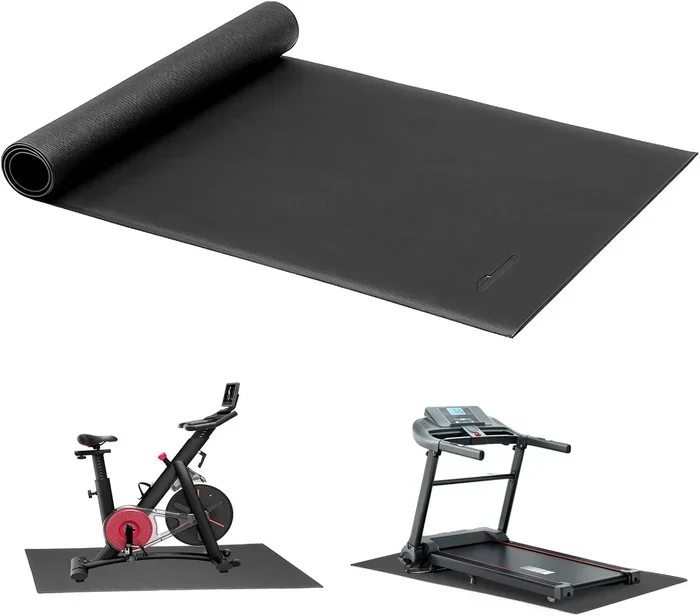
Whether you need a mat for your treadmill depends on your floor type, workout intensity, and noise concerns. A treadmill mat protects your floors from damage, reduces vibration, and can even improve your treadmill’s stability. In this guide, we break down when a mat is essential and when you can skip it.
Let’s get straight to the point. Do you really need a mat under your treadmill? The short answer is: it depends. If you are working out on a hard floor like hardwood or tile, a mat can save your floors from serious damage. It also reduces noise, absorbs shock, and keeps your treadmill from sliding around during intense sprints.
But here is the thing not everyone needs one. If you have thick carpet or a rubber gym floor already in place, you might be fine without extra cushioning. This guide walks you through every scenario so you can make the best decision for your home gym setup. We will cover floor types, mat options, and practical tips you can use right away.
By the end of this article, you will know exactly whether a treadmill mat is worth your money. You will also learn how to pick the right size, thickness, and material. Let us dive in.
Key Takeaways
- Floor Protection: A mat prevents scratches, dents, and damage to hardwood, laminate, or tile floors from your treadmill.
- Shock Absorption: Quality treadmill mats reduce impact on your joints and absorb vibration during intense workouts.
- Stability Matters: A proper mat can keep your treadmill from slipping or shifting, especially on smooth surfaces.
- Not Always Necessary: If you have carpet or a dedicated gym floor, you might not need an extra mat at all.
- Size and Thickness Count: Choosing the right dimensions and thickness makes a big difference in performance and comfort.
- Maintenance Boost: A mat catches sweat and debris, making cleanup easier and helping your treadmill last longer.
📑 Table of Contents
Why You Might Need a Mat for Your Treadmill
A treadmill is heavy. Most models weigh between 200 and 300 pounds. When you run or walk on it, the machine puts stress on your floor. Over time, this can cause real damage. A treadmill mat acts as a barrier between the machine and your flooring.
Here are the main reasons people place a mat under their treadmill:
- Floor Protection: Treadmills can scratch hardwood, dent laminate, or crack tile. A mat absorbs the weight and prevents these issues.
- Vibration Reduction: Every step you take sends vibrations through the machine and into your floor. A thick mat dampens these vibrations significantly.
- Noise Control: If you live in an apartment or have downstairs neighbors, a mat can reduce the thumping noise your treadmill makes.
- Sweat and Debris Containment: During workouts, sweat drips and dust accumulates. A mat catches all of this, making cleanup a breeze.
- Traction and Stability: On smooth floors, treadmills can slide forward or backward during use. A mat adds grip and keeps the machine in place.
These benefits are real and measurable. But they do not apply to everyone equally. Your need for a mat depends heavily on your situation.
When a Mat Is Absolutely Essential
You should definitely use a mat if any of these situations apply to you. First, if you have hardwood floors, laminate, or tile, a mat is non-negotiable. These surfaces are vulnerable to scratches and dents from the heavy treadmill frame and moving belt.
Second, if you live in an apartment or shared living space, noise reduction matters. A quality mat absorbs the sound of your feet hitting the belt. This is especially important if you run early in the morning or late at night. The last thing you want is a complaint from a neighbor.
Third, if you do high-impact workouts like interval training or sprinting, vibration damage adds up fast. A mat with good shock absorption protects both your floors and your joints.
When You Can Skip the Mat
On the other hand, some setups do not need a mat. If you already have a thick rubber gym floor or interlocking foam tiles, your floor is already protected. Adding a mat on top might even make the surface too thick and unstable.
Also, if your treadmill came with a built-in leveling foot system and sits on carpet, the carpet itself provides some cushioning and grip. In these cases, an extra mat may not offer much benefit.
Another situation where you can skip the mat is if you use your treadmill on a dedicated platform or riser system. Many home gym setups include built-in flooring solutions that already handle protection and stability.
Types of Mats You Can Use Under Your Treadmill
Not all mats are the same. There are several types designed for different needs and budgets. Let us break them down.
Rubber Treadmill Mats
Rubber mats are the most popular choice for treadmill users. They are thick, durable, and excellent at absorbing vibration. A good rubber mat is typically 3/8 inch to 1/2 inch thick. They come in various sizes, but a standard 36×72 inch mat fits most treadmills well.
Rubber mats are easy to clean and resistant to sweat damage. They also last for years without breaking down. If you want the best protection for your floor, a rubber mat is the way to go.
Foam Exercise Mats
Foam mats are lighter and cheaper than rubber. They work well for walking and light jogging. However, they may not hold up well under heavy running impact. Over time, foam can compress and lose its cushioning ability.
One thing to watch out for: some foam mats slide easily on smooth floors. You may need to secure them with non-slip tape or a mat anchor. If you are wondering about using a yoga mat instead, check out Can I Use A Yoga Mat Under My Treadmill for more details.
Carpet Padding and Underlay
Some people use carpet padding as a budget-friendly alternative. It works in a pinch, but it is not ideal. Carpet padding breaks down quickly under the weight of a treadmill and can create a tripping hazard if it shifts.
If you go this route, choose a dense, high-density padding. Avoid soft, squishy options that compress too easily. And remember, this is a temporary solution at best.
Interlocking Floor Tiles
Interlocking rubber or foam tiles are a great option if you want to cover a larger area. They snap together and create a custom-sized protective surface. These are especially popular in garage gyms and home workout spaces.
The benefit of interlocking tiles is that you can expand or adjust the coverage area as needed. They also handle sweat well and are easy to replace if one tile gets damaged.
How to Choose the Right Mat for Your Treadmill
Picking the right mat is not just about grabbing the first one you see. There are a few key factors to consider. Let us walk through them.
Size Matters
Your mat should be wider and longer than your treadmill base. Most treadmills have a base that is around 30 to 36 inches wide and 70 to 80 inches long. Add a few inches on each side for safety. A mat that is too small will not protect your floor properly.
Here is a quick reference:
- Compact Treadmill: 36×72 inch mat
- Standard Treadmill: 36×84 inch mat
- Large or Heavy-Duty Treadmill: 42×96 inch mat or larger
Thickness and Cushioning
Thickness affects both protection and comfort. A thicker mat provides better shock absorption and vibration reduction. For most users, a mat that is 3/8 inch to 1/2 inch thick hits the sweet spot. Thicker mats (3/4 inch or more) are great for high-impact runners.
Keep in mind that a very thick mat can sometimes make your treadmill feel unstable. If you have a lighter treadmill, test the setup before committing to a very thick mat.
Material and Durability
Rubber is the most durable and reliable material. It resists sweat, does not degrade quickly, and provides excellent cushioning. PVC mats are another option but tend to be less durable and can emit a chemical smell initially.
Avoid mats made from low-density materials. They will compress and flatten within weeks of regular use. Invest in a quality mat and it will last you years.
Non-Slip Surface
This is often overlooked but incredibly important. Your mat should have a non-slip surface on both the top and bottom. The bottom grips the floor, and the top grips the treadmill feet. A mat that slides around is worse than no mat at all.
Look for mats specifically designed for gym equipment. They often have textured surfaces and beveled edges to prevent tripping.
Common Mistakes People Make With Treadmill Mats
Even with the best intentions, people make mistakes when setting up their treadmill mats. Here are the most common ones and how to avoid them.
Choosing a Mat That Is Too Small
This is the number one mistake. A mat that does not extend beyond the treadmill base leaves your floor exposed on the sides. Always measure your treadmill base and add extra inches on all sides before purchasing.
Ignoring Floor Type
Not all mats work on all floors. A mat that grips carpet well might slide on hardwood. Choose a mat that is compatible with your specific flooring. If you are unsure, rubber mats with a textured bottom work well on most surfaces.
Forgetting to Clean the Mat
A mat that collects sweat and dirt becomes a breeding ground for bacteria and mold. Wipe down your mat regularly with a mild disinfectant. Most rubber mats can be cleaned with a damp cloth and mild soap.
Placing the Mat on an Uneven Surface
If your floor is uneven, the mat will shift and bunch up. Level your treadmill first using the leveling feet, then place the mat on a flat surface. This ensures the mat stays in place and the treadmill remains stable.
Treadmill Placement Tips for Best Results
Where you place your treadmill matters just as much as what mat you use. Here are some tips to get the best setup.
First, leave at least 2 to 3 feet of clearance on all sides of the treadmill. This gives you room to step on and off safely and allows air to circulate around the machine. Good airflow helps prevent overheating during workouts.
Second, place your treadmill on a flat, level surface. Uneven floors cause the belt to wear unevenly and can lead to safety issues. If your floor is slightly uneven, use a level to check and adjust the treadmill feet accordingly.
Third, consider the distance from walls and furniture. Treadmills can vibrate and shift during use. Keeping space between the machine and walls prevents damage to both the treadmill and your walls.
If you are setting up a home gym and wondering about the ideal treadmill size for your space, check out What Size Treadmill Do I Need For Running for helpful guidance on choosing the right model.
Also, think about where you place your treadmill in relation to your daily routine. If you prefer morning runs, place it in a spot where the noise will not disturb others. A mat helps with this, but placement is the first line of defense against noise complaints.
Does a Treadmill Mat Really Make a Difference?
The short answer is yes, in most cases. A good treadmill mat protects your floors, reduces noise, and adds a layer of safety to your workout. But the difference is not always dramatic. If you already have carpet or a rubber gym floor, you might not notice a huge change.
For people with hard floors, however, the difference is night and day. Scratches, dents, and vibration damage are real problems that a simple mat solves. The cost of a treadmill mat is a fraction of what it would cost to repair damaged flooring.
One more thing to consider: if you have ever wondered why you feel slower on a treadmill compared to outdoor running, the surface matters. While a mat does not change the belt speed, it can affect how your feet interact with the belt. A mat with good cushioning can reduce joint fatigue and help you maintain your pace longer. To learn more about treadmill performance, read Why Do I Feel Slower On A Treadmill.
Ultimately, a treadmill mat is a small investment that pays off in protection, comfort, and peace of mind. Whether you are a casual walker or a dedicated runner, the right mat under your treadmill is a smart addition to your home gym.
Final Thoughts
So, do you need a mat for your treadmill? For most people, the answer is yes. A mat protects your floors, reduces vibration and noise, and keeps your treadmill stable during workouts. It is a simple addition that makes a big difference.
If you have hard floors, a mat is essential. If you have carpet or a rubber floor, you might be able to skip it. Either way, now you have the information to make the right call for your setup.
Take a few minutes to measure your treadmill base, choose the right mat size and material, and place it correctly. Your floors, your treadmill, and your joints will thank you. And if you are exploring different options for your home gym, you might also want to check out Where Can I Use A Treadmill For Free if you are looking for alternative workout spaces.
Start with the basics, keep it simple, and enjoy your workouts with confidence. A small mat can go a long way toward protecting your investment and improving your fitness routine.
Frequently Asked Questions
Can I Use A Yoga Mat Under My Treadmill?
A standard yoga mat is usually too thin and small to protect your floor under a treadmill. It might work for very light walking, but it will not provide enough cushioning or shock absorption for running. If you want to explore this option further, check out our guide on Can I Use A Yoga Mat Under My Treadmill 2 for more details.
What Is The Best Thickness For A Treadmill Mat?
A thickness of 3/8 inch to 1/2 inch works well for most users. Runners and high-impact users may prefer a thicker mat at 3/4 inch or more. The right thickness depends on your workout intensity and the type of flooring you have.
Do Treadmill Mats Help With Noise Reduction?
Yes, treadmill mats absorb vibration and reduce the thumping sound that comes from your feet hitting the belt. This is especially helpful if you live in an apartment or have neighbors below you. A quality rubber mat makes a noticeable difference in noise levels.
How Often Should I Replace My Treadmill Mat?
Most treadmill mats last between 2 and 5 years depending on usage and quality. Inspect your mat regularly for wear, compression, or tearing. If the mat has flattened out or lost its cushioning, it is time for a replacement.
Can I Use A Treadmill Without Any Mat At All?
You can, especially if you have carpet or a rubber gym floor already in place. However, on hard surfaces like hardwood or tile, skipping a mat risks scratches, dents, and vibration damage to your flooring over time.
Will A Treadmill Mat Prevent My Machine From Sliding?
A good treadmill mat with a non-slip bottom surface helps prevent sliding, especially on smooth floors. However, you should still make sure your treadmill is level and stable. Using a mat adds extra grip but is not a substitute for proper treadmill placement and leveling.