Cold Tire Pressure Vs Hot
Cold tire pressure vs hot tire pressure is a key topic for every rider and driver. Temperature changes cause air inside tires to expand or contract, directly affecting pressure readings. Understanding this difference helps you avoid underinflation, overinflation, and dangerous tire failures. We break down the science, practical tips, and safety steps you need to know.
Have you ever checked your tire pressure in the morning and found it low, only to notice it reads normal after a drive? This happens because of the simple science behind cold tire pressure vs hot air inside your tires. Temperature changes affect the air molecules inside your tires, causing them to expand or contract. Understanding this difference is essential for safety, performance, and tire longevity.
Whether you ride a bike, drive a car, or manage a fleet of vehicles, knowing how temperature impacts your air pressure in tires saves you from costly repairs and dangerous situations. In this guide, we walk you through everything you need to know about cold tire pressure vs hot readings, why they matter, and how to manage them the right way.
Key Takeaways
- Temperature affects tire pressure: Cold air contracts and reduces PSI, while hot air expands and increases it.
- Check tire pressure when cold: Always measure before driving for the most accurate reading.
- Hot weather can raise PSI by 1-2 points: This is normal and expected during driving.
- Cold weather demands more attention: Winter temperatures can drop pressure significantly, requiring frequent checks.
- Proper inflation improves safety: Correct tire pressure reduces blowout risk and boosts fuel efficiency.
- Use a quality tire pressure gauge: Digital and analog gauges both work well when used correctly.
- Adjust for seasonal changes: Re-check your tire pressure as temperatures shift throughout the year.
📑 Table of Contents
- Why Temperature Affects Tire Pressure
- Cold Tire Pressure: What You Need to Know
- Hot Tire Pressure: What Happens When Tires Heat Up
- How to Check Tire Pressure Correctly
- Seasonal Tire Pressure: Adjusting for Weather Changes
- Common Mistakes People Make With Tire Pressure
- When to Seek Professional Help
- Final Thoughts
Why Temperature Affects Tire Pressure
The air inside your tires responds to temperature changes just like the air in a balloon. When it gets cold, air molecules slow down and move closer together. This causes the pressure inside the tire to drop. When it gets hot, those same molecules move faster and spread out. This increases the pressure inside the tire.
This is not a defect. It is basic physics. The rule of thumb is that tire pressure changes by about 1 PSI for every 10 degrees Fahrenheit of temperature change. So if you fill your tires at 70°F and the temperature drops to 30°F overnight, you could lose about 4 PSI. That is a big difference.
The Science Behind Air Expansion
Air is a gas, and gases follow predictable rules. When you heat a gas, it expands. When you cool it, it contracts. Inside a sealed tire, this expansion and contraction directly changes the tire pressure PSI. Your tire does not stretch or shrink. The air inside does all the work.
This is why proper tire inflation depends on when and how you measure it. A reading taken in the morning after a cold night will look different from a reading taken after an hour of highway driving on a warm afternoon. Both readings can be correct for their conditions.
Cold Tire Pressure: What You Need to Know
Cold tire pressure refers to the air pressure inside a tire that has not been driven on recently. Most experts recommend checking your tires in the morning before you hit the road. This gives you the most accurate baseline reading.
During winter months, cold weather tire pressure becomes a serious concern. A sudden cold snap can drop your tire pressure by several PSI in just a few hours. This can leave your tires underinflated, which leads to poor handling, reduced fuel economy, and uneven tire wear.
Why Cold Pressure Matters for Safety
Underinflated tires are dangerous. They create more contact area with the road, which leads to overheating. Overheating can cause blowouts, especially at highway speeds. Cold tire pressure also affects braking distance. Your tires need the right amount of air to grip the road properly, whether you are on a bike or in a car.
Here are the key risks of ignoring cold tire pressure:
- Reduced fuel efficiency: Underinflated tires create more rolling resistance, which means your engine works harder.
- Uneven tire wear: The outer edges of the tread wear down faster when pressure is too low.
- Poor handling: Your steering feels sluggish, and cornering becomes less responsive.
- Increased blowout risk: Low pressure causes excessive flex in the tire sidewalls.
- Longer braking distances: Your tires cannot grip the road as effectively.
Hot Tire Pressure: What Happens When Tires Heat Up
Hot tire pressure is the reading you get after driving for a while. As your tires roll along the road, friction generates heat. This heat warms the air inside the tire, causing it to expand. The result is a higher PSI reading than what you saw when the tire was cold.
On a hot summer day, your tire pressure can increase by 2 to 4 PSI after just 20 minutes of driving. This is completely normal. However, it can create confusion if you check your tires right after a trip and think they are overinflated.
Should You Let Air Out of Hot Tires?
No. This is one of the most common mistakes people make. When you see a high PSI reading on a hot tire, the instinct is to let some air out. But once the tire cools down, the pressure will drop below the recommended level. You should always let tires cool before making any adjustments.
The right approach is to check your tire pressure when the tires are cold and set them to the manufacturer’s recommended level. The hot pressure increase is expected and does not mean your tires are overinflated.
How to Check Tire Pressure Correctly
Checking your tire pressure the right way makes a huge difference. Here is a simple step-by-step process that works for both bikes and cars:
- Check in the morning: Ideally, your tires have not been driven on for at least three hours.
- Find the recommended PSI: Check the sticker on the driver’s door frame or your owner’s manual. For bikes, check the sidewall of the tire.
- Remove the valve cap: Unscrew the small cap on the tire valve stem.
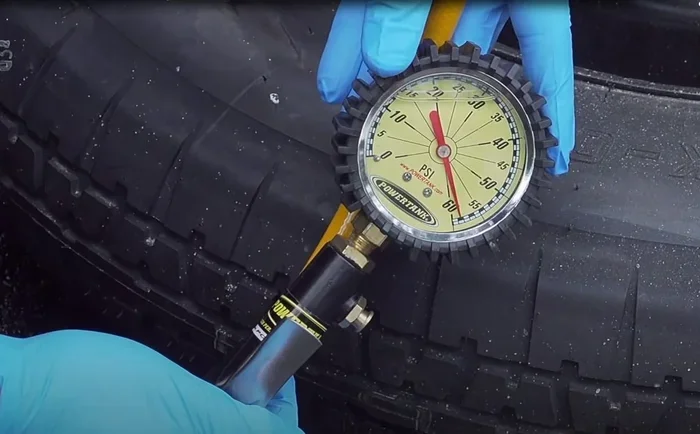
- Press the gauge firmly: Push the tire pressure gauge onto the valve stem and hold it steady.
- Read the number: Note the PSI reading and compare it to the recommended level.
- Add or release air as needed: Use an air compressor or a hand pump to adjust the pressure.
- Replace the valve cap: This keeps dirt and moisture out of the valve.
Choosing the Right Tire Pressure Gauge
A good tire pressure gauge is worth the investment. Digital gauges offer precise readings and are easy to read. Analog dial gauges are durable and do not need batteries. Pencil-style gauges are compact and affordable but less accurate at very low or very high pressures.
For bike tires, a small digital gauge or a Presta valve adapter works great. If you want to air up bike tire with air compressor at home, a compressor with a built-in gauge saves time and effort. Just make sure to check the pressure frequently so you do not overfill.
Seasonal Tire Pressure: Adjusting for Weather Changes
One of the best habits you can build is checking your tire pressure adjustment with the seasons. As temperatures shift from summer to winter or vice versa, your tire pressure needs attention.
In fall and winter, check your tires more often. A 20-degree drop in temperature can reduce your tire pressure by 2 PSI. Over a month of cold weather, this adds up fast. In spring and summer, the rising temperatures can push your pressure higher, especially if you drive a lot.
Winter Tire Pressure Tips
- Check your tire pressure monitoring system if your vehicle has one.
- Keep a portable gauge in your glove box for quick checks.
- Do not ignore the TPMS warning light. It means your pressure is too low.
- If you store your bike or car in an unheated garage, expect greater pressure fluctuations.
- For bikes, how much air pressure should a bike tire have varies by type. Road bikes need higher pressure than mountain bikes. Check the sidewall for the recommended range.
Summer Tire Pressure Tips
- Avoid parking in direct sunlight for long periods if possible.
- Check pressure in the morning before the heat of the day.
- Do not overcorrect by letting air out after a hot drive.
- Remember that hot pavement heats up your tires quickly, raising the internal pressure.
Common Mistakes People Make With Tire Pressure
Even careful drivers and riders make mistakes when it comes to tire pressure. Here are the most common ones to avoid:
- Checking tires after driving: This gives a hot reading that is higher than the actual cold pressure. Always wait for tires to cool.
- Guessing the pressure: Never eyeball the tire. Use a gauge every time.
- Ignoring the spare tire: Your spare tire loses pressure too. Check it at least twice a year.
- Using the PSI on the tire sidewall: That number is the maximum pressure, not the recommended pressure. The recommended PSI is on the vehicle door sticker or owner’s manual.
- Forgetting to check when seasons change: A drop in temperature can silently reduce your pressure to unsafe levels.
- Overinflating for better fuel economy: Slightly overinflated tires may save a tiny bit of fuel, but they wear unevenly and provide a harsh ride with less grip.
When to Seek Professional Help
Most tire pressure checks are simple and can be done at home. But there are times when you should see a professional. If your tires lose pressure frequently, there may be a slow leak. If your tire pressure monitoring system keeps triggering, the sensor itself might need replacement.
Also, if you are unsure about the right pressure for your specific vehicle or bike, a quick visit to a tire shop can set your mind at ease. Many shops will check and adjust your tire pressure for free. It is a small step that goes a long way toward keeping you safe on the road.
For bike riders, knowing how to put air in a bike tire properly is a basic but essential skill. Whether you use a floor pump, a hand pump, or an air compressor to fill bike tire, the process is straightforward once you get the hang of it. Just remember to match the pressure to the recommended range for your tire type.
Final Thoughts
The debate of cold tire pressure vs hot comes down to one simple truth: temperature changes your tire pressure, and you need to account for it. Cold temperatures lower your PSI, and hot temperatures raise it. Both extremes can cause problems if you ignore them.
The best approach is simple. Check your tire pressure regularly, do it when the tires are cold, and adjust with the seasons. Use a reliable gauge, follow the manufacturer’s recommendations, and never ignore warning signs like a low-pressure indicator or a tire that feels soft to the touch.
Your tires are the only part of your vehicle or bike that touches the road. Treat them well, and they will keep you safe, save you fuel, and last much longer. A few minutes of attention each month can prevent headaches down the road. Stay proactive, stay safe, and keep your tire pressure right where it should be.
Frequently Asked Questions
What is the difference between cold tire pressure and hot tire pressure?
Cold tire pressure is the reading taken when the tire has not been driven on and is at ambient temperature. Hot tire pressure is the reading taken after driving, when friction has heated the air inside the tire. Hot readings are typically 2 to 4 PSI higher than cold readings. Always set your pressure based on the cold reading for the most accurate results.
How much does tire pressure change with temperature?
As a general rule, tire pressure changes by about 1 PSI for every 10 degrees Fahrenheit of temperature change. So a 30-degree drop can reduce your pressure by 3 PSI. This is why seasonal changes demand regular tire pressure adjustment to keep your tires safe and efficient.
Can cold tire pressure cause a blowout?
Yes, underinflated tires caused by cold weather are at a higher risk of blowouts. Low pressure causes excessive flex in the tire sidewalls, leading to overheating. Over time, this heat weakens the tire structure. Regularly checking your tire pressure in cold weather helps prevent this dangerous scenario.
Should I check my bike tire pressure every day?
For most riders, checking bike tire pressure once a week is sufficient. However, if you ride frequently or notice changes in handling, check more often. Bikes lose pressure faster than cars, and even a small drop affects performance. Knowing how much air pressure should a bike tire have helps you stay ahead of any issues.
Is it safe to drive with tire pressure slightly low?
Driving with slightly low tire pressure is not recommended. Even a 2 PSI drop can affect handling, braking, and fuel efficiency. Over time, underinflation causes uneven and accelerated tire wear. If you notice low pressure, add air as soon as possible to maintain safe driving conditions.
What is the best time of day to check tire pressure?
The best time is in the morning, before you have driven the vehicle or ridden the bike. The tires have had time to cool overnight, giving you an accurate cold tire pressure reading. Avoid checking right after a drive or after parking in direct sunlight, as heat will give you a misleadingly high number.