Challenger Vs Charger
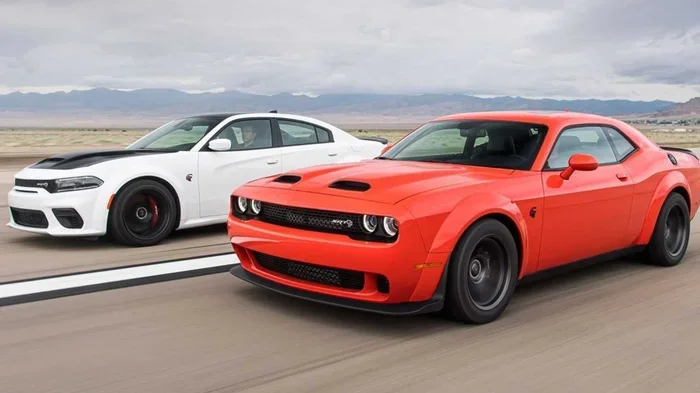
The Dodge Challenger and Dodge Charger are two legendary American muscle cars that spark endless debate among enthusiasts. The Challenger offers a classic coupe look with raw power, while the Charger brings a sleek sedan design with everyday usability. Both pack serious horsepower and iconic style, but they serve different drivers and lifestyles. This guide breaks down every key comparison so you can decide which Dodge is right for you.
Key Takeaways
- Design Difference: The Challenger is a sporty coupe while the Charger is a full-size sedan with a more practical footprint.
- Performance Options: Both offer V6 and V8 engines, but the Charger SRT Hellcat leads in top-tier power output.
- Interior Space: The Charger provides more room for passengers and cargo thanks to its sedan body style.
- Driving Feel: The Challenger delivers a more classic muscle car experience with tighter handling and a raw ride.
- Value Factor: Pricing varies by trim, but the Challenger often starts at a lower base price than the Charger.
- Fuel Economy: The V6 versions of both models offer better mileage, while V8 trims prioritize power over efficiency.
📑 Table of Contents
Challenger vs Charger: The Ultimate Muscle Car Showdown
When it comes to American muscle cars, few names carry as much weight as the Dodge Challenger and the Dodge Charger. These two icons have been battling for dominance on roads and in pop culture for decades. The challenger vs charger debate is one that every car enthusiast knows well. Whether you are a first-time buyer or a seasoned collector, understanding the differences between these two beasts is essential.
So, which one should you choose? The answer depends on what you value most in a car. Are you chasing raw power and retro style? Or do you need a performance machine that can also handle daily driving? Let us break down every major category to help you decide.
Both the Challenger and Charger come from Dodge’s rich heritage of building powerful, stylish American cars. They share a platform and many mechanical components, but their designs and driving personalities are quite different. Think of them as siblings with very distinct temperaments. Throughout this guide, we will explore every angle of the Dodge Challenger vs Dodge Charger comparison.
Design and Body Style
The Challenger: A Classic Muscle Coupe
The Dodge Challenger is a two-door coupe that screams classic American muscle. Its long hood, short rear deck, and aggressive stance make it an instant head-turner. The design pays homage to the original 1970 Challenger, which means it looks like a piece of automotive history. Car enthusiasts who love the vintage muscle car aesthetic will fall in love with the Challenger’s proportions.
However, the coupe design comes with trade-offs. The Challenger has less passenger space and a smaller trunk compared to the Charger. If you regularly carry more than one passenger, you might find the back seat cramped. Still, for a two-door muscle car, the Challenger offers surprisingly decent room up front.
The Charger: A Sleek Performance Sedan
The Dodge Charger takes a very different approach. It is a four-door sedan that blends muscle car aggression with sedan practicality. The Charger looks like a street-legal race car, with a wide stance and a muscular hood. Its design is more aerodynamic, which helps with highway stability and overall efficiency.
Because it has four doors, the Charger makes it easy to get in and out of the back seat. The trunk is also larger, making it a better choice for road trips or daily errands. If you want a muscle car that does not sacrifice convenience, the Charger delivers in spades.
Quick Design Comparison
- Challenger: Two-door coupe, retro styling, compact footprint.
- Charger: Four-door sedan, modern muscle look, more spacious.
- Both: Available in multiple trims and special editions.
One thing to keep in mind is that car shows and cruise nights often favor the Challenger for its classic silhouette. The Charger, on the other hand, turns heads on the highway because of its imposing sedan profile. Both turn plenty of heads, just in different ways.
Engine Options and Performance
Power Under the Hood
When we talk about the challenger vs charger power battle, things get exciting. Both cars offer a range of engine options that cater to different performance needs. You can go with a fuel-efficient V6 or unleash a monster V8 that pins you to your seat.
The base engine for both models is a 3.6-liter V6 that produces around 292 horsepower. This is plenty for daily driving and highway cruising. It also delivers better fuel economy than the V8 options, which matters if you plan to use the car as a commuter.
Moving up the lineup, both cars offer a 5.7-liter HEMI V8 producing around 370 horsepower. This is the sweet spot for most enthusiasts. It gives you serious acceleration without being too extreme for regular use. The 6.4-liter HEMI V8 bumps the output to about 485 horsepower, and it is available in higher trims of both models.
The Hellcat and Super Stock Models
For those who want maximum power, Dodge offers supercharged HEMI V8 engines in both the Challenger and Charger. The Hellcat variant produces 717 horsepower, while the Super Stock and Demon trims push even further. The Dodge Charger Hellcat is particularly famous for its straight-line speed and drag strip dominance.
Here is a quick look at the top engine options available:
- 3.6L V6: 292 hp, best for daily driving.
- 5.7L HEMI V8: 370 hp, the popular sweet spot.
- 6.4L HEMI V8: 485 hp, serious muscle car power.
- 6.2L Supercharged V8 (Hellcat): 717 hp, extreme performance.
- 6.2L Supercharged V8 (Super Stock/Demon): Over 800 hp, track-focused monsters.
In terms of raw acceleration, both cars perform similarly when equipped with the same engine. The 0 to 60 mph times are nearly identical across matching trims. The real differences come down to handling, weight distribution, and driver preference.
Driving Experience and Handling
How the Challenger Drives
The Dodge Challenger feels more like a traditional muscle car on the road. It has a slightly heavier feel, which adds to its planted, stable ride. The steering is responsive but not overly sharp, which suits its comfortable cruising nature. If you enjoy a relaxed yet powerful driving experience, the Challenger delivers.
The Challenger’s rear-wheel-drive setup gives it that classic muscle car feel. You can hear the V8 rumble as you accelerate, and the car leans slightly into turns. It is not a track weapon, but it is a fantastic cruiser that rewards you with style and sound. Many drivers say the Challenger feels more engaging because of its raw, unrefined character.
How the Charger Drives
The Dodge Charger handles more like a modern performance sedan. It feels more balanced and composed, especially at highway speeds. The four-door design adds weight, but Dodge engineers have done a great job keeping the Charger agile. The steering is quicker than the Challenger’s, which makes it feel more lively in everyday driving.
If you drive long distances regularly, the Charger might feel more comfortable. Its sedan shape reduces wind noise, and the ride quality is smooth. The Charger also handles better in wet conditions because of its weight distribution. For drivers who want muscle car power with a more refined feel, the Charger hits the mark.
Which One Drives Better?
This is subjective and depends on what you enjoy. Purists who love the classic muscle car experience will gravitate toward the Challenger. Drivers who want a blend of performance and practicality will prefer the Charger. Both are excellent in their own right, and you cannot go wrong with either choice.
Interior, Comfort, and Practicality
Challenger Interior
The Challenger interior is driver-focused and stylish. The cockpit layout puts all controls within easy reach, and the seats offer good bolstering for spirited driving. The materials are high quality, especially in higher trims like the Scat Pack and Hellcat. You will find modern tech like touchscreen infotainment, Apple CarPlay, and advanced safety features.
The downside is the back seat. It is best suited for occasional use or smaller passengers. The trunk is also compact compared to a traditional sedan. If you need to carry gear or multiple passengers regularly, the Challenger may feel limiting.
Charger Interior
The Dodge Charger interior is more spacious and versatile. The back seat is comfortable enough for adults on shorter trips, and the trunk holds more cargo. The cabin feels more like a premium sedan, with plenty of room and comfort features across all trims.
Both cars share a similar infotainment system, so you get the same tech experience regardless of which model you choose. The Charger simply offers more overall room, which makes it a better daily driver for families or those who need extra practicality.
Quick Interior Comparison
- Challenger Back Seat: Tight, best for short trips.
- Charger Back Seat: Comfortable for adults.
- Challenger Trunk: Smaller, coupe-style capacity.
- Charger Trunk: Larger, sedan-style capacity.
- Both: Modern tech, quality materials, driver-centric layouts.
One practical tip for car owners is to stay active and maintain good posture during long drives. Whether you are cruising in a Challenger or a Charger, taking breaks on road trips helps you stay refreshed. If you want to keep your body in shape for those weekend car shows, consider a treadmill vs rowing machine workout to build core strength and endurance for long drives.
Price, Value, and Ownership Costs
Starting Prices
The Dodge Challenger generally starts at a lower base price than the Dodge Charger. The Challenger GT (all-wheel drive with V6) often sits at a more accessible price point, making it an attractive entry into the muscle car world. The Charger starts slightly higher, but its sedan format adds value for buyers who need more space.
As you move up the trim ladder, prices climb quickly. The Scat Pack, Widebody, and Hellcat trims of both models carry significant price tags. The top-tier Super Stock and Demon models are reserved for serious collectors and enthusiasts with deep pockets.
Insurance and Maintenance
Insurance costs for both cars are similar, especially when comparing the same trim levels and engines. High-performance trims like the Hellcat will cost more to insure, so factor that into your budget. Maintenance costs are also comparable, though parts for older models or special editions may be pricier.
Regular oil changes, brake pads, and tires are the main recurring expenses. Because both cars are heavy and powerful, tires and brakes wear faster than in a typical sedan. Budgeting for premium tires and brake jobs is a smart move for any Dodge muscle car owner.
Which Offers Better Value?
For pure bang-for-your-buck, the Challenger often wins because it starts at a lower price and still delivers the same engine options. The Charger adds practical value for those who need a four-door car, which can justify the higher starting price for some buyers.
Here is a simple way to think about it: if you want a classic muscle car experience at a lower cost, go with the Challenger. If you need a performance sedan that works for your whole family, the Charger is the better value proposition.
Staying physically fit can also help you enjoy your car more. Strong legs and core muscles improve your comfort and control behind the wheel. Many car enthusiasts stay in shape by mixing up their routines. A recumbent bike vs stationary bike session is a great low-impact way to build fitness without stressing your joints before a long drive.
Which One Should You Choose?
The challenger vs charger debate comes down to your personal priorities. Here is a simple guide to help you decide.
Choose the Dodge Challenger if you want:
- A classic two-door muscle car look.
- A lower starting price.
- The raw, nostalgic muscle car experience.
- A car that turns heads at car shows and cruise nights.
- A driver-focused interior with sporty handling.
Choose the Dodge Charger if you want:
- A four-door sedan with everyday practicality.
- More passenger and cargo space.
- Better highway comfort and refinement.
- Slightly better handling and steering feel.
- A car that works as both a daily driver and a performance machine.
Both cars represent the best of American muscle car engineering. They are powerful, stylish, and full of character. You really cannot lose with either choice, as long as it fits your lifestyle and driving needs.
Think about how you will use the car most often. If it is a weekend toy for solo drives and car meets, the Challenger is perfect. If it needs to handle school runs, commutes, and road trips, the Charger makes more sense. Consider your budget, your garage space, and your personal style preferences. The right car is the one that makes you smile every time you get behind the wheel.
One final tip: test drive both models before making your decision. The driving feel is something you need to experience firsthand. Sit in both cars, feel the seats, and listen to the engine notes. Your gut feeling matters just as much as any spec sheet. The Dodge Challenger and Dodge Charger are both incredible machines, and whichever one you choose, you will be part of a proud muscle car tradition.
Stay safe on the roads and enjoy the ride. Whether you pick the Challenger or the Charger, you are getting a piece of automotive history that will turn heads and deliver thrills for years to come. The challenger vs charger debate has no wrong answer — only the right choice for you.
Frequently Asked Questions
Is the Dodge Challenger or Charger faster?
When equipped with the same engine, both cars have nearly identical acceleration times. The top-tier Hellcat and Super Stock trims perform similarly in a straight line. The real difference comes down to handling and driving feel rather than raw speed.
Which car is better for families?
The Dodge Charger is the better choice for families. Its four-door design and larger back seat make it more practical for daily use. The Challenger’s coupe layout limits passenger space and is better suited for couples or solo drivers.
Are Challenger and Charger parts interchangeable?
Many mechanical components are shared between the two models since they use the same platform. However, body panels, interiors, and some exterior parts are specific to each model and are not directly interchangeable.
Which Dodge muscle car has better fuel economy?
The V6 versions of both the Challenger and Charger offer similar fuel economy. The Charger’s more aerodynamic sedan shape may give it a slight edge on highway trips. V8 trims consume more fuel in both models.
Can you daily drive a Dodge Challenger or Charger?
Yes, both cars can be used as daily drivers. The Charger is more comfortable for daily commuting thanks to its sedan format and smoother ride. The Challenger is also livable but may feel less practical for errands that require extra space.
Which car holds its value better?
Both models hold value well, especially higher-performance trims like the Scat Pack and Hellcat. Limited edition models and special editions tend to appreciate over time. Condition, mileage, and rarity all play a role in resale value.
=== CONCLUSION ===
The Dodge Challenger vs Dodge Charger debate is one of the great traditions in the muscle car world. Both cars deliver incredible power, iconic style, and a driving experience that few other vehicles can match. The Challenger brings classic coupe charm and a raw, nostalgic feel, while the Charger offers sedan practicality without sacrificing performance. Your choice comes down to lifestyle, preferences, and how you plan to use the car. Whichever one you pick, you are getting a piece of American automotive history that will deliver excitement every time you turn the key.