Can You Use a Treadmill in an Upstairs Apartment
Yes, it’s possible to use a treadmill in an upstairs apartment, but it requires careful planning. The primary concerns are noise and vibration transmission to downstairs neighbors, which can be mitigated with the right equipment and placement. You must also review your lease and building policies for any restrictions or requirements. Selecting a lightweight, low-impact treadmill and using sound-dampening mats are critical steps for a harmonious living situation.
So, you’ve moved into a great upstairs apartment. The view is nice, the rent is fair, and you’ve finally got a dedicated space for your home gym. There’s just one burning question echoing in your mind (and maybe through your floor joists): Can you use a treadmill in an upstairs apartment? The short answer is: yes, you absolutely can. But the longer, more important answer is about how to do it without turning your downstairs neighbor into your personal enemy. This isn’t just about buying a machine and plugging it in. It’s about being a considerate resident, understanding your building’s structure, and making smart choices that benefit everyone—you included. Let’s break down everything you need to know, from legal jargon to vibration science, to ensure your fitness journey doesn’t start a feud.
Key Takeaways
- Structural Limits Are Real: Apartments have weight and vibration limits. Know your floor’s capacity and the treadmill’s dynamic weight (user + machine).
- Noise Is A Two-Part Problem: It’s not just the motor hum; the impact of your feet (thumping) is often the main nuisance for downstairs neighbors.
- Building Policies Trump Preference: Your lease or condo rules may explicitly prohibit heavy exercise equipment or require specific approvals/insurance.
- Treadmill Choice Is Paramount: Not all treadmills are equal. Focus on “apartment-friendly” models with strong cushioning, DC motors, and lower overall weight.
- Placement & Padding Are Non-Negotiable: Position the treadmill on a load-bearing wall, use a high-quality vibration-dampening mat, and consider additional acoustic treatments.
- Communication Prevents Conflict: Proactively talking to your downstairs neighbor about your schedule and offering solutions builds goodwill and avoids complaints.
- Alternatives Exist For A Reason: If your situation is too restrictive, consider folding treadmills, under-desk models, or completely different cardio equipment like ellipticals or exercise bikes.
📑 Table of Contents
- Understanding the Core Concerns: Noise, Vibration, and Weight
- Step 1: Check the Rules – Your Lease, HOA, and Building Management
- Step 2: Choosing the Right Treadmill for Apartment Living
- Step 3: Strategic Placement and Vibration Dampening
- Step 4: Being a Good Neighbor – Etiquette and Communication
- Step 5: Alternatives If the Treadmill Is a No-Go
- Conclusion: A Balanced Approach for Happy Feet and Happy Neighbors
Understanding the Core Concerns: Noise, Vibration, and Weight
Before we dive into product recommendations or layout ideas, we must address the three pillars of the “upstairs treadmill” dilemma. These are the fundamental issues that will dictate your entire approach. Ignoring any one of these can lead to formal complaints, fines, or even eviction. Think of this as your foundational knowledge.
The Vibration & “Thump” Factor
This is the #1 villain. Most people imagine the whirring motor as the main noise source, but that’s usually a low, distant hum. The real problem is the impact vibration. Every time your foot strikes the belt, that energy travels down through the treadmill’s frame, into the floor, and through the building’s structure. In a wood-framed apartment building (common in the US), this can manifest as a distinct thump-thump-thump or a low rumble downstairs. Concrete or steel buildings dampen this better but aren’t immune. The frequency and intensity depend on your weight, running speed, and the treadmill’s build quality and cushioning.
The Decibel Dilemma: Motor & Belt Noise
While secondary to impact, the treadmill’s mechanical noise matters. A cheap, poorly maintained motor can screech, whine, or click loudly. The belt might squeak if not aligned or lubricated. This noise travels through the air and can be bothersome to neighbors on the same floor or even through ventilation shafts. A quiet DC motor is always preferable to a louder AC motor for apartment use.
Static Weight vs. Dynamic Weight
Your treadmill’s shipping weight (what you see on the box) is just the start. The dynamic weight is the machine plus your body weight in motion, multiplied by the force of impact. A 200 lb person on a 250 lb treadmill creates a dynamic load far exceeding 450 lbs in short bursts. You must know your apartment’s floor load capacity. Most modern buildings are rated for 40-50 lbs per square foot live load, but older buildings or those with wooden joists can be more variable. Concentrating a 300+ lb dynamic load on a small area (the treadmill’s contact points) is the real stress test.
Step 1: Check the Rules – Your Lease, HOA, and Building Management
Before you spend a single dollar, you need to become an expert on your own living agreement. This is the non-negotiable first step.
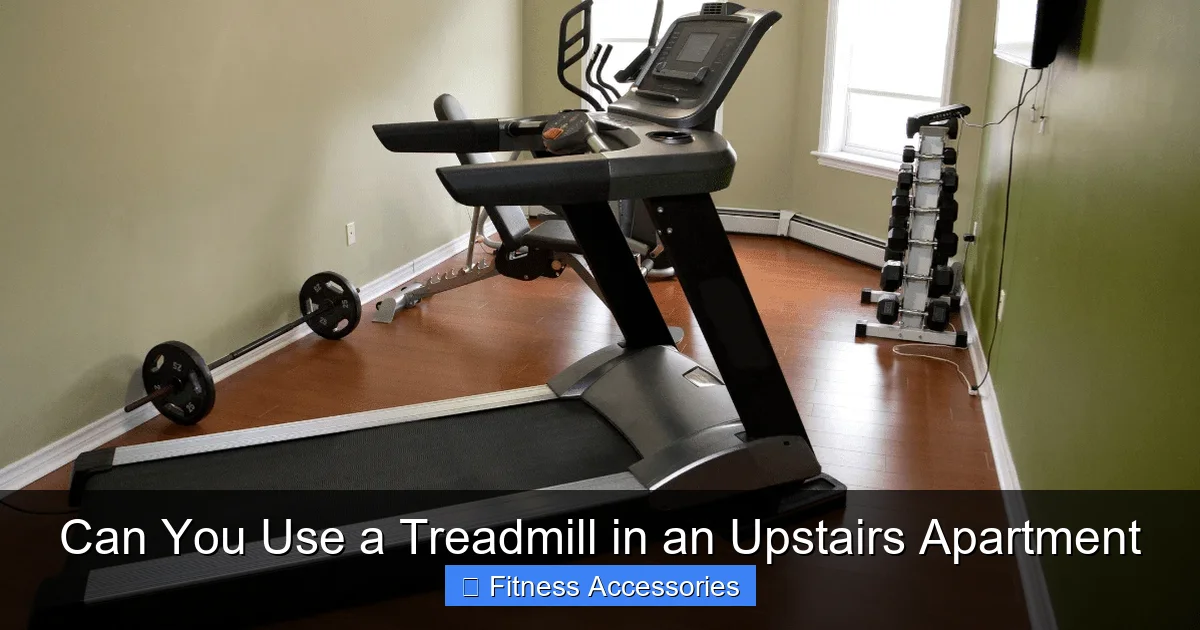
Visual guide about Can You Use a Treadmill in an Upstairs Apartment
Image source: treadmill-ratings-reviews.com
Decoding Your Lease or House Rules
Grab your lease, condo bylaws, or HOA handbook. Look for keywords: “exercise equipment,” “heavy appliances,” “floor load,” “noise violations,” “structural alterations,” and “common element damages.” Some leases have specific weight limits for items on upper floors (e.g., “no item exceeding 150 lbs in bedroom areas”). Others may require you to get written permission from the management company or board. Don’t assume “it’s not mentioned, so it’s allowed.” Silence can be interpreted as a violation if a complaint arises and you didn’t seek approval.
The “Permission in Writing” Protocol
If there’s any ambiguity, send a formal, polite email to your landlord or management. State your intention to purchase a specific treadmill model (include its specs: weight, dimensions, and a link). Ask if there are any restrictions or if they require a security deposit for potential damage. Having an email that says “Yes, that model is acceptable” is your best defense against future disputes. It shows you’re responsible and proactive.
Insurance and Liability
Review your renter’s insurance policy. Does it cover damage to the building caused by your equipment? In a worst-case scenario (unlikely, but possible), if your treadmill’s vibration contributed to a crack or damage, you could be liable. Your landlord’s insurance covers the structure, but they may subrogate and come after you. It’s a good practice to have adequate personal liability coverage.
Step 2: Choosing the Right Treadmill for Apartment Living
This is where you put your research to work. Not all treadmills are created equal, and the “best” for a suburban basement is often the worst for an upstairs apartment.
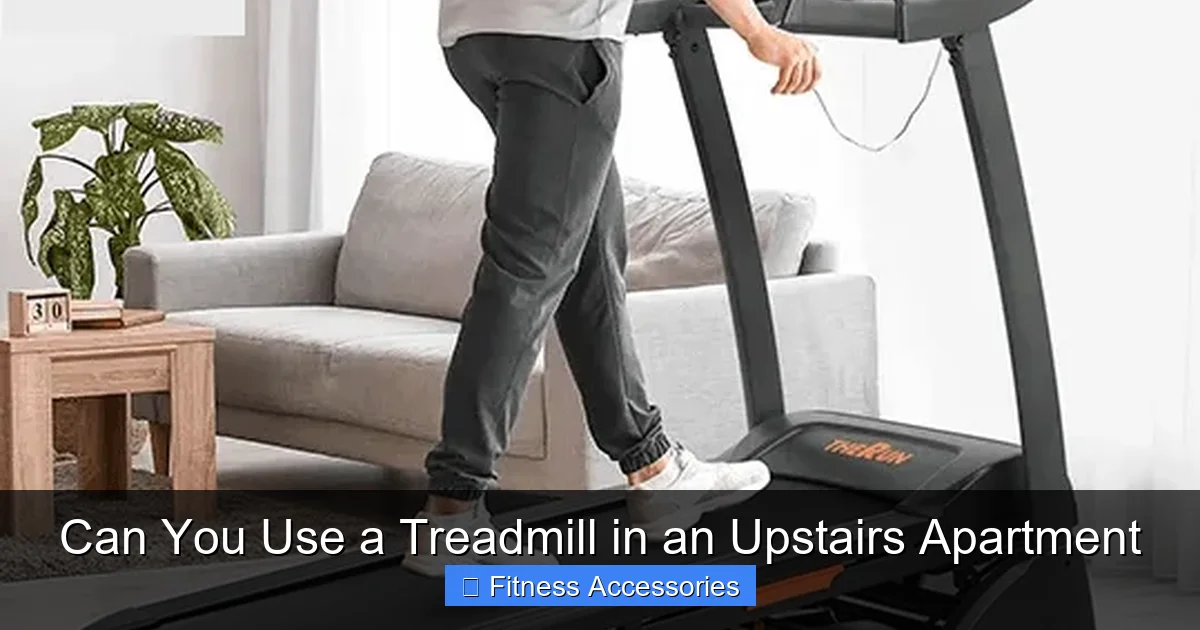
Visual guide about Can You Use a Treadmill in an Upstairs Apartment
Image source: finedose.com
The “Apartment-Friendly” Treadmill Checklist
When shopping, filter your search with these criteria:
- Low Overall Weight: Aim for a machine under 200 lbs if possible. Folding models often use lighter materials. A heavy, industrial-grade runner is a bad bet.
- Superior Cushioning System: This is your #1 feature. Look for proprietary cushioning tech (e.g., NordicTrack’s FlexSelect, Sole’s CushionFlex, Horizon’s 3-Zone). The more the deck absorbs impact, the less vibration transmits downward. Read reviews specifically mentioning “quiet” and “vibration.”
- Quiet DC Motor: Direct Current (DC) motors are generally quieter and more efficient for walking and light jogging than traditional AC motors. They’re standard in most residential, non-commercial models.
- Folding Design (Optional but Helpful): A folding treadmill can be stored vertically against a wall when not in use, freeing floor space and reducing the constant “presence” of a large object. However, ensure the folding mechanism is sturdy and doesn’t compromise stability.
- Smaller Belt Size: A 50″ x 16″ belt is standard. If you’re a walker or small jogger, a more compact 48″ x 15″ belt can mean a smaller, lighter machine with less surface area to vibrate.
- Incline Motor vs. Manual: Electric incline motors add weight and complexity. A manual incline adjustment (you lift the back) is lighter and simpler, though less convenient.
Specific Models to Consider (As of 2024)
While models change, brands consistently good for apartments include Sunny Health & Fitness (their basic magnetic and light motorized models), Goplus (budget-friendly folding options), Horizon Fitness (excellent cushioning on the T series), and NordicTrack (with their cushioning adjustment). For a true “under-desk” option, the WalkingPad series is incredibly lightweight and quiet but only for walking. Always check the latest user reviews for noise/vibration complaints specific to your shortlisted models.
Step 3: Strategic Placement and Vibration Dampening
You’ve got the machine and the green light from your landlord. Now, where do you put it? Location is everything.
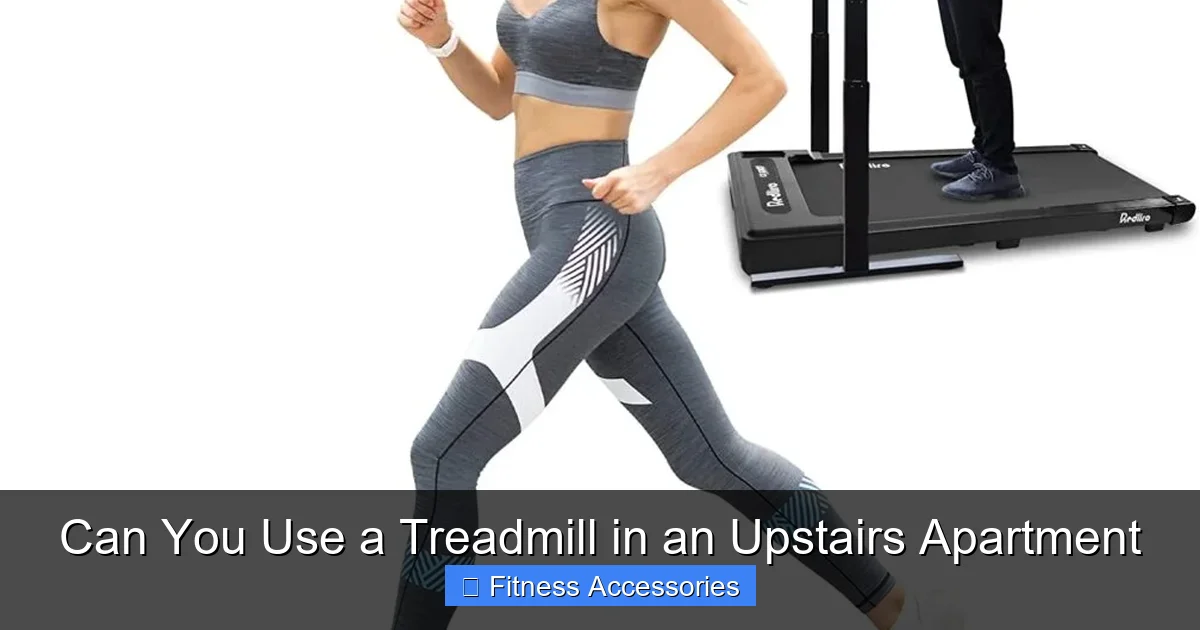
Visual guide about Can You Use a Treadmill in an Upstairs Apartment
Image source: finedose.com
Location, Location, Location
- Aim for Load-Bearing Walls: Place the treadmill parallel to and as close as possible to a major structural wall (often the exterior wall or a wall that separates units). This places the weight and vibration directly over the building’s strongest support points—the joists or beams running into that wall.
- Avoid Mid-Span Placement: Never place a treadmill in the middle of a room, perpendicular to joists. This is where floors deflect the most, maximizing vibration and “bounce.”
- Corner Strategy: An inside corner, where two load-bearing walls meet, is often the absolute best spot. You get the benefit of two structural supports.
- Stay Away from Shared Walls: If possible, avoid placing the treadmill against a wall you share with your neighbor. The vibration will travel directly through that shared wall/floor assembly. If you must, extra soundproofing is essential.
The Non-Negotiable: A High-Quality Vibration Isolation Mat
Do not skip this. A standard gym mat or thin rug is not enough. You need a dedicated treadmill vibration dampening pad. These are typically thick (1/2″ to 1″), dense rubber composites (often recycled rubber) or specialized foam products (like Vibration Isolation Pads from Sonic Shield or Gym Flooring Pro). They work by absorbing and dissipating the impact energy before it reaches the subfloor. Look for products rated for “impact noise reduction” and “vibration isolation.” This is your single most effective tool.
Layered Soundproofing Approach
For maximum effect, combine methods:
- Primary: The vibration isolation mat under the entire treadmill footprint.
- Secondary: A thick, dense carpet or rug pad on top of the vibration mat (if you have carpet). The mass-loaded vinyl (MLV) layer between can help.
- Tertiary: Acoustic sealant around baseboards, heavy curtains on windows (which can reflect sound), and bookshelves or heavy furniture on the shared wall to add mass and break up sound waves.
- Pro Tip: Use Green Glue (a damping compound) between two layers of drywall on the ceiling below if you’re doing a major renovation—but that’s usually overkill for a renter.
Step 4: Being a Good Neighbor – Etiquette and Communication
Technical solutions are only half the battle. The other half is human relations. A little courtesy goes a very long way.
The Proactive “Hello”
Before your treadmill even arrives, knock on your downstairs neighbor’s door. Introduce yourself. Say something like: “Hi, I’m [Your Name] from upstairs. I just wanted to let you know I’m getting a treadmill for my apartment. I’m very conscious about noise, so I’m investing in special mats to minimize any vibration. I’ll only be using it during reasonable daytime hours. Please don’t hesitate to text me if you ever hear anything that bothers you.” This simple act transforms you from an unknown noise source into a considerate human who cares about their peace.
Establishing and Respecting “Quiet Hours”
Most buildings have defined quiet hours (e.g., 10 PM to 8 AM on weekdays, longer on weekends). Adhere to these strictly. Even if your machine is quiet, the activity itself can be disruptive. Treat your treadmill use like any other potentially noisy activity. The safest hours for running are typically mid-morning to early evening on weekends and after 5 PM on weekdays, but always follow your building’s specific rules.
Maintenance is a Neighborly Duty
A squeaky, unmaintained treadmill is an inconsiderate one. Follow the manufacturer’s lubrication schedule. Tighten all bolts monthly. Keep the belt centered and clean. A well-maintained machine is a quieter machine. This is part of your responsibility as an apartment dweller with exercise equipment.
Step 5: Alternatives If the Treadmill Is a No-Go
What if your lease forbids it? What if your building is ancient and creaky? What if you tried and got a formal complaint? Don’t abandon fitness. Adapt.
Under-Desk Walking Pads
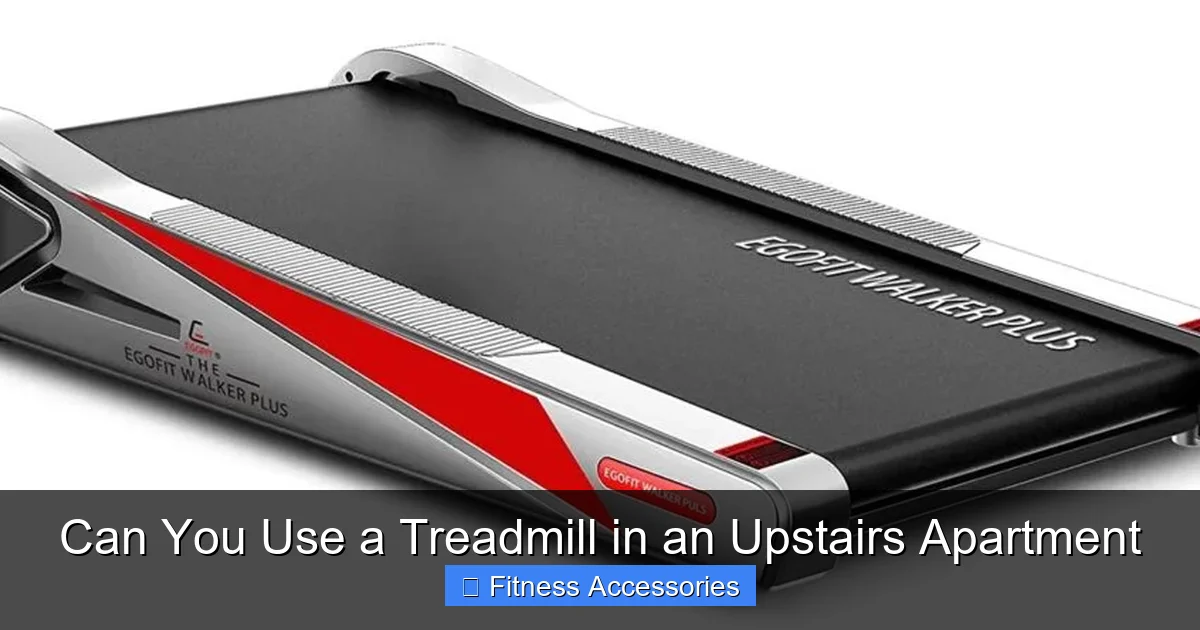
Devices like the WalkingPad or Egofit are game-changers. They are ultra-thin, lightweight (often under 60 lbs), have no handrails, and are designed for slow walking (1-4 mph) while you work, watch TV, or read. The impact is minimal, the noise is almost inaudible, and the vibration is negligible due to their low weight and speed. Perfect for a 1-2 mile “movement break” throughout the day.
Compact Ellipticals or Exercise Bikes
These often have a smoother, lower-impact motion than a treadmill. The force is more up-and-down or circular rather than a pounding impact. Look for “compact” or “apartment-sized” models. A good recumbent bike is virtually silent and has a very small footprint. A front-drive elliptical can be quieter than a treadmill, but still requires a vibration mat.
The Great Outdoors & Community Amenities
Don’t forget the simplest solution: running outside. Invest in good weather-appropriate gear. Does your apartment complex have a fitness center? Use it! Even if it’s a basic treadmill, it’s someone else’s problem to maintain and deal with noise. Check for local community centers or gyms with day-pass options.
Conclusion: A Balanced Approach for Happy Feet and Happy Neighbors
Can you use a treadmill in an upstairs apartment? The answer is a resounding yes, with a significant asterisk. Success hinges on a three-legged stool: knowledge (of your building’s rules and structural realities), equipment (choosing the right, quiet, low-impact machine and pairing it with proper isolation mats), and communication (being a transparent, considerate neighbor). It’s an investment—not just of money, but of thoughtfulness. By taking these steps, you protect your living situation, maintain good relationships, and still achieve your fitness goals. You’re not just buying a treadmill; you’re buying into a peaceful home environment. So do your homework, talk to your neighbors, choose wisely, and enjoy your runs without the rumble.
Frequently Asked Questions
Is there a weight limit for treadmills in upstairs apartments?
Yes, every apartment building has a structural weight capacity per square foot, typically 40-50 lbs for live loads. You must consider the treadmill’s weight plus your body weight in motion (dynamic load). Always check your lease for specific limits and consult your building manager if unsure. Exceeding limits risks structural damage.
How can I make my treadmill quieter for downstairs neighbors?
Use a thick, high-quality vibration isolation pad (1/2″+ dense rubber) under the entire treadmill. Place the machine on a load-bearing wall. Perform monthly maintenance to lubricate the belt and tighten bolts. Choose a treadmill with excellent cushioning and a quiet DC motor. Adding a thick rug on top of the mat can further dampen sound.
What is the best type of treadmill for an apartment?
Look for “apartment-friendly” models under 200 lbs with superior cushioning systems (like FlexSelect or CushionFlex), a quiet DC motor, and a folding design if space is tight. Brands like Sunny Health & Fitness, Horizon Fitness (T series), and certain NordicTrack models are often recommended. Under-desk walking pads are the quietest and lightest option for walking only.
Do I need permission from my landlord to put a treadmill upstairs?
Almost certainly, yes. Your lease likely has clauses about heavy equipment or alterations. You must get written permission. Email your landlord/management with the specific treadmill model and its specifications. This protects you from liability and ensures you’re not violating your agreement. Some may require a security deposit.
Will a vibration mat really stop noise from going downstairs?
A proper vibration isolation mat is extremely effective at reducing impact thumping and rumble—the main complaint. It won’t eliminate 100% of sound, but a good mat combined with correct placement on a load-bearing wall can reduce vibration transmission by 50-80%. It is the single most important accessory you can buy for apartment treadmill use.
What are the best hours to use a treadmill in an apartment?
Always follow your building’s official “quiet hours” (often 10 PM – 8 AM). The safest, most neighbor-friendly times are typically between 9 AM and 9 PM on weekdays, and 10 AM and 9 PM on weekends. When in doubt, ask your downstairs neighbor their preference. Avoid early morning or late-night runs when people are most sensitive to noise.