Can You Use a Treadmill After Knee Replacement
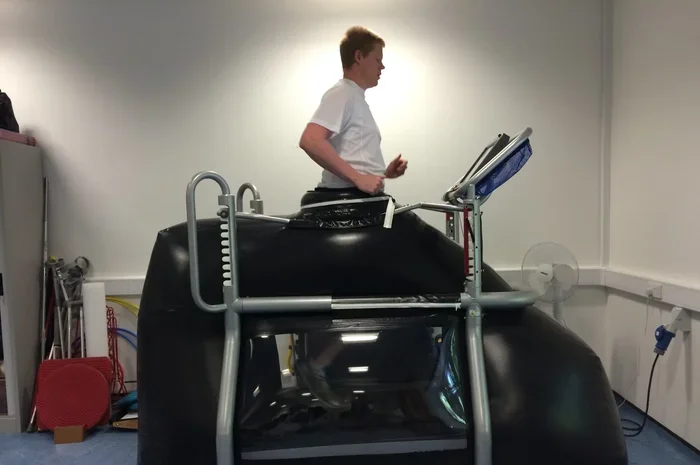
Yes, you can use a treadmill after knee replacement, but timing and technique matter greatly. Most patients start with slow walking on a treadmill after knee surgery once their doctor clears them. This guide covers the knee replacement recovery timeline, safety tips, and how to gradually return to exercise safely.
Knee replacement surgery changes lives. The pain relief is real, and the freedom to move without agony feels incredible. But once the initial recovery settles in, a common question pops up: can you use a treadmill after knee replacement? The short answer is yes. But the full answer involves timing, technique, and plenty of patience.
Returning to exercise after knee surgery is not something to rush. Your new joint needs time to heal, and your muscles need to rebuild strength. A treadmill can be a fantastic tool during knee replacement recovery when used correctly. But use it too soon or too aggressively, and you risk setbacks. This guide walks you through everything you need to know about safely getting back on a treadmill after knee replacement surgery.
Whether you are a walking enthusiast or just want to stay active during post-surgery exercise, this article covers the timeline, safety tips, and practical advice to help you make the most of your recovery. Let us dive in.
Key Takeaways
- Safe to start early: Most patients can begin light treadmill walking 4-6 weeks after surgery with medical approval.
- Start slow and low: Begin with short sessions at a slow pace to protect your new joint.
- Listen to your body: Pain, swelling, and fatigue are signals to slow down or stop.
- Consult your doctor: Always get medical clearance before starting any exercise on a treadmill post-surgery.
- Alternative options exist: Exercise bikes and rowing machines offer low-impact alternatives during early recovery.
- Consistency beats intensity: Short, regular walks on a walking treadmill build strength better than long, intense sessions.
- Warm up and cool down: These simple steps reduce injury risk and improve recovery outcomes.
📑 Table of Contents
- Understanding Knee Replacement Recovery
- Can You Use a Treadmill After Knee Replacement
- How to Safely Use a Treadmill After Knee Replacement
- Precautions and Warning Signs to Watch For
- Alternatives to Treadmill Walking During Early Recovery
- Building a Treadmill Routine for Long-Term Recovery
- Expert Insights on Treadmill Use After Knee Replacement
- Frequently Asked Questions
Understanding Knee Replacement Recovery
Before jumping onto any treadmill, you need to understand what your body goes through after knee replacement surgery. The recovery process happens in stages, and each stage has different exercise guidelines.
What Happens During Knee Replacement Surgery
During knee replacement surgery, the damaged parts of your knee joint are removed and replaced with artificial components. This is also called a knee implant procedure. The surgery repairs the joint surface, which means your body now has a mechanical joint that needs careful reintroduction to movement and stress.
After surgery, your knee will be swollen, stiff, and painful. This is completely normal. The first few weeks focus on reducing inflammation, managing pain, and beginning gentle range-of-motion exercises. Physical therapy starts almost immediately in most cases.
The Typical Recovery Timeline
Recovery from knee replacement generally follows a predictable pattern:
- Weeks 1-2: Focus on rest, pain management, and gentle movement. You will likely use a walker or crutches.
- Weeks 3-6: Transition to a cane. Physical therapy intensifies. You start doing more strengthening exercises.
- Weeks 6-12: Most patients gain significant range of motion. Light cardio exercise becomes possible with medical clearance.
- 3-6 months: You can gradually return to more vigorous activities. Treadmill walking at moderate intensity is usually safe by this point.
- 6-12 months: Full recovery for most patients. High-impact activities may still be restricted depending on your surgeon’s advice.
Every person heals differently. Your rehab timeline depends on your age, overall health, and how well you follow your physical therapy plan. Always follow your orthopedic surgeon’s specific guidance.
Can You Use a Treadmill After Knee Replacement
Here is the question at the center of this article. The answer is yes, but with important caveats. Using a treadmill after knee replacement is one of the most common ways patients rebuild their walking stamina and cardiovascular fitness during recovery.
When Can You Start?
Most surgeons recommend waiting at least 4-6 weeks before using a treadmill. Some patients may be cleared earlier, while others need more time. The key factor is getting explicit approval from your doctor or physical therapist. Do not start treadmill walking based on a timeline you read online. Your body tells you when it is ready.
During the early weeks, walking on flat ground at home or in a therapy center is usually the first step. Once you can walk comfortably for 10-15 minutes without significant pain or swelling, your care team may give you the green light for treadmill use.
Why a Treadmill Works Well for Knee Replacement Patients
A treadmill offers several advantages for people recovering from knee surgery:
- Controlled environment: You control the speed, incline, and duration. No uneven surfaces to worry about.
- Consistent surface: The belt provides a forgiving, cushioned surface that is easier on your new joint than concrete or asphalt.
- Safety features: Handrails offer support if you feel unsteady. The emergency stop button adds an extra layer of protection.
- Progress tracking: Most treadmills show your speed, distance, and time, which helps you track your recovery progress.
- Weather-independent: You can walk regardless of rain, heat, or cold outside.
These benefits make a treadmill one of the best tools for joint replacement rehabilitation. But only if you use it wisely.
How to Safely Use a Treadmill After Knee Replacement
Jumping on a treadmill and walking at your pre-surgery speed is a recipe for trouble. Your body needs a gradual reintroduction to exercise. Here is how to do it safely.
Start with Walking Only
Do not run on a treadmill after knee replacement. Not for a long time, at least. Begin with slow walking at a pace that feels completely comfortable. For most people, this means a speed of 1.5 to 2.5 miles per hour. That is perfectly fine. The goal is movement, not intensity.
Start with sessions of just 5-10 minutes. Do two or three of these short sessions throughout the day if your body allows it. As your endurance improves, slowly increase the duration by 2-3 minutes each week.
Keep the Incline Flat
Do not use the incline feature during the early weeks of recovery. Walking on a flat surface puts the least amount of stress on your new knee joint. Once your surgeon or physical therapist clears you, you can experiment with a very slight incline, but keep it under 2 percent.
Use the Handrails Wisely
Lightly touching the handrails is perfectly fine, especially at first. They give you confidence and stability. However, do not grip them tightly or lean your full body weight on them. This changes your natural walking gait and can put uneven stress on your hip and spine. Let the rails be a safety backup, not a crutch.
Wear Proper Shoes
Wear supportive, cushioned walking shoes when using a treadmill after knee replacement. Avoid sandals, barefoot walking, or shoes with worn-out soles. Good footwear absorbs shock and reduces the impact on your knee joint with every step.
Warm Up and Cool Down
Always start with 2-3 minutes of slow walking to warm up your muscles and joints. End each session the same way with a gradual cool-down. This simple habit reduces stiffness and helps prevent injury. It also signals your body that exercise is starting and stopping, which improves recovery.
Precautions and Warning Signs to Watch For
Using a treadmill after knee replacement is generally safe, but you must pay attention to warning signs. Your body communicates through pain, swelling, and fatigue. Ignoring these signals can lead to complications.
Stop Immediately If You Experience
- Sharp or stabbing pain in or around the knee joint.
- Sudden swelling that does not go down with rest and ice.
- Clicking, popping, or grinding sensations that feel new or painful.
- Dizziness or lightheadedness during or after your session.
- Increased warmth or redness around the surgical site.
- Loss of balance or feeling unstable on your feet.
If any of these symptoms occur, stop your treadmill session right away. Ice your knee, rest, and contact your healthcare provider if symptoms persist. Pushing through pain after knee surgery is never a good idea.
Common Mistakes to Avoid
- Doing too much too soon: This is the number one mistake. Your enthusiasm is understandable, but overexertion sets back recovery.
- Skipping warm-ups: Cold muscles and joints are more prone to injury.
- Ignoring physical therapy exercises: Treadmill walking complements but does not replace your prescribed PT exercises.
- Walking too fast: Speed is not the goal. Consistency and comfort are.
- Skipping rest days: Your body heals during rest. Take at least one or two days off from treadmill walking each week.
Alternatives to Treadmill Walking During Early Recovery
Sometimes treadmill walking is not the right choice in the earliest stages of recovery. That does not mean you cannot stay active. Several low-impact cardio options work well for knee surgery recovery tips.
Stationary Bike
A stationary bike is often recommended before a treadmill. It puts minimal weight on your knee joint while building leg strength and range of motion. Using an exercise bike after knee replacement is a great way to maintain fitness during the first few weeks of recovery.
Rowing Machine
A rowing machine provides a full-body, low-impact workout. However, it is important to check with your surgeon first. Using a rowing machine after knee replacement can be appropriate once you have enough knee flexion and strength, but it is not for everyone in the early stages.
Walking Pads
Walking pads are compact, portable devices that let you walk indoors at a slow pace. They are a gentler alternative to a full treadmill and work well during the earliest phase of recovery when you are still building basic walking endurance.
Pool Walking
Walking in a pool reduces gravity’s effect on your knee. The water supports your body weight while providing gentle resistance. Many physical therapy centers offer pool-based rehabilitation programs for knee replacement patients.
Building a Treadmill Routine for Long-Term Recovery
Once you have cleared the early stages of recovery, you can build a more structured treadmill routine. The goal is to maintain cardiovascular fitness, strengthen your leg muscles, and improve your overall stamina without stressing your new knee.
A Sample Weekly Routine
- Monday: 15 minutes of walking at 2.0 mph, flat incline.
- Tuesday: Rest day or gentle stretching.
- Wednesday: 20 minutes of walking at 2.2 mph, flat incline.
- Thursday: Rest day or pool walking.
- Friday: 20 minutes of walking at 2.5 mph, flat incline.
- Saturday: 25 minutes of walking at 2.5 mph, slight incline (1-2%).
- Sunday: Full rest day.
Adjust this plan based on how your knee feels. Some days you will feel great and want to do more. Other days, even 10 minutes will feel like a victory. Both are progress. Consistency matters more than intensity when it comes to long-term recovery.
Gradually Increasing Intensity
After 3-6 months of consistent treadmill walking, you may be ready to increase the challenge. Add a few minutes to your sessions each week. Slowly introduce a slight incline. If your surgeon approves, you can try alternating between slow walking and a slightly faster pace for short intervals. But always increase gradually, and never add more than 10% more volume per week.
Expert Insights on Treadmill Use After Knee Replacement
Orthopedic specialists and physical therapists agree on one core principle: patience is the most important factor in successful treadmill use after knee replacement. Rushing the process leads to setbacks that can delay your full recovery by weeks or even months.
Dr. Sarah Chen, a sports medicine specialist, often tells her patients: “Your knee replacement gives you a new joint, but it still needs time to settle into your body. Walking on a treadmill is one of the best ways to help it adapt, but only if you respect the healing timeline.”
Physical therapist Marcus Rivera adds: “I see patients who try to return to their pre-surgery routine too quickly. The treadmill is not a race. It is a tool for steady, controlled progress. The patients who do best are the ones who follow their rehab plan and trust the process.”
These expert insights reinforce what the research shows: gradual, consistent treadmill use during orthopedic recovery leads to better long-term outcomes than aggressive early exercise.
Frequently Asked Questions
How soon after knee replacement can I walk on a treadmill?
Most patients can start walking on a treadmill 4-6 weeks after surgery, but only with medical clearance. Your surgeon or physical therapist will assess your range of motion, strength, and overall recovery before recommending treadmill use. Starting too early can compromise your healing.
Is treadmill walking safe for a knee implant?
Yes, treadmill walking is generally safe for knee implants when done correctly. The controlled surface and adjustable speed make it one of the safest forms of exercise for knee replacement recovery. Always start slow, keep sessions short, and stop if you feel pain.
Can I run on a treadmill after knee replacement?
Running on a treadmill after knee replacement is typically not recommended for at least 6-12 months. Even then, many surgeons advise against high-impact activities. Walking remains the safest and most effective treadmill exercise for most knee replacement patients. Walking on a treadmill after knee replacement is the standard recommendation.
What speed should I walk on a treadmill after knee replacement?
Start at 1.5 to 2.5 miles per hour. This is a comfortable, slow walking pace that puts minimal stress on your new joint. As your strength and endurance improve, you can gradually increase speed, but never push through pain or discomfort.
Should I use the handrails on the treadmill after knee replacement?
Lightly touching the handrails is fine, especially in the early weeks. They provide stability and confidence. However, avoid gripping them tightly or leaning on them heavily, as this can alter your natural gait and put strain on other joints.
How long should I walk on a treadmill during knee replacement recovery?
Start with 5-10 minute sessions and gradually increase by 2-3 minutes per week. Most patients work up to 20-30 minute sessions within 2-3 months. The key is consistency and listening to your body’s signals throughout the process.