Can You Hear a Treadmill in an Apartment
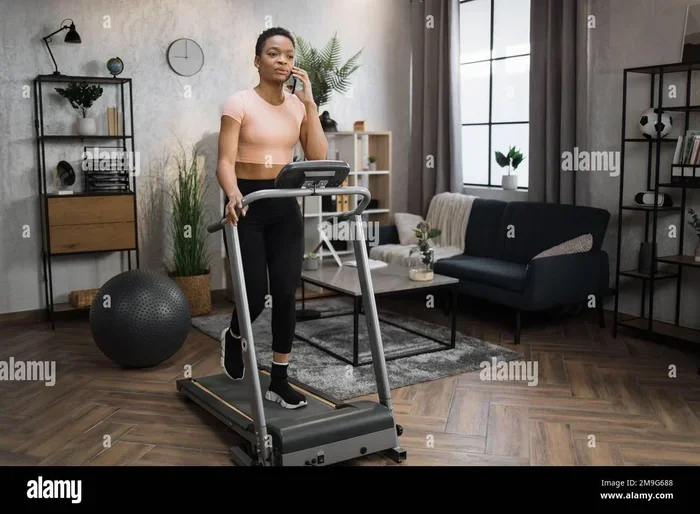
Yes, you can hear a treadmill in an apartment, especially if it’s on an upper floor or has poor vibration control. The treadmill noise in apartment settings comes from motor hum, belt friction, and foot impact. Using a treadmill mat, proper placement, and regular maintenance can dramatically cut the sound. This guide covers every angle of apartment treadmill noise so you can exercise without disturbing others.
Living in an apartment doesn’t mean you have to give up your treadmill. But if you’ve ever wondered whether your downstairs neighbor can hear your morning jog, you’re not alone. The question can you hear a treadmill in an apartment comes up more often than you’d think. And the honest answer is yes, it’s very possible. Treadmill noise in apartment buildings is a real concern for renters and owners alike.
The good news is that there are plenty of ways to keep the sound down. From choosing the right mat to placing your machine wisely, small changes make a big difference. Whether you walk or run, this guide covers everything you need to know about apartment treadmill noise. Let’s dive in.
Key Takeaways
- Treadmill noise is real: Motors, belts, and foot strikes all create sound that travels through floors in apartments.
- Vibration is the main culprit: Impact from running transfers through the floor to downstairs neighbors.
- A quality treadmill mat helps a lot: It absorbs shock and reduces both vibration and noise.
- Placement matters: Where you put your apartment treadmill affects how much noise others hear.
- Maintenance reduces sound: Lubricating the belt and tightening parts keeps your treadmill quieter.
- Consider a folding treadmill: These often run quieter and are easier to store when not in use.
📑 Table of Contents
- Why Treadmill Noise Matters in Apartments
- Can You Hear a Treadmill Through Apartment Floors
- How to Reduce Treadmill Noise in an Apartment
- Common Treadmill Noises and What They Mean
- Apartment Treadmill Etiquette
- Best Treadmill Types for Apartment Living
- Power and Electrical Considerations
- Final Thoughts on Apartment Treadmill Noise
Why Treadmill Noise Matters in Apartments
Apartment living means sharing walls, floors, and ceilings with neighbors. Unlike a house, sound travels easily between units. A treadmill that feels quiet to you might sound like a thunderstorm to someone below. Understanding why this happens is the first step to solving the problem.
Most people don’t realize how much their workout equipment affects others. The treadmill noise in apartment settings comes from three main sources: the motor, the belt, and your foot strikes. Each one adds to the overall volume. And when you stack them together, the result can be surprisingly loud.
The Motor
The motor is the engine of your treadmill. It spins the belt and powers your workout. Even the best motors produce some hum. Cheaper models tend to be louder. Higher-end treadmills often have quieter motors, but none are completely silent. The motor noise travels through the floor and walls, reaching neighbors far beyond your unit.
The Belt
A dry or worn belt creates friction. That friction makes a squeaking or rubbing sound. Over time, belt wear increases noise levels. Regular treadmill maintenance keeps the belt smooth and quiet. Lubricating the belt every few months is one of the simplest ways to reduce sound.
Foot Impact
Every time your foot hits the belt, it creates a shock. That shock travels downward through the floor. In apartments, this impact noise is often the loudest part. Running creates more impact than walking. If you’re a heavier runner, the effect is even greater. This is why treadmill vibration is such a big deal in shared buildings.
Can You Hear a Treadmill Through Apartment Floors
The short answer is yes. Apartment floors are not designed to block heavy impact. Most floors are made of wood, laminate, or thin concrete. These materials transmit sound easily. A treadmill running on the second floor will likely be heard on the first floor.
The question can you hear a treadmill in an apartment depends on several factors. The type of flooring, the treadmill model, your weight, and your workout intensity all play a role. Let’s look at what makes the biggest difference.
Floor Type and Sound Transfer
Hard floors like hardwood or tile transfer sound much better than carpet. Carpet absorbs some noise naturally. But even carpet won’t stop treadmill vibrations completely. If your apartment has hard floors, the noise will travel more easily to the unit below.
Some apartments have special soundproofing. These buildings may use thicker flooring or acoustic underlayment. But most standard apartments offer little sound isolation between floors. This means your treadmill noise is almost always audible to at least one neighbor.
Treadmill Weight and Stability
Heavier treadmills tend to be more stable. A stable treadmill vibrates less during use. Lighter models may shake and bounce more, creating extra noise. When shopping for an apartment treadmill, look for models with a wide base and low center of gravity. These stay steadier and run quieter.
Your Workout Style
How you use the treadmill matters a lot. Walking creates less noise than jogging. Running creates the most. If you’re doing high-intensity interval training, the sudden bursts of impact will be more noticeable. Adjusting your workout style can help reduce the noise you create.
How to Reduce Treadmill Noise in an Apartment
Reducing treadmill noise in apartment spaces is completely doable. You don’t need expensive soundproofing or a gym membership. A few smart choices can make your treadmill much quieter. Here are the best methods to try.
Use a Treadmill Mat
A treadmill mat is one of the simplest and most effective solutions. These thick rubber mats absorb shock and reduce vibration. They sit under your treadmill and create a barrier between the machine and the floor.
You can also use a yoga mat under treadmill setup for a budget-friendly option. While not as effective as a dedicated treadmill mat, a thick yoga mat still helps. It cushions some of the impact and reduces the noise that reaches the floor below.
When choosing a mat, look for ones that are at least 3/4 inch thick. Dense rubber works best. The mat should be larger than your treadmill base. This ensures full coverage and maximum noise reduction.
Place the Treadmill on the Right Surface
Where you put your treadmill in your apartment matters more than you think. Avoid placing it on bare hardwood or tile. Instead, try to put it on a rug or carpeted area if possible.
If you’re wondering where to put a treadmill in an apartment, choose a spot away from shared walls. Corners tend to trap sound. Center the treadmill on a load-bearing wall if you can. And always place it on the lowest floor available. Running on the ground floor creates far less disturbance than the second or third floor.
Some people ask can you have a treadmill on the second floor. Yes, you can, but the noise will be louder for the unit below. If second floor is your only option, invest in extra vibration control measures.
Lubricate the Belt Regularly
A dry treadmill belt squeaks and creates friction noise. This is one of the easiest fixes. Most treadmill manufacturers recommend lubricating the belt every three to six months. Use a silicone-based lubricant made for treadmills.
Some people wonder if they can use household products. Can you use WD-40 to lubricate a treadmill? Not really. WD-40 is not the right lubricant for treadmill belts. It can damage the belt over time. Stick with proper treadmill lubricant for the best results and quietest operation.
Tighten All Bolts and Parts
Loose parts rattle and vibrate. Over time, the screws and bolts on your treadmill can loosen. Check them regularly. Tighten anything that wiggles. A well-maintained treadmill runs smoother and quieter.
Pay special attention to the deck rails, side rails, and motor housing. These areas often loosen with regular use. A quick check before each workout can prevent unnecessary noise.
Consider a Folding Treadmill
Folding treadmills are popular in apartments for good reason. They save space and they often run quieter. The folding design concentrates the frame, reducing wobble. Many modern folding models come with built-in noise reduction features.
Look for folding treadmills with a thick deck and a quiet motor. Brands that focus on home use tend to engineer for lower noise levels. A folding treadmill also makes it easy to store the machine when guests visit, giving your neighbors a break.
Use an Acoustic Floor Panel
For serious noise reduction, consider an acoustic floor panel. These panels sit under your entire workout area. They are designed to block sound from traveling between floors. They work especially well in apartments with hard floors.
Acoustic panels are thicker than standard treadmill mats. They can reduce impact noise by up to 50% or more. They’re a great investment if you run regularly and live in a building with thin floors.
Common Treadmill Noises and What They Mean
Not all treadmill noise is the same. Some sounds are normal. Others signal a problem. Learning to identify the different noises helps you fix issues before they get worse.
Normal Sounds
- Low motor hum: Every treadmill motor makes a gentle humming sound. This is completely normal.
- Soft belt movement: The belt gliding over the deck should be nearly silent.
- Slight clicking: The console and electronic parts may click during operation.
Abnormal Sounds
- Loud squeaking: This usually means the belt needs lubrication or is misaligned.
- Grinding noise: A grinding sound often points to a worn deck or belt. Stop using the treadmill and inspect it.
- Loud thumping: This happens when the belt is loose or the rollers are damaged.
- Rattling: Loose screws, bolts, or accessories often cause rattling. Tighten everything.
Addressing abnormal sounds quickly keeps your treadmill running quietly. It also extends the life of the machine. Regular treadmill maintenance saves you money and keeps your neighbors happy.
Apartment Treadmill Etiquette
Even with the best noise reduction, some sound will always travel. Being a good neighbor means being considerate. Here are a few etiquette tips for apartment treadmill users.
Set Quiet Hours
Most apartments have quiet hours, usually at night and early morning. Avoid running your treadmill during these times. Midday and early afternoon are generally the best windows for loud workouts.
Communicate with Neighbors
Let your downstairs neighbors know you have a treadmill. A friendly conversation goes a long way. If they raise concerns, take them seriously. Offer to adjust your workout times or add more soundproofing.
Keep Workouts Reasonable
Long, intense running sessions create more noise over time. Consider breaking your workout into shorter segments. This gives your neighbors regular quiet periods and keeps the overall noise level lower.
Check Your Building Rules
Some apartments have rules about exercise equipment. Before setting up your treadmill, review your lease or building guidelines. Knowing the rules keeps you out of trouble and helps you be a respectful neighbor.
Best Treadmill Types for Apartment Living
Not all treadmills are created equal when it comes to noise. Some models are specifically designed for home and apartment use. These tend to be quieter and more compact.
What to Look For
- Quiet motor: Look for treadmills with brushless DC motors. These run significantly quieter than AC motors.
- Thick deck: A thicker deck absorbs more impact. This reduces the vibration that reaches the floor.
- Folding design: Folding treadmills are easier to store and often more stable during use.
- Low vibration technology: Some brands offer built-in vibration dampening systems.
When you’re ready to buy, check out where can you buy a treadmill in store for options you can test in person. Testing the noise level before buying is always a smart move. You can also explore where can I buy a treadmill in person at local retailers to get a feel for different models.
Power and Electrical Considerations
Beyond noise, you also need to think about how you power your treadmill in an apartment. Using the wrong power setup can create additional noise or even safety hazards.
Many people ask can you plug a treadmill into a power strip. The answer is yes, but with caution. Use a power strip rated for the treadmill’s wattage. A surge protector is even better. It protects your machine and prevents electrical noise that can interfere with the motor.
Another common question is can you run a treadmill off an extension cord. It’s possible, but not ideal. Extension cords can cause voltage drops, which make the motor work harder and louder. If you must use one, choose a short, heavy-gauge cord. Better yet, plug the treadmill directly into a wall outlet.
Always check that your apartment’s electrical system can handle the treadmill’s power needs. Most residential treadmills draw between 600 and 1200 watts. Make sure your circuit isn’t shared with other high-power appliances.
Final Thoughts on Apartment Treadmill Noise
So, can you hear a treadmill in an apartment? Yes, absolutely. But that doesn’t mean you can’t enjoy your workouts. With the right setup, maintenance, and etiquette, you can keep the noise to a minimum.
The key is being proactive. Don’t wait for complaints from neighbors. Take action now with a good mat, proper placement, and regular upkeep. Your treadmill can be a part of apartment living without becoming a nuisance.
Remember, a little effort goes a long way. A quiet treadmill means happy neighbors and a better workout experience for you. Enjoy your runs, respect the space you share, and keep your machine well-maintained. That’s the recipe for apartment treadmill success.
Frequently Asked Questions
Can downstairs neighbors hear my treadmill?
Yes, downstairs neighbors can often hear a treadmill, especially during running workouts. The impact from foot strikes travels through the floor more than the motor noise. Using a thick treadmill mat and placing the machine on a carpeted area can significantly reduce what they hear.
What is the quietest treadmill for apartments?
Foldable treadmills with brushless DC motors tend to be the quietest options for apartments. Look for models with low vibration features and thick decks. Reading reviews specifically for noise levels helps you find the best quiet option for your space.
Does a treadmill mat really reduce noise?
Yes, a treadmill mat makes a noticeable difference. It absorbs shock and reduces the vibration that transfers through the floor. A quality rubber mat at least three-quarters of an inch thick works best for apartment settings.
How often should I lubricate my treadmill belt?
Most manufacturers recommend lubricating the belt every three to six months. If you use the treadmill daily, you may need to do it more often. A well-lubricated belt runs quieter and lasts longer.
Is walking on a treadmill quieter than running?
Yes, walking is significantly quieter than running. The impact force is much lower, which means less vibration and noise travels through the floor. If you live in an apartment with thin floors, walking is a great way to stay active without disturbing neighbors.
Can I put my treadmill in my bedroom in an apartment?
You can put a treadmill in an upstairs bedroom, but noise will likely travel to the floor below. If you must place it in a bedroom, use a thick mat, choose a spot away from the center of the room, and avoid running during quiet hours.
=== CONCLUSION ===
Can you hear a treadmill in an apartment is a question with a clear answer. Yes, treadmill noise in apartments is real, but it’s manageable. The key is taking a proactive approach to treadmill soundproofing and maintenance. From choosing the right mat to placing your machine thoughtfully, every step counts.
Living in an apartment doesn’t have to mean sacrificing your fitness routine. With the tips in this guide, you can enjoy your workouts while keeping your neighbors happy. A little effort and the right equipment go a long way. Happy training!