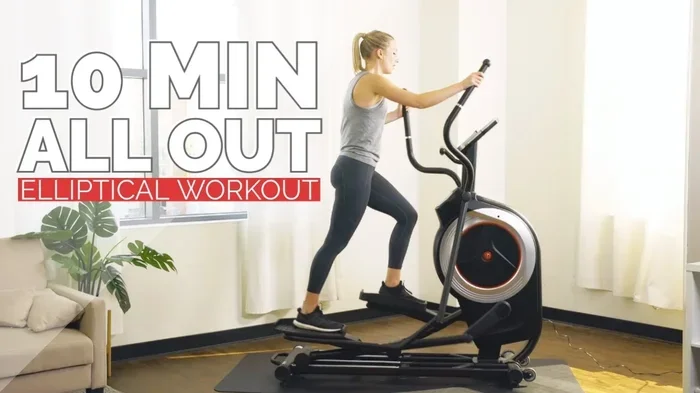
Can I Use the Elliptical with Hip Bursitis
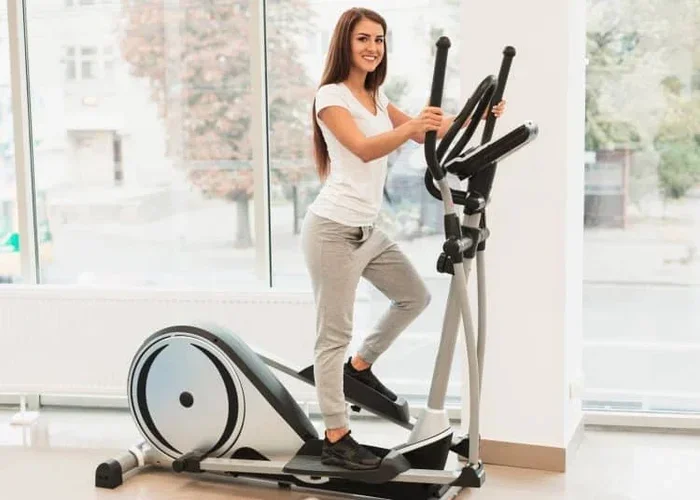
Yes, you can often use the elliptical with hip bursitis, but you must take the right precautions. The elliptical machine offers low-impact cardio that is much gentler on your hip joint than running or jumping. However, improper form or overuse can make hip pain worse. This guide covers safety tips, proper settings, and when to stop exercising.
Hip bursitis can make everyday movements painful. Walking upstairs, getting out of a chair, or even lying on the affected side can trigger discomfort. So when you want to stay active, the question naturally arises: can you hop on the elliptical machine without making things worse?
The good news is that many people with hip bursitis can use the elliptical safely. The key lies in understanding your condition, using proper form, and knowing your limits. This guide walks you through everything you need to know about exercising with hip bursitis on the elliptical. Whether you are a beginner or a seasoned gym-goer, you will find practical advice here.
Key Takeaways
- The elliptical is generally safe for hip bursitis: Its smooth, gliding motion reduces stress on the hip joint compared to high-impact exercises.
- Proper form and settings matter: Adjusting resistance, stride length, and posture can prevent flare-ups and make workouts comfortable.
- Start slow and listen to your body: Begin with short sessions and low resistance. Stop immediately if you feel sharp or worsening pain.
- Alternatives exist if the elliptical causes discomfort: Stationary biking and water-based exercises offer similar cardio benefits with even less hip strain.
- Consult a doctor or physical therapist: Always get professional guidance before starting any exercise routine with an active hip condition.
- Consistency beats intensity: Gentle, regular sessions on the elliptical machine deliver better long-term results than pushing through pain.
📑 Table of Contents
- What Is Hip Bursitis and Why Does It Matter?
- Can You Use the Elliptical With Hip Bursitis?
- How to Safely Use the Elliptical With Hip Bursitis
- Common Mistakes to Avoid
- How Long Should You Use the Elliptical Each Day?
- Elliptical vs. Other Cardio Options for Hip Bursitis
- When to Stop and Seek Help
- Expert Tips for Long-Term Success
- Final Thoughts
What Is Hip Bursitis and Why Does It Matter?
Hip bursitis happens when the small fluid-filled sacs near your hip joint become inflamed. These sacs, called bursae, act as cushions between bones and soft tissues. When they swell, every movement can feel like a battle.
The most common type is trochanteric bursitis. It affects the bursa on the outer point of your hip. Another type, gluteal bursitis, affects the bursa near the buttock area. Both can cause sharp or aching pain that radiates down the outer thigh.
Common Symptoms of Hip Bursitis
- Pain on the outer hip or upper thigh
- Tenderness when pressing on the hip
- Stiffness in the hip joint
- Pain that worsens with climbing stairs or lying on that side
- Swelling or warmth around the hip area
Understanding your symptoms helps you make smart decisions about exercise. If you notice any of these signs, it is wise to modify your workout routine before it gets worse. The elliptical can be a great tool, but only if you approach it correctly.
Can You Use the Elliptical With Hip Bursitis?
The short answer is yes for most people. The elliptical machine provides low-impact cardio that minimizes jarring forces on your joints. Unlike running on a treadmill, the elliptical keeps your feet on the pedals. There is no ground impact. This makes it one of the best running alternatives for people dealing with hip pain.
However, every case of bursitis is different. The severity of your inflammation, your fitness level, and your overall health all play a role. Some people can use the elliptical for a full workout without issues. Others need to take extra care or limit their session time.
Why the Elliptical Works Well for Hip Bursitis
The elliptical offers several benefits that make it suitable for joint-friendly exercise:
- Smooth, fluid motion: The elliptical path reduces sudden jolts to the hip joint.
- Adjustable resistance: You can start very light and increase gradually as your comfort improves.
- Weight-supported movement: Your body weight is partially supported by the pedals and machine frame.
- Full-body engagement: Many ellipticals let you move your arms too, distributing effort away from the hips.
- Controlled environment: You exercise at home or in a gym where you control speed, resistance, and duration.
These features make the elliptical a top choice among fitness equipment options for people managing hip bursitis. But using it incorrectly can still cause problems. That is why the next section matters so much.
How to Safely Use the Elliptical With Hip Bursitis
Safety comes first. Before you jump on the elliptical, follow these steps to protect your hip joint and get the most from your session.
Step 1: Warm Up Properly
Never start cold. Spend five to ten minutes doing gentle stretches and dynamic movements. Focus on your hips, glutes, and legs. A proper warm-up increases blood flow and prepares your muscles for the cardio workout ahead.
Step 2: Start with Low Resistance
Set the resistance to the lowest level. You should feel minimal effort in your hips. The goal is to move smoothly without pain. If the elliptical feels too hard, lower the resistance even more. There is no shame in starting slow.
Step 3: Keep Sessions Short
Begin with just ten to fifteen minutes. You can always add time later. Consistency matters far more than duration. Short, regular sessions help your body adapt without triggering a bursitis flare-up.
Step 4: Focus on Posture
Stand tall with your shoulders back. Do not lean forward or grip the handles too tightly. Keep your core engaged and your weight centered. Poor posture puts extra strain on your hip joint and can worsen hip pain.
Step 5: Cool Down and Stretch
After your session, slow down gradually. Spend another five minutes stretching your hips, hamstrings, and quadriceps. Gentle stretching helps reduce inflammation and keeps your muscles flexible.
Common Mistakes to Avoid
Even with the best intentions, people make mistakes that aggravate hip bursitis. Here are the most common ones to watch out for:
- Pushing through pain: Mild discomfort is normal. Sharp or worsening pain is not. Stop immediately if you feel a flare-up.
- Using too much resistance: High resistance forces your hips to work harder. This increases inflammation risk.
- Overstriding: Taking too long a stride strains the hip flexors. Keep your steps natural and comfortable.
- Skipping rest days: Your hip joint needs time to recover. Do not use the elliptical every single day at first.
- Ignoring proper footwear: Wear supportive shoes even on the elliptical. Good footwear helps stabilize your hips and knees.
Avoiding these mistakes can make the difference between a helpful workout and a setback. Remember, the elliptical is a tool to help you recover, not to push through pain.
How Long Should You Use the Elliptical Each Day?
Duration matters a lot when managing hip bursitis. The right length of time depends on your current fitness level and the severity of your condition.
For beginners with active hip pain, start with five to ten minutes per session. As your body adapts, you can gradually increase to twenty or thirty minutes. Most experts recommend keeping sessions under forty-five minutes to avoid overloading the hip joint.
If you want more detailed guidance on session length, check out our article on how long you should use the elliptical each day. It covers timing recommendations for different fitness levels and conditions.
Finding Your Sweet Spot
The sweet spot is where you get a good cardio workout without triggering pain. For many people, this means twenty to thirty minutes at a moderate pace, three to four times per week. Listen to your body closely. If your hip feels stiff or sore the next day, shorten your next session.
Also consider how many calories you burn during these sessions. Using the elliptical for hip bursitis is about more than just exercise. It is about staying active while healing. For calorie estimates, you can refer to our guide on how many calories you can burn on the elliptical.
Elliptical vs. Other Cardio Options for Hip Bursitis
Not everyone will find the elliptical comfortable. That is perfectly okay. Several other options exist for low-impact cardio that work well with hip bursitis.
| Exercise Option | Impact Level | Hip Strain | Best For |
|---|---|---|---|
| Elliptical Machine | Very Low | Low to Moderate | People who want a full-body cardio workout with minimal joint stress |
| Stationary Bike | Very Low | Low | Those who want to avoid any hip extension; great alternative |
| Walking | Low | Moderate | People who prefer outdoor movement; keep pace gentle |
| Swimming | No Impact | Very Low | Severe bursitis cases; water supports the joints |
| Treadmill Running | High | High | Generally not recommended during active bursitis flare-ups |
Many people with hip bursitis also ask about using a stationary bike. You can read more about that in our article can I ride a stationary bike with hip bursitis. It covers bike settings, positioning, and safety tips specific to hip conditions.
For those dealing with knee pain alongside hip issues, can I use a stationary bike with knee pain offers helpful insights on modifying bike workouts for multiple joint concerns.
When to Stop and Seek Help
Knowing when to stop is just as important as knowing how to start. Exercise should never make your hip bursitis worse. Pay attention to these warning signs:
- Sharp or stabbing pain in the hip during or after the elliptical session
- Increased swelling around the hip joint after exercise
- Pain that lasts more than a few hours after your workout
- Stiffness that makes it hard to walk the next day
- Numbness or tingling in the hip, leg, or foot
If you experience any of these symptoms, stop using the elliptical and rest. Apply ice to the affected area for fifteen to twenty minutes. If the pain does not improve within a day or two, contact your doctor. Persistent hip bursitis may need physical therapy or other medical treatment.
Remember, pushing through pain does not build strength. It builds injury. Give your body the time it needs to heal, and you will come back stronger.
Expert Tips for Long-Term Success
Managing hip bursitis is a marathon, not a sprint. Here are some expert-backed tips to help you stay on track:
- Build a routine: Exercise at the same time each day. Consistency helps your body adapt and recover.
- Track your progress: Note how long you exercise, the resistance level, and how your hip feels afterward. This helps you spot patterns.
- Strengthen surrounding muscles: Gentle exercises for your glutes and core support your hip joint and reduce bursitis flare-ups.
- Stay hydrated: Water helps reduce inflammation and keeps your joints lubricated.
- Combine cardio with rest: Alternate elliptical days with rest days or gentle stretching days.
These habits may seem simple, but they make a huge difference over time. The goal is not to train like an athlete. The goal is to stay active, feel good, and protect your hip joint for the long run.
Final Thoughts
So, can you use the elliptical with hip bursitis? Absolutely. The elliptical machine is one of the best pieces of fitness equipment for people dealing with hip pain. It offers low-impact cardio that keeps you moving without pounding your joints.
Start slow, use proper form, and listen to your body. Adjust resistance, limit session time, and never push through sharp pain. If the elliptical does not feel right, there are plenty of alternatives like the stationary bike or swimming that can give you the same cardio benefits.
Staying active with hip bursitis is possible. It just takes the right approach, patience, and a willingness to work with your body instead of against it. You have got this. Your hips will thank you.
Frequently Asked Questions
Is the elliptical bad for hip bursitis?
No, the elliptical is not bad for hip bursitis when used correctly. Its smooth, low-impact motion makes it one of the safest cardio options. However, using too much resistance or overstriding can aggravate the condition. Start with low settings and short sessions to see how your hip responds.
Can using the elliptical make hip bursitis worse?
It can if you push too hard or ignore pain signals. High resistance, long sessions, and poor posture all increase the risk of worsening hip bursitis. The key is to start gently and stop if you feel sharp or increasing pain. Always prioritize comfort over intensity.
How long should I wait after a bursitis flare-up before using the elliptical?
Wait until the acute pain and swelling have subsided. This usually takes a few days to a week depending on severity. Start with very short sessions of five to ten minutes at the lowest resistance. Gradually increase duration only if your hip feels good the next day.
What is the best cardio machine for hip bursitis?
The elliptical and the stationary bike are both excellent choices. The bike places even less strain on the hip because it does not require hip extension. Swimming is also fantastic because the water supports your joints. Choose the option that feels most comfortable for your body.
Should I use the elliptical every day if I have hip bursitis?
No, daily use is not recommended, especially at first. Your hip joint needs rest days to recover and reduce inflammation. Aim for three to four sessions per week with rest days in between. Listen to your body and adjust your schedule accordingly.
Can I lose weight using the elliptical with hip bursitis?
Yes, the elliptical can support weight loss even with hip bursitis. It burns calories effectively while being gentle on your joints. Combine regular sessions with a balanced diet for the best results. For more details, check out our article on losing weight by just doing the elliptical.