Can a Pregnant Woman Run on a Treadmill
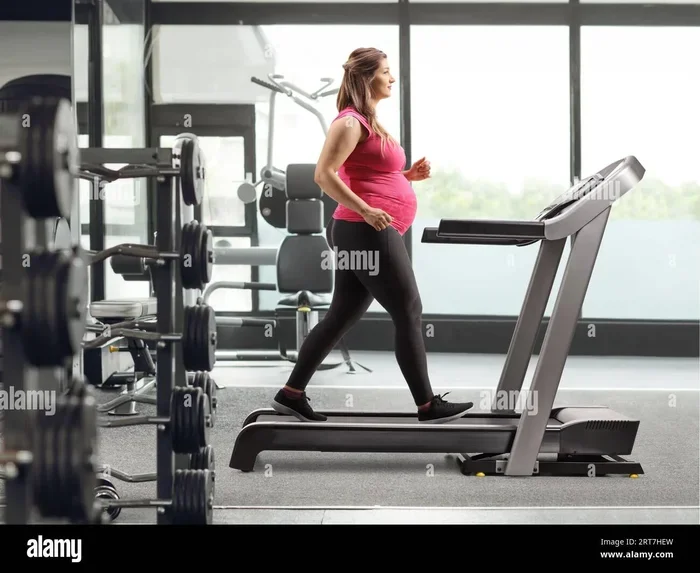
Can a pregnant woman run on a treadmill? Yes, in most cases — with your doctor’s approval, running on a treadmill during pregnancy is a safe and effective way to stay fit. This guide covers trimester-by-trimester advice, safety tips, and practical modifications so you can keep your pregnancy treadmill workout routine confident and comfortable.
Every pregnancy is different, and the question of whether you can keep running on a treadmill while expecting is one that many women ask early on. If you were a runner before pregnancy, you might wonder if your treadmill workout routine needs to change. If you are new to running, you might be curious whether it is even safe to start now.
The short answer is that running on a treadmill while pregnant can be perfectly fine — but it depends on your individual health, your pregnancy progression, and your doctor’s guidance. This article breaks down everything you need to know, from the first trimester through delivery and beyond.
Let us walk through the benefits, risks, safety tips, and practical adjustments so you feel confident about your fitness choices. Whether you are looking to maintain cardiovascular fitness pregnancy routines or simply stay active, this guide has you covered.
Key Takeaways
- Doctor approval is essential: Always consult your healthcare provider before starting or continuing any prenatal treadmill workout routine.
- Adjust your pace and intensity: As pregnancy progresses, reduce speed and incline to match your changing body and energy levels.
- Third trimester requires extra caution: Shifting center of gravity and joint loosening make balance and joint protection critical during the final months.
- Listen to warning signs: Dizziness, shortness of breath, and pelvic pain are signals to stop and seek medical advice immediately.
- Stay hydrated and cool: Overheating during pregnancy treadmill sessions can pose risks, so monitor temperature and fluid intake closely.
- Treadmill running offers unique benefits: Controlled environment, predictable surface, and weather independence make it a top choice for exercise during pregnancy.
📑 Table of Contents
- Can A Pregnant Woman Run On A Treadmill Safely?
- Trimester-by-Trimester Guide to Treadmill Running While Pregnant
- Benefits of Treadmill Running During Pregnancy
- Precautions and Risks to Keep in Mind
- Expert Tips for a Great Pregnancy Treadmill Workout
- How Treadmill Running Compares to Other Pregnancy Exercises
- Final Thoughts
Can A Pregnant Woman Run On A Treadmill Safely?
The honest answer is that it depends on your specific situation. Most healthy pregnancies allow for continued exercise, including treadmill running. Medical organizations like the American College of Obstetricians and Gynecologists recommend at least 150 minutes of moderate pregnancy exercise per week. Treadmill running can absolutely fit into that plan.
However, every pregnancy carries unique considerations. Conditions like preeclampsia, placenta previa, or a history of preterm labor may mean treadmill running is not advised. This is exactly why a conversation with your healthcare provider comes first. They can assess your safe exercise pregnancy profile and give you personalized clearance.
Why Treadmill Running Works Well During Pregnancy
Treadmills offer several advantages that make them a popular choice among expecting mothers. Unlike outdoor running, a treadmill gives you a controlled environment with a predictable, cushioned surface. You control the speed, the incline, and the temperature of the room.
Here are some reasons treadmill running shines during pregnancy:
- No uneven terrain: You eliminate the risk of tripping on sidewalks, trails, or unexpected obstacles.
- Built-in safety features: Most treadmills have emergency stop clips and handrails for added stability.
- Climate control: You avoid extreme heat or cold, which can be problematic during pregnancy.
- Pace tracking: You can monitor your running pace pregnancy goals easily with the console display.
- Convenience: No need to worry about traffic, parking, or carrying extra gear.
Many women also find that the familiar feel of a treadmill helps them stay consistent with their maternity workout routine. Consistency matters when you are trying to maintain cardiovascular fitness pregnancy habits throughout those nine months.
Trimester-by-Trimester Guide to Treadmill Running While Pregnant
Your body changes significantly across each trimester, and your treadmill routine should adapt accordingly. Let us break down what to expect and how to adjust.
First Trimester (Weeks 1–12)
The first trimester is often when morning sickness and fatigue hit hardest. If you are dealing with nausea, your treadmill session might need to be shorter or gentler. That is completely normal and nothing to feel guilty about.
For women who feel good during the first trimester, maintaining your pre-pregnancy treadmill running routine is usually fine. Keep these tips in mind:
- Stay hydrated before, during, and after your session.
- Avoid overheating by keeping the room cool and wearing breathable clothing.
- Stick to moderate intensity — you should be able to hold a conversation.
- Warm up for at least five minutes before picking up the pace.
Your body is working hard behind the scenes to build a placenta and support your growing baby. Even if you feel fine on the outside, your heart rate pregnancy exercise zones may shift. Pay attention to how you feel rather than chasing numbers on the console.
Second Trimester (Weeks 13–26)
The second trimester is often called the golden window of pregnancy. Many women feel more energetic and experience less nausea during this phase. This is typically the best time to maintain or even slightly adjust your pregnancy treadmill workout routine.
As your belly grows, a few changes become important:
- Reduce your speed: There is no shame in slowing down. Your body is working harder to support two lives now.
- Lower the incline: Steep inclines put extra pressure on your lower back and pelvic floor, both of which are under increased strain.
- Use the handrails lightly: As your center of gravity shifts, light use of handrails can boost your confidence and stability.
- Watch for round ligament pain: Sharp sensations in the lower abdomen may signal you need to slow down or stop.
Many women continue running throughout the second trimester without issues. The key is being honest with yourself about how your body feels. If a run feels harder than it used to, that is expected — and perfectly okay.
Third Trimester (Weeks 27–40)
The third trimester brings significant physical changes. Your joints are loosening due to the hormone relaxin, your belly shifts your center of gravity, and fatigue returns with a vengeance. At this stage, many women transition from running to brisk walking on the treadmill.
If you want to continue running on a treadmill during the third trimester, here are some important considerations:
- Keep sessions shorter — 20 to 30 minutes is plenty.
- Drop the speed significantly. A comfortable jog or brisk walk works best.
- Avoid running on an incline altogether.
- Stop immediately if you feel any pelvic pressure or contractions.
- Consider using the treadmill’s built-in heart rate monitor to stay in safe zones.
Some women naturally lose their desire to run as the due date approaches. That is a healthy and normal response. Your body is preparing for birth, and rest becomes increasingly important. If running feels like too much, switch to walking or prenatal yoga for low impact cardio that keeps you moving without the jarring impact.
Benefits of Treadmill Running During Pregnancy
Staying active during pregnancy offers a wide range of benefits for both mother and baby. Treadmill running, when done safely, can be a powerful tool in your prenatal fitness toolkit.
Physical Benefits
- Improved cardiovascular health: Regular treadmill sessions strengthen your heart and lungs, supporting the increased blood volume your body produces during pregnancy.
- Better mood and sleep: Exercise releases endorphins that help combat pregnancy-related anxiety and depression. Many women also sleep better after a moderate treadmill workout.
- Weight management: Maintaining a healthy weight gain range reduces the risk of complications like gestational diabetes and preeclampsia.
- Stronger pelvic floor: Running engages your core and pelvic floor muscles, which play a crucial role during labor and postpartum recovery.
- Reduced swelling: Gentle movement promotes circulation and can help ease the ankle and foot swelling that many pregnant women experience.
Mental and Emotional Benefits
Beyond the physical perks, treadmill running gives you a dedicated window of “me time.” Pregnancy can feel overwhelming, and having a routine that centers on your own well-being is incredibly valuable. The rhythmic motion of running can be meditative, helping you manage stress and stay connected with your body during a time of rapid change.
Precautions and Risks to Keep in Mind
While treadmill running during pregnancy is generally safe for healthy pregnancies, awareness of potential risks is essential. Being informed helps you make smarter decisions and recognize when to pull back.
When to Stop Running and Call Your Doctor
Certain symptoms should never be ignored during a treadmill session. Stop immediately and contact your healthcare provider if you experience any of the following:
- Vaginal bleeding or fluid leakage
- Dizziness or feeling faint
- Chest pain or difficulty breathing
- Regular or painful contractions
- Sudden swelling in your face or hands
- Severe headache or vision changes
- Pelvic pressure or persistent lower back pain
- Decreased fetal movement
These signs do not mean you will never run again — they mean your body needs attention right now. Listening to these signals is one of the most important aspects of treadmill running safety during pregnancy.
Common Mistakes Pregnant Runners Make
Even experienced runners can fall into habits that are risky during pregnancy. Watch out for these common pitfalls:
- Skipping the warm-up: Cold muscles and joints that are already loosened by pregnancy hormones are more prone to injury.
- Wearing worn-out shoes: Your joints need extra support now, so invest in fresh, well-cushioned running shoes.
- Ignoring dehydration: Pregnant women need more water than usual, and treadmill sessions can dehydrate you faster than you realize.
- Pushing through pain: “No pain, no gain” does not apply during pregnancy. Discomfort is your body talking — respect it.
- Running in a stuffy room: Poor ventilation leads to overheating, which can be dangerous for your baby, especially in the first trimester.
Expert Tips for a Great Pregnancy Treadmill Workout
Want to get the most out of your treadmill sessions while keeping things safe? These expert-backed tips can help you optimize every workout.
1. Invest in Proper Footwear
Your feet swell during pregnancy, and your arches may flatten under the extra weight. Visit a specialty running store to get fitted for shoes that offer excellent arch support and cushioning. This simple step reduces the risk of common pregnancy aches like plantar fasciitis and shin splints.
2. Use the Handrails Wisely
Lightly touching the handrails is perfectly fine — especially as your belly grows and your balance shifts. However, avoid gripping them tightly or leaning on them heavily, as this can alter your natural running form and strain your shoulders and neck.
3. Keep the Incline Flat or Very Low
While incline walking can be great for pregnancy weight management, running on a steep incline places excessive stress on your lower back and pelvic area. Keep the incline at zero or no more than one percent for running sessions.
4. Monitor Your Heart Rate
Many modern treadmills come with heart rate sensors built into the handrails. Use them. During pregnancy, keeping your heart rate in a moderate zone — typically below 140 to 150 beats per minute, depending on your fitness level — helps ensure you are not overworking your cardiovascular system.
5. Cool Down and Stretch
After your treadmill session, take five to ten minutes to cool down with a brisk walk and gentle stretches. Focus on your hips, hamstrings, and lower back, as these areas bear the brunt of pregnancy-related tension. A proper cool-down also helps prevent dizziness from blood pooling in your legs.
How Treadmill Running Compares to Other Pregnancy Exercises
Treadmill running is just one option for staying active during pregnancy. Here is how it stacks up against other popular choices:
| Exercise | Impact Level | Best For | Safety During Pregnancy |
|---|---|---|---|
| Treadmill Running | Moderate to High | Experienced runners, cardio fitness | Safe with doctor approval |
| Treadmill Walking | Low | All trimesters, beginners | Very safe |
| Swimming | Low | Full-body workout, joint relief | Very safe |
| Prenatal Yoga | Very Low | Flexibility, stress relief | Very safe |
| Cycling (Stationary) | Low to Moderate | Cardio without joint impact | Safe with adjustments |
Each exercise has its place in a well-rounded prenatal fitness routine. Many women combine treadmill running with walking days, swimming, and yoga for variety and balanced exercise during pregnancy. The best workout is the one that feels good, keeps you consistent, and aligns with your doctor’s recommendations.
Final Thoughts
Can a pregnant woman run on a treadmill? Absolutely — with the right precautions, medical clearance, and a willingness to adapt as your body changes. Treadmill running offers a safe, controlled, and effective way to maintain your fitness throughout pregnancy. From the first trimester through the third, adjusting your pace, incline, and session length keeps your workouts both enjoyable and protective.
The most important thing you can do is stay connected with your body and your healthcare team. Every pregnancy is unique, and what works for one woman may not work for another. Trust your instincts, prioritize safety, and remember that staying active — in whatever form feels right — is one of the best gifts you can give yourself and your growing baby.
So lace up those sneakers, clip on the safety key, and hit the treadmill with confidence. Your pregnancy fitness journey is yours to own, and every step you take is a step toward a healthier, stronger you.
Frequently Asked Questions
Is it safe to run on a treadmill during the first trimester?
Yes, for most healthy pregnancies, treadmill running is safe during the first trimester. However, if you experience severe nausea, dizziness, or bleeding, stop immediately and consult your doctor. Staying hydrated and avoiding overheating are especially important during these early weeks.
Can running on a treadmill cause a miscarriage?
There is no scientific evidence that moderate treadmill running causes miscarriage in a healthy pregnancy. Miscarriages are most often caused by chromosomal abnormalities or other medical factors unrelated to exercise. Always get your doctor’s clearance before continuing or starting a running routine while pregnant.
When should I stop running on a treadmill during pregnancy?
Many women continue running into the second or even third trimester, but you should stop or switch to walking if you experience pain, contractions, dizziness, or your doctor advises it. Listen to your body and prioritize your health and your baby’s wellbeing above all else.
What speed is safe for treadmill running while pregnant?
A comfortable, conversational pace is generally safe during pregnancy. This might be slower than your pre-pregnancy pace, and that is completely normal. Focus on how you feel rather than chasing a specific speed number on the console.
Do I need special shoes for treadmill running while pregnant?
While you do not need special “pregnancy” shoes, investing in high-quality running shoes with excellent cushioning and arch support is highly recommended. Your feet and joints undergo extra stress during pregnancy, and proper footwear helps prevent injuries and discomfort.
Can treadmill running help with postpartum recovery?
Yes, maintaining a consistent exercise routine during pregnancy — including treadmill running — can support postpartum recovery. Strong cardiovascular fitness and core stability gained from running can make the recovery process smoother, though you should always wait for your doctor’s clearance before resuming intense exercise after delivery.