Calabaza Squash Is the Superfood You Have Been Missing
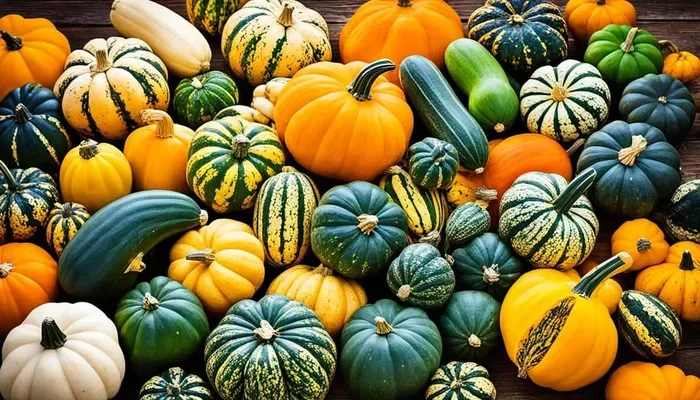
Calabaza squash is a tropical winter squash packed with essential nutrients that most people overlook. This vibrant orange vegetable delivers powerful benefits for your immune system, heart health, and digestion. It is low in calories but high in fiber, vitamin A, and antioxidants like beta-carotene. You can roast it, blend it into soups, or use it in Latin American dishes. If you have not tried calabaza squash yet, you are missing out on one of nature’s most underrated superfoods.
You have probably walked past calabaza squash at the grocery store without giving it a second glance. Maybe you confused it with pumpkin or butternut squash and moved on. But here is the thing — calabaza squash is one of the most nutritious vegetables you can add to your diet. It belongs to the winter squash family and grows in tropical regions across Latin America, the Caribbean, and parts of Africa. This deep orange gourd is not just beautiful to look at. It is loaded with vitamins, minerals, and antioxidants that your body craves.
Most people eat the same few vegetables week after week. That is a missed opportunity. Calabaza squash offers a unique flavor profile — slightly sweet, nutty, and creamy when cooked. It blends beautifully into soups, stews, curries, and even desserts. Whether you are looking to boost your immune system, improve digestion, or simply eat more whole foods, calabaza squash deserves a spot on your plate. Let us dive into everything you need to know about this incredible vegetable.
Key Takeaways
- Nutrient Powerhouse: Calabaza squash is loaded with vitamin A, vitamin C, potassium, and dietary fiber.
- Heart and Eye Health: The beta-carotene and antioxidants in calabaza squash support cardiovascular function and vision.
- Easy to Cook: You can roast, mash, blend, or add calabaza squash to soups, stews, and curries.
- Low Calorie and Filling: At around 45 calories per cup, calabaza squash is perfect for weight management.
- Rich in Latin American Cuisine: Calabaza squash is a staple in Cuban, Puerto Rican, and Mexican cooking.
- Great for Digestion: The high fiber content in calabaza squash promotes healthy gut function.
- Versatile Ingredient: Calabaza squash works in both sweet and savory dishes, from pies to curries.
📑 Table of Contents
What Is Calabaza Squash?
Calabaza squash goes by many names. Some people call it tropical pumpkin, West Indian pumpkin, or Cuban squash. It is a large, round or oblong winter squash with deep green or orange skin. The flesh inside is bright orange and has a dense, creamy texture when cooked. Unlike the smaller sugar pumpkins you see at Halloween, calabaza squash can grow to be quite large — sometimes over 20 pounds.
This squash has been a dietary staple in Caribbean and Latin American kitchens for centuries. In Cuba, Puerto Rico, and parts of South America, cooks use calabaza squash in soups, rice dishes, and stews. It is a forgiving ingredient that absorbs flavors well. You can season it with spices like cumin, garlic, and oregano, and it will shine. Calabaza squash is also very different from butternut squash in terms of texture. It is less stringy and creamier, which makes it ideal for blending into smooth soups and purees.
Calabaza Squash vs. Pumpkin and Butternut Squash
People often wonder how calabaza squash compares to regular pumpkin or butternut squash. All three belong to the Cucurbitaceae family, but they differ in flavor, texture, and nutrition. Pumpkin tends to be sweeter and more watery. Butternut squash has a nuttier flavor and a firmer texture. Calabaza squash falls somewhere in between. It is sweeter than butternut squash but less watery than pumpkin. This makes it a versatile middle-ground option for many recipes.
Another key difference is availability. While pumpkin and butternut squash are widely available in most supermarkets, calabaza squash is often found in Latin American grocery stores or specialty markets. If you cannot find it fresh, many stores carry frozen or canned calabaza squash as a convenient alternative.
Nutritional Profile of Calabaza Squash
What makes calabaza squash stand out from other vegetables is its impressive nutritional density. One cup of cooked, mashed calabaza squash contains roughly 45 calories. That is remarkably low for a vegetable that fills you up so well. It also provides about 10 grams of carbohydrates and 2 grams of fiber per serving. The fat content is almost zero, making it an excellent choice for low-fat diets.
But the real star of calabaza squash is its vitamin and mineral content. A single serving delivers over 200% of your daily vitamin A needs. This comes from beta-carotene, the pigment that gives the squash its vibrant orange color. Vitamin A is essential for healthy vision, skin, and immune function. Calabaza squash also provides a solid dose of vitamin C, potassium, magnesium, and iron. These nutrients work together to support overall health and well-being.
Key Nutrients in Calabaza Squash
- Vitamin A (beta-carotene): Supports eye health, skin repair, and immune defense.
- Vitamin C: Acts as a powerful antioxidant and boosts collagen production.
- Potassium: Helps regulate blood pressure and supports heart function.
- Dietary Fiber: Promotes healthy digestion and keeps you feeling full longer.
- Magnesium: Supports muscle and nerve function, and helps with sleep quality.
- Iron: Essential for oxygen transport in the blood and energy production.
- Manganese: Plays a role in bone health and metabolism.
What sets calabaza squash apart is the combination of these nutrients in one single food. Very few vegetables offer such a broad spectrum of vitamins and minerals in a low-calorie package. This is why nutritionists often highlight calabaza squash as a true superfood.
Top Health Benefits of Calabaza Squash
Adding calabaza squash to your diet can deliver real, measurable health benefits. Let us look at the most important ones backed by nutrition science.
Supports Immune Function
Your immune system relies on a steady supply of vitamins and antioxidants to function properly. Calabaza squash is rich in both vitamin A and vitamin C, two nutrients that play critical roles in immune defense. Vitamin A helps maintain the integrity of your skin and mucous membranes, which act as your body’s first line of defense against pathogens. Vitamin C stimulates the production of white blood cells and protects cells from oxidative damage. Eating calabaza squash regularly during cold and flu season can help your body fight off illness more effectively.
Promotes Heart Health
Heart disease remains one of the leading causes of death worldwide. The good news is that dietary choices can significantly reduce your risk. Calabaza squash contains potassium, which helps relax blood vessels and regulate blood pressure. It also provides fiber, which has been shown to lower LDL cholesterol levels. The antioxidants in calabaza squash, particularly beta-carotene, help reduce inflammation in the cardiovascular system. Together, these nutrients create a heart-protective profile that few other vegetables can match.
Improves Digestion
Digestive health affects everything from nutrient absorption to mood. The fiber content in calabaza squash supports healthy bowel movements and feeds beneficial gut bacteria. Soluble fiber, which is abundant in this squash, dissolves in water and forms a gel-like substance that slows digestion. This helps regulate blood sugar levels and keeps you feeling satisfied after meals. Insoluble fiber, on the other hand, adds bulk to stool and promotes regularity. Eating calabaza squash is one of the simplest ways to support your digestive system naturally.
Boosts Eye Health
The beta-carotene in calabaza squash is converted into vitamin A in the body, which is essential for maintaining healthy vision. Vitamin A protects the cornea and supports the function of the retina. Diets rich in beta-carotene have been linked to a reduced risk of age-related macular degeneration and cataracts. If you spend long hours in front of screens, loading up on calabaza squash can give your eyes the nutritional support they need.
Aids in Weight Management
Struggling to feel full on a healthy diet? Calabaza squash is an excellent choice for weight management. It is low in calories but high in water content and fiber. This combination creates a filling effect that helps control appetite. You can eat a generous portion of roasted calabaza squash without consuming excessive calories. It also works well as a substitute for higher-calorie starches like potatoes or pasta, making it a smart choice for anyone watching their calorie intake.
How to Cook and Prepare Calabaza Squash
One of the best things about calabaza squash is how easy it is to prepare. You do not need to be an experienced cook to work with it. The cooking process is straightforward, and the squash is very forgiving when it comes to seasoning.
Step-by-Step: How to Prep Calabaza Squash
- Choose a good squash: Look for calabaza squash that feels heavy for its size. The skin should be hard and free of soft spots.
- Cut it open: Use a sharp, heavy knife to slice the squash in half. The skin is tough, so you may need to apply firm, steady pressure.
- Scoop out the seeds: Use a large spoon to remove the seeds and stringy pulp. You can save the seeds for roasting if you like.
- Cut into chunks: Cube the squash into bite-sized pieces for even cooking.
- Cook your preferred way: Roast, boil, steam, or add to stews. More on cooking methods below.
Best Cooking Methods for Calabaza Squash
Roasting is one of the most popular ways to prepare calabaza squash. Simply toss the chunks with olive oil, salt, and pepper, then roast at 400°F for about 35 to 40 minutes. Roasting caramelizes the natural sugars and brings out a rich, sweet flavor. This method works beautifully for salads, grain bowls, and side dishes.
Boiling and steaming are the fastest methods. Cut the squash into small pieces and boil for 15 to 20 minutes until fork-tender. Steaming preserves more nutrients than boiling, so it is the healthier option. Once cooked, you can mash the squash with butter, garlic, or herbs for a creamy side dish.
Adding to soups and stews is another fantastic way to enjoy calabaza squash. The squash breaks down during cooking and creates a thick, velvety base. It pairs wonderfully with coconut milk, curry spices, and legumes. Many Caribbean cooks simmer calabaza squash with beans and pork for a hearty one-pot meal.
Quick Tips for Cooking Calabaza Squash
- Do not peel the squash before roasting. The skin softens during cooking and is easy to remove afterward.
- Save the seeds. Rinse them, toss with oil and salt, and bake at 300°F for 20 minutes for a crunchy snack.
- Use calabaza squash as a substitute for pumpkin in any recipe. The results are deliciously similar.
- Cook extra and freeze leftovers. Calabaza squash freezes well for up to six months.
- Add a pinch of nutmeg or cinnamon when mashing for a warm, dessert-like flavor.
Popular Calabaza Squash Recipes
Once you know how to prepare calabaza squash, the fun part begins: cooking with it. This squash shines in a wide variety of dishes across different cuisines. Here are some of the most popular ways to use it.
Calabaza Squash Soup
Squash soup is perhaps the most classic way to enjoy calabaza squash. Sauté onion and garlic in a pot, add cubed squash and vegetable broth, then simmer until tender. Blend until smooth and stir in a splash of coconut milk. Season with cumin, salt, and a squeeze of lime. This soup is creamy, warming, and incredibly easy to make. It is perfect for a cozy dinner on a cool evening.
Calabaza Squash Rice (Arroz con Calabaza)
This dish is a staple in Puerto Rican and Cuban households. Cook white rice with diced calabaza squash, sofrito, sazon seasoning, and a touch of olive oil. The squash melts into the rice as it cooks, adding natural sweetness and a beautiful orange color. Serve it alongside roasted chicken or pork for a complete, satisfying meal. Calabaza squash transforms ordinary rice into something truly special.
Roasted Calabaza Squash with Herbs
For a simple yet elegant side dish, toss roasted calabaza squash chunks with fresh thyme, rosemary, and a drizzle of honey. The combination of savory herbs and sweet squash creates a balanced flavor that pairs well with roasted meats and grilled fish. This recipe takes less than 45 minutes from start to finish.
Calabaza Squash Curry
Indian-inspired curries and calabaza squash are a natural pairing. Simmer cubed squash in coconut milk with turmeric, ginger, garam masala, and chili flakes. Add chickpeas or chicken for protein and serve over basmati rice. The squash becomes tender and absorbs the aromatic spices beautifully. This is a comforting, one-pot meal that the whole family will love.
Where to Buy Calabaza Squash and How to Store It
Finding fresh calabaza squash is easier than you might think. Latin American grocery stores and farmers markets are your best bets. Many mainstream supermarkets now carry it in the winter squash section, especially during the fall and winter months. If fresh is not available, look for frozen or canned options in the international aisle. Canned calabaza squash works well in soups, purees, and baked goods.
Storage Tips for Calabaza Squash
Proper storage keeps calabaza squash fresh for weeks. Whole, uncut squash should be stored in a cool, dark, and dry place. A pantry or cellar works perfectly. Avoid storing it in the refrigerator, as the cold can damage the flesh. A whole calabaza squash can last for one to three months when stored correctly.
Once you cut the squash, wrap the unused portion tightly in plastic wrap or store it in an airtight container. Refrigerated cut squash will keep for four to five days. For longer storage, cook the squash and freeze it in portions. Frozen cooked calabaza squash maintains its quality for up to six months. Simply thaw and use it in your favorite recipes whenever you need it.
Conclusion
Calabaza squash is more than just a seasonal vegetable. It is a nutrient-dense, versatile, and delicious superfood that deserves a regular place in your kitchen. From supporting your immune system to improving digestion and heart health, the benefits of calabaza squash are hard to ignore. It is affordable, easy to prepare, and incredibly satisfying to eat.
Whether you roast it, blend it into soup, or stir it into rice, calabaza squash brings both nutrition and flavor to every meal. The next time you see one at the store, grab it. Your body will thank you. Start experimenting with calabaza squash this week and discover why so many cultures around the world have relied on this remarkable squash for generations. It is time to give this superfood the attention it truly deserves.
Frequently Asked Questions
What does calabaza squash taste like?
Calabaza squash has a mildly sweet, nutty, and creamy flavor when cooked. It is less stringy than butternut squash and less watery than pumpkin. The taste is subtle and adaptable, which means it takes on the flavors of whatever spices or seasonings you pair it with.
Can I eat calabaza squash skin?
The skin of calabaza squash is tough and not typically eaten raw. However, when roasted or boiled, the skin softens and becomes edible. Most people prefer to peel it before cooking, but leaving the skin on during roasting can help retain moisture and nutrients.
Is calabaza squash the same as pumpkin?
While calabaza squash and pumpkin are related and sometimes used interchangeably, they are not exactly the same. Calabaza squash has a denser, creamier texture and a slightly different flavor. It is a distinct variety within the winter squash family and is widely used in Caribbean and Latin American cooking.
How many calories are in calabaza squash?
A one-cup serving of cooked calabaza squash contains approximately 45 calories. It is very low in fat and provides a good amount of fiber, making it an excellent choice for anyone watching their calorie intake while still wanting a filling, nutritious meal.
Can I freeze cooked calabaza squash?
Yes, calabaza squash freezes very well. Cook the squash until tender, let it cool completely, and store it in airtight containers or freezer bags. Frozen cooked squash retains its quality for up to six months and works great in soups, stews, and purees.
Where can I buy calabaza squash?
You can find fresh calabaza squash at Latin American grocery stores, farmers markets, and some well-stocked supermarkets. During the fall and winter months, it is more widely available. If fresh is not an option, canned or frozen calabaza squash works just as well for most recipes.