Bobber Bike
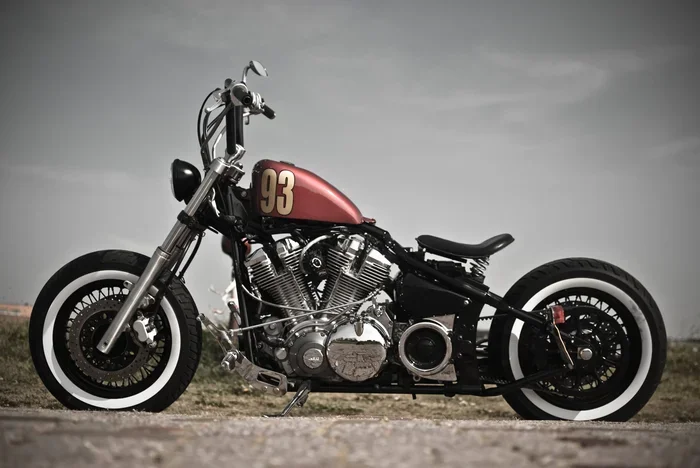
A bobber bike is a stripped-down custom motorcycle built for simplicity, style, and light weight. Originating from post-WWII American riders who removed unnecessary parts, the bobber style has evolved into a beloved motorcycle culture staple. This guide covers everything you need to know, from history and key features to building and maintaining your own bobber bike.
There is something magnetic about a bobber bike. The clean lines, the stripped-down silhouette, and the raw simplicity all scream style. Whether you are a seasoned rider or someone just discovering the custom motorcycle world, the bobber bike holds a special place in motorcycle culture.
A bobber motorcycle is not just a bike. It is a statement. Riders who build bobbers embrace minimalism. They strip away anything unnecessary and keep only what matters. The result is a lightweight, sleek machine that turns heads everywhere it goes. In this guide, we will dive deep into everything you need to know about the bobber bike style.
We will cover the history, the defining features, how to build one, and how to maintain it. Whether you are planning your first bobber build or just curious about this iconic motorcycle style, you are in the right place. Let us get into it.
Key Takeaways
- A bobber bike is a minimalist custom motorcycle with a stripped-down design and bobbed rear fender.
- The style originated in the 1940s when riders removed excess weight for better speed and performance.
- Key features include a solo seat, hardtail frame, and clean, simple lines that define the classic bobber aesthetic.
- Building a bobber bike requires choosing the right base motorcycle and making intentional modifications.
- Regular maintenance keeps your bobber running smoothly, especially tire pressure and chain care.
- Bobber culture is thriving with communities, shows, and aftermarket parts widely available.
- The bobber vs chopper debate helps riders understand the differences between these two iconic custom styles.
📑 Table of Contents
What Is A Bobber Bike?
A bobber bike is a custom motorcycle that has been stripped of all unnecessary parts. The name comes from the practice of “bobbing” the rear fender. Riders would cut the rear mudguard short or remove it entirely. This gave the bike a lighter, cleaner look.
The bobber motorcycle style emerged from a desire for simplicity. Early builders wanted their bikes to be fast and agile. They removed front fenders, extra lights, baggage racks, and anything else that added weight. What remained was a bare-bones machine built for the road.
Today, a bobber bike still follows the same philosophy. It is about less being more. The aesthetic is clean, minimal, and purposeful. Every part on a bobber serves a function or adds to the visual appeal. There is no room for clutter.
Many people confuse bobbers with choppers. While both are custom styles, they have distinct differences. A bobber vs chopper comparison shows that bobbers stay closer to the original factory design. Choppers, on the other hand, often feature radical frame modifications and extended front ends. Bobbers keep it simple and classic.
The History Of The Bobber Bike
The bobber bike has roots going back to the 1940s. After World War II, returning soldiers looked for affordable ways to enjoy riding. Many could not afford new motorcycles. So they bought older models and customized them.
Post-War Origins
Young riders in the 1940s and 1950s started stripping down their bikes. They removed anything heavy that did not contribute to speed or looks. The stripped-down motorcycle became a symbol of youth rebellion and freedom. These early builds were practical. They were also beautiful in their simplicity.
Evolution Through The Decades
By the 1960s, the bobber style had spread across America. Hot rod culture and motorcycle culture merged. Builders experimented with new designs while keeping the core bobber principles. The classic motorcycle style of the bobber remained intact even as trends changed.
In the 1990s and 2000s, the bobber revival began. Custom builders rediscovered the style. Companies started producing parts specifically designed for bobber builds. Today, the bobber is one of the most popular custom motorcycle styles worldwide. The motorcycle culture surrounding bobbers continues to grow every year.
Key Features Of A Bobber Bike
What makes a bobber bike recognizable? Several defining features set it apart from other custom styles. Let us break them down.
The Bobbed Fender
The most iconic feature of a bobber motorcycle is the shortened rear fender. Original builders would cut the rear mudguard to reduce weight and avoid mud buildup. Modern bobbers still feature this signature bobbed look. Some builders remove the rear fender entirely for an even more minimalist appearance.
The Solo Seat
A bobber bike almost always features a solo seat. The single-rider seat reinforces the stripped-down philosophy. Many builders choose sleek, leather solo seats that add to the classic look. The solo seat also reduces weight, which improves performance.
Minimal Bodywork
Motorcycle aesthetics in a bobber are all about clean surfaces. There are no flashy fairings or bulky body panels. The frame, engine, and wheels are on full display. This minimalist approach gives every bobber build its distinctive character.
The Hardtail Frame
Many traditional bobbers use a hardtail frame. This means the rear suspension is rigid. There is no rear shock absorber. The hardtail design reduces weight and complexity. It also gives the bike a low, grounded stance that looks incredible.
Spoked Wheels And Clean Tires
Lightweight motorcycle wheels are a common choice for bobbers. Spoked wheels with classic tires add to the vintage feel. Keeping the wheels clean and well-maintained is essential for the bobber look. Proper motorcycle customization of the wheels can really elevate the overall build.
| Feature | Description | Purpose |
|---|---|---|
| Bobbed Fender | Shortened or removed rear mudguard | Reduces weight, clean look |
| Solo Seat | Single-rider seat | Minimizes weight, classic style |
| Minimal Bodywork | No excess panels or fairings | Shows off the frame and engine |
| Hardtail Frame | Rigid rear suspension | Reduces weight and complexity |
| Spoked Wheels | Classic wire-spoke design | Vintage aesthetic, lightweight |
Bobber Bike Vs Chopper
The bobber vs chopper debate is one of the most discussed topics in custom motorcycle circles. Both styles share roots in the same era, but they have evolved in different directions.
A bobber motorcycle stays true to the original factory frame and geometry. The modifications focus on removing excess rather than reshaping the bike. A chopper, by contrast, often features a stretched or modified frame. The front end is extended, creating that dramatic rake angle choppers are known for.
Here are the key differences between the two styles:
- Frame: Bobbers keep the stock frame. Choppers modify or extend it.
- Weight: Bobbers aim for lightweight simplicity. Choppers can be heavier due to extended frames.
- Riding Position: Bobbers offer a more upright, comfortable ride. Choppers often have a stretched, laid-back position.
- Handling: Bobbers handle more predictably. Choppers can be more challenging to ride due to the extended front end.
- Aesthetic: Bobbers are clean and minimal. Choppers are bold and dramatic.
For riders who value simplicity and rideability, the bobber bike is often the better choice. For those who want a show-stopping, head-turning build, a chopper might be the way to go. Both styles have passionate communities and rich histories.
How To Build Your Own Bobber Bike
Building a bobber bike is one of the most rewarding projects a motorcycle enthusiast can undertake. It requires planning, patience, and a clear vision. Here is how to get started.
Choosing Your Base Motorcycle
The first step in any bobber build is selecting the right base motorcycle. Look for a bike with a solid frame and a good engine. Popular choices include older Harley-Davidsons, Triumph Bonnevilles, and Japanese cruisers. The key is to find a bike that is in good mechanical condition even if it looks rough.
Consider the engine size too. A lightweight motorcycle base will make your bobber easier to handle. But if you want more power, a larger engine can work well too. The important thing is that the base bike has potential.
Stripping Down The Bike
Once you have your base, it is time to strip it down. Remove the front and rear fenders. Take off the excess lights, mirrors, and baggage systems. Remove the rear shock if you are going for a hardtail setup. Every piece you remove should have a reason.
This is where the motorcycle customization process gets exciting. You start to see the bobber motorcycle take shape beneath all the removed parts. Keep track of everything you remove in case you need parts later.
Adding The Key Components
Now it is time to add the elements that define a bobber bike:
- Install a solo seat. Choose one that matches your style and fits the frame well.
- Fit a bobbed or removed rear fender. This is the signature bobber look.
- Choose your wheels. Spoked wheels in a classic style work best for most bobbers.
- Upgrade the exhaust. A custom exhaust adds both sound and visual appeal.
- Install minimal lighting. Keep it functional but clean-looking.
Final Touches And Paint
The paint job on a bobber bike can make or break the build. Many builders prefer classic colors like black, silver, or deep burgundy. Clean lines and minimal decals keep the look authentic. Take your time with this step. The finish is what people notice first.
Maintaining Your Bobber Bike
Owning a bobber bike comes with maintenance responsibilities. The stripped-down design means fewer parts, but every part that remains needs proper care.
Tire Care And Pressure
Your tires are the only point of contact between you and the road. Keeping them in top condition is essential. Check your tire pressure regularly. For most bobbers, you should maintain the pressure recommended by the manufacturer. If you are unsure about how much air should be in a bike tire, consult your owner manual or visit a trusted mechanic. Proper tire pressure improves safety, handling, and fuel efficiency.
Chain Maintenance
Since many bobbers use a classic chain-driven system, regular chain maintenance is critical. Clean the chain frequently and lubricate it with quality chain lube. Check for slack and adjust as needed. A well-maintained chain lasts longer and performs better.
Engine And Fluid Checks
Keep up with regular oil changes and fluid checks. Even though a bobber motorcycle is stripped down, the engine still needs proper care. Use quality fuel and replace filters on schedule. These simple habits keep your bobber build running smoothly for years.
Riding For Fitness And Enjoyment
Riding a bobber bike is not just about the machine. It is about the experience. Many riders wonder how long they should bike for a good workout and whether riding provides physical benefits. While a bobber ride is more about leisure and enjoyment than structured exercise, the physical engagement of riding does activate core muscles, arms, and legs. The joy of riding itself is part of the bobber lifestyle.
The Bobber Bike Community
The bobber bike community is vibrant and welcoming. Riders from all over the world share their builds, tips, and stories. Online forums, social media groups, and local clubs make it easy to connect with fellow enthusiasts.
Bobber shows and rallies happen throughout the year. These events are a great way to see incredible builds and meet the people behind them. The motorcycle culture around bobbers is inclusive and passionate. Whether you ride a $5,000 build or a $50,000 custom, you belong in the community.
If you are thinking about joining the bobber world, start by researching builds and connecting with other riders. The knowledge and inspiration you gain will be invaluable. The community is always happy to help newcomers find their path.
Conclusion
The bobber bike represents the purest form of motorcycle customization. It is about stripping away the unnecessary and keeping what truly matters. From its post-war origins to its modern revival, the bobber style has stood the test of time.
Whether you are drawn to the history, the aesthetics, or the riding experience, a bobber motorcycle offers something special. The minimalist design, the classic cruiser style, and the sense of individuality all make the bobber a timeless choice.
If you are ready to start your own bobber build, take your time. Plan carefully, choose your base wisely, and enjoy every step of the process. The road ahead on a bobber bike is as rewarding as the build itself. Ride smart, ride clean, and ride with style.
Frequently Asked Questions
What exactly is a bobber bike?
A bobber bike is a custom motorcycle that has been stripped down to its essentials. The rear fender is shortened or “bobbed,” excess parts are removed, and the bike features a minimalist, clean design. It is a classic motorcycle style focused on simplicity and light weight.
How is a bobber bike different from a chopper?
A bobber motorcycle keeps the original frame and focuses on removing unnecessary parts for a clean look. A chopper features a modified or extended frame with a stretched front end. Bobbers are simpler and more rideable, while choppers are more dramatic and often harder to handle.
What base motorcycles are best for a bobber build?
Popular choices for a bobber build include older Harley-Davidsons, Triumph Bonnevilles, and Japanese cruisers. Look for a bike with a solid frame and a reliable engine. The base should be in good mechanical condition to make the build process smoother.
Do I need welding skills to build a bobber bike?
Basic welding and fabrication skills are helpful but not always required. Many bobber builds can be done with bolt-on modifications. However, some custom work like hardtail conversion or frame modification may require welding. Starting with a simpler build is a great way to learn.
How do I maintain a bobber bike?
Regular maintenance includes checking tire pressure, chain care, oil changes, and fluid checks. Keeping how much air should be in a bike tire at the recommended level is important for safety and performance. Since bobbers have fewer parts, maintenance is often simpler than on stock motorcycles.
Is riding a bobber bike good exercise?
While riding a bobber bike is not a structured workout, it does engage your core, arms, and legs. Many riders enjoy the physical aspect of riding. If you are looking for a more structured fitness routine, you might also explore what an exercise bike does for your body to complement your riding lifestyle.