Best Seasoning for Grilled Steak To Elevate Your Grill Game
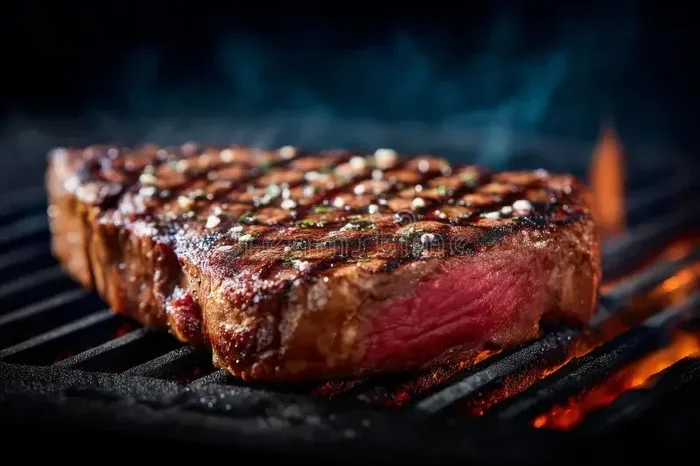
The best seasoning for grilled steak combines salt, pepper, garlic, and a touch of smoke to bring out deep, rich flavor. Whether you prefer a simple dry rub or a bold marinade, the right blend transforms a plain cut into a juicy, restaurant-quality steak. This guide covers the top seasoning options, how to apply them, and common mistakes to avoid for perfectly seasoned grilled steak every single time.
There is nothing quite like the sound of a steak sizzling on a hot grill. The smell of charred meat, the sound of juices hitting the flames, and the sight of a perfect sear — it all comes together to create one of the best meals you can make at home. But here is the secret that separates a good grilled steak from a great one: the seasoning.
Many people think grilling a steak is all about the cut or the grill temperature. And while those things matter, the best seasoning for grilled steak is what truly makes the difference. A well-chosen blend of spices can turn an affordable cut into something that tastes like it came from a high-end steakhouse. In this guide, we will walk you through everything you need to know about seasoning your steak for the grill.
You will learn about the best dry rubs, simple seasoning blends, marinades, and the timing tricks that lock in flavor. By the end, you will have all the tools you need to elevate your grill game and serve steak that will make everyone at the table ask for seconds.
Key Takeaways
- Salt is the foundation: Always season your steak with kosher salt at least 40 minutes before grilling for the best flavor absorption.
- Simple often wins: A blend of coarse black pepper, garlic powder, and smoked paprika creates a classic, foolproof steak rub.
- Marinades add depth: Olive oil, soy sauce, and acid-based marinades tenderize and infuse flavor into tougher cuts.
- Apply seasoning at the right time: Too early can draw out moisture; too late means less flavor penetration.
- Avoid common mistakes: Using iodized table salt, over-seasoning, or skipping the rest period after grilling ruins a great steak.
- Let the steak rest: Resting after grilling locks in juices and lets the seasoning settle into the meat.
📑 Table of Contents
- Why Seasoning Matters So Much for Grilled Steak
- The Best Dry Rubs for Grilled Steak
- Marinades That Take Grilled Steak to the Next Level
- When and How to Apply Seasoning for the Best Results
- Common Mistakes People Make When Seasoning Grilled Steak
- Expert Tips to Elevate Your Grilled Steak Seasoning
- Best Seasoning for Different Steak Cuts
- Final Thoughts on the Best Seasoning for Grilled Steak
Why Seasoning Matters So Much for Grilled Steak
Seasoning is not just about adding taste. It is about creating layers of flavor that complement the natural richness of the beef. A plain steak cooked on a grill can be good. But a well-seasoned steak? That is something special.
When you apply the right seasoning for grilled steak, you do three important things:
- You enhance the natural beef flavor. Salt brings out the umami and richness already present in the meat.
- You create a flavorful crust. Spices that brown on the grill add a complex, caramelized layer on the outside.
- You balance the richness. A little acid, heat, or freshness from herbs cuts through the fat and keeps every bite interesting.
The best part is that you do not need a dozen exotic ingredients. Some of the best grilled steak seasoning blends use just a few pantry staples. The key is knowing which ones work and how to use them.
The Role of Salt in Steak Seasoning
Salt is the single most important ingredient in any steak seasoning. It does not just make things taste salty. Salt actually changes the structure of the proteins in the meat, helping it retain moisture during cooking. This means a well-salted steak ends up juicier than one that is not seasoned properly.
Kosher salt is the gold standard for seasoning steak. It has larger crystals than table salt, which means it dissolves slowly and creates an even coating. Avoid iodized table salt for grilling. It can taste metallic and does not distribute as evenly.
For the best seasoning for grilled steak, apply kosher salt at least 40 minutes before you put the steak on the grill. This gives the salt time to draw out moisture, dissolve, and then get reabsorbed into the meat. The result is a deeper, more seasoned steak from edge to edge.
The Best Dry Rubs for Grilled Steak
A dry rub is one of the easiest and most effective ways to season a steak. You mix a few spices together, rub them onto the meat, and let the flavors work their magic. Here are some of the best dry rub combinations you can try at home.
Classic Steak Rub
This is the go-to blend for a reason. It works with almost any cut and any level of grilling expertise.
- Coarse kosher salt
- Freshly cracked black pepper
- Garlic powder
- Onion powder
- Smoked paprika
Mix these ingredients in equal parts and store them in a small jar. When you are ready to grill, coat the steak generously on both sides. This simple steak rub for grilling gives you a savory, slightly smoky flavor that lets the beef shine.
Smoky Southwest Steak Rub
If you like a little heat with your steak, this rub is a fantastic choice.
- Chili powder
- Cumin
- Smoked paprika
- Cayenne pepper
- Brown sugar
- Salt and pepper
The brown sugar caramelizes on the grill and creates a beautiful crust. The cumin and chili add warmth without overwhelming the taste of the steak. This is one of the most popular BBQ steak seasoning blends for a reason.
Herb-Forward Steak Seasoning
For those who prefer a more refined flavor, an herb-based rub is a wonderful option.
- Dried rosemary
- Dried thyme
- Garlic powder
- Sea salt
- Black pepper
- Olive oil (to make a paste)
Crush the dried herbs with your fingers before mixing them with the other ingredients. This releases their oils and makes the flavor more potent. Rub the mixture into the steak and let it sit for at least 30 minutes before grilling.
Marinades That Take Grilled Steak to the Next Level
While dry rubs are great, marinades offer something different. They penetrate deeper into the meat and can tenderize tougher cuts. A good marinade combines salt, acid, oil, and flavor agents to transform your steak from the inside out.
Simple Soy Garlic Marinade
This marinade is quick to make and full of savory depth.
- Soy sauce
- Olive oil
- Minced garlic
- A splash of lemon juice
- A touch of honey
Whisk everything together and coat your steak. Let it marinate for at least one hour, or up to four hours in the refrigerator. The soy sauce adds umami, the garlic brings warmth, and the honey helps with caramelization on the grill. This is one of the best steak marinades for beginners because it is hard to mess up.
Red Wine and Herb Marinade
For a more sophisticated flavor profile, try this classic combination.
- Red wine
- Olive oil
- Fresh rosemary
- Fresh thyme
- Minced shallots
- Black pepper
- A splash of balsamic vinegar
The acid in the wine and vinegar tenderizes the meat while the herbs infuse a rich, aromatic flavor. Marinate for two to four hours. This works beautifully with ribeye or strip steak.
Worcestershire-Based Marinade
Worcestershire sauce is a secret weapon for many grill masters. It contains vinegar, molasses, anchovies, and a blend of spices that create an incredibly savory marinade.
- Worcestershire sauce
- Olive oil
- Garlic cloves, minced
- Dijon mustard
- Black pepper
Mix and coat the steak. Marinate for 30 minutes to two hours. The result is a deeply flavored steak with a hint of tang that pairs perfectly with the char from the grill.
When and How to Apply Seasoning for the Best Results
Timing matters just as much as the ingredients themselves. Applying your best seasoning for grilled steak at the wrong time can lead to a less flavorful or drier result. Here is a simple guide to get it right every time.
Timing Your Seasoning
For dry rubs, the ideal window is 40 minutes to one hour before grilling. This allows the salt to work its magic without drawing out too much moisture. If you are short on time, at least 15 minutes before grilling is better than nothing.
For marinades, you need more time. Most marinades work best with one to four hours of soaking. Do not marinate for more than 24 hours, as the acid can break down the meat too much and create a mushy texture.
Applying the Seasoning
When you apply any seasoning, make sure the steak surface is dry. Pat the steak with paper towels before seasoning. This helps the rub or marinade adhere better and promotes a better sear on the grill.
Use your hands to press the seasoning into the meat. Do not just sprinkle it on top. You want an even coating that covers the entire surface, including the edges. For marinades, place the steak and the marinade in a zip-lock bag and turn it a few times to ensure full coverage.
Quick Tips for Perfect Seasoning Application
- Always season at room temperature. Take the steak out of the fridge 30 minutes before grilling.
- Do not forget the edges. Season them just as generously as the flat surfaces.
- Use more salt than you think you need. Most people under-season their steak.
- Let the seasoned steak sit uncovered in the fridge if you have time. This dries the surface and leads to a better sear.
Common Mistakes People Make When Seasoning Grilled Steak
Even experienced grillers sometimes make seasoning mistakes that hold back the flavor of their steak. Here are the most common errors and how to avoid them.
Using Table Salt Instead of Kosher Salt
Table salt has smaller crystals and a more intense salty taste. It can make your steak taste overly salty in some spots and under-seasoned in others. Stick with kosher salt for a more controlled, even flavor.
Seasoning Too Late
Throwing salt on a steak right before it hits the grill does not give the salt enough time to penetrate the meat. The flavor stays on the surface, and you miss out on that deep, seasoned quality that makes a great steak truly special.
Over-Marinating
More is not always better when it comes to marinades. Leaving a steak in a marinade for too long, especially one with a strong acid, can break down the proteins and change the texture. The steak can become mushy or mealy. Keep marinating times within the recommended range.
Skipping the Rest After Grilling
This is not a seasoning mistake per se, but it is closely related. Once your perfectly seasoned steak comes off the grill, let it rest for five to ten minutes before cutting. This allows the juices to redistribute throughout the meat. If you cut too soon, all those flavorful juices run out onto the cutting board instead of staying in the steak.
Using Pre-Made Seasoning Blindsided by Sodium
Store-bought seasoning blends can be convenient, but they often contain a lot of sodium and fillers. Making your own grilled steak seasoning at home gives you full control over the ingredients and the flavor profile. It is also cheaper and more fun.
Expert Tips to Elevate Your Grilled Steak Seasoning
Want to take your steak seasoning from good to unforgettable? Here are some expert-level tips that grill masters swear by.
Add a touch of brown sugar to your dry rub. The sugar caramelizes on the grill and creates a beautiful, slightly sweet crust that balances savory flavors. This works especially well with smoky spices like paprika and cumin.
Use compound butter after grilling. While this is not a seasoning applied before cooking, a pat of garlic herb butter melting over your freshly grilled steak adds a final layer of richness that takes the dish to the next level.
Experiment with fresh herbs. Dried herbs work well in rubs, but fresh herbs like thyme, rosemary, and oregano added right after grilling bring a bright, aromatic quality that dried herbs cannot match.
Try a coffee-based rub. This might sound unusual, but finely ground coffee adds a deep, roasted bitterness that pairs wonderfully with the char of the grill and the richness of the beef. Combine it with cocoa powder, brown sugar, salt, and pepper for an incredibly complex flavor profile.
Let the steak come to room temperature. A cold steak straight from the fridge cooks unevenly and does not absorb seasoning as well. Taking it out 30 to 45 minutes before grilling ensures more even cooking and better flavor absorption.
Keep a seasoning journal. Write down what you used, how long you marinated, and how the result tasted. Over time, you will develop your own signature blend that becomes your go-to seasoning for grilled steak.
Best Seasoning for Different Steak Cuts
Not all steaks are the same, and different cuts benefit from different seasoning approaches. Here is a quick guide to matching your seasoning with the right cut.
- Ribeye: This well-marbled cut does best with simple seasonings. A classic salt, pepper, and garlic rub lets the rich beef flavor take center stage.
- Filet Mignon: Since this cut is lean and tender, it benefits from bolder seasoning. Try a herb-forward rub with rosemary, thyme, and Dijon mustard.
- Strip Steak: A versatile cut that works with almost any rub. The smoky Southwest blend or a simple soy garlic marinade both shine here.
- Flank Steak: This leaner cut benefits from a longer marinade. A soy-based or vinegar-based marinade helps tenderize and add flavor to this thinner cut.
- Skirt Steak: Great for tacos and fajitas. A lime-cilantro marinade or a bold chili-cumin rub brings out the best in this flavorful cut.
Final Thoughts on the Best Seasoning for Grilled Steak
The best seasoning for grilled steak is the one that matches your personal taste and the cut you are working with. Whether you keep it simple with salt and pepper or go bold with a smoky, spicy rub, the most important thing is that you take the time to season properly. Great seasoning is what transforms a basic grill session into a memorable meal.
Start with the classic salt-and-pepper approach and build from there. Try different rubs, experiment with marinades, and pay attention to timing. The more you practice, the more confident you will become. Soon, you will be the person everyone turns to when they want to know how to make the best grilled steak at home.
Remember, the best grill masters are not the ones with the fanciest equipment. They are the ones who understand that seasoning is the foundation of great flavor. So grab your spices, fire up the grill, and make every steak count. Your taste buds will thank you.
Frequently Asked Questions
What is the best seasoning for grilled steak?
The best seasoning for grilled steak is a simple blend of kosher salt, freshly cracked black pepper, garlic powder, and smoked paprika. This classic combination enhances the natural beef flavor and creates a delicious crust on the grill without overpowering the meat.
How long before grilling should I season my steak?
For the best results, season your steak with a dry rub at least 40 minutes before grilling. This gives the salt time to penetrate the meat and enhance the flavor throughout. If you are using a marinade, aim for one to four hours of soaking time in the refrigerator.
Can I use table salt instead of kosher salt for seasoning steak?
It is best to avoid table salt for grilling steak. Kosher salt has larger crystals that dissolve slowly and distribute more evenly across the meat. Table salt can taste metallic and may create overly salty spots on your steak.
Is it better to use a dry rub or a marinade for grilled steak?
Both have their benefits. A dry rub creates a flavorful crust and is quick to apply, making it ideal for tender cuts like ribeye or strip steak. A marinade penetrates deeper and can tenderize tougher cuts like flank or skirt steak. Choose based on the cut you are using and the flavor profile you want.
Should I oil the steak before seasoning?
It is better to keep the steak surface dry before applying a dry rub. Moisture can prevent the rub from sticking properly. If you are using a marinade, the oil in the marinade serves this purpose. For dry rubs, simply pat the steak dry and apply the seasoning directly.
What is the secret to a perfectly seasoned grilled steak?
The secret is timing and simplicity. Use quality kosher salt, apply it with enough time to penetrate the meat, and let the steak rest after grilling. A well-seasoned steak that is properly rested will be juicy, flavorful, and far better than an overcomplicated one.