Beef Tenderloin Size Chart Everything You Need to Know
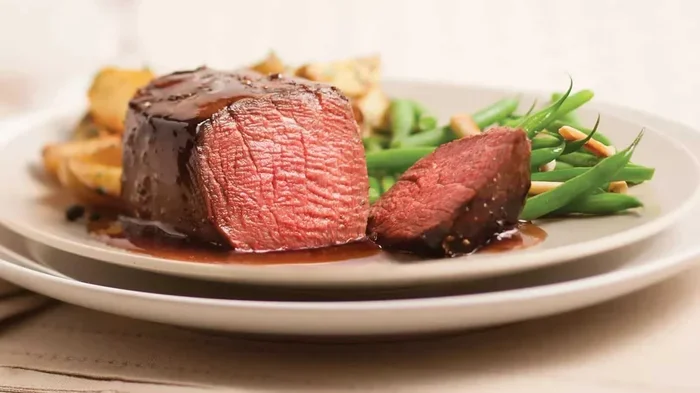
A beef tenderloin size chart helps you choose the right cut for any occasion. This guide covers weights, lengths, thicknesses, and portion sizes so you buy exactly what you need. Whether you are cooking for two or a dinner party, knowing your tenderloin dimensions saves money and reduces waste.
A beef tenderloin size chart is one of the most useful tools you can have in the kitchen. Whether you are a home cook or a weekend griller, knowing the right dimensions and weight helps you plan meals with confidence. This guide breaks down everything from small individual cuts to large roasts fit for a crowd.
The beef tenderloin is one of the most prized cuts in the entire beef world. It is lean, tender, and incredibly versatile. But buying the wrong size can lead to overcooked edges or wasted meat. That is exactly why a reliable size chart matters so much.
Below you will find detailed breakdowns of weights, lengths, and serving sizes. You will also learn how to pick the perfect tenderloin for any occasion. Let us dive right in.
Key Takeaways
- Standard beef tenderloin weighs between 4 and 12 pounds: The most common roasts fall in the 6 to 8 pound range.
- Thickness matters more than length: A uniform thickness of 2 to 4 inches ensures even cooking.
- Plan about 4 to 6 ounces of raw tenderloin per person: This accounts for shrinkage and gives a generous serving.
- Trimmed vs untrimmed tenderloin varies by 1 to 2 pounds: Always ask your butcher about the weight before trimming.
- Portion sizes differ by dish type: Filet mignon portions run smaller than whole roast slices.
- Price per pound fluctuates based on size and quality: Larger tenderloins often cost less per pound.
📑 Table of Contents
- What Is Beef Tenderloin and Why Does Size Matter
- Beef Tenderloin Size Chart: Complete Guide
- How to Choose the Right Beef Tenderloin Size
- Cooking Tips Based on Tenderloin Size
- Beef Tenderloin Size Chart: Portions and Servings
- Common Mistakes When Buying Beef Tenderloin
- Beef Tenderloin Size Chart Quick Reference
What Is Beef Tenderloin and Why Does Size Matter
The beef tenderloin runs along the spine of the animal. It is a long, narrow muscle that does very little work. Because of this, it stays incredibly tender and mild in flavor. This is the same cut used for filet mignon and beef Wellington.
Size matters for a few key reasons. First, the size determines how you cook it. A small tenderloin works great for pan-searing. A large one is perfect for roasting whole. Second, size affects cooking time. Thicker cuts need lower heat and more time. Third, size impacts portion planning. You need to know how many people a single tenderloin can feed.
Where the Tenderloin Comes From
The tenderloin is located in the short loin section. It sits beneath the backbone and behind the sirloin. Because this muscle gets almost no exercise, the fibers stay very fine and soft. This is what makes it the most tender cut of beef available.
A full tenderloin can range widely in size. Some weigh as little as 4 pounds. Others reach 12 pounds or more. The size depends on the animal, the breed, and the age at processing. This is why a beef tenderloin size chart is so essential before you shop.
Beef Tenderloin Size Chart: Complete Guide
Here is a detailed breakdown of common beef tenderloin sizes. Use this chart to match your needs with the right cut.
Small Tenderloins (Under 4 Pounds)
Small tenderloins are perfect for intimate dinners or individual portions. They typically measure about 12 to 18 inches long and 3 to 4 inches in diameter. These cuts usually serve 2 to 3 people.
- Weight: 2 to 4 pounds
- Length: 12 to 18 inches
- Diameter: 3 to 4 inches
- Servings: 2 to 3 people
- Best for: Pan-searing, individual filets
Medium Tenderloins (4 to 8 Pounds)
Medium tenderloins are the most popular size for home cooks. They offer flexibility for roasting, slicing, and portioning. A 6-pound tenderloin is often the sweet spot for families of four.
- Weight: 4 to 8 pounds
- Length: 18 to 28 inches
- Diameter: 4 to 5 inches
- Servings: 4 to 6 people
- Best for: Roasting, beef Wellington, sliced tenderloin
Large Tenderloins (8 to 12 Pounds)
Large tenderloins are ideal for entertaining or meal prep. They require a bigger roasting pan and a meat thermometer. These cuts often come from larger animals and offer excellent value per pound.
- Weight: 8 to 12 pounds
- Length: 28 to 40 inches
- Diameter: 5 to 6 inches
- Servings: 8 to 12 people
- Best for: Holiday roasts, catering, batch cooking
Extra-Large Tenderloins (Over 12 Pounds)
Extra-large tenderloins are rare but they do exist. These are typically found at wholesale butchers or specialty meat suppliers. They require careful cooking to avoid uneven doneness.
- Weight: 12+ pounds
- Length: 40+ inches
- Diameter: 6+ inches
- Servings: 12+ people
- Best for: Large gatherings, professional kitchens
How to Choose the Right Beef Tenderloin Size
Picking the right tenderloin starts with knowing your needs. Ask yourself a few simple questions before you head to the store or butcher.
How Many People Are You Feeding
This is the most important question. A good rule of thumb is to plan for 4 to 6 ounces of raw tenderloin per person. Keep in mind that beef loses about 25 to 30 percent of its weight during cooking. So a 6-pound tenderloin will yield about 4 to 4.5 pounds of cooked meat.
For a dinner party of six, aim for an 8-pound tenderloin. For a couple, a 3 to 4 pound cut works perfectly. Always round up slightly to avoid running short.
What Cooking Method Are You Using
Different sizes suit different cooking methods. Here is a quick guide:
- Pan-searing: Best with smaller tenderloins under 4 pounds. The cut fits easily in a large skillet.
- Oven roasting: Works with medium to large tenderloins from 4 to 10 pounds.
- Sous vide: Any size works, but smaller cuts are easier to manage in a water bath.
- Grilling: Medium tenderloins are ideal. Large ones can be tricky over an open flame.
What Is Your Budget
Beef tenderloin is one of the pricier cuts. Larger tenderloins often cost less per pound because they include more of the less tender end pieces. If budget is a concern, consider buying a larger untrimmed tenderloin and trimming it yourself. This can save you 15 to 25 percent compared to buying pre-trimmed cuts.
Cooking Tips Based on Tenderloin Size
The size of your tenderloin directly affects how you cook it. Here are practical tips for each size range.
Small Tenderloin Cooking Tips
Small tenderloins cook fast. Watch them closely to avoid overcooking. A medium-rare internal temperature of 130°F is the sweet spot. Use a digital meat thermometer and pull the meat off heat a few degrees early. The carryover heat will raise the temperature another 5 degrees during resting.
Rest your tenderloin for at least 10 minutes before slicing. This allows the juices to redistribute throughout the meat. Skipping this step is one of the most common mistakes home cooks make.
Medium Tenderloin Cooking Tips
For a medium tenderloin, sear all sides first in a hot cast iron skillet. Then transfer to a 400°F oven. Roast until the internal temperature reaches 130°F for medium-rare. This usually takes about 20 to 25 minutes depending on thickness.
Use a probe thermometer inserted into the thickest part of the roast. Avoid touching bone or fat, as these areas conduct heat differently and can give false readings.
Large Tenderloin Cooking Tips
Large tenderloins need low and slow cooking to stay even. Start at a higher temperature to develop a good crust. Then reduce to 325°F and cook until the center reaches your desired doneness.
For a large roast, plan for about 20 minutes per pound at 325°F. Again, use a reliable meat thermometer. The center of a large tenderloin can take a long time to reach temperature, so patience is key.
Beef Tenderloin Size Chart: Portions and Servings
Understanding portions helps you plan your menu and avoid waste. Here is a breakdown of how different tenderloin sizes translate into servings.
| Raw Weight | Cooked Yield | 4 oz Servings | 6 oz Servings | Best For |
|---|---|---|---|---|
| 3 lbs | 2.25 lbs | 9 servings | 6 servings | Couple or small family |
| 5 lbs | 3.75 lbs | 15 servings | 10 servings | Family of 4 to 5 |
| 7 lbs | 5.25 lbs | 21 servings | 14 servings | Dinner party of 8 |
| 10 lbs | 7.5 lbs | 30 servings | 20 servings | Large gathering or event |
| 12 lbs | 9 lbs | 36 servings | 24 servings | Catering or meal prep |
Keep in mind that these are estimates. Actual yields vary based on trimming, cooking method, and how thick you slice the portions. Always budget a little extra to make sure everyone gets a generous helping.
Common Mistakes When Buying Beef Tenderloin
Even experienced cooks sometimes make mistakes when selecting a tenderloin. Here are the most common ones to avoid.
Buying Based on Cooked Weight
One of the biggest mistakes is planning portions based on cooked weight. Remember that beef tenderloin shrinks by about 25 to 30 percent during cooking. Always buy based on raw weight. If you need 2 pounds of cooked tenderloin, buy at least 3 pounds raw.
Ignoring the Shape
Not all tenderloins are uniform in shape. Some are thick at one end and thin at the other. This uneven shape leads to overcooked thin sections and undercooked thick ones. Ask your butcher to butterfly or tie the roast for even cooking. A well-shaped tenderloin makes a huge difference in the final result.
Skipping the Thermometer
Guessing doneness is a recipe for disappointment. A digital instant-read thermometer takes the guesswork out of cooking. Invest in a good one and use it every time. Your tenderloin will be more consistent and more delicious as a result.
Beef Tenderloin Size Chart Quick Reference
Here is a quick summary of the most important size information at a glance.
- Small (2 to 4 lbs): 12 to 18 inches long, serves 2 to 3
- Medium (4 to 8 lbs): 18 to 28 inches long, serves 4 to 6
- Large (8 to 12 lbs): 28 to 40 inches long, serves 8 to 12
- Extra-Large (12+ lbs): 40+ inches long, serves 12+
- Standard serving: 4 to 6 ounces raw per person
- Ideal thickness: 2 to 4 inches for even cooking
- Target internal temp: 130°F for medium-rare
Keep this chart handy the next time you are at the butcher or grocery store. It will save you time, money, and a lot of stress in the kitchen.
Beef tenderloin is a special cut worth getting right. A reliable beef tenderloin size chart takes the mystery out of buying, portioning, and cooking this magnificent piece of meat. Whether you are preparing a romantic dinner for two or hosting a holiday feast, knowing your sizes ensures success every single time.
The key is to plan ahead. Check your guest count, pick the right weight, and use a thermometer while cooking. Follow these simple steps and your tenderloin will turn out perfectly tender and juicy every time. Now you have everything you need to confidently navigate any beef tenderloin size chart and choose the perfect cut for your next meal.
Frequently Asked Questions
What is the standard size of a beef tenderloin?
A standard beef tenderloin weighs between 4 and 8 pounds and measures about 18 to 28 inches in length. This size is perfect for most families and serves 4 to 6 people comfortably. It is the most commonly found size at grocery stores and butcher shops.
How many people does a 5 pound beef tenderloin serve?
A 5 pound beef tenderloin typically serves 5 to 8 people depending on portion size. Plan for 4 to 6 ounces of raw meat per person. After cooking and trimming, you will get about 3.5 to 4 pounds of edible meat, which is plenty for a dinner party.
How thick should a beef tenderloin be for even cooking?
The ideal thickness is 2 to 4 inches throughout the roast. Uniform thickness ensures that the meat cooks evenly from edge to center. If your tenderloin has thick and thin sections, ask your butcher to butterfly or tie it for more consistent results.
Can I use a beef tenderloin size chart for buying filet mignon?
Yes, filet mignon comes from the beef tenderloin. The size chart helps you understand the full cut, but individual filet mignon steaks are typically 1.5 to 2 inches thick and 3 to 4 ounces each. Use the chart to estimate how many steaks you can get from a whole tenderloin.
Does beef tenderloin shrink when cooked?
Yes, beef tenderloin shrinks by about 25 to 30 percent during cooking. This is due to moisture loss and fat rendering. Always buy based on raw weight and plan your portions accordingly. A 6-pound raw tenderloin will yield roughly 4.5 pounds of cooked meat.
What is the best way to store a beef tenderloin before cooking?
Store raw beef tenderloin in the coldest part of your refrigerator at 35 to 40°F. Use it within 1 to 2 days of purchase. For longer storage, wrap it tightly in plastic wrap and freezer paper, then freeze. Thaw frozen tenderloin in the refrigerator for 24 to 48 hours before cooking.