Banana Peppers Are the Sweet Spicy Veggie You Need to Try
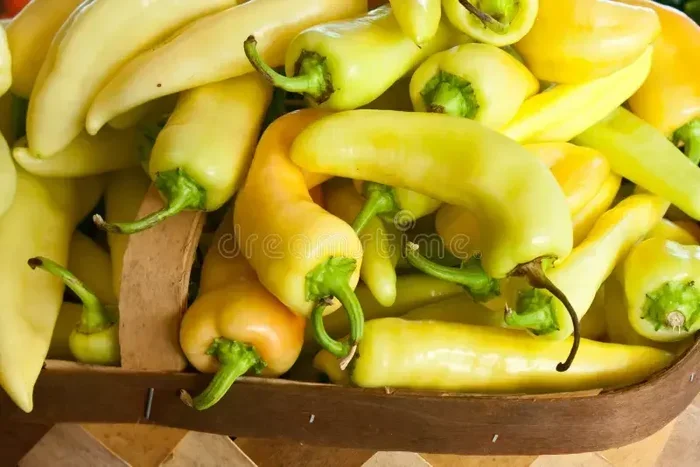
Banana peppers are a mild, sweet, and slightly tangy pepper that adds crunch and flavor to any dish. They sit low on the Scoville scale, making them perfect for people who want a gentle kick without the burn. Whether you pickle them, stuff them, or toss them in a salad, these versatile peppers are a kitchen staple worth trying.
Key Takeaways
- Mild Heat: Banana peppers rank between 0-500 on the Scoville scale, offering a gentle warmth that even kids can enjoy.
- Nutrient-Rich: They are loaded with vitamin C, vitamin A, and fiber, supporting immunity and digestion.
- Versatile in Cooking: You can pickle, stuff, grill, or eat banana peppers raw in salads and sandwiches.
- Easy to Grow: These pepper plants thrive in home gardens and containers with minimal care.
- Great Pepper Substitute: Banana peppers work as a milder alternative to hot chili peppers in most recipes.
- Long Shelf Life: Pickled banana peppers can last for months when stored properly in the fridge.
📑 Table of Contents
What Are Banana Peppers?
Banana peppers are a type of sweet pepper that gets its name from its bright yellow color and curved shape. They look a lot like a banana, which is exactly where the name comes from. These mild peppers belong to the Capsicum annuum family, just like bell peppers and pepperoncini.
When you first bite into a banana pepper, you will notice a slightly tangy flavor. The heat is very low, so most people can enjoy them without any discomfort. They have a crisp, crunchy texture that works beautifully in a wide range of dishes. Many people love adding them to sandwiches, pizzas, and salads.
One of the best things about banana peppers is how easy they are to find. You can grab them fresh at most grocery stores, or you can find them pickled in jars. They are also very affordable, which makes them a great choice for everyday cooking. If you have never tried them before, now is the perfect time.
Banana Peppers vs. Pepperoncini
People often confuse banana peppers with pepperoncini. While they look similar, there are some key differences. Banana peppers tend to be slightly sweeter and less wrinkly. Pepperoncini have a tangier taste and a more wrinkled skin. Both are mild, but banana peppers usually have a smoother, more uniform shape. If you are shopping for either one, check the label to make sure you are getting what you want.
The Heat Level of Banana Peppers
One of the biggest questions people ask about banana peppers is “how hot are they?” The answer is: not very hot at all. On the Scoville scale, banana peppers rank between 0 and 500 Scoville Heat Units (SHU). To put that in perspective, a jalapeño pepper can range from 2,500 to 8,000 SHU. So banana peppers are considered very mild.
The heat in any pepper comes from a compound called capsaicin. Banana peppers contain very little capsaicin compared to hot chili peppers. This is why they are often recommended for people who are sensitive to spice. Kids, elderly individuals, and those who avoid hot food can still enjoy the flavor of banana peppers without the burn.
That said, heat can vary from pepper to pepper. A sweet banana pepper might have no heat at all, while a slightly more mature one might have a tiny kick. If you want to keep the heat minimal, look for peppers that are bright yellow and firm. As they turn red or orange, they tend to get a bit sweeter and slightly hotter.
Understanding the Scoville Scale
The Scoville scale measures the spiciness of peppers. It was created by a pharmacist named Wilbur Scoville in 1912. The scale goes from zero (no heat) to over two million (extremely hot). Banana peppers sit very close to zero on this scale. Bell peppers have zero Scoville units, and banana peppers are just a small step above. This makes them one of the mildest pepper varieties you can eat.
Health Benefits of Banana Peppers
Banana peppers are not just tasty, they are also good for you. They pack a surprising amount of nutrition for such a mild little pepper. Let us look at some of the top health benefits.
Rich in Vitamin C. Just one banana pepper can provide a good dose of vitamin C. This vitamin helps boost your immune system and keeps your skin healthy. It also acts as an antioxidant, protecting your cells from damage.
Good for Digestion. Banana peppers contain dietary fiber, which helps keep your digestive system running smoothly. Eating fiber-rich foods can prevent constipation and support gut health. A healthy gut is linked to better overall wellness.
Low in Calories. If you are watching your calorie intake, banana peppers are a great snack choice. They are very low in calories but high in flavor. You can munch on them guilt-free as a crunchy side dish.
Anti-Inflammatory Properties. The capsaicin in banana peppers, though minimal, has mild anti-inflammatory effects. Some studies suggest that capsaicin can help reduce swelling and pain. While banana peppers are not a replacement for medicine, they can be a helpful addition to an anti-inflammatory diet.
Vitamin A for Eye Health. Banana peppers also contain vitamin A, which is essential for good vision. Eating foods rich in vitamin A can help protect your eyes as you age. It also supports a healthy immune system.
Quick Tips for Getting the Most Nutrition
- Eat banana peppers raw to get the maximum vitamin C content.
- Pickled banana peppers still offer some nutrients, but the sodium content will be higher.
- Pair them with other vegetables for a more balanced meal.
- Do not overcook them, as heat can break down some vitamins.
How to Use Banana Peppers in Your Cooking
One of the reasons banana peppers are so popular is how versatile they are. You can use them in so many different ways. Here are some of the best ideas for adding them to your meals.
Pickled Banana Peppers
Pickling is one of the most popular ways to prepare banana peppers. The pickling process adds a tangy, sour flavor that many people love. You can find pickled banana peppers in almost any deli or grocery store. But making them at home is even better.
To make quick pickled banana peppers, simply slice them and place them in a jar. Pour a mixture of vinegar, water, salt, and sugar over them. Let them sit in the fridge for at least a day. They will last for weeks and make a great topping for burgers, tacos, and hot dogs.
Stuffed Banana Peppers
Stuffed banana peppers are a delicious appetizer or side dish. You can fill them with cream cheese, mozzarella, or even ground meat. Wrap them in bacon for an extra treat. Bake them in the oven until the cheese is melted and the peppers are tender. They are always a hit at parties and gatherings.
In Sandwiches and Wraps
Thinly sliced banana peppers add a nice crunch to sandwiches and wraps. They work especially well in turkey clubs, pulled pork sandwiches, and veggie wraps. The mild flavor complements meats and cheeses without overpowering them. Try adding them to your next lunch and see how they elevate the whole meal.
On Pizza and Salads
Banana peppers are a classic pizza topping. They add a pop of color and a gentle flavor that pairs well with almost any pizza combination. You can also chop them up and toss them into green salads, pasta salads, or grain bowls. They bring a fresh, crunchy element to any dish.
Grilled or Roasted Banana Peppers
If you want to try something different, grilling or roasting banana peppers is a great option. The heat brings out their natural sweetness. Brush them with olive oil and grill for a few minutes on each side. Serve them as a side dish or chop them up and add them to grilled meats and vegetables.
Growing Banana Peppers at Home
Growing banana peppers in your home garden is easier than you might think. They are a great choice for beginner gardeners and experienced growers alike.
Start by planting seeds indoors about eight weeks before the last frost. Once the weather warms up, transplant the seedlings into your garden or a large container. Banana pepper plants love warm weather and plenty of sunlight. Make sure the soil drains well and water them regularly.
In about 60 to 75 days, you should start seeing bright yellow peppers forming. Pick them when they are firm and fully yellow for the best flavor. If you leave them on the plant longer, they will turn orange and then red. Red banana peppers tend to be sweeter and slightly hotter than the yellow ones.
One of the great advantages of growing your own pepper plants is that you control what goes into them. No pesticides or chemicals are needed if you choose to grow organically. Plus, there is nothing quite like the taste of a fresh banana pepper straight from the garden.
Tips for a Successful Harvest
- Water your plants consistently but do not overwater them.
- Use a balanced fertilizer every two weeks during the growing season.
- Pick peppers regularly to encourage more fruit to grow.
- Watch out for aphids and caterpillars, which can damage the plants.
- Store harvested peppers in the fridge for up to two weeks.
Where to Buy Banana Peppers
Banana peppers are widely available and easy to find. Most grocery stores carry them in the fresh produce section. Look for peppers that are bright yellow, firm, and free of soft spots or blemishes. Fresh banana peppers should feel crisp when you squeeze them gently.
If you prefer pickled versions, check the condiment aisle or the deli section. Many brands offer pickled banana peppers in jars or cans. When buying pickled ones, look for options with low sodium if you are watching your salt intake. Some brands also add garlic or other spices for extra flavor.
You can also find banana peppers at farmers markets and local produce stands. Buying locally grown peppers often means they are fresher and more flavorful. Farmers markets are also a great place to discover different pepper varieties you might not see in regular stores.
Common Mistakes When Cooking with Banana Peppers
Even though banana peppers are easy to use, there are a few common mistakes people make. Avoiding these can help you get the best results every time.
Not washing them properly. Always rinse fresh banana peppers under cold water before using them. This removes any dirt or residue from the skin. It also helps reduce the natural pepper oils on the surface.
Removing the seeds unnecessarily. The seeds in banana peppers are edible and contain most of the flavor. Unless you want to reduce the heat even further, leave the seeds in. Removing them can also make the pepper less flavorful.
Overcooking them. Banana peppers are best when they are slightly crisp. Overcooking them can make them mushy and bland. If you are adding them to a cooked dish, toss them in at the last minute to preserve their texture.
Confusing them with hot peppers. Because banana peppers look similar to some hotter pepper varieties, it is important to double-check what you are buying. Always read the label or ask the grocer if you are unsure. Using a hot pepper when you expected a mild one can ruin a dish.
Storing them incorrectly. Fresh banana peppers should be stored in the refrigerator, ideally in a plastic bag or container. They can last for one to two weeks when kept cold. Do not leave them at room temperature for too long, or they will spoil quickly.
Conclusion
Banana peppers truly are a sweet spicy veggie that deserves a spot in every kitchen. They bring a mild, tangy flavor and a satisfying crunch to countless dishes. Whether you eat them fresh, pickled, grilled, or stuffed, they add something special that other peppers simply cannot match.
They are packed with nutrients like vitamin C and vitamin A, and they are low in calories, making them a healthy snack option. Growing them at home is simple and rewarding, and buying them is easy and affordable. From sandwiches to pizza to salads, the ways to enjoy banana peppers are nearly endless.
If you have been looking for a pepper that is flavorful but not too hot, banana peppers are the answer. Give them a try in your next meal and see how they transform your cooking. Once you start using them, you will wonder how you ever cooked without them.
Frequently Asked Questions
Are banana peppers hot?
No, banana peppers are very mild. They rank between 0 and 500 on the Scoville scale, which makes them one of the least hot peppers you can eat. Most people find them sweet and slightly tangy with just a hint of warmth.
Can you eat banana peppers raw?
Yes, you can eat banana peppers raw. They have a crisp, crunchy texture and a mild, slightly sweet flavor. Raw banana peppers are great in salads, as a snack, or sliced on sandwiches.
What is the difference between banana peppers and pepperoncini?
Banana peppers are usually sweeter and smoother, while pepperoncini have a tangier taste and a wrinkled skin. Both are mild peppers, but they have slightly different flavors and textures. Banana peppers also tend to be a bit thicker than pepperoncini.
How long do pickled banana peppers last?
Pickled banana peppers can last for several months when stored in the refrigerator in a sealed jar. Always check the expiration date on store-bought jars. Homemade pickled peppers typically last up to two months in the fridge.
Are banana peppers good for weight loss?
Yes, banana peppers can support weight loss efforts. They are very low in calories and contain fiber, which helps you feel full. They also add flavor to meals without adding extra fat or calories, making them a smart choice for healthy eating.
Can you grow banana peppers in containers?
Absolutely. Banana pepper plants grow well in containers as long as the pot is at least 12 inches deep. Use well-draining soil, place the container in a sunny spot, and water regularly. Container-grown peppers can produce a generous harvest throughout the summer.