What Does a Rowing Machine Do for the Body

A rowing machine delivers a powerful full-body workout that builds strength, torches calories, and improves cardiovascular health—all with minimal joint stress. Whether you’re a beginner or athlete, understanding what a rowing machine does for the body can help you maximize results and stay consistent with your fitness goals.
Key Takeaways
- Full-body engagement: Rowing activates over 85% of your muscles, including legs, core, back, and arms.
- Low-impact cardio: It’s gentle on joints while delivering intense aerobic benefits.
- Calorie torcher: You can burn 400–600 calories per hour depending on intensity.
- Strength + endurance combo: Builds both muscular power and stamina in one session.
- Posture & flexibility: Improves spinal alignment and increases range of motion over time.
- Scalable for all levels: Adjust resistance and pace to match your fitness level.
- Mental health boost: Rhythmic motion reduces stress and enhances focus.
📑 Table of Contents
What Does a Rowing Machine Do for the Body?
If you’ve ever walked past a rowing machine at the gym and wondered, “What does a rowing machine do for the body?”—you’re not alone. Often overshadowed by treadmills and ellipticals, the rower is a hidden gem in the fitness world. But don’t let its quiet presence fool you. This sleek piece of equipment delivers one of the most efficient, full-body workouts you can get—without pounding your joints.
Unlike running or jumping exercises, rowing mimics the natural motion of pulling an oar through water. That smooth, repetitive movement engages nearly every major muscle group while keeping impact low. Whether you’re training for endurance, building lean muscle, or just trying to stay active, understanding what a rowing machine does for the body can transform how you approach your workouts.
In this guide, we’ll break down exactly how rowing affects your muscles, heart, metabolism, and even your mind. Plus, you’ll get practical tips to start reaping these benefits today—no boat required.
How Rowing Engages Your Muscles
The Science Behind the Stroke
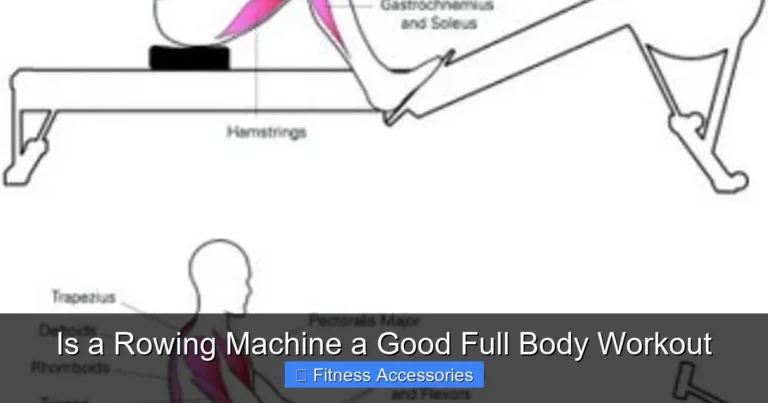
Every time you pull the handle on a rowing machine, your body performs a coordinated sequence known as the “rowing stroke.” It starts with your legs pushing against the footplate, followed by your core stabilizing your torso, and ends with your arms and back finishing the pull. This chain reaction means you’re not just working one area—you’re firing up your entire body in one fluid motion.
Visual guide about What Does a Rowing Machine Do for the Body
Image source: live.staticflickr.com
Research shows that rowing activates over 85% of your skeletal muscles. That’s more than cycling, running, or even weightlifting in isolation. The key is the compound nature of the movement: multiple joints and muscle groups work together, making each stroke a full-body effort.
Primary Muscle Groups Targeted
So, what does a rowing machine do for the body in terms of muscle engagement? Here’s a breakdown:
- Legs: Your quads, hamstrings, and glutes power the initial drive. Think of it like a vertical leg press with every stroke.
- Core: Your abs and obliques stabilize your spine and transfer force from your lower to upper body.
- Back: The lats, rhomboids, and trapezius muscles pull the handle toward your chest.
- Arms: Biceps and forearms assist in the final phase of the stroke.
- Shoulders: Deltoids help control the return phase and maintain posture.
This balanced activation helps prevent muscle imbalances—a common issue with isolated exercises like bicep curls or leg extensions.
Cardiovascular and Metabolic Benefits
Heart Health Without the Impact
One of the biggest advantages of rowing is its ability to elevate your heart rate without stressing your joints. Because your feet stay planted and there’s no pounding on pavement, it’s ideal for people with knee, hip, or back issues. Yet, it still delivers a serious cardio challenge.

Visual guide about What Does a Rowing Machine Do for the Body
Image source: prtimes.jp
During a moderate 30-minute session, your heart rate can reach 70–85% of its maximum—perfect for improving aerobic capacity. Over time, this strengthens your heart muscle, lowers resting heart rate, and improves circulation.
Burning Calories Efficiently
What does a rowing machine do for the body when it comes to fat loss? A lot. Depending on your weight and intensity, you can burn between 400 and 600 calories per hour. That’s comparable to running at a 6-minute mile pace—but without the joint wear.
Plus, rowing creates an “afterburn effect” (excess post-exercise oxygen consumption, or EPOC). This means your body continues burning calories at a higher rate even after you’ve finished your workout. High-intensity interval training (HIIT) on a rower amplifies this effect even more.
Strength and Endurance Gains
Building Functional Strength
Rowing isn’t just cardio—it’s resistance training in disguise. The harder you pull, the more force your muscles must generate. Over weeks and months, this builds functional strength that translates to real-life activities: lifting groceries, climbing stairs, or playing with your kids.

Visual guide about What Does a Rowing Machine Do for the Body
Image source: aiva.com.vn
Unlike machines that isolate single muscles, rowing trains your body to work as a unit. That’s why athletes from football players to swimmers use it in their training programs.
Improving Muscular Endurance
Because rowing involves repetitive strokes over time, it also boosts muscular endurance. Your muscles learn to perform under fatigue, which is essential for long hikes, bike rides, or even standing all day at work.
Try this: Set a timer for 20 minutes and row at a steady pace. Notice how your form holds up in the last five minutes. That’s endurance in action.
Posture, Flexibility, and Joint Health
Correcting Postural Imbalances
Many of us spend hours hunched over desks, leading to rounded shoulders and weak back muscles. Rowing counteracts this by strengthening the posterior chain—the muscles along the back of your body. Over time, this promotes better posture and reduces neck and shoulder tension.

Visual guide about What Does a Rowing Machine Do for the Body
Image source: i.pinimg.com
Pro tip: Focus on squeezing your shoulder blades together at the end of each stroke. This small cue can make a big difference in activating the right muscles.
Enhancing Flexibility and Mobility
Each rowing stroke requires a full range of motion: hips flexing, spine extending, shoulders rotating. Done consistently, this improves joint mobility—especially in the hips and thoracic spine (mid-back).
People often report feeling “looser” after a few weeks of regular rowing. That’s because the movement gently stretches tight areas while strengthening supporting muscles.
Mental and Emotional Benefits
Stress Relief Through Rhythm
There’s something meditative about the rhythm of rowing. The steady pull, the glide back, the breath syncing with motion—it creates a flow state that quiets the mind. Many users describe it as “moving meditation.”

Visual guide about What Does a Rowing Machine Do for the Body
Image source: images.wunderweib.de
This rhythmic activity triggers the release of endorphins, your body’s natural mood lifters. It’s no surprise that rowing is often recommended for anxiety and mild depression.
Boosting Focus and Discipline
Rowing requires concentration. You must coordinate your legs, core, and arms while maintaining proper form. This mental engagement sharpens focus and builds discipline—skills that carry over into work, school, and daily life.
Tracking metrics like stroke rate, split time, and distance also adds a gamified element that keeps motivation high.
Who Should Use a Rowing Machine?
Beginners
If you’re new to fitness, rowing is a fantastic starting point. It’s easy to learn, scalable, and low-risk. Start with short 10–15 minute sessions at low resistance, focusing on form before intensity.

Visual guide about What Does a Rowing Machine Do for the Body
Image source: i.ytimg.com
Seniors
Older adults benefit from rowing’s joint-friendly nature. It maintains muscle mass, supports heart health, and improves balance—all critical for healthy aging.
Athletes
Competitive athletes use rowing for cross-training. It builds aerobic base, strengthens underused muscles, and aids recovery between high-impact sessions.
People Rehabbing Injuries
Under guidance, rowing can be part of rehabilitation for knee, hip, or back injuries. Always consult a physical therapist first.
Getting Started: Practical Tips
Master the Form First
Before cranking up the resistance, nail your technique. A proper stroke follows this sequence:

Visual guide about What Does a Rowing Machine Do for the Body
Image source: sky-budget.com
- Catch: Knees bent, arms straight, shoulders relaxed.
- Drive: Push with legs first, keep back straight.
- Finish: Legs fully extended, handle at lower ribs, slight lean back.
- Recovery: Extend arms, hinge forward, bend knees to return.
Film yourself or ask a trainer to check your form. Bad habits are hard to unlearn later.
Start Slow and Build Consistency
Aim for 3 sessions per week, 20–30 minutes each. Gradually increase duration or intensity. Consistency beats intensity every time.
Mix Up Your Workouts
Try steady-state rows for endurance, intervals for fat loss, and power strokes for strength. Variety prevents boredom and plateaus.
Conclusion
So, what does a rowing machine do for the body? In short: almost everything. It builds strength, torches calories, protects your joints, improves posture, and calms your mind—all in one efficient workout. Whether you’re looking to lose weight, get stronger, or simply move better, the rowing machine delivers.
Visual guide about What Does a Rowing Machine Do for the Body
Image source: b2bridge.io
The best part? It meets you where you are. Beginners can start gently, while advanced users can push limits. No matter your age or fitness level, rowing offers a path to a healthier, more resilient body.
Next time you see that rower in the corner, give it a try. Your body—and mind—will thank you.
Frequently Asked Questions
Is rowing good for weight loss?
Yes! Rowing burns 400–600 calories per hour and boosts metabolism through the afterburn effect. Combined with a healthy diet, it’s a powerful tool for fat loss.
Does rowing build muscle?
Absolutely. Rowing builds functional strength in your legs, back, core, and arms. While it won’t replace heavy lifting, it develops lean, toned muscle effectively.
How often should I use a rowing machine?
For best results, aim for 3–5 sessions per week. Start with 20–30 minutes and adjust based on your goals and recovery.
Can rowing hurt my back?
Not if done with proper form. In fact, rowing strengthens back muscles and improves posture. Avoid rounding your spine during the stroke.
Is rowing better than running?
It depends on your goals. Rowing offers similar cardio benefits with less joint impact and more full-body engagement. Many people prefer it for long-term joint health.
Do I need special equipment to start rowing?
Nope! Just access to a rowing machine—found in most gyms or available for home use. Wear comfortable clothes and supportive shoes.