What Does the Rowing Machine Do to Your Body
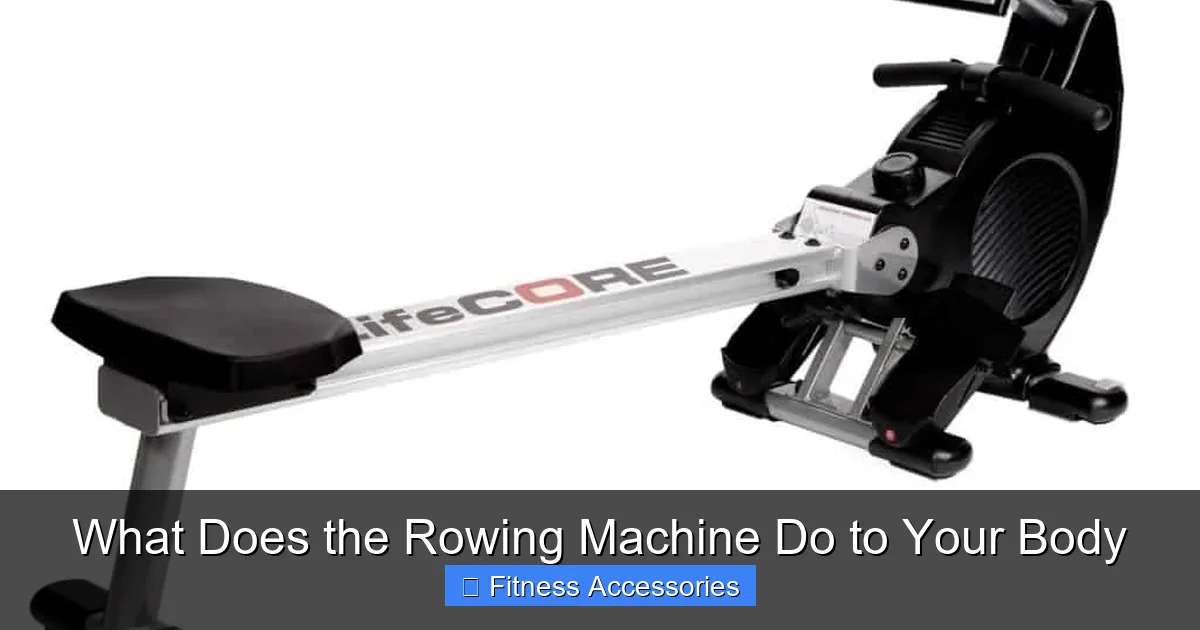
What does the rowing machine do to your body? It delivers a full‑body workout that burns calories, strengthens muscles, and improves heart health while being low‑impact on joints. Use it regularly and you’ll see better endurance, a tighter core, and a leaner physique.
Key Takeaways
- Full‑body engagement: Rowing works legs, core, back, and arms in one smooth motion.
- Cardiovascular boost: Regular sessions raise VO₂ max and lower resting heart rate.
- Strength gains: The resistance mimics weight‑training, building functional muscle.
- Calorie torch: Rowing burns 400‑800 calories per hour, aiding fat loss.
- Joint‑friendly: Low‑impact design protects knees and hips while still challenging muscles.
- Posture improvement: Repeated rowing reinforces a strong, upright spine.
- Mental benefits: Rhythm and breath control reduce stress and sharpen focus.
📑 Table of Contents
- Introduction: Why the Rowing Machine Is a Hidden Gem
- 1. Cardiovascular Benefits: The Heart Gets Stronger
- 2. Muscular Strength and Endurance: Building Functional Power
- 3. Calorie Burning and Fat Loss: Turning the Body into a Fat‑Melting Machine
- 4. Joint Health and Low‑Impact Advantage
- 5. Core Stability and Posture: Straightening Out the Spine
- 6. Mental and Emotional Upsides: More Than Just Physical
- Putting It All Together: A Sample Weekly Plan
- Conclusion: The Rowing Machine Is a Whole‑Body Game Changer
Introduction: Why the Rowing Machine Is a Hidden Gem
When you think of a workout that hits every major muscle group, the first thing that comes to mind might be a cross‑fit circuit or a heavy‑weight session. Yet, there’s a piece of equipment quietly sitting in gyms and home basements that delivers all of that—and more—without the loud clatter of plates or the risk of joint pain. That piece is the rowing machine.
So, what does the rowing machine do to your body? In simple terms, it offers a low‑impact, high‑output cardio and strength hybrid that can be tweaked for beginners or elite athletes. The secret lies in its fluid, pull‑and‑push motion, which mimics the natural movement of rowing a boat. This motion forces your legs, core, back, and arms to work together, creating a synergy that few other workouts can match.
In the pages that follow, we’ll break down the science, share practical tips, and give you a roadmap for turning a modest rowing habit into a powerful body‑transforming routine.
1. Cardiovascular Benefits: The Heart Gets Stronger
How Rowing Improves Cardio Health
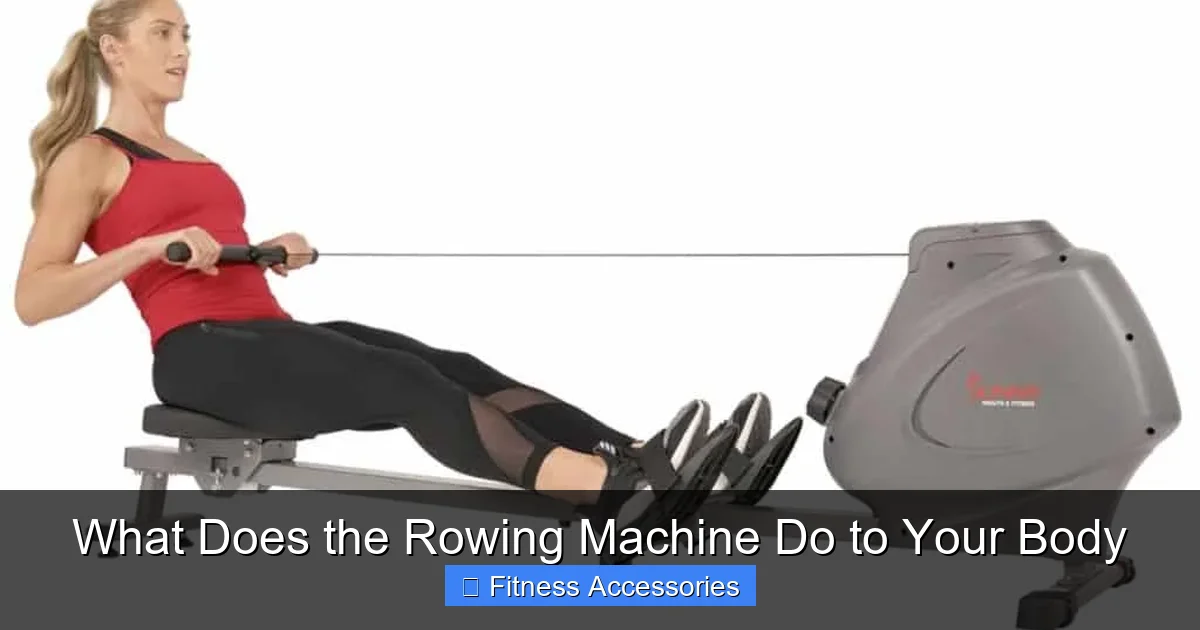
Rowing is essentially a moving aerobic exercise. When you pull the handle, your heart pumps faster to deliver oxygen to working muscles. Over time, this increased demand raises your VO₂ max—the maximum amount of oxygen your body can use during intense activity. A higher VO₂ max means you can run, bike, or swim longer without getting winded.
Visual guide about What Does the Rowing Machine Do to Your Body
Image source: rowingmachineking.com
Real‑World Example
Imagine you’re a 35‑year‑old office worker who can currently jog for 10 minutes before feeling out of breath. After four weeks of rowing 20 minutes, three times a week at a moderate pace, you may notice you can jog for 15‑20 minutes before the same level of fatigue hits. That’s a direct result of improved cardiovascular efficiency.
Tips for Maximizing Cardio Gains
- Interval training: Alternate 1 minute of hard rowing with 2 minutes of easy rowing. Repeat 6‑8 times.
- Steady state: Row at a consistent, moderate effort for 30‑45 minutes to build endurance.
- Monitor your heart rate: Aim for 65‑85 % of your max heart rate during most sessions.
2. Muscular Strength and Endurance: Building Functional Power
Which Muscles Get the Workout?
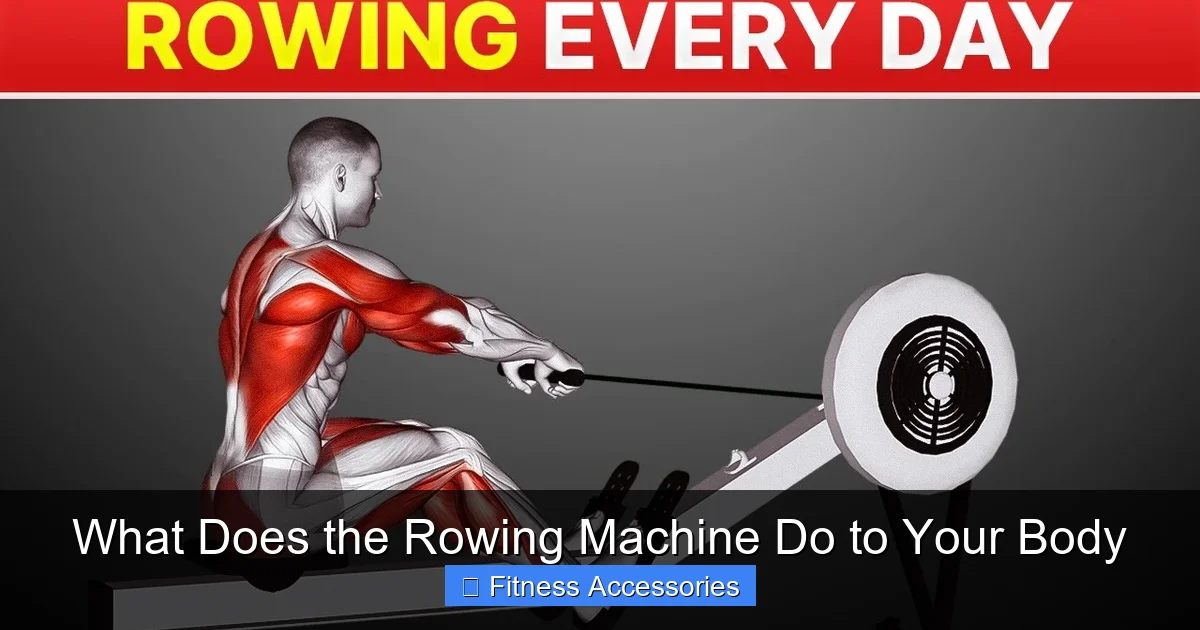
The rowing stroke can be split into two phases: the “drive” and the “recovery.” During the drive, your legs push, your hips extend, your core stabilizes, and your arms pull the handle. The recovery phase reverses the motion, emphasizing control and flexibility. The primary muscles involved are:
Visual guide about What Does the Rowing Machine Do to Your Body
Image source: i.ytimg.com
- Quadriceps and glutes (legs)
- Hamstrings and hip extensors
- Erector spinae and latissimus dorsi (back)
- Rectus abdominis, obliques, and transverse abdominis (core)
- Biceps, forearms, and shoulders (upper body)
Strength vs. Hypertrophy
If you set the resistance low and focus on speed, you’ll develop muscular endurance—great for stamina sports. Crank the resistance up and pull slower, and you’ll stimulate hypertrophy, similar to weight training. The rowing machine gives you both options without needing a full rack of dumbbells.
Practical Strength Routine
- Warm‑up: 5 minutes easy rowing.
- Power sets: 4 × 500 m sprints at high resistance, 2‑minute rest.
- Endurance sets: 2 × 2000 m rows at moderate resistance, 3‑minute rest.
- Cool‑down: 5 minutes light rowing, stretch major muscle groups.
3. Calorie Burning and Fat Loss: Turning the Body into a Fat‑Melting Machine
How Many Calories Can You Burn?
Because rowing engages large muscle groups, it burns a lot of energy. A 155‑lb person can expect to burn roughly 500 calories in a 45‑minute moderate session. Increase the intensity or add intervals, and the number climbs to 700‑800 calories per hour.
Why Rowing Is Efficient for Fat Loss
Rowing creates a post‑exercise oxygen consumption (EPOC) effect, meaning your metabolism stays elevated for 30‑60 minutes after you finish. This “afterburn” helps you continue burning calories even while you’re sipping coffee.
Tips to Optimize Fat Loss
- Track distance: Use the monitor to set weekly mileage goals.
- Combine with strength work: Add a bodyweight circuit after rowing to keep the heart rate high.
- Mind your nutrition: Pair rowing with a balanced diet rich in protein to preserve lean muscle.
4. Joint Health and Low‑Impact Advantage
Why Rowing Is Gentle on the Knees and Hips
Unlike running, rowing is a seated exercise. Your feet stay planted on a strap, and the motion is smooth and linear. This reduces the pounding forces that can wear down cartilage in the knees and hips.
Who Benefits Most?
People recovering from lower‑body injuries, older adults, or anyone with arthritis can safely row, provided they use proper form and appropriate resistance.
Form Checklist for Joint Safety
- Foot placement: Secure straps over the balls of your feet.
- Knee alignment: Knees should track directly over the toes during the drive.
- Back posture: Keep a neutral spine; avoid rounding.
- Range of motion: Don’t over‑extend the arms; stop when the handle reaches the chest.
5. Core Stability and Posture: Straightening Out the Spine
The Core’s Role in Rowing
During each stroke, the core acts like a bridge between the lower and upper body. It resists rotation, stabilizes the spine, and transfers power from the legs to the arms. Over time, this repeated engagement strengthens the deep abdominal muscles and improves overall posture.
Posture Benefits Off the Machine
Strong core muscles mean you’re less likely to slump at a desk, and you’ll experience less lower‑back pain during everyday activities. Many users report that after a month of consistent rowing, their standing posture feels “taller” and more aligned.
Core‑Focused Rowing Drills
- Paused rows: At the finish of each stroke, hold the handle for 2 seconds before releasing. This forces the core to stay engaged.
- Single‑leg rows: Unstrap one foot and row using only the opposite leg, challenging balance and core control.
- Seated twists: After a set, sit upright, grab the handle, and rotate the torso side to side to stretch the obliques.
6. Mental and Emotional Upsides: More Than Just Physical
Why Rowing Feels Meditative
The repetitive pull‑and‑release rhythm creates a natural cadence that can be soothing. Pair that with focused breathing—inhale on the recovery, exhale on the drive—and you get a built‑in stress‑relief technique similar to yoga.
Boosting Mood and Cognitive Function
Cardio exercise releases endorphins, dopamine, and serotonin, chemicals that elevate mood and sharpen concentration. Many athletes use rowing as a “mental reset” before a big meeting or competition.
Simple Mindfulness Technique
- Start rowing at an easy pace.
- Count each stroke silently in your head.
- If thoughts wander, gently bring focus back to the count and the feel of the handle.
- Continue for 5‑10 minutes as a warm‑up or cool‑down.
Putting It All Together: A Sample Weekly Plan
Below is a beginner‑to‑intermediate schedule that hits every benefit discussed. Adjust times and resistance based on your fitness level.
- Monday – Cardio Intervals: 5 min warm‑up, 8 × 250 m sprints (90 % effort) with 90 seconds easy rowing, 5 min cool‑down.
- Tuesday – Strength & Core: 4 × 500 m rows at high resistance, paused 2 seconds at finish, followed by 3 × 30‑second plank holds.
- Wednesday – Active Recovery: 30 min steady‑state rowing at low resistance, focus on breathing.
- Thursday – Power Endurance: 2 × 2000 m rows at moderate resistance, 4 minutes rest, finish with single‑leg rows.
- Friday – HIIT Mix: 10 × 30‑second all‑out rows, 30‑second rest, then 10 minutes easy rowing.
- Saturday – Long Row: 45‑60 min at conversational pace, work on posture and smooth strokes.
- Sunday – Rest or Light Stretching: Gentle yoga or foam rolling.
Stick to this plan for 6‑8 weeks, track your progress on the machine’s monitor, and you’ll notice stronger lungs, tighter muscles, a flatter belly, and a calmer mind.
Conclusion: The Rowing Machine Is a Whole‑Body Game Changer
Answering the core question—what does the rowing machine do to your body?—is simple: it transforms you from the inside out. By delivering a balanced mix of cardio, strength, low‑impact joint care, core stability, and mental clarity, rowing offers a comprehensive health upgrade that few other pieces of equipment can match.
Whether you have a cramped apartment, a busy schedule, or simply want a workout that feels like a smooth glide rather than a grind, the rowing machine fits the bill. Start with short sessions, focus on form, and let the progressive overload guide you. In a few weeks, you’ll feel the difference in your heart rate, muscle tone, posture, and overall mood. So hop on, pull the handle, and let the rower rewrite your fitness story.
Frequently Asked Questions
What muscles does rowing work the most?
Rowing primarily engages the quadriceps, glutes, hamstrings, core, back (especially the lats and erector spinae), and the biceps and forearms.
Is rowing a good exercise for weight loss?
Yes. Rowing burns 400‑800 calories per hour depending on intensity, and the afterburn effect keeps metabolism elevated after the workout.
Can I use a rowing machine if I have knee problems?
Because rowing is low‑impact and seated, it’s generally safe for knee issues, provided you use proper form and avoid excessive resistance.
How often should I row to see cardiovascular improvements?
Three to four sessions per week, each lasting 20‑45 minutes, are enough to boost VO₂ max and lower resting heart rate within 4‑6 weeks.
Do I need a special rowing technique?
Basic technique involves a leg drive, hip swing, and arm pull, followed by a smooth recovery. Mastering this sequence ensures safety and maximizes benefits.
Can rowing improve my posture at work?
Yes. The core and back strengthening from regular rowing helps you sit upright, reducing slouching and associated back pain.