Can You Lose Belly Fat on an Exercise Bike

Yes, you can absolutely lose belly fat using an exercise bike. It’s a highly effective, low-impact tool for burning calories and creating the calorie deficit necessary for overall fat loss. However, you cannot “spot-reduce” fat from your belly alone; the bike helps shrink fat from your entire body, including your midsection. Success hinges on consistent, properly intense workouts combined with a healthy, calorie-controlled diet and good sleep.
So, you’ve got that exercise bike parked in the corner, and your eyes keep drifting to your midsection in the mirror. The big question: can you actually lose belly fat on an exercise bike? The short answer is a resounding yes. But let’s be perfectly clear from the start: you cannot “spot-reduce” fat. Doing a million crunches or pedaling for hours won’t magically melt just the fat over your abs. Fat loss is systemic; your body decides where it takes fat from, based on genetics and hormones, and often the belly is a stubborn last resort. However, the exercise bike is one of the best tools in your arsenal to create the overall fat-loss conditions that will eventually lead to a slimmer waistline. It’s accessible, low-impact, and incredibly effective when used correctly. This guide will unpack the science, the strategies, and the exact workouts to make your exercise bike the star of your home gym for finally tackling that belly fat.
Key Takeaways
- Calorie Deficit is King: Losing any body fat, including belly fat, requires burning more calories than you consume. The exercise bike is a powerful tool to increase your calorie burn.
- HIIT Trumps Steady-State for Efficiency: High-Intensity Interval Training (HIIT) on the bike burns more fat in less time and creates an “afterburn” effect (EPOC) where your metabolism stays elevated post-workout.
- Consistency Over Intensity: Regular, moderate sessions (e.g., 30 minutes, 5 days a week) are more effective long-term than sporadic, brutal workouts you can’t maintain.
- It Engages Core Muscles: While not a direct ab-builder, pedaling requires core stabilization, strengthening those muscles under the fat, which improves posture and lean appearance as fat reduces.
- Nutrition is 80% of the Battle: You cannot out-exercise a poor diet. Focusing on whole foods, protein, and fiber while controlling portions is non-negotiable for revealing a flatter stomach.
- Sleep and Stress Management Matter: High cortisol (stress hormone) and poor sleep promote belly fat storage. The bike helps reduce stress, but prioritizing 7-9 hours of sleep is critical.
- Patience and Realistic Expectations: Belly fat is often the last to go. Aim for a sustainable 0.5-1 lb loss per week. Visible changes in your midsection may take 4-8 weeks of consistent effort.
📑 Table of Contents
- The Science of Fat Loss: Why You Can’t Just “Target” Your Belly
- Why an Exercise Bike is a Belly Fat-Loss Powerhouse
- Designing Your Exercise Bike Workouts to Maximize Belly Fat Loss
- Maximizing Fat Burn: Intensity, Duration, and Heart Rate
- The Critical, Non-Negotiable Role of Nutrition
- Beyond the Bike: The Holistic Approach to a Flatter Stomach
- Conclusion: Your Bike, Your Journey
The Science of Fat Loss: Why You Can’t Just “Target” Your Belly
Before we dive into bike workouts, we must understand the fundamental rule of fat loss: it happens systemically, not locally. Your body stores fat in adipose tissue all over—subcutaneously (under the skin) and viscerally (around organs). Belly fat, particularly visceral fat, is metabolically active and linked to health risks, but it’s also notoriously stubborn due to a higher concentration of alpha-adrenergic receptors, which inhibit fat breakdown. When you create a calorie deficit (burning more than you eat), your body mobilizes stored fatty acids from all over to use for energy. Where it takes from first is largely genetic—some people lose face fat first, others from the legs. For many, the belly is the final frontier.
The Role of Hormones
Hormones like cortisol (the stress hormone) and insulin play a huge role in belly fat storage. Chronically high cortisol encourages fat deposition in the abdominal area. This is why stress management and sleep are non-negotiable companions to your bike workouts. Exercise, especially moderate cardio like biking, helps regulate cortisol and improve insulin sensitivity, directly attacking two key drivers of stubborn belly fat.
Why an Exercise Bike is a Belly Fat-Loss Powerhouse
Now that we know the “what,” let’s talk about the “why” the exercise bike is such a phenomenal choice.
Low-Impact, High-Adherence
Unlike running, which can be tough on joints, cycling is gentle on knees, hips, and ankles. This means you can do it more frequently without pain or injury. And the #1 predictor of fat loss success is adherence—how consistently you show up. If you dread your workout because it hurts, you won’t last. The bike removes that barrier.
Efficient Calorie Burn
A 155-pound person can burn approximately 260-315 calories in 30 minutes of moderate stationary biking. That’s a significant chunk of your daily deficit. More importantly, you can control and progressively increase that burn by adjusting resistance and speed. It’s a scalable tool that grows with your fitness.
Perfect for HIIT (High-Intensity Interval Training)
This is the bike’s secret weapon for belly fat. HIIT involves short bursts of all-out effort followed by recovery periods. Research consistently shows HIIT is superior to steady-state cardio for reducing visceral fat. On a bike, you can safely and effectively push to your max during sprints without the impact of running. The metabolic disruption from HIIT leads to Excess Post-Exercise Oxygen Consumption (EPOC), where your body continues to burn calories at an elevated rate for hours after you’ve finished pedaling.
Accessibility and Convenience
Rain or shine, day or night, your bike is there. No gym commute, no class schedules. This convenience removes countless excuses. You can fit in a 20-minute session while watching a show or during a lunch break, making consistency a practical reality.
Designing Your Exercise Bike Workouts to Maximize Belly Fat Loss
Not all bike sessions are created equal. To optimize for fat loss, especially the stubborn kind, we need to be strategic. Forget mindless, easy pedaling. We’re talking about workouts that challenge your body’s energy systems.
The HIIT Protocol: Your #1 Fat-Burning Weapon
Here’s a simple, effective HIIT template you can start with. Aim for 20-25 minutes total:
- Warm-up (5 mins): Easy pedaling, gradually increasing resistance. Get the blood flowing.
- Interval Set (15-20 mins):
- 30 seconds of MAXIMUM effort. Resistance should be high enough that you’re gasping, legs burning. This is your “sprint.”
- 60-90 seconds of very easy recovery. Pedal slowly, let your heart rate come down.
- Repeat this cycle 8-12 times.
- Cool-down (3-5 mins): Easy spinning to bring your heart rate down gradually.
Pro Tip: The work-to-rest ratio can be adjusted. As you get fitter, try 40 seconds on / 50 seconds off. The key is that the “on” interval is truly all-out. Quality over quantity.
Steady-State Endurance: The Calorie-Burning Workhorse
Don’t neglect longer, moderate rides. These build aerobic capacity, burn a high total number of calories in a single session, and are less mentally taxing. Aim for 45-60 minutes at a pace where you can talk in short sentences but not sing (about 70-80% of your max heart rate). Do these 1-2 times per week on non-HIIT days. They are fantastic for overall energy expenditure and recovery from harder sessions.
Progressive Overload: Always Getting Stronger
Your body adapts. To keep burning fat, you must challenge it. Each week, try to improve one metric: add 5 minutes to your steady-state ride, add one more interval to your HIIT session, or increase the resistance slightly during your sprints. This progressive overload ensures your metabolism stays revved up.
Maximizing Fat Burn: Intensity, Duration, and Heart Rate
To ensure your bike sessions are truly targeting fat stores, you need to train in the right zones.

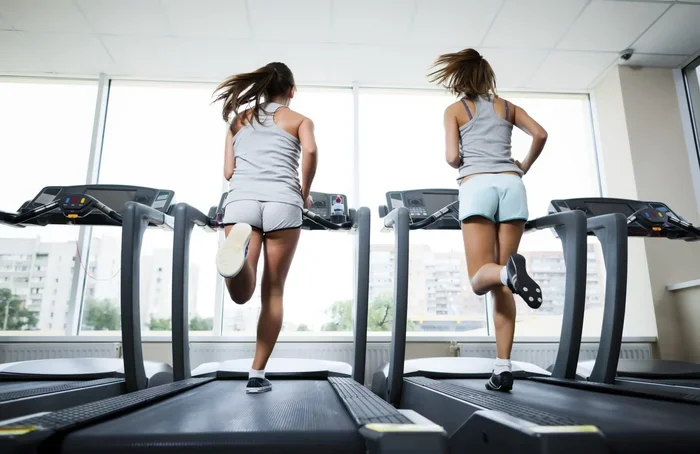
Visual guide about Can You Lose Belly Fat on an Exercise Bike
Image source: s.yimg.com
Understanding the Fat-Burning Zone Myth
You’ve probably heard you need to exercise in the “fat-burning zone” (around 60-70% max heart rate) to lose fat. There’s a grain of truth: at lower intensities, a higher *percentage* of calories burned comes from fat. But at higher intensities (like HIIT), you burn more total calories and a greater absolute amount of fat. Plus, the EPOC effect from high-intensity work continues fat burning for hours. So, a mix of both is ideal.
Using Heart Rate as Your Guide
Invest in a heart rate monitor. It’s the most honest feedback you’ll get. Calculate your approximate max heart rate (220 – your age). For HIIT, you want to hit 85-95% of that max during your sprints. For steady-state, aim for 65-75%. This ensures you’re training effectively for your goals.
The Importance of Duration and Frequency
For significant fat loss, the American College of Sports Medicine recommends 150-300 minutes of moderate-intensity cardio per week, or 75-150 minutes of vigorous-intensity (like HIIT). A great weekly plan could look like:
- Monday: HIIT (25 min)
- Tuesday: Steady-State (45 min)
- Wednesday: Rest or light active recovery (walk)
- Thursday: HIIT (25 min)
- Friday: Steady-State (45 min)
- Saturday: Optional fun ride or strength training
- Sunday: Rest
This hits the sweet spot of frequency and variety to maximize fat oxidation.
The Critical, Non-Negotiable Role of Nutrition
I cannot stress this enough: you cannot out-exercise a bad diet. The exercise bike creates the opportunity for a deficit, but nutrition creates the reality. You could kill yourself on the bike for an hour, burning 500 calories, and undo it all with one fancy coffee and a pastry.
Crafting Your Calorie Deficit
First, estimate your Total Daily Energy Expenditure (TDEE) using an online calculator. Then, subtract 300-500 calories from that number for a sustainable deficit. A 500-calorie daily deficit leads to ~1 lb of fat loss per week. Track your food intake for a week using an app like MyFitnessPal to see where you truly stand. You’ll likely be surprised.
Prioritize Protein and Fiber
When in a deficit, preserving muscle is crucial. Muscle burns more calories at rest. Aim for 0.7-1 gram of protein per pound of body weight. Include a protein source (chicken, fish, eggs, tofu, Greek yogurt) with every meal. Fiber (from vegetables, fruits, whole grains) keeps you full, aids digestion, and helps regulate blood sugar, all vital for managing belly fat.
Minimize Processed Foods and Liquid Calories
Sugary drinks, refined carbs (white bread, pasta), and ultra-processed snacks spike insulin and promote fat storage, especially around the abdomen. Focus on whole, single-ingredient foods. Swap soda for water, chips for nuts, and candy for berries. This is the single most impactful dietary change you can make for a flatter belly.
Beyond the Bike: The Holistic Approach to a Flatter Stomach
The bike is your engine, but you need a full system to get where you’re going.
Strength Training is Your Secret Weapon
Do not neglect resistance training. Building muscle, even a few pounds, significantly boosts your resting metabolism. A higher muscle mass means you burn more calories 24/7, making your fat loss easier. Incorporate 2-3 full-body strength sessions per week (squats, lunges, push-ups, rows). This also directly shapes your physique as the fat comes off, preventing the “skinny fat” look.
Master Your Sleep and Stress
As mentioned, cortisol is a belly fat promoter. Chronic stress and less than 7 hours of sleep per night raise cortisol and increase cravings for junk food. Your bike workouts are a fantastic stress reliever, but pair them with deliberate practices: meditation, deep breathing, reading, or a consistent bedtime routine. Prioritize sleep as fiercely as your workouts.
Hydration and Patience
Drink plenty of water. It aids metabolism, digestion, and can reduce water retention, making your stomach appear less bloated. Finally, be patient. Belly fat is often the most stubborn. Trust the process. If you are consistent with your bike workouts, your diet, and your recovery, the scale will move, your clothes will fit better, and your waistline will shrink. Measure progress with a tape measure and photos, not just the scale, as the scale can be misleading due to water weight and muscle gain.
Conclusion: Your Bike, Your Journey
So, can you lose belly fat on an exercise bike? Absolutely. It is a proven, accessible, and joint-friendly method to burn calories, improve cardiovascular health, and create the energy deficit necessary for fat loss. The bike is your ticket to consistent, high-quality cardio. But remember, it’s one part of a three-legged stool: Exercise + Nutrition + Recovery. Hop on that bike with a plan—mix HIIT and steady-state, push yourself with progressive overload, and track your heart rate. Then, step off the bike and nourish your body with clean protein and vegetables, manage your stress, and get your sleep. This integrated approach doesn’t just help you lose belly fat; it builds a healthier, more energetic, and more resilient you. Start where you are, be consistent, and let the bike pedal you toward your goals.
Frequently Asked Questions
How long should I cycle on an exercise bike each day to lose belly fat?
For effective fat loss, aim for 30-45 minutes per session, 4-5 days a week. This can be a mix of 20-25 minutes of high-intensity interval training (HIIT) and 45-60 minutes of steady-state riding. Consistency over many weeks is more important than one extremely long session.
How quickly will I see belly fat loss from using an exercise bike?
With a consistent calorie deficit created by biking and diet, you may notice clothes fitting looser within 2-4 weeks. Visible changes in belly fat often take 4-8 weeks or more, as belly fat is typically the last to go. Be patient and focus on non-scale victories like increased energy and endurance.
Can I specifically target belly fat by cycling in certain ways?
No. Spot reduction is a myth. Cycling burns calories and reduces overall body fat. As your total body fat percentage decreases, your belly fat will also reduce. However, engaging your core while cycling (keeping your torso stable) strengthens those muscles, which will become more visible as the fat layer shrinks.
Is it better to do HIIT or long, slow rides on the bike for belly fat?
A combination is best. HIIT (e.g., 30-sec sprints with recovery) is highly efficient, burns more fat in less time, and boosts metabolism for hours. Long, steady-state rides burn a high total number of calories and build aerobic endurance. Use HIIT 2-3 times a week and steady-state 1-2 times for optimal results.
Do I need to diet, or will just using the exercise bike be enough?
Diet is essential. You can create a calorie deficit with exercise alone, but it’s much harder and less efficient. Combining the calorie burn from your bike with a slight dietary deficit (eating 300-500 fewer calories) is the fastest, most sustainable way to lose belly fat. Nutrition is the foundation.
Should I use the exercise bike or a treadmill to lose belly fat?
Both are excellent cardio tools. The key advantage of the exercise bike is its low-impact nature, which is easier on joints and allows for higher frequency and adherence, especially for beginners or those with joint issues. The best choice is the one you will use consistently. The bike often wins on practicality and sustainability for home use.