Is It Better to Use a Weighted Jump Rope
Weighted jump ropes can boost calorie burn, improve strength, and sharpen coordination, making them a powerful tool for many athletes. However, they’re not a one‑size‑fits‑all solution—proper technique, gradual progression, and personal goals determine whether they’re better for you.
Key Takeaways
- Higher calorie burn: The added weight forces muscles to work harder, increasing energy expenditure.
- Strengthens upper body: Wrists, forearms, and shoulders engage more than with a light rope.
- Improves coordination: The inertia of a weighted rope challenges timing and rhythm.
- Risk of injury: Poor form or too much weight can strain joints and muscles.
- Progressive loading works best: Start light and increase weight gradually for safe gains.
- Not essential for everyone: Beginners and low‑impact seekers may benefit more from a standard rope.
- Choose quality: Durable bearings, ergonomic handles, and adjustable length are key factors.
📑 Table of Contents
Introduction: Why the Question Matters
Jump rope is one of the oldest, simplest, and most effective cardio tools on the planet. In recent years, the market has been flooded with variations—speed ropes, beaded ropes, and the ever‑popular weighted jump rope. If you’ve walked into a gym and seen athletes swinging thick, metal‑capped cords, you’ve probably wondered: Is it better to use a weighted jump rope?
Answering that question isn’t as straightforward as a “yes” or “no.” The right choice depends on your fitness level, goals, injury history, and how you plan to incorporate the rope into your routine. This article breaks down the science, the pros and cons, and practical tips so you can decide whether the extra heft belongs in your workout bag.
How a Weighted Jump Rope Works
What makes a rope “weighted”?
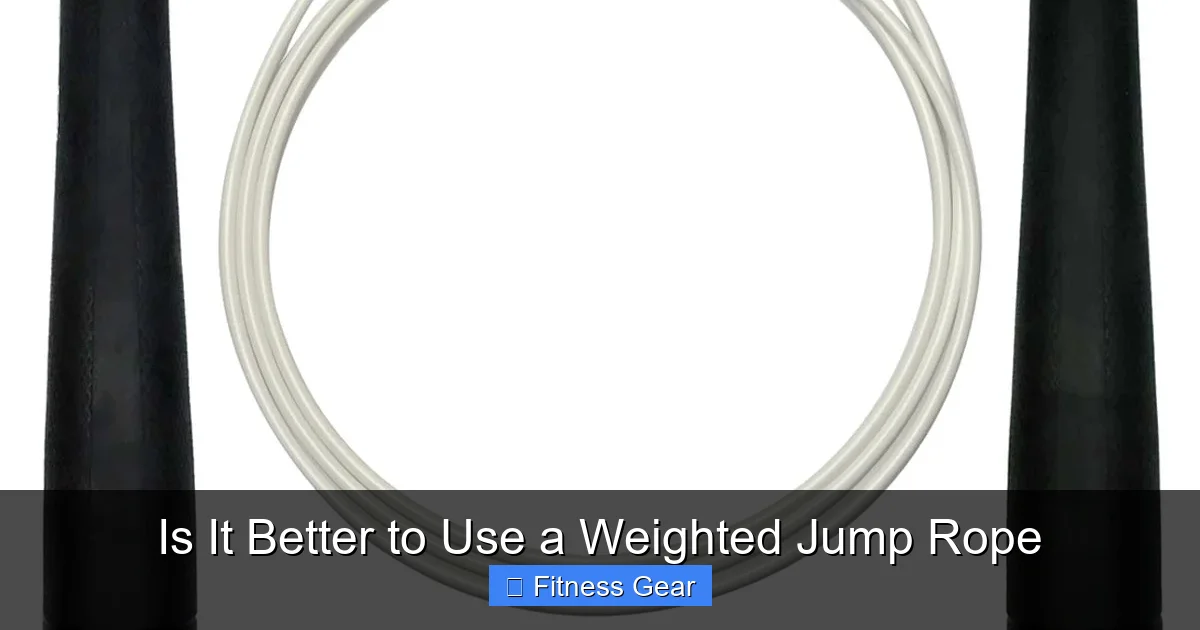
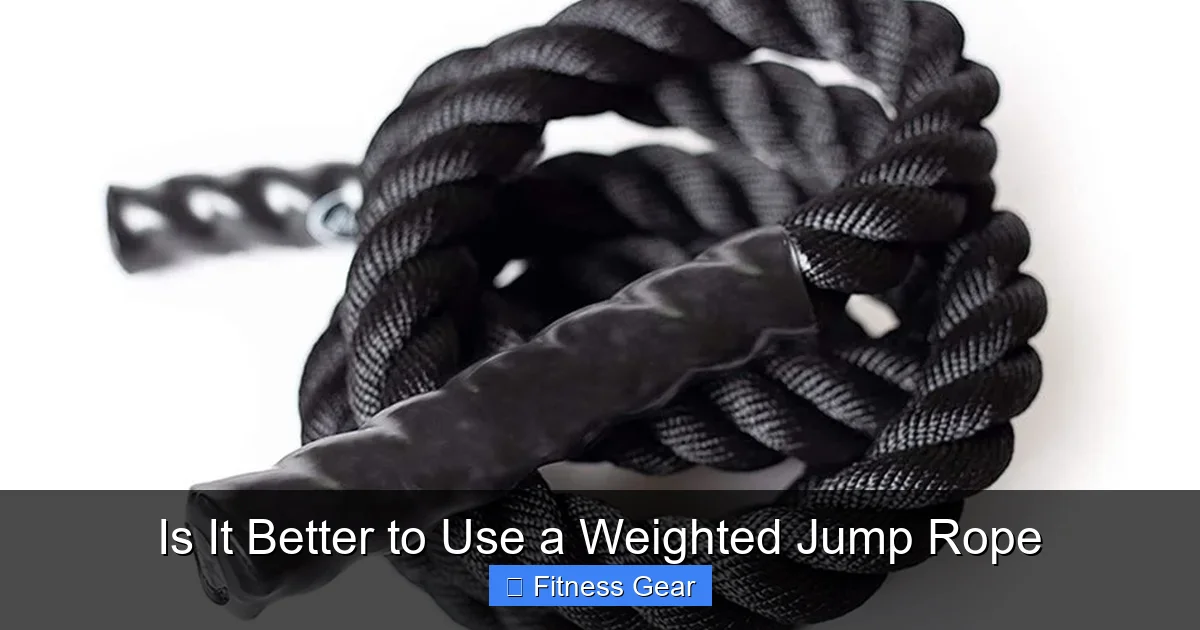
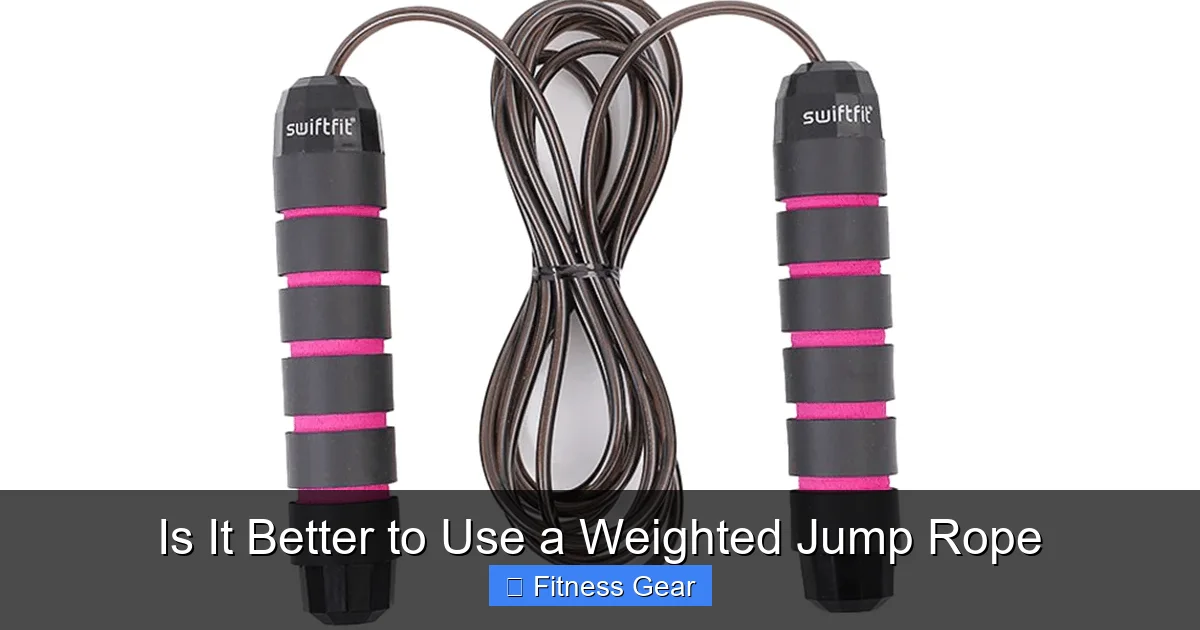
Unlike a standard speed rope that may weigh just 50‑100 grams, a weighted jump rope adds mass to the handles, the rope, or both. The weight can range from 200 grams to over 1 kilogram. Most designs use:
Visual guide about Is It Better to Use a Weighted Jump Rope
Image source: wavar.com
- Weighted handles: Cast‑iron or steel cylinders filled with sand or steel shot.
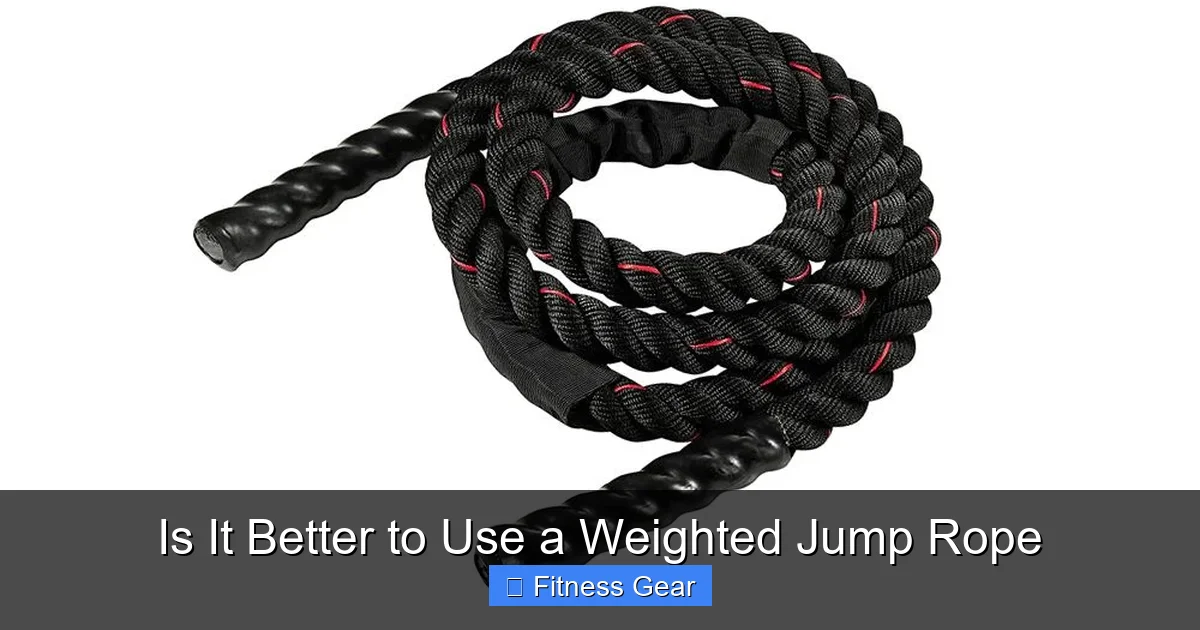
- Weighted rope: Cable or PVC coated with metal beads or silicone that adds resistance.
- Hybrid designs: Both handles and rope contain extra mass.
The physics behind the extra effort
When you swing a rope, you’re creating angular momentum. Adding weight increases the rope’s moment of inertia, meaning it resists changes in motion more strongly. To keep the rope moving, your wrists, forearms, and shoulders must generate more torque. That extra muscular demand translates into higher calorie burn and greater strength stimulus.
Benefits of Using a Weighted Jump Rope
1. Burns More Calories in Less Time
Studies comparing weighted versus non‑weighted ropes show a 10‑15 % increase in oxygen consumption at the same speed. In plain English, you’re burning more calories while doing the same amount of jumping. For busy people, that efficiency is gold.
Visual guide about Is It Better to Use a Weighted Jump Rope
Image source: alssports.vtexassets.com
2. Builds Upper‑Body Strength
The added mass forces the forearms, biceps, triceps, and even the deltoids to work harder. Over weeks of consistent use, you’ll notice stronger grip, more defined forearms, and better shoulder stability—benefits that carry over to weightlifting, climbing, and everyday tasks.
3. Enhances Coordination and Timing
Because a heavier rope swings slower, you must time your jumps more precisely. This improves proprioception (your body’s sense of position) and can make you a more agile athlete in sports that require quick footwork, such as boxing, basketball, and martial arts.
4. Improves Bone Density
Jumping is a high‑impact activity. Adding weight creates slightly higher ground‑reaction forces, which can stimulate bone remodeling. For adults over 30, this is a subtle but valuable way to support bone health.
5. Versatile Training Tool
Weighted ropes aren’t just for cardio. You can use them for:
- Strength circuits: Combine 30‑second bursts with push‑ups or kettlebell swings.
- HIIT intervals: Alternate 20 seconds of fast jumps with 10 seconds of rest.
- Skill drills: Practice double‑unders, cross‑overs, or side‑swings to improve technique.
Potential Drawbacks and Risks
1. Increased Joint Stress
The extra weight amplifies the impact on ankles, knees, and hips. If you have existing joint issues, the higher forces could aggravate pain or inflammation. A good rule of thumb: start with a light rope and monitor how your joints feel.
Visual guide about Is It Better to Use a Weighted Jump Rope
Image source: wavar.com
2. Technique Becomes Critical
Because the rope swings slower, beginners often develop a “big arm” motion instead of the efficient wrist‑driven flick. This can lead to shoulder fatigue and reduced efficiency. Proper form training is essential before adding weight.
3. Not Ideal for All Workouts
If your primary goal is speed—think fast double‑unders for a CrossFit WOD—a heavy rope will slow you down. For pure speed work, a thin speed rope remains the better choice.
4. Higher Cost and Maintenance
Weighted ropes tend to be pricier (often $30‑$80) and require more upkeep. Bearings can wear out, and the handles may become uncomfortable if the weight shifts inside.
How to Choose the Right Weighted Jump Rope
Determine Your Goal
Ask yourself:
- Do I want to increase calorie burn?
- Am I looking to build forearm strength?
- Do I need a tool for HIIT or skill practice?
Your answer will guide the weight range. For general fitness, 200‑400 grams is a sweet spot. For strength‑focused sessions, 500‑800 grams works well.
Consider Handle Design
Ergonomic, rubber‑coated handles reduce slipping and protect your hands. Look for:
- Ball‑bearing rotators: Provide smooth spin, essential for speed work.
- Adjustable weight inserts: Some ropes let you add or remove sand/metal to fine‑tune the load.
Rope Material Matters
Heavy‑duty PVC or steel‑cored cables last longer than cheap nylon. If you plan to practice double‑unders, choose a rope that won’t kink easily.
Length Is Key
Stand on the rope’s center and pull the handles up to your armpits. That’s the ideal length for most adults. Many weighted ropes come with a sliding knot or adjustable cord to customize length.
Getting Started: A Step‑by‑Step Guide
Step 1: Start Light
If you’re new to weighted ropes, begin with a 200‑gram rope or a standard rope with light handles. Practice basic jumps—two‑foot hop, alternating foot, and side‑swing—for 5‑10 minutes.
Step 2: Master Form
Key points:
- Posture: Keep shoulders relaxed, elbows close to the body.
- Wrist motion: Use a quick flick of the wrists, not big arm swings.
- Landing: Stay on the balls of your feet, knees slightly bent.
Step 3: Add Weight Gradually
After two weeks of consistent practice, increase the weight by 100‑200 grams. Notice how the rope feels; if you’re straining, step back to the previous weight for a few sessions.
Step 4: Build a Routine
Sample 20‑minute weighted rope workout:
- Warm‑up: 3 minutes of easy jumping (no weight).
- Round 1: 30 seconds fast jumps, 30 seconds rest (repeat 4×).
- Round 2: 45 seconds of double‑unders, 15 seconds rest (repeat 3×).
- Round 3: 60 seconds of high‑knees while jumping, 30 seconds rest (repeat 2×).
- Cool‑down: 3 minutes of light foot‑taps and stretching.
Step 5: Track Progress
Use a simple log: date, rope weight, duration, and how you felt. Over weeks, you’ll see improvements in speed, endurance, and strength.
When to Skip the Weighted Rope
Injury Recovery
If you’re rehabilitating ankle, knee, or shoulder injuries, the extra impact may delay healing. Stick to low‑impact cardio like cycling or a light rope without added weight.
Pure Speed Training
For athletes who need maximum speed—such as competitive boxers working on rapid double‑unders—a lightweight speed rope is optimal.
Beginners with Limited Coordination
New jump‑rope users should first master rhythm with a basic rope. Adding weight too early can reinforce bad habits and cause frustration.
Conclusion: The Verdict
So, is it better to use a weighted jump rope? The answer is nuanced. If you want to burn more calories, build upper‑body strength, and improve coordination, a weighted rope can be a fantastic addition to your toolbox. However, it isn’t a universal upgrade. Beginners, injury‑prone individuals, and athletes who need pure speed may benefit more from a lighter rope.
The smartest approach is to start light, focus on perfect form, and gradually increase weight as your body adapts. Treat the rope as a progressive resistance tool—just like plates on a barbell—and you’ll reap the rewards without unnecessary risk.
Frequently Asked Questions
Does a weighted jump rope burn more calories than a regular rope?
Yes. The extra mass forces your muscles to work harder, increasing oxygen consumption and calorie burn by roughly 10‑15 % at the same pace.
Can I use a weighted rope for double‑unders?
You can, but heavier ropes swing slower, making double‑unders more challenging. Many athletes start with a light rope for speed work and switch to a weighted rope for strength‑focused sessions.
What is the ideal weight for a beginner?
Beginners should start with 200‑300 grams total weight. This provides enough resistance to feel the benefits without overwhelming the joints.
Will a weighted rope improve my grip strength?
Absolutely. Holding heavier handles engages the forearms and hand muscles, leading to noticeable grip improvements over several weeks.
Is a weighted rope safe for people with joint problems?
It can be, but proceed with caution. Start with a very light rope, focus on soft landings, and stop if you feel joint pain. Consulting a physiotherapist is advisable.
How often should I train with a weighted jump rope?
Two to three sessions per week, each lasting 15‑20 minutes, is sufficient for most people. Allow at least one rest day between sessions to let muscles recover.