Can You Lose Weight by Using an Exercise Bike
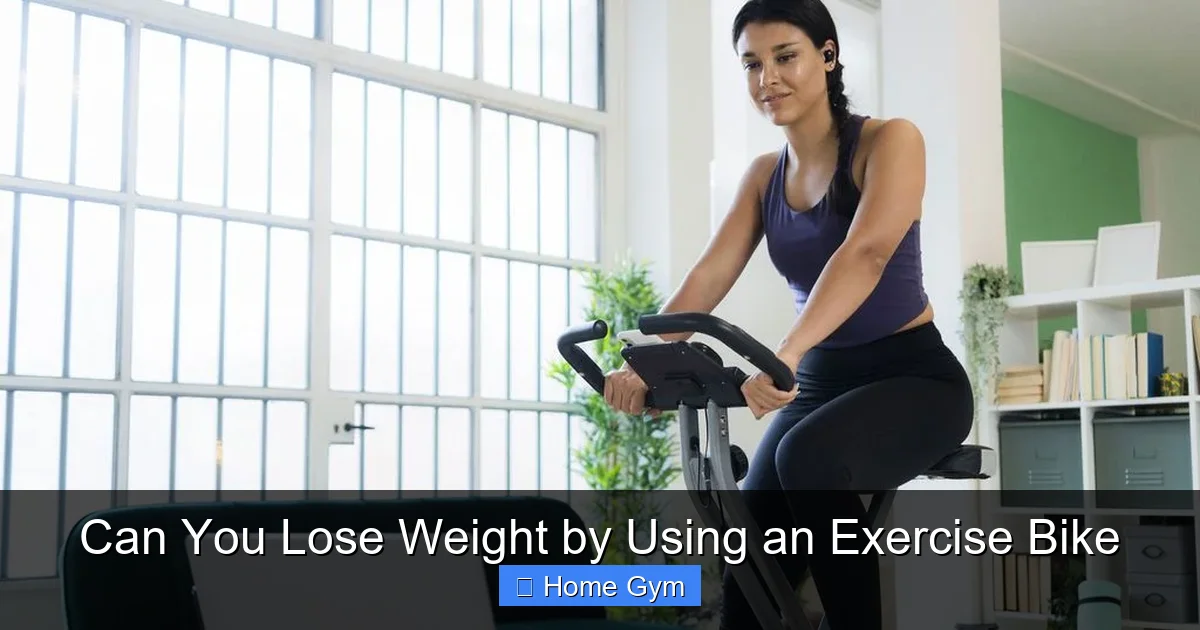
Yes, you can absolutely lose weight by using an exercise bike. It’s a highly effective, low-impact tool for burning a significant number of calories, improving cardiovascular health, and building leg muscle. When combined with a consistent schedule and a balanced diet, an exercise bike can create the calorie deficit necessary for fat loss. Its convenience and joint-friendly nature make it easier to stick to long-term, which is the real key to successful and lasting weight loss.
Key Takeaways
- Calorie Deficit is King: Weight loss happens when you burn more calories than you consume. An exercise bike is a powerful tool to increase your daily calorie burn.
- Consistency Trumps Intensity: Regular, moderate rides (e.g., 30-45 minutes, 4-5 times a week) are more effective for sustainable weight loss than sporadic, extreme workouts.
- HIIT Supercharges Results: Incorporating High-Intensity Interval Training on your bike burns more calories in less time and creates an “afterburn effect” (EPOC) where your metabolism stays elevated post-workout.
- It Builds Lean Muscle: Pedaling engages your quads, hamstrings, glutes, and calves. More muscle means a higher resting metabolic rate, helping you burn more calories even at rest.
- Sustainability is Critical: The bike’s low-impact nature and home convenience reduce barriers like weather, gym intimidation, or joint pain, making it easier to form a lifelong habit.
- Nutrition is Non-Negotiable: You cannot out-exercise a poor diet. Pair your cycling routine with mindful eating, protein focus, and whole foods for optimal fat loss.
- Track Progress Beyond the Scale: Monitor improvements in endurance, speed, resistance levels, and body measurements. The scale can be misleading due to muscle gain and water fluctuations.
📑 Table of Contents
- How Weight Loss Really Works: The Simple Science
- Why the Exercise Bike is a Weight Loss Powerhouse
- Crafting Your Weight-Loss Cycling Plan
- Maximizing Your Results: Beyond Just Pedaling
- The Inescapable Importance of Nutrition
- Debunking Myths and Setting Realistic Expectations
- Conclusion: Your Pedal-Powered Path to a Lighter You
How Weight Loss Really Works: The Simple Science
Before we dive into the bike, let’s get the fundamental rule straight in our minds. Weight loss, at its core, is not magic. It’s simple physics: calories in versus calories out. You lose weight when you create a “calorie deficit,” meaning your body burns more energy than you provide through food and drink. Your body then taps into stored fat for that extra energy, leading to fat loss.
This is where exercise, and specifically an exercise bike, comes into play. It directly increases your “calories out” side of the equation. But it’s not just about the calories burned during the 30-minute ride. Exercise, particularly when it builds muscle, boosts your Basal Metabolic Rate (BMR)—the number of calories your body burns at rest. More muscle means a higher BMR. So, the bike helps in two ways: immediate burn and long-term metabolic boost.
The Role of Muscle in Fat Loss
Many people think “cardio” only burns calories, but that’s half the story. While steady-state cardio like a long bike ride is excellent for burning fuel during the activity, it doesn’t build significant muscle. Resistance training does. An exercise bike, especially when you increase resistance to simulate hills, acts as a form of resistance training for your lower body. This stimulates muscle growth in your legs and glutes. That new muscle tissue is metabolically active, meaning it demands calories even when you’re sitting on the couch. This dual benefit—calorie burn during the ride and a slight metabolic increase from new muscle—makes the bike a formidable weight-loss ally.
Why the Exercise Bike is a Weight Loss Powerhouse
So, we know exercise helps. But why choose an exercise bike over running, a treadmill, or an elliptical? The advantages are significant, especially for someone focused on sustainable weight loss.
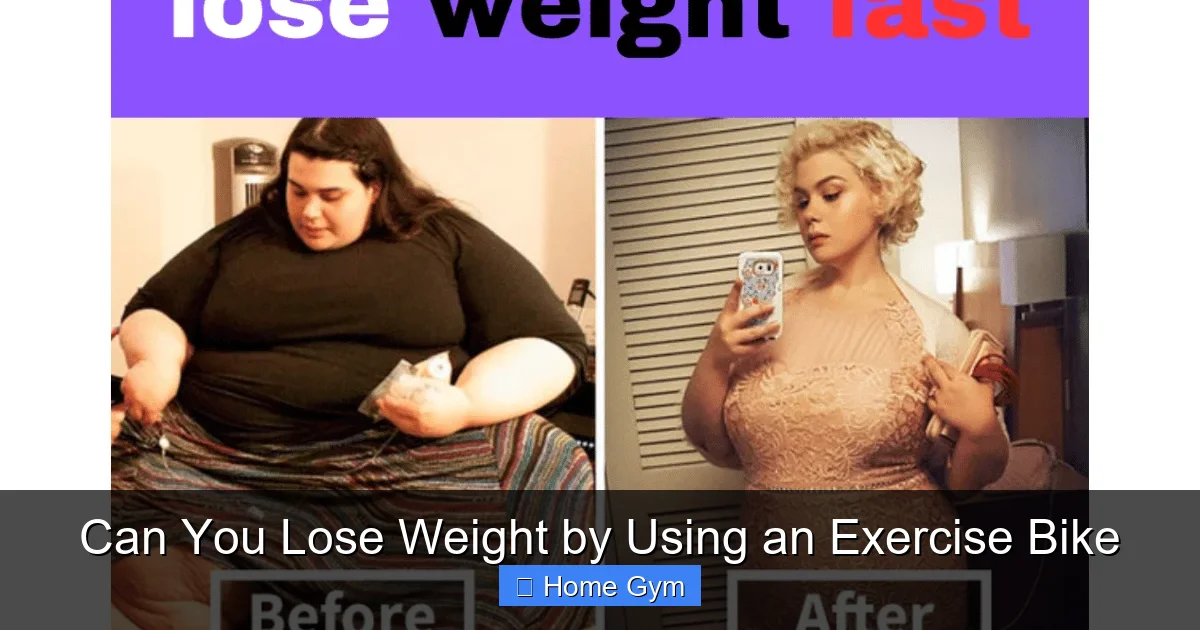
Visual guide about Can You Lose Weight by Using an Exercise Bike
Image source: english.cpe3035.com
Low-Impact, High-Results
This is the bike’s #1 selling point for weight loss. Running and jumping place significant stress on your ankles, knees, and hips. If you’re carrying extra weight, that stress is multiplied. This can lead to pain, injury, and ultimately, quitting. Cycling is virtually non-impact. Your joints are supported, and the motion is smooth. This means you can exercise more frequently, for longer durations, without the downtime needed for recovery from injuries. Consistency is the holy grail of weight loss, and the bike removes a major barrier to it.
Unmatched Convenience and Accessibility
Think about the barriers to going for a run: bad weather, needing to drive to a gym or trail, daylight hours, safety concerns. With an exercise bike at home, those barriers vanish. You can hop on for a 20-minute session while dinner cooks, first thing in the morning, or during a TV commercial break. This “snackable” exercise model is incredibly powerful for building a habit. The easier you make it to do the workout, the more likely you are to actually do it. No more “I don’t have time to go to the gym.” You have 30 minutes? You have time for a bike ride.
Precise Control and Measurable Progress
On a bike, you control every variable: resistance (how hard it feels), cadence (how fast you pedal), and time. Most modern bikes and apps provide metrics like distance, calories burned, heart rate, and watts (power output). This data is gold. You can see your progress in black and white: “Last week I burned 300 calories in 30 minutes at resistance 5. This week I burned 320 at resistance 6.” This measurable feedback is motivating and helps you systematically push your limits, ensuring you’re progressively challenging your body to avoid plateaus.
It’s a Gateway to Better Cardio
For many, starting a weight loss journey means starting a cardio journey. The bike is often less intimidating than a treadmill for beginners. You can sit down! You can control the pace completely. This builds confidence and cardiovascular endurance safely. As your fitness improves, you can seamlessly increase the challenge, turning that beginner-friendly session into a heart-pumping, fat-burning powerhouse.
Crafting Your Weight-Loss Cycling Plan
Knowing the “why” is easy. The “how” is where results are made. A vague plan of “ride sometimes” will lead to vague results. You need a structured approach. Here’s how to build a plan that actually works for fat loss.
Visual guide about Can You Lose Weight by Using an Exercise Bike
Image source: cdn.shortpixel.ai
Frequency and Duration: The Foundation
For effective weight loss, aim for 4-5 sessions per week. Each session should be between 30 and 60 minutes. If you’re new, start with 20-30 minutes at a comfortable pace and build up. The total weekly time commitment should be at least 150 minutes of moderate-intensity activity, as per health guidelines, but for weight loss, you’ll likely need more—closer to 250-300 minutes. Don’t be scared by these numbers; you can split them up. Two 30-minute sessions in one day count just as much as one 60-minute session. The key is consistency over the week.
Intensity Matters: Mixing It Up
Not all rides are created equal. To maximize fat loss and prevent your body from adapting (which causes plateaus), you must vary your intensity. Structure your week like this:
- 2 Days of Steady-State Endurance (Base Building): These are your longer, 45-60 minute rides at a pace where you can hold a conversation (moderate intensity). This builds aerobic capacity and burns a high number of calories directly. It’s the bread and butter of your routine.
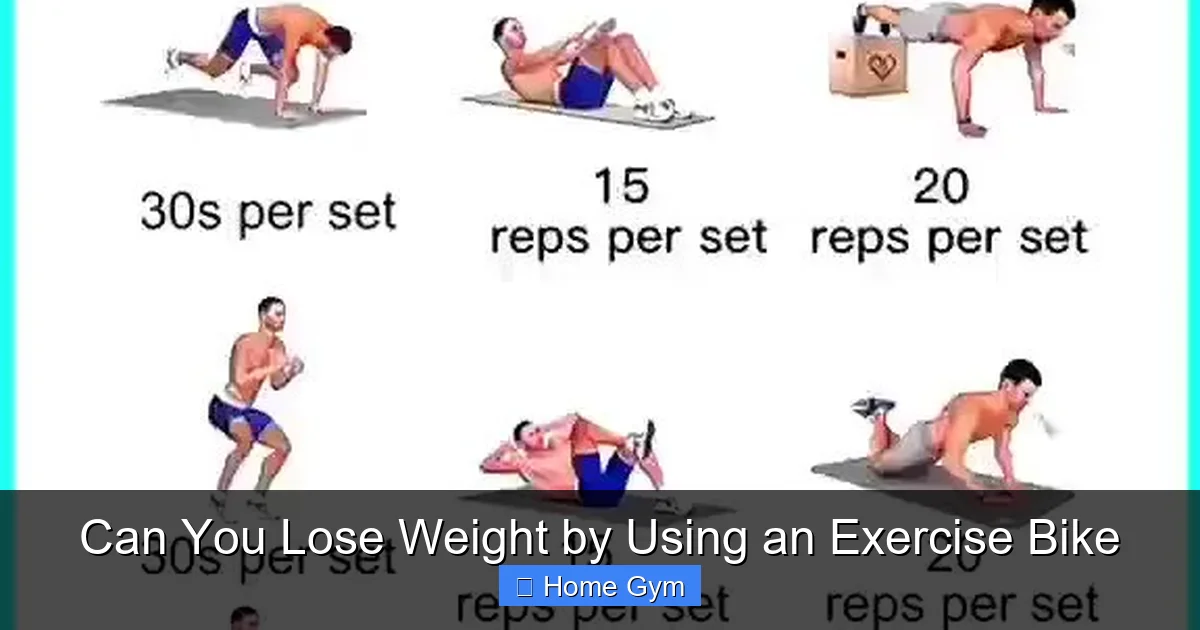
- 1-2 Days of High-Intensity Interval Training (HIIT): This is where the magic happens for metabolic boost. A typical HIIT session on the bike might be: 5-minute warm-up, then 8-10 rounds of 30 seconds of ALL-OUT sprinting (very high resistance or very fast cadence) followed by 60-90 seconds of easy recovery pedaling, then a 5-minute cool-down. The entire session lasts 20-25 minutes. The intense bursts create Excess Post-exercise Oxygen Consumption (EPOC), meaning your body continues to burn extra calories for hours after the workout.
- 1 Day of Active Recovery or Hill Simulation: A very light 20-30 minute spin with almost no resistance, just to move blood and aid recovery. Alternatively, a “hill day” where you maintain a steady, challenging resistance for 30-45 minutes to build leg strength and muscle.
Progressive Overload: Keep Challenging Your Body
Your body is smart. It adapts quickly. If you do the same 30-minute ride at the same resistance every single day for a month, you’ll burn fewer calories by week four because your body has become efficient at it. You must progressively overload. Each week, try to add one of these small challenges:
- Add 5 minutes to your steady-state ride.
- Increase the resistance by one level on your hill climbs.
- During your HIIT sprints, try to hold the top speed for 5 seconds longer.
- Increase your average cadence (RPM) by 5.
Small, weekly improvements lead to significant long-term results.
Maximizing Your Results: Beyond Just Pedaling
Riding the bike is the engine, but there are other levers to pull to ensure you’re getting the absolute most fat-loss benefit from your efforts.
Visual guide about Can You Lose Weight by Using an Exercise Bike
Image source: pbs.twimg.com
Heart Rate Zones: Your Secret Weapon
If your bike has a heart rate monitor, use it! Training in specific heart rate zones targets different energy systems. For weight loss, you want to spend most of your time in Zones 2 and 3 (typically 60-80% of your max heart rate). Zone 2 is the “fat-burning zone” where your body efficiently uses fat as fuel. Zone 3 is more carbohydrate-focused but burns more total calories. A good mix is ideal. You can estimate your max heart rate as 220 minus your age. A 40-year-old would have an estimated max of 180 bpm. Zone 2 would be roughly 108-144 bpm. Use this to ensure you’re working hard enough on HIIT days and not overdoing it on recovery days.
Fueling Your Rides Correctly
What you eat before and after your ride matters for performance and recovery, which in turn affects weight loss. Do not ride on an empty stomach unless it’s a very short, light session. You need fuel to push hard. Eat a small, easily digestible carb-based snack 30-60 minutes before (e.g., a banana, a slice of toast with jam, a small oatmeal). After your ride, especially if it was intense or long, consume a mix of protein and carbs within 45-60 minutes (e.g., a protein shake, Greek yogurt with berries, chicken with sweet potato). This replenishes glycogen stores and provides protein to repair and build the muscle you just worked. This recovery is crucial for keeping your metabolism high.
Posture and Form: Efficiency = More Burn
Proper form prevents injury and makes your ride more effective. Adjust your seat height so your leg has a slight bend at the bottom of the pedal stroke. Keep your back straight, shoulders relaxed, and elbows soft. Engage your core! Don’t just swing your legs; press through the entire pedal stroke, imagining you’re scraping mud off your shoe at the bottom. This engages more muscle fibers, especially your glutes and hamstrings, leading to a greater overall strength and calorie-burning benefit.
The Inescapable Importance of Nutrition
I must be brutally clear here: you cannot out-exercise a bad diet. You could kill yourself on the bike for an hour and burn 600 calories, but then drink a large sugary coffee and eat a muffin, and you’ve just erased that entire deficit, possibly even gone into a surplus. The exercise bike creates the opportunity for a deficit; your diet determines if that opportunity becomes reality.
Focus on Protein and Volume
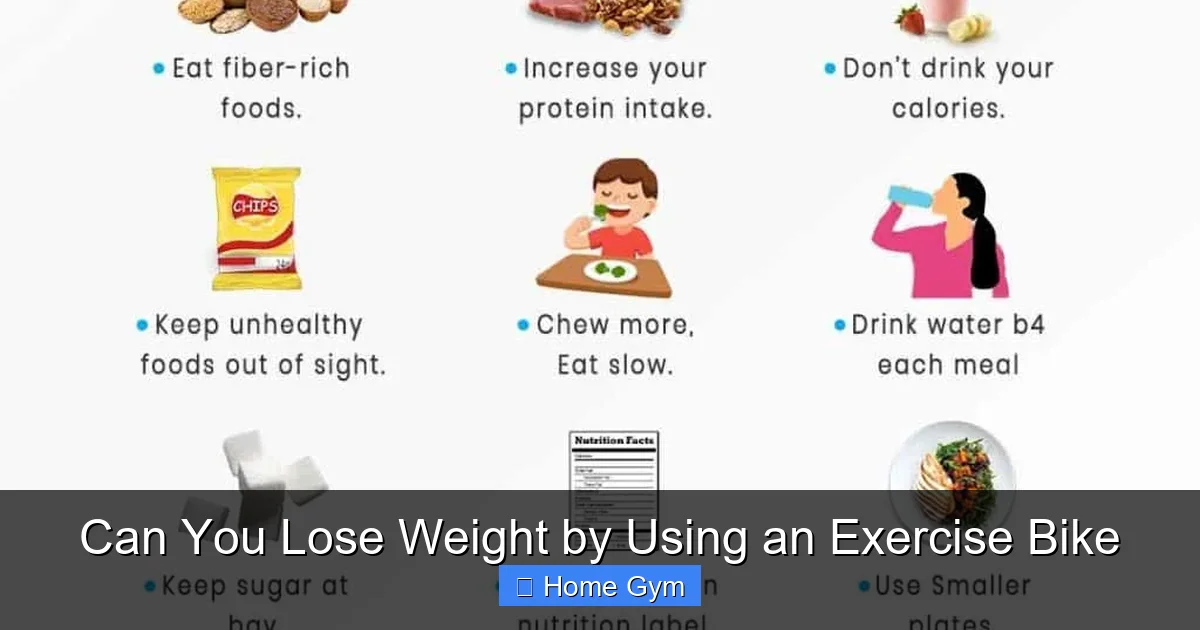
For weight loss, your diet should prioritize two things: protein and fiber. Protein is satiating (keeps you full), has a high thermic effect (your body burns more calories digesting it), and is essential for muscle repair from your rides. Aim for a source of lean protein (chicken, fish, tofu, eggs, Greek yogurt, lentils) with every meal. Volume means eating foods with high water and fiber content that fill your stomach for fewer calories—vegetables, fruits, broth-based soups, salads. This helps you feel satisfied on fewer calories, making the deficit easier to maintain.
Mindful Tracking, Not Obsessive Counting
You don’t have to meticulously count every calorie forever. But for the first few weeks, use a tracking app like MyFitnessPal or Cronometer to get a true picture of your intake. You might be shocked at how many “little things” add up. The goal is awareness. Once you understand portion sizes and the calorie content of your common foods, you can often maintain a deficit with intuitive eating. But the initial tracking phase is invaluable education.
Hydration is Part of the Plan
Often, thirst is mistaken for hunger. Drinking plenty of water throughout the day (aim for 2-3 liters) can curb unnecessary snacking. It’s also critical for performance on the bike—dehydration leads to early fatigue and a weaker workout, meaning fewer calories burned. Keep a water bottle handy and sip consistently.
Debunking Myths and Setting Realistic Expectations
Let’s clear the air on some common misconceptions about exercise bikes and weight loss.
Myth: The Bike Will Make You “Bulky”
This is a major fear, especially among women. It’s nearly impossible to get “bulky” legs from cycling alone. Building significant muscle mass requires a heavy caloric surplus and specific, heavy resistance training. Cycling, even with high resistance, will tone and strengthen your legs, giving them a sleek, athletic look. It builds lean, endurance-based muscle, not the bulky mass of a bodybuilder. You will look firmer and more shaped, not oversized.
Myth: You Can Spot-Reduce Belly Fat
No. You cannot choose where your body loses fat. Doing a million crunches or cycling until your legs burn will not specifically melt belly fat. Fat loss occurs systemically, determined by genetics and hormones. However, a consistent calorie deficit created by cycling and diet will lead to overall fat loss, and over time, you will see reductions in your belly, hips, thighs, etc. Trust the process and the deficit.
Setting a Realistic Timeline
A safe, sustainable, and maintainable rate of fat loss is 1-2 pounds per week. This requires a daily deficit of 500-1000 calories. Your bike can contribute 300-600 calories to that deficit per session. The rest must come from diet. If you’re doing everything right (consistent riding, clean diet) and not seeing the scale move for 2-3 weeks, don’t panic. Check your measurements—you may be losing inches even if the scale is stable (muscle gain, water retention). Re-evaluate your diet for hidden calories. Be patient. This is a marathon, not a sprint. The goal is a new, healthier lifestyle, not just a number on a scale.
Conclusion: Your Pedal-Powered Path to a Lighter You
So, can you lose weight by using an exercise bike? The evidence is overwhelming: yes, you absolutely can. It is one of the most practical, accessible, and joint-friendly tools available for creating the calorie expenditure needed for fat loss. Its power lies not just in the calories burned during a single session, but in its ability to foster consistency, build lean muscle, and be seamlessly integrated into daily life.
Your success will not come from a single magical 30-minute ride. It will come from lacing up (or not, since you’re at home!) and getting on that bike, again and again. It will come from pairing those rides with smart nutritional choices that support, rather than sabotage, your efforts. It will come from listening to your body, mixing up your routines with HIIT and hill climbs, and celebrating non-scale victories like climbing a new resistance level or having more energy throughout the day.
The exercise bike is more than a piece of equipment; it’s a commitment device. It sits there, ready, removing the excuses. It is your direct line to improving your cardiovascular health, strengthening your legs, and yes, shedding unwanted pounds. Start where you are. Ride for 20 minutes today. Do it again tomorrow. Build the habit. Nourish your body well. Watch what happens. The results will follow.
Frequently Asked Questions
How often should I use an exercise bike to see weight loss results?
Aim for at least 4-5 sessions per week, combining both longer steady-state rides (30-60 minutes) and shorter, high-intensity interval training (HIIT) sessions (20-30 minutes). Consistency over time is the most critical factor for seeing and maintaining weight loss results.
Is HIIT on an exercise bike better for weight loss than steady-state riding?
Both are effective but serve different purposes. HIIT burns more calories in less time and boosts your metabolism for hours after (the afterburn effect). Steady-state riding burns a high number of calories during the session and builds aerobic endurance. The optimal strategy for weight loss is to include both in your weekly routine.
Will using an exercise bike specifically reduce belly fat?
No exercise can target fat loss from a specific area (spot reduction). However, by creating a consistent calorie deficit through regular cycling and a healthy diet, your body will reduce overall fat stores, which will eventually include belly fat. Cycling is excellent for overall fat loss and toning the core muscles that stabilize your torso during the ride.
Can I build muscle just by using an exercise bike?
You can build and strengthen lean muscle in your lower body (quads, hamstrings, glutes, calves) by using high resistance on the bike. This is “endurance” or “toning” muscle, not the bulky muscle of a bodybuilder. For significant muscle hypertrophy, you would need to combine cycling with heavy weight training. The muscle you do build will help increase your resting metabolism.
How long before I see weight loss results from cycling?
This varies based on your starting point, diet consistency, and workout intensity. You may notice changes in how your clothes fit within 2-4 weeks. Visible scale weight loss of 1-2 pounds per week is a healthy and realistic expectation if you maintain a proper calorie deficit. Track measurements and photos alongside the scale for a fuller picture.
Is an exercise bike safe for complete beginners or those with joint issues?
Yes, it is one of the safest and most joint-friendly forms of cardio. The seated, circular motion eliminates impact stress on ankles, knees, and hips. Beginners should start with low resistance and shorter durations (15-20 minutes) to build fitness gradually. It’s always wise to consult with a doctor before starting any new exercise program, especially if you have pre-existing conditions.