What Does a Rowing Machine Work on Your Body
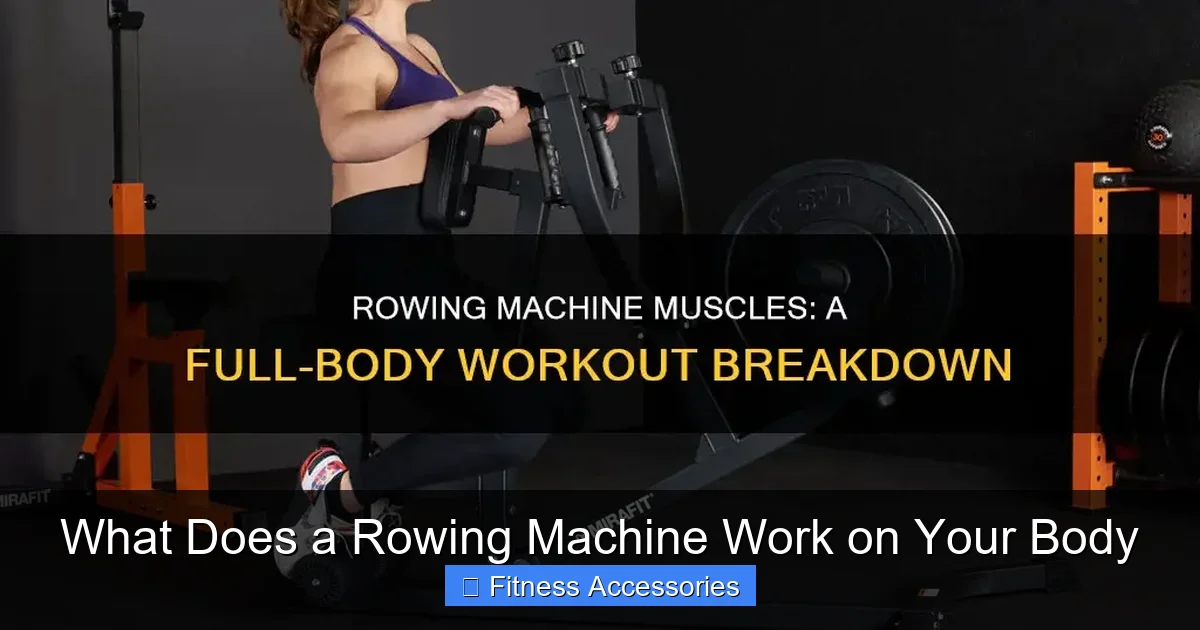
What does a rowing machine work on your body? It engages nearly every major muscle group while delivering a powerful cardio workout. From legs to core to arms, rowing builds strength, burns calories, and improves posture—all in a low‑impact routine you can do at home or the gym.
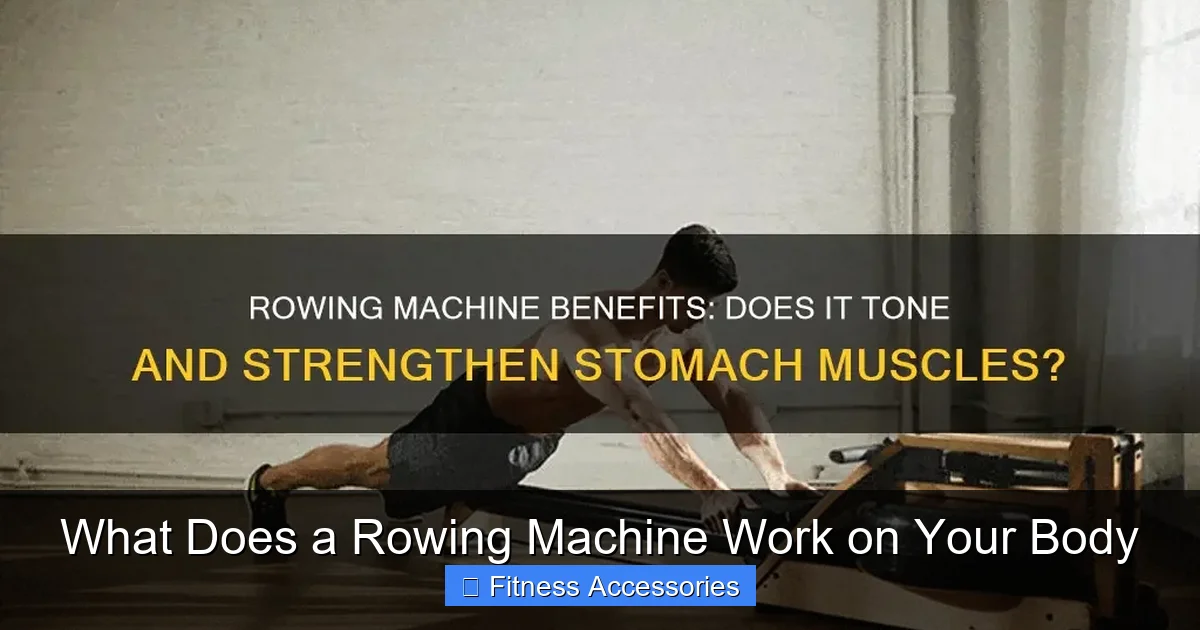
Key Takeaways
- Full‑body engagement: Rowing activates legs, core, back, and arms for balanced muscle development.
- Cardiovascular boost: Consistent rowing improves heart health and aerobic capacity.
- Low‑impact on joints: The sliding seat reduces stress, making it joint‑friendly.
- Calorie‑burning efficiency: Rowing can torch 400–800 kcal per hour depending on intensity.
- Improves posture and core stability: Strengthens the spinal erectors and abdominals.
- Customizable workouts: Resistance levels and interval programs fit any fitness goal.
- Convenient and time‑saving: One machine delivers both strength and cardio in a single session.
📑 Table of Contents
- Introduction: Why Rowing Is the Ultimate Full‑Body Workout
- 1. The Mechanics of Rowing: How the Motion Targets Muscles
- 2. Major Muscle Groups Strengthened by Rowing
- 3. Cardiovascular Benefits: More Than Just Muscle
- 4. How Rowing Improves Functional Fitness and Everyday Life
- 5. Designing an Effective Rowing Routine
- 6. Common Questions and Troubleshooting
- Conclusion: Rowing as a Holistic Body Builder
Introduction: Why Rowing Is the Ultimate Full‑Body Workout
If you’ve ever watched a rower glide across a lake, you’ve seen a perfect blend of power and elegance. That same motion, when captured by a rowing machine, translates into one of the most efficient workouts you can do indoors. What does a rowing machine work on your body? The short answer: almost everything. From the powerful push of your legs to the pull of your arms, every major muscle group gets a turn.
Beyond muscle activation, rowing delivers a high‑intensity cardiovascular challenge without pounding your knees or hips. That makes it a favorite for athletes, busy professionals, and anyone recovering from joint issues. In this article we’ll break down exactly which parts of your body benefit, how the movement works, and how to design a routine that matches your goals.
1. The Mechanics of Rowing: How the Motion Targets Muscles
1.1 The Four Phases of a Row
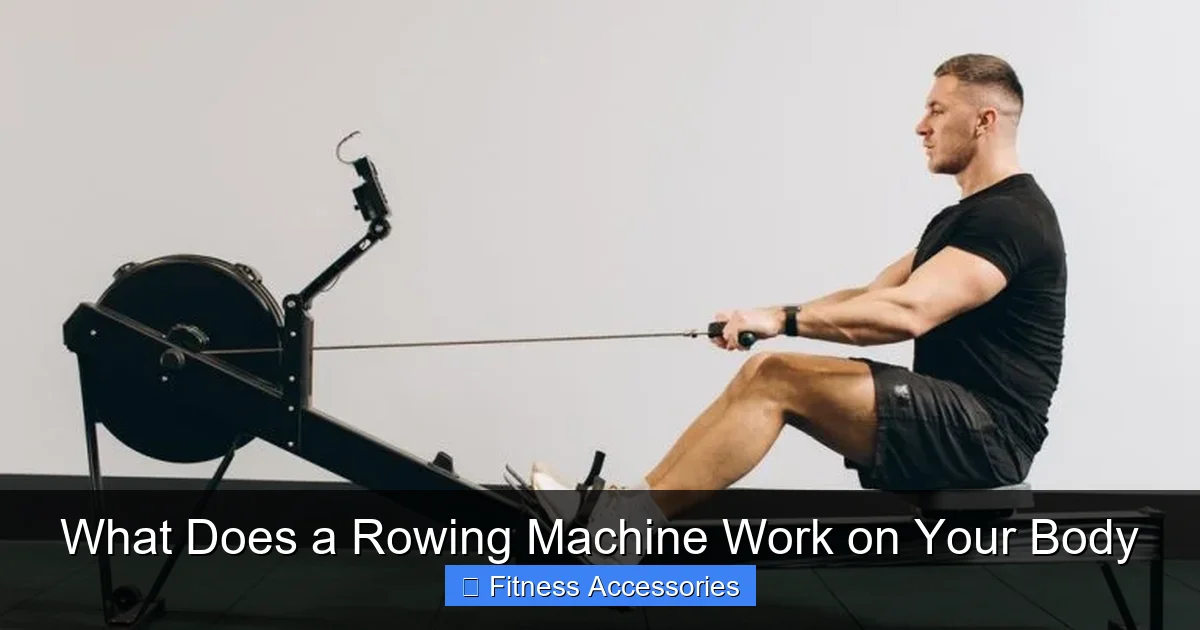
Each stroke on a rowing machine follows a repeatable sequence: the catch, drive, finish, and recovery. Understanding these phases helps you focus on the right muscles at the right time.
Visual guide about What Does a Rowing Machine Work on Your Body
Image source: muscleandstrong.com
- Catch: You sit tall, shins vertical, arms extended, and torso slightly leaned forward. This sets the stage for a powerful leg push.
- Drive: Push through the heels, extending the knees while keeping the back straight. As the legs straighten, tilt the torso back and finally pull the handle to the chest.
- Finish: Legs are fully extended, torso slightly leaned back, and elbows drawn in. This is the point of maximum contraction.
- Recovery: Reverse the motion—arms extend, torso leans forward, then knees bend, returning to the catch.
1.2 Muscles Engaged in Each Phase
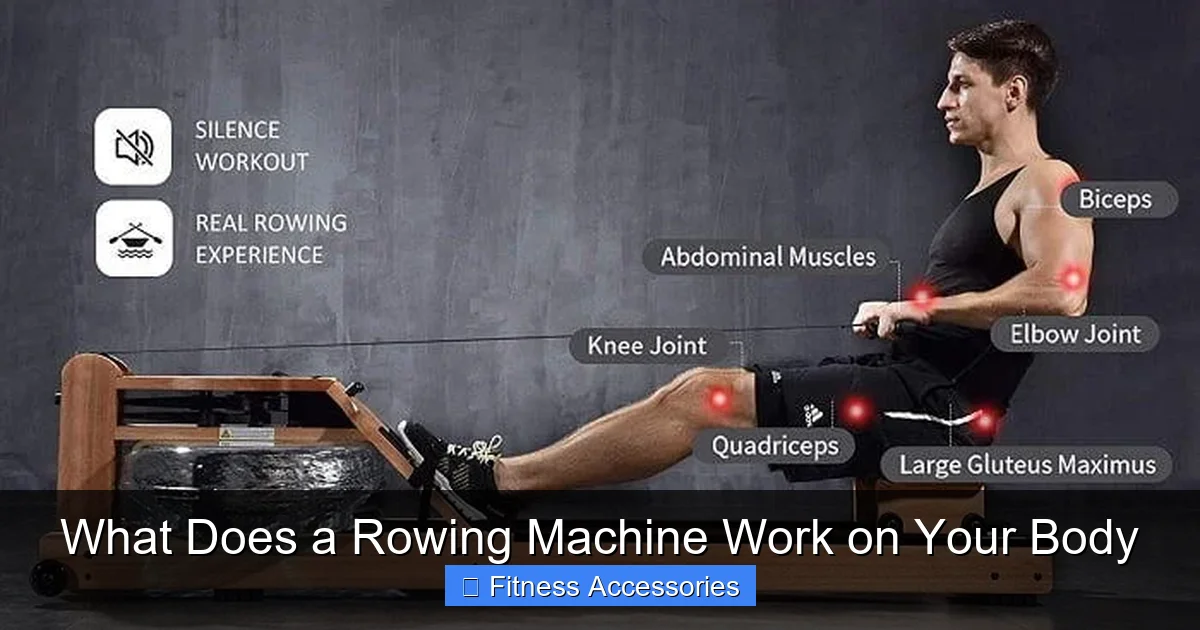
During the drive, the quadriceps and glutes generate most of the force. The hamstrings and calves stabilize the movement. As you lean back, the erector spinae (lower back) and core muscles (abdominals, obliques) work to keep the spine neutral. Finally, the biceps, forearms, and upper back (latissimus dorsi, rhomboids) complete the pull.
During the recovery, the same muscles lengthen under control, which improves flexibility and joint range of motion.
2. Major Muscle Groups Strengthened by Rowing
2.1 Lower Body: Legs and Glutes
The legs are the powerhouse of the stroke. The quadriceps (front thigh) handle the initial push, while the gluteus maximus adds hip extension for extra thrust. Regular rowing can increase leg strength comparable to a squat session, but with less axial loading on the spine.
Visual guide about What Does a Rowing Machine Work on Your Body
Image source: jayshomegym.com
2.2 Core: Stabilizer and Power Transfer
Your core—including the rectus abdominis, transverse abdominis, and obliques—acts like a bridge between the lower and upper body. A strong core keeps the torso stable during the drive, preventing excessive rounding of the back. Over time, rowers develop a tighter, more functional midsection that supports better posture in daily life.
2.3 Upper Body: Back, Shoulders, and Arms
The latissimus dorsi (large back muscles) and rhomboids pull the handle toward the chest, while the biceps and forearms finish the movement. The shoulders (deltoids) stay engaged to keep the arms stable. This combination builds a V‑shaped torso that many athletes covet.
2.4 Supporting Muscles: Grip and Hip Flexors
Consistent rowing improves grip strength as the hands maintain a firm hold on the handle. Additionally, the hip flexors stretch during the recovery, helping maintain hip mobility.
3. Cardiovascular Benefits: More Than Just Muscle
3.1 Heart Health and VO₂ Max
Rowing is a true aerobic exercise. When you maintain a steady pace, your heart rate stays in the cardio zone (65‑85% of max). Over weeks, this improves VO₂ max—the amount of oxygen your body can use during intense activity—leading to better endurance.
Visual guide about What Does a Rowing Machine Work on Your Body
Image source: cyvigor.com
3.2 Calorie Burn and Weight Management
Because rowing uses large muscle groups simultaneously, it burns a high number of calories per minute. A 155‑lb person can expect to burn roughly 500 kcal in a 45‑minute moderate session, while a vigorous 60‑minute workout can exceed 800 kcal.
3.3 Low‑Impact, High‑Return
Unlike running, rowing’s sliding seat absorbs shock, reducing stress on knees, hips, and ankles. This makes it an excellent cardio choice for those with joint concerns or recovering from injury.
4. How Rowing Improves Functional Fitness and Everyday Life
4.1 Better Posture and Spinal Health
Strong back and core muscles translate to a more upright posture at a desk or while carrying groceries. Rowing teaches you to engage the posterior chain, counteracting the forward‑leaning habit many develop from prolonged screen time.
4.2 Enhanced Balance and Coordination
The synchronized push‑pull motion requires coordination between legs, torso, and arms. Practicing this rhythm improves neuromuscular control, which can aid in sports like tennis, skiing, or even simple activities like climbing stairs.
4.3 Transfer to Other Sports
Rowers often see performance gains in cycling, swimming, and martial arts because the same muscles and energy systems are engaged. The aerobic base built on the rower also speeds recovery between high‑intensity intervals in other disciplines.
5. Designing an Effective Rowing Routine
5.1 Choosing the Right Resistance
Most machines offer either air, magnetic, hydraulic, or water resistance. Beginners should start with a moderate setting that lets them maintain proper form for 20‑30 minutes. As you get stronger, increase the resistance in small increments (5–10%) to keep challenging the muscles.
5.2 Sample Workouts for Different Goals
- Endurance Row: 30‑45 minutes at a steady pace (20‑22 strokes per minute, 60‑70% max HR).
- HIIT Row: 10 rounds of 30‑second sprint (30‑35 spm) followed by 60‑second easy recovery.
- Strength Focus: 5 sets of 500‑meter rows with 2‑minute rest, aiming for a powerful drive each time.
- Full‑Body Circuit: 5 minutes rowing, 5 minutes bodyweight squats, 5 minutes push‑ups, repeat 3 times.
5.3 Form Tips to Maximize Benefits
- Start with a tall, relaxed posture at the catch.
- Drive with the legs first; keep arms straight until the legs are nearly extended.
- Engage your core as you lean back, avoiding excessive lower‑back rounding.
- Pull the handle to the lower ribs, not the neck, to protect the shoulders.
- Finish with a smooth, controlled recovery—don’t rush the return.
5.4 Tracking Progress
Most modern rowers have performance monitors that display strokes per minute (SPM), distance, watts, and calories. Keep a log of your average watts and SPM for each session; a gradual increase signals improved power and efficiency.
6. Common Questions and Troubleshooting
6.1 “I feel sore in my lower back—am I doing it wrong?”
Yes, likely you’re rounding your spine during the drive. Focus on keeping a neutral spine and let the legs do the heavy work. Engage the core before you start the pull.
6.2 “Can I lose weight only with rowing?”
Absolutely, as long as you maintain a calorie deficit. Pair rowing with a balanced diet and you’ll see steady fat loss while preserving lean muscle.
6.3 “Is rowing suitable for beginners?”
Yes. Start with short 10‑minute sessions at low resistance, mastering technique before adding intensity.
Conclusion: Rowing as a Holistic Body Builder
So, what does a rowing machine work on your body? The answer is almost everything: legs, glutes, core, back, shoulders, and arms—all while delivering a robust cardiovascular workout. Because the movement is low‑impact, you can train frequently without overloading joints. Whether you aim to boost endurance, sculpt a V‑shaped torso, or simply stay active, the rowing machine offers a time‑efficient, full‑body solution.
Remember, the key to reaping these benefits is consistent practice, proper form, and progressive overload. Grab a rower, set a realistic schedule, and watch your body transform—one smooth stroke at a time.
Frequently Asked Questions
What muscles does rowing work the most?
Rowing primarily targets the quadriceps, glutes, hamstrings, core (especially the obliques and lower back), and the upper back muscles like the lats and rhomboids, with secondary work for the biceps and forearms.
How many calories can I burn on a rowing machine?
Calories burned vary by intensity and body weight, but most people burn between 400‑800 kcal per hour. A vigorous 30‑minute session can easily torch 300‑500 kcal.
Is rowing safe for people with knee problems?
Yes, because the rowing motion is low‑impact and the seat slides smoothly, it puts less stress on the knees than running. However, start with low resistance and ensure proper form to avoid strain.
Can I improve my running performance with rowing?
Definitely. Rowing builds aerobic capacity, leg power, and core stability—all essential for efficient running. Many runners incorporate rowing as cross‑training to boost endurance without adding extra impact.
How often should I row to see results?
Aim for 3‑5 sessions per week, each lasting 20‑45 minutes. Mix steady‑state rows with interval or strength‑focused workouts to keep your body adapting.
Do I need a fancy rowing machine?
No. Basic magnetic or air rowers provide effective workouts. Choose a machine that feels comfortable, fits your space, and offers adjustable resistance for progression.