What Can I Use Instead Of A Yoga Mat is an essential topic that provides valuable insights and practical knowledge for anyone interested in learning more about this subject.
Key Takeaways
- Use a towel: Fold a non-slip yoga towel for travel or hot yoga.
- Try a blanket: A thick blanket adds cushioning on hard floors.
- Use your carpet: A clean, low-pile carpet works well at home.
- Practice on grass or sand: Natural surfaces provide gentle, even support outdoors.
- Get a non-slip pad: Place a rug pad under a thin towel for stability.
📑 Table of Contents
- Why You Might Need an Alternative (And Why It’s Not the End of the World)
- Towels and Textiles: Your First Line of Defense
- Household Linens: Blankets, Rugs, and More
- Nature’s Mat: Grass, Sand, and Earth
- Creative Indoor Solutions for Home Practice
- Specialized Alternatives and Gear You Might Already Own
- Making the Right Choice: A Practical Comparison
- Conclusion: Your Mat Is Where You Make It
Why You Might Need an Alternative (And Why It’s Not the End of the World)
Let’s be honest. We’ve all been there. You’re excited for your yoga session, you roll out your… wait, where is it? You frantically check under the bed, in the trunk of the car, maybe even that weird corner of the closet. Your trusty yoga mat is nowhere to be found. Or perhaps you’re traveling, and the idea of lugging a bulky mat through an airport feels absurd. Maybe you’re just curious, wondering if that expensive piece of rubber is truly necessary. The panic is real, but I’m here to tell you something liberating: your yoga practice does not require a yoga mat. That’s right. For centuries, yogis practiced on bare earth, grass, or even animal skins. The mat is a relatively modern convenience, a tool for comfort and grip, not a mandatory requirement for enlightenment or a good stretch.
This guide is born from my own mishaps and experiments. I’ve practiced on hotel carpets, sandy beaches, and even a particularly plush rug I was later too embarrassed to tell my host about. Through trial, error, and a few wobbles, I’ve learned what works, what doesn’t, and how to adapt. Whether you’ve forgotten your mat, are minimalist by nature, traveling light, or just exploring new sensations underfoot, this is your comprehensive roadmap. We’ll dive into practical, accessible, and sometimes surprising alternatives you can find right now, in your home, in nature, or at a store. Let’s unlock the freedom to practice anywhere, anytime.
Towels and Textiles: Your First Line of Defense
When you think “mat alternative,” your towel drawer is probably the first place your mind goes. And for good reason—it’s often the most accessible solution. But not all towels are created equal in the world of yoga. The key factors are grip and cushion.
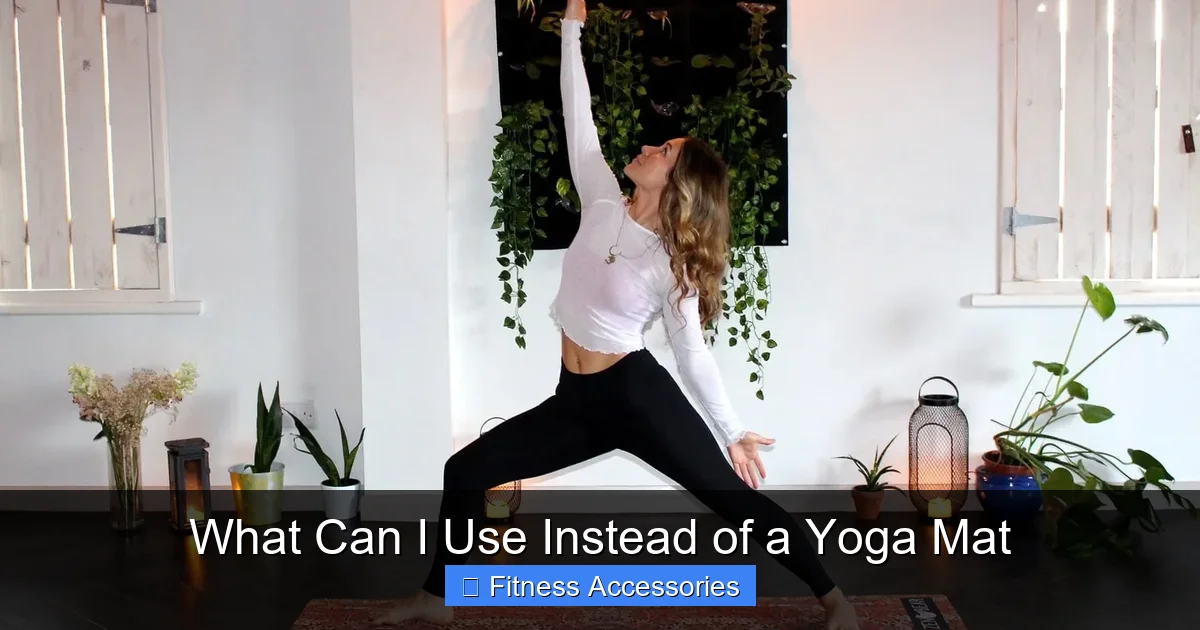
Visual guide about What Can I Use Instead of a Yoga Mat
Image source: i.zoomtventertainment.com
The Classic Yoga Towel
Designed specifically for this purpose, a yoga towel is usually made from microfiber or a similar quick-drying, highly absorbent fabric. Its genius lies in its dual purpose: it wicks away sweat to prevent slipping (a major issue on studio floors) and provides a hygienic barrier over a shared or rental mat. But used alone on a hard floor? It’s a slippery slope—literally. The thin material offers almost no cushioning for your knees or spine in poses like low lunge or boat pose. Best for: Placing over a mat for extra grip/hygiene, or on a high-traction surface like a carpeted floor or grass.
The Everyday Bath or Hand Towel
This is the “I forgot my mat but I have this” hero. A regular cotton towel is thicker than a yoga towel, offering a modicum of cushioning. The main drawback is grip. On a hardwood or tile floor, it will bunch, slide, and potentially cause a fall. Pro Tip: Fold it multiple times to create a denser, more stable pad. Dampen it slightly with a spray bottle to increase friction against smooth floors. It’s a fantastic emergency solution for seated or restorative poses where sliding isn’t a huge risk.
The Turkish or Hammam Towel (Peshtemal)
Here’s a game-changer. These large, flat-woven cotton towels are incredibly strong, absorbent, and—when laid flat—have a surprisingly good grip on many surfaces due to their textured weave. They are lightweight, quick-drying, and double as a travel scarf. Because they are so thin when laid out, you often need to fold them two or three times to get adequate padding. Their flat shape means they stay put better than a looped terrycloth towel. Best for: Travel, outdoor practice on grass or sand, and as a top layer over a thin mat for extra hygiene.
Household Linens: Blankets, Rugs, and More
Your home is a treasure trove of potential yoga surfaces. Before you grab that heirloom quilt, let’s talk practicality and preservation.
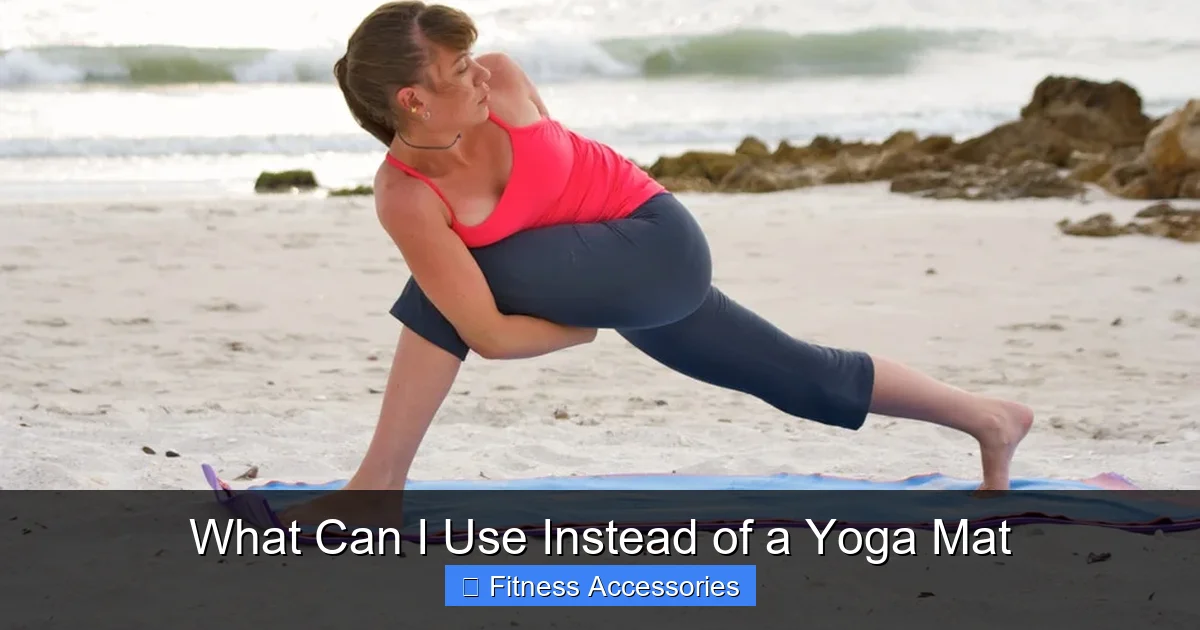
Visual guide about What Can I Use Instead of a Yoga Mat
Image source: yogalaff.com
Throws and Wool Blankets
A thick, dense throw blanket or a wool army blanket is a fantastic option for gentle, restorative, or yin yoga. The cushioning is excellent for knees, hips, and sitting bones. The natural fibers of wool also have a bit of inherent grip. However, they are bulky, can be very hot, and—crucially—they will not stay in place during a dynamic vinyasa flow. You’ll be fighting to keep your hands and feet from sliding out from under you during a plank or chaturanga. Use them for: Supported bridge pose, supine twists, meditation, or any slow, grounded practice. Secure the corners with a dab of double-sided tape if you’re on a slick floor.
Area Rugs and Bath Mats
A low-pile area rug or a thick bath mat can be a surprisingly good substitute, especially on hard floors. They provide consistent cushioning and, if the rug has a rubber non-slip backing (like many bath mats have), they can offer decent stability. The major caveats: Consider the rug’s cleanliness and pile height. A high-pile shag rug will be unstable and make balance poses impossible. A delicate Persian rug is not the place for downward-facing dog. Ideal candidates are durable, low-pile rugs with a non-slip pad underneath, or a dedicated yoga rug made from natural fibers like cotton or jute.
The Folded-Fabric Method
This is my favorite hack for creating a custom, portable “mat.” Take a large, sturdy bedsheet or a piece of fabric (like a canvas drop cloth). Fold it repeatedly into a long, thick strip (think 3-4 feet long and 4-6 inches wide). This creates a dense, grippable cylinder you can place under your hands or feet in poses like tabletop or plank. It’s lightweight, washable, and you can adjust the thickness by folding more or less. It won’t cover your whole body, but for targeted support, it’s brilliant.
Nature’s Mat: Grass, Sand, and Earth
This is where yoga returns to its roots. Practicing outdoors connects you to the earth in a way a synthetic mat never can. The sensations are richer, the air is fresher, and the instability is a fantastic teacher for your stabilizer muscles.
Visual guide about What Can I Use Instead of a Yoga Mat
Image source: yoga-deep.com
Grass and Soft Earth
A well-maintained lawn or a soft patch of earth in a park is an ideal natural surface. It offers a gentle, even cushioning and enough texture for grip. It’s cool in the morning and warm in the sun. Watch out for: Hidden bumps, roots, or holes that can jolt you. Also, be mindful of insects and dampness. A light blanket or towel can be placed underneath for extra hygiene and to block cool ground moisture. This is perfect for sun salutations and standing balances.
Sand
The beach is a yogi’s paradise and challenge. The soft, shifting sand is incredible for strengthening your core and ankles as you fight to stabilize. It’s also deeply relaxing. The cons are obvious: it gets everywhere (in your mat, your bag, your car), it’s hot, and it can be uneven. Pro strategy: Use a dedicated, washable yoga towel or an old sheet as your base. It will slide *on* the sand, but the sand will slide *within* the sheet, creating a dynamic, unstable platform that really works your stabilizers. Embrace the wobble!
Concrete or Wood (With Extreme Caution)
I do not recommend this for a full practice. A bare concrete patio or wooden deck is brutally hard on joints and offers zero cushioning. However, for a very brief, specific session of standing poses or a quick sun salutation on a warm stone slab, it can be a interesting sensory experience. Never attempt kneeling or sitting poses here without significant padding. Use a thick folded towel or blanket at minimum.
Creative Indoor Solutions for Home Practice
When you’re at home without your mat, you don’t have to cancel your practice. Think about the surfaces in your own space.
Carpet and Rugs
This is the easiest and most common home alternative. A medium-to-high pile carpet provides inherent cushioning and decent grip, especially for bare feet. It’s warm and comfortable. The main issue is stability for fast movements; your feet may sink in slightly, making it harder to push off. For a gentle flow or a restorative session, it’s perfect. For a power yoga workout, you might feel a bit “mushy.” Test it with a few poses first.
Padded Surfaces: Cushions and Mattresses
A firm mattress (not a pillow-top!) can work in a pinch for supine and seated poses. It’s very soft, so be mindful of your alignment—you might sink too deeply. A pile of couch cushions or floor cushions can be creatively arranged to support joints in restorative poses. Think of them as props, not a full mat substitute. A firm exercise pad or a thick yoga block can also serve as a tiny, targeted mat for hands or feet.
The “Towel on Hard Floor” Hybrid
This is a classic hotel room hack. Lay a large bath towel or two on a hotel carpet or hardwood floor. The towel provides a clean, hygienic layer and a bit of cushion, while the underlying carpet or floor (if textured) provides the grip. On a super-slick hotel floor, this might still be risky. Look for a rug in the room to anchor the towel’s corners.
Specialized Alternatives and Gear You Might Already Own
Beyond household items, there are specific products designed for portability or different uses that can step in.
Yoga Pads and “Sticky” Mats
These are the thin, often colorful mats you see in studios. They are typically 1-2mm thick, made of PVC or TPE, and designed primarily for grip, not cushioning. They roll up tiny and weigh ounces. If you have one of these tucked away from a past class, it’s a perfect travel mat. Just know your knees will feel it during kneeling poses. Pair it with a folded towel for extra padding.
Non-Slip Yoga Towels with Silicon Dots
These are the next-level yoga towels. They have tiny silicone nubs on one side that grip the floor like a second skin. Placed directly on a hard surface (wood, tile, even some carpets), they create a remarkably stable, non-bunching platform. They offer minimal cushioning, but for a dynamic practice where slip is the main concern, they are arguably better than a thin, worn-out mat. They wash easily and pack flat.
The Interlocking Foam Tile Solution
Do you have those foam play mats for kids or exercise tiles in a closet? Connect a few together! They provide excellent cushioning and, when interlocked, a stable surface. The foam is usually firm enough for balance. The downside is they are bulky to carry and not as aesthetically pleasing as a rolled mat, but for a home or garage space, they work wonderfully.
Making the Right Choice: A Practical Comparison
With so many options, how do you choose? It depends entirely on your practice style, location, and priorities. Here’s a quick-reference table to help you decide in a pinch.
| Alternative | Best For | Cushioning | Grip | Portability | Key Consideration |
|---|---|---|---|---|---|
| Yoga Mat (for reference) | All-around practice | Good | Excellent | Medium (rolls) | The standard for a reason |
| Microfiber Yoga Towel | Hot yoga, over a mat | Poor | Good (on mat) | Excellent (packs flat) | Slippery alone on hard floors |
| Turkish Towel (Peshtemal) | Travel, outdoor use | Fair (when folded) | Fair to Good | Excellent | Must fold for cushioning |
| Wool/Throw Blanket | Restorative, Yin, Meditation | Excellent | Poor | Poor (bulky) | Slippery for active flows |
| Low-Pile Rug / Bath Mat | Home practice on hard floors | Good | Good (if non-slip backing) | Poor | Check backing; not for travel |
| Grass / Soft Earth | Outdoor, grounding practice | Good | Excellent | N/A | Check for debris, insects, moisture |
| Silicone-Dot Yoga Towel | Hard floors, travel | Poor | Excellent | Excellent | Minimal cushioning; use for grip |
Conclusion: Your Mat Is Where You Make It
So, what can you use instead of a yoga mat? The answer is more empowering than you might think: practically anything that provides a clean, stable, and reasonably comfortable surface for your body. Your mat is not a magic carpet that grants you access to yoga; it is simply a tool. The true tool is your breath, your intention, and your willingness to show up. This guide has equipped you with a toolkit of improvisation—from the Turkish towel in your suitcase to the grassy knoll in the park.
The next time you find yourself mat-less, don’t see it as a problem. See it as an opportunity. An opportunity to connect more deeply with the ground beneath you, to challenge your balance in new ways, and to remember that yoga is a practice of adaptability, both on and off the mat. Experiment. Feel the difference between a folded blanket and a sandy shore. Listen to what your body tells you on each surface. You might just discover that your favorite place to practice is the one you least expected. Now, go roll out—or lay down, or spread out—whatever you have, and breathe. Your mat is waiting for you, right where you are.
Frequently Asked Questions
What is What Can I Use Instead Of A Yoga Mat?
What Can I Use Instead Of A Yoga Mat is an important topic with many practical applications and benefits.
How can What Can I Use Instead Of A Yoga Mat help me?
Understanding What Can I Use Instead Of A Yoga Mat can improve your knowledge and provide practical solutions.