Keeping your yoga mat clean is essential for hygiene, grip, and longevity. You can effectively clean most mats with just water, a mild soap solution, or a DIY vinegar mix. Always avoid harsh chemicals and abrasive scrubbing, and tailor your method to your mat’s specific material for the best results.
Key Takeaways
- Daily maintenance is key: A quick wipe-down with water or a mild solution after each practice prevents sweat and dirt buildup.
- Material matters: PVC, TPE, rubber, and natural fiber mats each have specific cleaning needs and sensitivities to certain ingredients.
- Simple is often best: A mixture of water and a few drops of mild dish soap or diluted white vinegar is a safe, effective, and affordable cleaner for most mats.
- Avoid common enemies: Never use oil-based cleaners, bleach, alcohol, or abrasive scrubbers, as they can degrade the mat’s surface and materials.
- Proper drying is crucial: Always let your mat air dry completely, out of direct sunlight, before rolling or storing it to prevent mold and odors.
- Read the manufacturer’s label: Your mat’s care instructions are the ultimate guide—when in doubt, follow them first.
📑 Table of Contents
- Why Cleaning Your Yoga Mat Isn’t Just About Freshness
- The Golden Rules of Mat Cleaning: What to Always Do and Never Do
- Your Everyday Cleaning Toolkit: Simple & Effective Solutions
- Deep Cleaning & Deodorizing: Tackling Stubborn Grime and Odors
- Material Matters: Customizing Your Clean for Your Mat Type
- Pro Tips & Common Pitfalls: From Storage to Longevity
- Conclusion: A Clean Mat is a Mindful Practice
Why Cleaning Your Yoga Mat Isn’t Just About Freshness
Let’s be honest: your yoga mat is your sanctuary. It’s the foundation of your practice, absorbing every downward dog, every lunge, every moment of stillness. But have you ever really thought about what else it’s absorbing? Sweat, dead skin cells, bacteria, and environmental dust all call your mat home. Regularly learning what can I use to clean my yoga mat is one of the most important (and often overlooked) aspects of being a yogi. It’s not just about avoiding a stinky mat; it’s about hygiene, performance, and respecting your investment.
A clean mat provides better grip, preventing slips during a sweaty vinyasa flow. It protects you from skin irritations and breakouts caused by bacteria. And it significantly extends the life of your mat, ensuring it stays supportive and functional for years to come. So, let’s roll up our sleeves and dive into the world of mat maintenance, from the simplest daily habits to thorough deep-cleans.
The Golden Rules of Mat Cleaning: What to Always Do and Never Do
Before we get into specific solutions, there are universal principles that apply to nearly every yoga mat on the market. Think of these as the non-negotiable foundation of your cleaning routine.

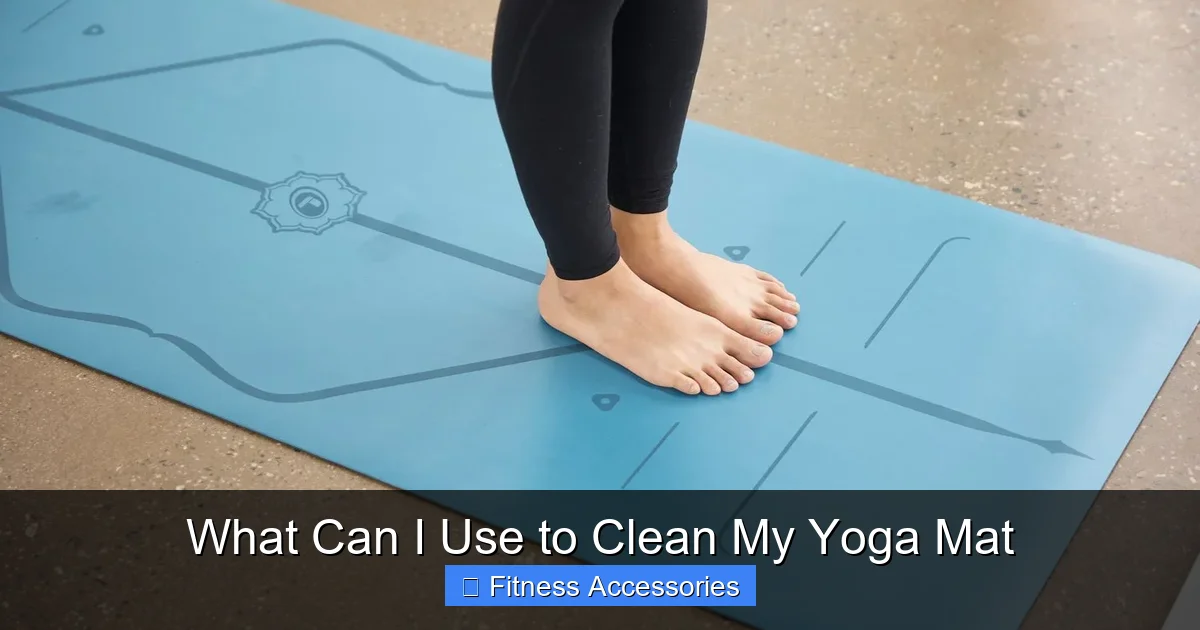
Visual guide about What Can I Use to Clean My Yoga Mat
Image source: thedomesticwildflower.com
The Essential “Dos”
- Do clean regularly: A quick wipe-down after every few uses (or at least weekly) is far easier than tackling a months-old grime buildup.
- Do use a soft cloth or sponge: Gentle application is key. Your hands or a soft, lint-free cloth are usually all you need. For textured mats, a very soft-bristled brush can help dislodge dirt from crevices.
- Do rinse thoroughly: Any cleaning solution residue can make your mat slippery and potentially degrade it over time. A final wipe with a cloth dampened with clean water is essential.
- Do air dry completely: This is the most critical step. Hang your mat vertically or lay it flat in a well-ventilated area, away from direct sunlight. Sunlight’s UV rays can break down many mat materials. Ensure it’s bone dry before rolling.
The Critical “Don’ts”
- Don’t use harsh chemicals: Avoid bleach, ammonia, disinfectant wipes (like Clorox), alcohol, or any oil-based cleaners (like essential oil blends undiluted). These can strip the mat’s surface, cause it to become sticky or brittle, and leave toxic residues.
- Don’t put it in the washing machine: The agitation and spin cycle can tear seams, delaminate layers, and ruin the mat’s structure. The same goes for the dryer—never machine dry your yoga mat.
- Don’t use abrasive scrubbers: Steel wool or stiff-bristled brushes will scratch and gouge the surface, creating homes for more bacteria and ruining the smooth feel.
- Don’t soak it: While some mats (like cotton or hemp) can handle more water, most synthetic mats should not be submerged. Excess water can seep into the mat’s layers, leading to mildew and a heavy, soggy mat that takes forever to dry.
Your Everyday Cleaning Toolkit: Simple & Effective Solutions
For the vast majority of routine cleanings, you don’t need a special, expensive product. Chances are, everything you need is already in your kitchen. The goal here is to remove sweat and surface dirt without leaving a film.
Visual guide about What Can I Use to Clean My Yoga Mat
Image source: howtocleaneasily.com
The Classic: Mild Soap & Water
This is the gold standard for a reason. It’s gentle, effective, and universally recommended by mat manufacturers.
- What you need: A few drops of gentle, clear dish soap (like Dawn Original or a similar mild formula) and a bucket of warm water.
- How to use it: Mix the soap into the water until sudsy but not bubbly. Dip your soft cloth or sponge, wring it out thoroughly so it’s only damp, not dripping, and wipe your mat down in sections. Follow immediately with a clean, water-dampened cloth to rinse. Squeeze out excess water from the cloth as you go.
- Best for: All mat materials, especially PVC, TPE, and most rubber mats. It’s the safest starting point.
The Yogic Favorite: DIY Vinegar & Water Spray
White distilled vinegar is a superstar. It’s a natural disinfectant, deodorizer, and degreaser that cuts through sweat and leaves no harmful residue. The smell dissipates completely once dry.
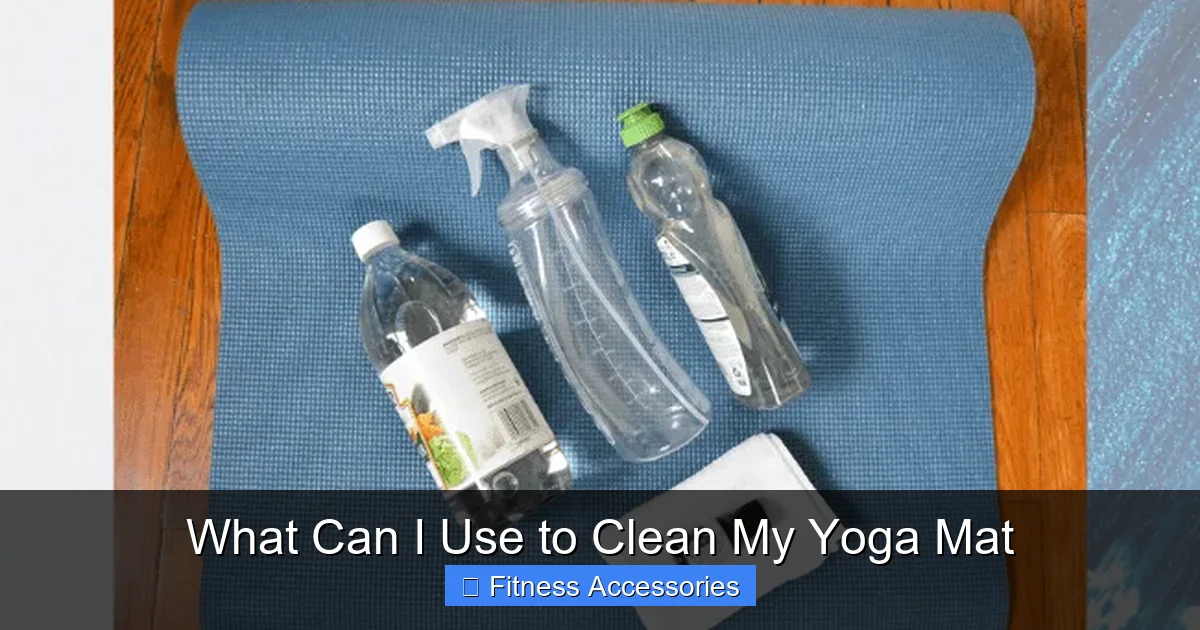
- What you need: White distilled vinegar, water, and a spray bottle.
- How to make it: The standard ratio is 1 part vinegar to 3 or 4 parts water. For a stronger clean or a particularly musty mat, you can use a 1:1 ratio. Mix in your spray bottle. Important: Always do a patch test first on a small corner of your mat, especially if it’s a natural rubber or cork mat, as some materials can be sensitive.
- How to use it: Lightly spray the mat surface. Use a damp cloth to wipe it down, then follow with a clean, water-dampened cloth to rinse if the vinegar smell is strong to you (though not strictly necessary). Let dry.
- Best for: PVC, TPE, and foam mats. Use with caution and a patch test on natural rubber and cork.
The Specialized Option: Yoga Mat Cleaner Sprays
The market is flooded with commercial yoga mat cleaners. Many are excellent, formulated specifically for mat materials with plant-based, non-toxic ingredients. However, they can be pricey.
- What to look for: Read labels carefully. Seek out cleaners that are “biodegradable,” “non-toxic,” “plant-based,” and “free from harsh chemicals.” Avoid anything with essential oils if you have sensitive skin, as they can be irritating.
- How to use them: Typically, you spray and wipe. Follow the product’s specific instructions.
- Best for: Convenience and peace of mind. A good option if you prefer a pre-made, consistently formulated product.
Deep Cleaning & Deodorizing: Tackling Stubborn Grime and Odors
Sometimes, a simple wipe isn’t enough. After a particularly sweaty hot yoga session, a bout of illness, or just general neglect, your mat needs a deeper clean. This requires a bit more time and care.
Visual guide about What Can I Use to Clean My Yoga Mat
Image source: sparkmembership.com
The Soak-Free Deep Clean Method
This method is suitable for most mats (except those explicitly labeled “machine washable”). It provides a more thorough clean without submerging the mat.
- Prepare your solution: In a bucket, mix 1 gallon of warm water with 1/4 cup of mild dish soap and 1/2 cup of white vinegar.
- Spot test: Always test this mixture on a small, inconspicuous area of your mat first.
- Wipe, don’t soak: Dip your cloth, wring it out very well, and work in sections. For textured mats, use your fingers to gently agitate the solution into the grooves. Let the solution sit on the mat for 5-10 minutes to break down oils and grime.
- Rinse meticulously: Use a clean cloth wringed out with plain water to wipe away all soap and vinegar residue. You may need to rinse your cloth and repeat several times.
- Dry thoroughly: This is non-negotiable. Hang the mat vertically in a shaded, breezy area. It can take up to 24 hours to dry completely. Do not roll it until it’s 100% dry.
Battling Persistent Odors and Mildew
If your mat smells musty, it likely has trapped moisture and mildew. Act fast!
- Sprinkle with baking soda: Lightly sprinkle baking soda over the entire surface of the dry mat. Let it sit for at least 30 minutes, or overnight for severe odors. Baking soda is a fantastic natural odor absorber. Afterwards, wipe it off thoroughly with a dry cloth.
- Tea tree oil power: For a natural antifungal and antibacterial boost, add 5-10 drops of pure tea tree essential oil to your vinegar-water spray solution. Tea tree oil is potent and has natural disinfectant properties. Patch test first! Some people are sensitive to it.
- For severe mildew: If you see visible mold spots, mix a solution of 3% hydrogen peroxide and water (1:1). Apply only to the affected spot with a cotton ball, let bubble for 10 minutes, then wipe clean with a water-dampened cloth. Rinse and dry immediately. Ventilate the area well.
Material Matters: Customizing Your Clean for Your Mat Type
Not all mats are created equal, and your cleaning method should adapt to your mat’s composition. Using the wrong cleaner can cause irreversible damage.
PVC (Polyvinyl Chloride) Mats
The most common and durable type. They are non-porous and very forgiving.
- Safe Cleaners: Mild soap & water, vinegar-water spray, most commercial mat cleaners. You have the most flexibility here.
- Avoid: Harsh solvents. While PVC is tough, strong chemicals can still cause the surface to become sticky or brittle over time.
TPE (Thermoplastic Elastomer) Mats
A more eco-friendly, biodegradable alternative to PVC. They are lightweight and have a slightly “spongier” feel.
- Safe Cleaners: Mild soap & water, diluted vinegar (patch test first). TPE is sensitive to high heat and some oils.
- Avoid: Oil-based cleaners, essential oils (can degrade the material), and machine washing.
Natural Rubber & Latex Mats
Prized for their superior grip and eco-friendly credentials (from rubber tree sap). They require the most gentle care.
- Safe Cleaners: Only plain water or a very mild soap solution (like a Castile soap) sparingly used. Many manufacturers recommend just a damp cloth. Vinegar and citrus-based cleaners can dry out and degrade natural rubber.
- Avoid: Vinegar, lemon juice, alcohol, and any acidic cleaners. These will break down the rubber, causing it to crumble and lose its grip.
Cork & Natural Fiber (Jute, Cotton) Mats
These are natural, antimicrobial, and offer a unique feel. Cork often has a rubber bottom layer.
- Safe Cleaners: For the cork surface, a lightly dampened cloth with plain water is usually sufficient. For deeper cleans, a very mild soap solution. Some cork mats can be gently hand-washed—check your label.
- Avoid: Soaking. These materials are highly absorbent. Never submerge a cork mat. Avoid harsh chemicals that can strip the natural finish.
Pro Tips & Common Pitfalls: From Storage to Longevity
Cleaning is one part of the equation. How you store and handle your mat affects its cleanliness and lifespan just as much.
The Right Way to Store Your Clean Mat
Never store a damp or even slightly moist mat. Rolling it traps moisture, creating a perfect environment for mold and mildew. Always ensure it is 100% dry. Store it loosely rolled, not tightly strapped with a cinch, to allow for air circulation. If you use a carrying bag, choose one that is breathable (like cotton) over a sealed nylon one. For long-term storage, consider hanging it.
Don’t Forget the Accessories!
Your mat strap, carrying bag, and blocks can get just as germy. Wipe down plastic or cork blocks with a vinegar-water solution. Wash fabric straps and bags in cold water and air dry.
When to Consider a Replacement
No matter how well you care for it, every mat has a lifespan. Signs it’s time for a new one include: persistent odors that won’t go away despite deep cleaning, a surface that is permanently peeling, cracking, or crumbling, or a loss of grip that makes your practice unsafe. A good rule of thumb is to expect 6 months to 2 years of regular use from a quality mat, depending on frequency and care.
Conclusion: A Clean Mat is a Mindful Practice
Caring for your yoga mat is an extension of your practice itself. It’s an act of self-care, respect for your space, and mindfulness about the tools that support you. The beauty lies in its simplicity: a damp cloth, a drop of soap, a spray of vinegar. There’s no need for complicated routines or expensive products. By understanding your mat’s material, adhering to the golden rules of gentle cleaning, and making drying a non-negotiable habit, you ensure that your trusted companion remains hygienic, high-performing, and ready for your next session. So, after your next practice, take those two extra minutes. Your future self—sweating safely on a fresh, grippy mat—will thank you.
Frequently Asked Questions
Can I use disinfectant wipes or hand sanitizer on my yoga mat?
No, you should avoid disinfectant wipes (like Clorox or Lysol) and hand sanitizer. They contain alcohol, bleach, and other harsh chemicals that can degrade the mat’s surface, cause it to become slippery or brittle, and leave toxic residues that may irritate your skin during practice.
Is it safe to use vinegar on all yoga mats?
Vinegar is safe for most PVC, TPE, and foam mats when diluted. However, it is acidic and can dry out and damage natural rubber, latex, and some cork mats. Always perform a patch test on a small area first and check your manufacturer’s guidelines.
How often should I deep clean my yoga mat versus just wiping it down?
You should do a quick wipe-down with water or a mild spray after every few uses, or at least weekly. A deeper clean with a soap solution is recommended every 1-2 months, or more frequently if you practice hot yoga, sweat heavily, or are sick.
Can I put my yoga mat in the washing machine?
No, you should never machine wash or machine dry a standard yoga mat. The agitation can tear seams, separate layers, and destroy the mat’s structure and texture. Only mats explicitly labeled “machine washable” by the manufacturer should ever be considered for this, and even then, it should be on a gentle, cold cycle.
What’s the best way to dry my yoga mat after cleaning it?
The best method is to hang it vertically in a well-ventilated, shaded area. You can drape it over a railing, a shower rod (if not using a curtain), or a dedicated mat hanger. Ensure both sides get air. Never use a radiator or direct, hot sunlight to speed up drying, as this can damage the material.
My yoga mat still smells after cleaning. What should I do?
For persistent odors, sprinkle the entire surface with baking soda and let it sit for several hours or overnight. Then, brush or wipe off the powder thoroughly. You can also try a spray with water, a few drops of mild soap, and 5-10 drops of tea tree oil (patch test first), let sit, then rinse and dry completely.