Can You Drink Water Before a Treadmill Stress Test
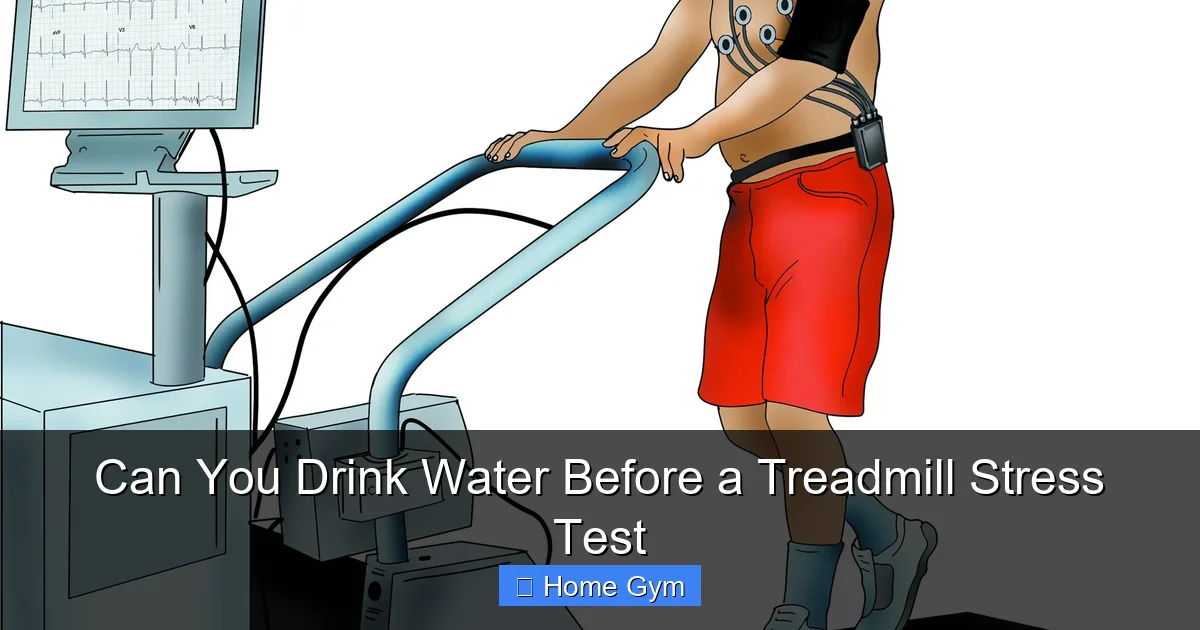
Yes, you can and should drink water before a treadmill stress test, but timing and quantity are critical. Proper hydration ensures accurate results and your safety, while dehydration can dangerously skew the test. Always follow your doctor’s specific pre-test instructions, as individual needs vary.
So, you have a treadmill stress test scheduled. Maybe your doctor mentioned it as the next step to check your heart health, investigate chest pain, or gauge your exercise capacity. As the day approaches, a simple, practical question bubbles up: can you drink water before a treadmill stress test? It’s a totally normal thing to wonder. After all, you hydrate before a workout. Why would this be any different? The answer is a confident yes, you should hydrate, but with some very important caveats about timing, quantity, and purpose. This isn’t about pre-game fueling for a personal best; it’s about preparing your body for a precise medical diagnostic tool. Let’s break down everything you need to know, from the science of hydration to the exact practical steps to take, ensuring your test is both safe and successful.
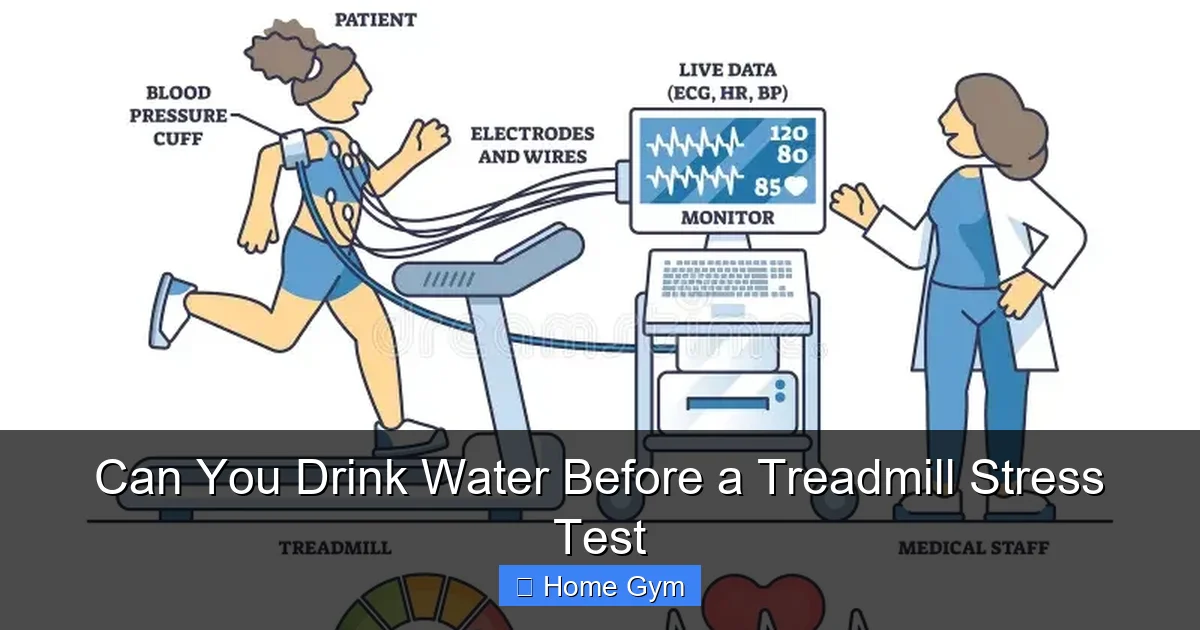
First, let’s set the stage. A treadmill stress test, or exercise stress test, is a controlled medical procedure. You’ll walk on a treadmill (or sometimes a stationary bike) while its speed and incline gradually increase. The entire time, medical professionals will be monitoring your heart’s electrical activity via an electrocardiogram (ECG or EKG), your blood pressure, and your symptoms like breathing and fatigue. The goal is to see how your heart performs under the increased workload of exercise. It’s a snapshot of your cardiovascular system in action. Because it’s a diagnostic test, every variable they can control matters. Your hydration status is one of the most significant variables you personally can control. Being properly hydrated is a cornerstone of a reliable and safe test, but showing up overly full from chugging a gallon of water 20 minutes prior can be just as problematic as being dehydrated.
Key Takeaways
- Hydration is Essential: Water regulates body temperature, supports heart function, and ensures clear ECG signals during the test.
- Timing Matters More Than Volume: Sipping water steadily in the 2-3 hours before your test is ideal; avoid gulping large amounts right before.
- Dehydration Skews Results: It can cause an artificially high heart rate, low blood pressure, and premature test termination, leading to a false-positive or inconclusive result.
- Not All Drinks Are Equal: Avoid caffeine, alcohol, and sugary drinks before the test, as they directly affect heart rate and blood pressure.
- Home Treadmills Are Not a Substitute: A diagnostic stress test is a controlled medical procedure with continuous monitoring; do not attempt to replicate it at home.
- Follow Your Medical Team’s Orders: Your doctor may give specific instructions based on your health, medications, or the test type (e.g., nuclear stress test). Their guidance overrides general advice.
📑 Table of Contents
- The Critical Role of Hydration in Cardiovascular Performance
- What Happens If You’re Dehydrated? The Real Risks
- How Much Water and When: The Practical Hydration Protocol
- Beverages to Absolutely Avoid Before Your Test
- The Test Experience: What to Expect and How Hydration Helps
- Home Treadmill vs. Medical-Grade Stress Test: A Critical Safety Warning
- Conclusion: Your Action Plan for Test Day
The Critical Role of Hydration in Cardiovascular Performance
To understand the “why,” we need to look at what water actually does for your body, especially during physical exertion. Water isn’t just a passive liquid; it’s an active participant in every physiological system, but its role in your cardiovascular system is front and center during a stress test.
Water as Your Body’s Primary Transport System
Think of your blood plasma, the liquid component of your blood, as a river. That river is made up of about 90% water. This river carries oxygen from your lungs to your working muscles, transports nutrients for energy, and carries away waste products like carbon dioxide. When you’re even mildly dehydrated, the volume of this river—your blood volume—decreases. Your heart, which is the pump for this river, has to work significantly harder to move the same amount of blood with less fluid. This means your heart rate will climb faster and higher than it would if you were well-hydrated, even at the same level of effort on the treadmill. During a stress test, we’re trying to measure your heart’s response to a standardized workload. If your heart rate is elevated due to dehydration, not cardiac limitation, it can lead to a misinterpretation of the results.
Temperature Regulation and Electrolyte Balance
When you exercise, your muscles generate heat. Your body’s primary cooling mechanism is sweating. Sweat is mostly water, and as it evaporates from your skin, it cools you down. If you start the test dehydrated, your sweat production drops. Your body’s core temperature rises faster, putting you at greater risk for overheating, dizziness, or even heat-related illness during what should be a controlled, supervised test. Furthermore, sweat contains electrolytes like sodium and potassium, which are crucial for the electrical impulses that make your heart beat. While a single stress test won’t cause major electrolyte loss, starting in a dehydrated state means you have less buffer. Proper hydration helps maintain this delicate electrolyte balance, supporting a normal, steady heart rhythm that the ECG can read clearly.
The Unseen Factor: Electrode Adhesion and Signal Clarity
Here’s a practical, often-overlooked reason to be hydrated: the ECG electrodes. Those sticky pads placed on your chest, arms, and legs need good contact with your skin to transmit a clean, readable electrical signal from your heart to the monitor. Dry, flaky skin from dehydration doesn’t adhere well. It can lead to artifact—those wiggly, fuzzy lines on the ECG printout that aren’t your real heartbeat. This can force the technician to stop and reattach electrodes, disrupting the test’s flow and potentially compromising the data quality. Well-hydrated skin is more supple and helps those electrodes stick, ensuring the medical team gets a pristine signal from start to finish.
What Happens If You’re Dehydrated? The Real Risks
We’ve established that dehydration throws a wrench into the works. But let’s get specific about how it can negatively impact your treadmill stress test, potentially turning a diagnostic tool into a risky situation.

Visual guide about Can You Drink Water Before a Treadmill Stress Test
Image source: i.ytimg.com
Artificially Elevated Heart Rate and Premature Fatigue
As mentioned, reduced blood volume forces your heart to pump faster to compensate. On the treadmill, this means you’ll hit your target heart rate (often 85% of your age-predicted maximum) much sooner than you should, based on the speed and grade of the treadmill. The test might be stopped because you’ve reached your target, but in reality, your heart reached it because it was struggling with volume, not because it reached its true functional capacity. This can lead to a false impression of cardiac limitation. Concurrently, you’ll feel fatigued, breathless, and weak much earlier because your muscles aren’t getting oxygenated blood as efficiently. You might “fail” the test not due to heart disease, but due to poor hydration.
Blood Pressure Instability
During exercise, a healthy response is for your systolic blood pressure (the top number) to rise steadily as your heart pumps harder. Your diastolic pressure (the bottom number) should stay the same or drop slightly. Dehydration can cause a paradoxical drop in systolic pressure during exercise because there isn’t enough blood volume to maintain pressure against the resistance of your blood vessels. This is a red flag for the medical team and is often a reason to immediately stop the test. It could be misinterpreted as a sign of serious cardiac problem, when in fact it was a hydration issue.
Increased Risk of Arrhythmias and Dizziness
Dehydration stresses the entire system. It can make you more prone to premature heartbeats (PVCs, PACs) or other minor rhythm irregularities that might not occur when you’re hydrated. While often benign, any arrhythmia during a stress test is noted and investigated. More immediately, the combination of lower blood volume, potential blood pressure drops, and reduced blood flow to the brain can cause lightheadedness, dizziness, or even fainting—especially when you step off the moving treadmill. This is a safety hazard that proper hydration helps prevent.
How Much Water and When: The Practical Hydration Protocol
Okay, so you need to drink water. But how much, and when? This is where the art meets the science. The goal is to arrive at the test center in a state of euhydration—normal, optimal hydration—not overhydrated or underhydrated.
Visual guide about Can You Drink Water Before a Treadmill Stress Test
Image source: imc-healthcare.com
The 2-3 Hour Pre-Test Window: Your Golden Period
This is your most important guideline. In the 2 to 3 hours leading up to your appointment, aim to drink water steadily. A good general target is to consume about 16-20 ounces (500-600 ml) of plain water during this period. Spread it out. Have a large glass (8 oz) when you wake up if your test is morning, another mid-morning, and perhaps a smaller one an hour before you leave. This gives your body time to absorb the fluid, distribute it to your cells and bloodstream, and for your kidneys to process any excess, meaning you won’t arrive with a full bladder. A full bladder can be uncomfortable during the test and may need to be emptied, disrupting the procedure.
The 30-60 Minute Pre-Test Rule: Sip, Don’t Guzzle
In the final hour before your test, switch to sipping. You can have another 4-8 ounces (120-240 ml) if you feel thirsty, but avoid gulping down a large bottle. Why? A very full stomach can cause discomfort when you start walking, and the jostling motion can make you feel nauseous. Furthermore, if you drink a huge amount right before, your body will still be processing it, potentially leading to an urgent need to urinate during the test. A small sip right before you start is fine, but the heavy lifting of hydration should be done earlier.
How to Check Your Hydration Status at Home
You can do a simple check the morning of your test. Look at your urine color. It should be pale yellow, like the color of straw. If it’s dark yellow or amber, you are likely dehydrated and need to increase your water intake in the hours leading up. Another indicator is thirst. By the time you feel thirsty, you’re already mildly dehydrated. So, don’t wait for thirst; use the scheduled sipping method. A quick note on sweat: if you exercised heavily the day before and didn’t replace fluids, you might still be in a deficit. Be extra vigilant with your water intake the morning of.
Beverages to Absolutely Avoid Before Your Test
It’s not just about water. What you don’t drink is just as important as what you do. Several common beverages can directly interfere with the physiological measurements the stress test is designed to capture.
Visual guide about Can You Drink Water Before a Treadmill Stress Test
Image source: thumbs.dreamstime.com
Caffeine: The Heart-Rate Accelerant
This is a big one. Caffeine is a stimulant that directly increases heart rate and can cause a temporary rise in blood pressure. If you consume coffee, tea (even most green teas), energy drinks, cola, or certain medications containing caffeine before your test, you are artificially altering your baseline cardiovascular state. This can lead to an elevated resting heart rate, making the test progression seem abnormal. Most facilities will ask you to avoid caffeine for at least 12 hours before the test, and often for the entire morning. Always clarify this with your testing center when you schedule.
Alcohol: The Dehydrator and Depressant
Avoid alcohol for at least 24 hours prior. Alcohol is a diuretic, promoting urine production and leading to dehydration. It can also affect heart rhythm and blood pressure. The after-effects—even if you feel fine—can linger and impact your test results. It’s simply not worth the risk of an inaccurate or inconclusive study.
Sugary Drinks and Heavy Juices
Large amounts of sugar can cause a rapid spike and subsequent crash in blood sugar and energy levels. This can make you feel jittery or fatigued in an unpredictable way during the test. They also don’t hydrate as effectively as plain water because your body has to process the sugar. Stick to water for optimal, clean hydration.
Dairy and Heavy, Fatty Drinks
Milkshakes, smoothies with lots of protein powder or nut butter, or even a large glass of milk can sit heavily in your stomach. The digestion process requires blood flow to your gut, which can compete with the blood flow your working muscles need during the test. This might cause stomach cramps or a feeling of sluggishness. Keep your pre-test drink choices simple and light.
The Test Experience: What to Expect and How Hydration Helps
Knowing what happens during the test itself can help you understand why your pre-test prep matters.
The Setup: Electrodes, Blood Pressure, and Baseline
You’ll change into a gown or comfortable clothing and lie on an exam table. A technician will clean your skin (often with an alcohol wipe that can feel cold) and attach about 10 electrodes with sticky pads and conductive gel. As discussed, good skin hydration helps these stick. They’ll also place a blood pressure cuff on your arm. You’ll have a resting ECG and blood pressure reading. This is your baseline. If you’re dehydrated, your resting heart rate might already be higher than your true baseline. The test hasn’t even started, and the data is already compromised.
The Exercise Protocol: The Bruce Protocol
The most common protocol is the Bruce Protocol. You’ll start walking at a slow speed and low incline. Every three minutes, both the speed and the incline increase. The technician will be behind you, calling out the speed changes and watching you closely. They will monitor your ECG, blood pressure, and ask about symptoms (chest pain, shortness of breath, dizziness) at each stage. Your hydration status directly influences how you feel at each stage. A well-hydrated person will have better endurance, more stable vital signs, and clearer symptom reporting.
Recovery and Cool-Down
Once you reach your target heart rate or the doctor stops the test for any reason, you won’t just step off. You’ll continue walking at a slow pace for a 2-3 minute cool-down period. This is critical for your cardiovascular system to transition gradually. After you stop, you’ll lie back down so they can monitor your heart as it returns to its resting state. During this recovery phase, being hydrated helps your body normalize temperature and blood pressure more efficiently. You’ll likely be offered water after the test—this is to rehydrate after the sweat loss during exercise.
Home Treadmill vs. Medical-Grade Stress Test: A Critical Safety Warning
Because you’re in the “Home Gym” category, it’s crucial to address a dangerous misconception. You cannot and must not perform a diagnostic treadmill stress test on your home treadmill. A medical stress test is not just about walking until you’re tired. It is a complex diagnostic procedure performed under the direct supervision of a trained medical team—a doctor, nurse, and/or cardiac technician—who are prepared to respond to an emergency.
The Monitoring Makes the Test
The core of the test is the continuous, 12-lead ECG monitoring. A home heart rate monitor on a chest strap or watch is a single-lead snapshot at best and cannot diagnose ischemia (lack of blood flow to the heart muscle) like a full ECG can. The medical team is also watching for specific changes in your ST segment that indicate heart stress. They are constantly measuring your blood pressure and assessing your symptoms. They have emergency equipment (defibrillator, oxygen, medications) immediately at hand. The controlled, incremental increase in workload is precisely calculated. A home treadmill has no such safety net.
When Home Exercise Testing *Is* Used (And It’s Not for Diagnosis)
Sometimes, cardiologists will prescribe a “home-based walking program” or a “cardiac rehabilitation” exercise plan that patients do on their own treadmills. This is for rehabilitation and fitness building after a heart event or procedure, not for diagnosis. The target heart rate for this is carefully prescribed by your doctor, often using a formula based on your stress test results. You would monitor your heart rate with a chest strap and stay within a safe, prescribed zone. The guidelines for hydration here are similar—stay hydrated—but the stakes are different because it’s not a diagnostic test. Always get explicit, written instructions from your cardiologist before exercising at home with a heart condition.
Conclusion: Your Action Plan for Test Day
So, can you drink water before a treadmill stress test? Absolutely. In fact, you should. The evidence is clear: optimal hydration supports a safe, accurate, and interpretable test. It protects your heart’s performance, ensures clean data for your doctor, and keeps you comfortable. Your simple action plan is this: starting 2-3 hours before your appointment, sip water consistently to consume about 16-20 ounces. Check your urine color as a guide. Avoid all caffeine, alcohol, and sugary or heavy drinks for at least 12-24 hours prior. In the last hour, sip only small amounts if needed. Most importantly, follow any specific instructions given to you by your doctor or the testing facility—they know your personal health history best. Arrive on time, in comfortable clothes, and with a clear head. By managing your hydration, you’re not just following a rule; you’re actively participating in the accuracy of your own diagnosis and taking a smart step for your heart health.
Frequently Asked Questions
Can I drink water right before the test starts?
It’s best to avoid drinking a large amount of water immediately before the test. A small sip is fine, but gulping down a full glass 10-15 minutes prior can leave you with a full, sloshing stomach, causing discomfort or nausea when the treadmill starts moving. Focus your hydration on the 2-3 hours leading up to your appointment.
What if I have a condition that requires me to limit fluids?
>You must inform your doctor and the testing facility of any fluid restrictions (e.g., from heart failure, kidney disease, or certain medications). They will provide specific, tailored instructions that may differ significantly from general advice. Do not follow standard hydration guidelines if you have a medically prescribed fluid limit.
Can I have black coffee or tea before my test?
No. Even black coffee and tea contain caffeine, which is a stimulant that increases heart rate and blood pressure. This can significantly alter your test results. Most labs require you to avoid all caffeine for at least 12 hours before the test. Always confirm the exact cutoff time with your testing center.
What about taking my regular medications with water?
This is a critical question you must discuss with your doctor when scheduling the test. Some medications (like beta-blockers) are often held the morning of the test to get an unfiltered look at your heart’s function. Others, like your blood pressure meds, may be taken with a small sip of water. Never make this decision yourself—get written or clear verbal instructions from your medical team.
I sweat a lot during exercise. Should I drink more water?
If you know you are a heavy sweater, you may need to increase your pre-test hydration slightly beyond the general 16-20 ounce recommendation in the 2-3 hours prior. Focus on drinking steadily throughout the morning. Your goal is to start the test well-hydrated, not to try to catch up right before. The cool-down period after the test is when you’ll actively replace sweat losses.
What if I feel thirsty right before my appointment?
Take small sips of water. Thirst is a late sign of dehydration, so if you feel thirsty, it’s an indicator you should have started hydrating earlier. A few gentle sips can help, but avoid drinking more than 4-6 ounces at once. If you are very thirsty, it might be a sign you need to be more proactive with hydration next time, but you can still proceed with the test after a few sips.