Yoga mats are primarily made from foam, but the type of foam varies widely. The most common materials are PVC (vinyl), TPE (thermoplastic elastomer), and natural or recycled rubber. Each material offers a different balance of grip, cushioning, durability, eco-friendliness, and price. Your ideal mat depends entirely on your yoga style, personal values, and budget.
Key Takeaways
- PVC (Vinyl) is the most common and affordable foam: It offers excellent durability and cushioning but is not eco-friendly and can have a strong chemical smell when new.
- TPE is a popular “eco-conscious” alternative: It’s lighter, more flexible, and often recyclable, though its long-term durability and true biodegradability can be questionable.
- Natural Rubber is the premium, high-performance choice: It provides superior grip (especially when wet), excellent cushioning, and is biodegradable, but is heavier and more expensive.
- Cork and Cotton are niche, natural surface options: They are often layered over a rubber or foam base, offering unique textures and antimicrobial properties but different feels underfoot.
- The “foam” is usually a closed-cell structure: This makes mats non-absorbent, hygienic, and easy to clean, as sweat and moisture sit on top rather than soaking in.
- Density and thickness are separate from foam type: A thin, dense rubber mat can offer more support than a thick, soft PVC mat. Always consider both material and construction.
- Your practice dictates your mat: Hot yogis need maximum grip (rubber/cork), travelers need light weight (TPE), and restorative practitioners need deep cushioning (thick PVC/TPE).
📑 Table of Contents
- Unrolling the Truth: What’s Really Inside Your Yoga Mat?
- The Heavyweight Champion: PVC (Polyvinyl Chloride) Foam
- The Lightweight Contender: TPE (Thermoplastic Elastomer) Foam
- The Premium Performers: Natural & Recycled Rubber Foam
- The Natural & Niche Surfaces: Cork, Cotton, and Jute
- How to Choose: Matching Foam to Your Practice & Values
- The Final Stretch: Conclusion
Unrolling the Truth: What’s Really Inside Your Yoga Mat?
You roll it out, you sweat on it, you press your palms into it for downward-facing dog. But what is that yoga mat actually made of? It’s easy to think of it as just a simple piece of foam, but the material science behind your mat is a fascinating and crucial part of your practice. The type of foam determines everything: how it smells, how it feels under your hands and feet, how long it will last, how it impacts the planet, and even how much you’ll pay for it. Whether you’re a brand-new yogi staring at a wall of options or a seasoned practitioner curious about what you’re committing to, understanding foam types is the first step to finding your true mat match. Let’s dive into the squishy, supportive, and sometimes controversial world of yoga mat materials.
The Heavyweight Champion: PVC (Polyvinyl Chloride) Foam
When you picture a standard yoga mat, you’re most likely picturing PVC. It’s the OG, the ubiquitous blue or purple mat that has been the industry standard for decades. PVC foam is a synthetic plastic polymer that, when processed with plasticizers and foaming agents, becomes the soft, cushiony, and incredibly durable material we know.
Visual guide about What Type of Foam Are Yoga Mats Made From
Image source: 5.imimg.com
The Pros of a PVC Mat
- Unmatched Durability: A good PVC mat can last for years, even with daily, vigorous use. It resists tearing, stretching, and compression set (the permanent indentation left by your feet).
- Excellent Cushioning: It provides a soft, forgiving surface that is great for joints, especially in restorative or gentle yoga styles.
- Sticky (Initially): New PVC mats have a naturally high coefficient of friction, giving them good grip out of the box.
- Easy Maintenance: Being a closed-cell foam, it doesn’t absorb sweat or water. A simple wipe-down with a damp cloth is all it needs.
- Affordable: It’s the most budget-friendly option on the market.
The Cons of a PVC Mat
- Environmental & Health Concerns: This is the biggest drawback. PVC production involves chlorine and can release dioxins, a class of persistent environmental pollutants. It is not biodegradable and is difficult to recycle, often ending up in landfills. Some users also report a strong “new mat” odor, which can be off-gassing of residual chemicals (plasticizers like phthalates). While many reputable brands now use “non-toxic” or “eco-PVC” with safer additives, the base polymer remains a plastic.
- Grip Degradation: The sticky feel can wear off over time, especially with sweat. It can become slippery in hot yoga or for heavy sweaters.
- Heavy: PVC mats are typically the heaviest, which is a downside for travelers or anyone carrying a mat to class.
- Not Biodegradable: It will sit in a landfill for centuries.
Practical Tip: If you choose PVC, look for brands that are transparent about their materials, use non-toxic plasticizers (like those certified by OEKO-TEX Standard 100), and offer recycling programs (like Manduka’s “ReMAT” program). Air it out thoroughly before first use to reduce odor.
The Lightweight Contender: TPE (Thermoplastic Elastomer) Foam
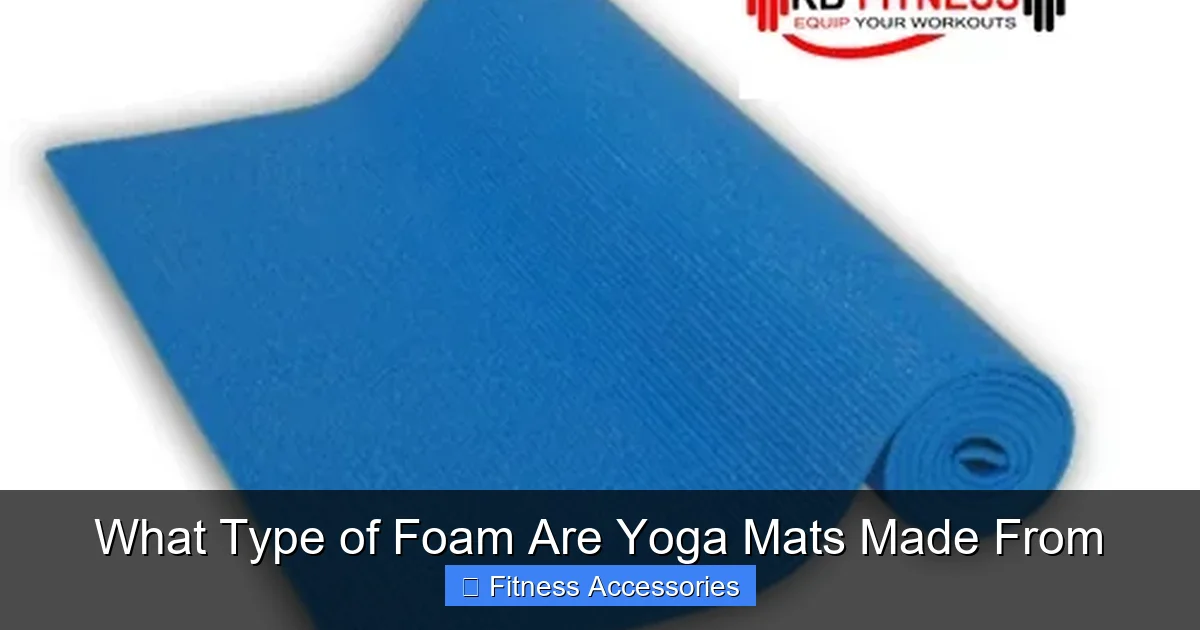
TPE emerged as a direct response to the eco-concerns surrounding PVC. It’s a class of flexible, rubber-like plastics made from a blend of thermoplastic polymers (often a mix of styrene, ethylene, butylene, and other compounds). Think of it as a more “engineered” foam.
Visual guide about What Type of Foam Are Yoga Mats Made From
Image source: 5.imimg.com
The Pros of a TPE Mat
- Lightweight & Portable: TPE mats are significantly lighter than comparable PVC mats, making them a favorite for travelers, hikers, and yogis on the go.
- Good “Eco” Credentials (with caveats): TPE is often marketed as recyclable, non-toxic, and PVC-free. It is generally considered to have a lower environmental impact in production than PVC. However, “recyclable” doesn’t always mean it *is* recycled, as infrastructure for TPE recycling is not widespread. It is not biodegradable.
- Soft & Flexible: It has a very soft, almost spongy feel and is highly flexible, making it easy to roll and pack.
- No Strong Odor: Most high-quality TPE mats have minimal to no chemical smell.
- Affordable to Mid-Range: Prices are competitive with mid-level PVC mats.
The Cons of a TPE Mat
- Durability Questions: While good for casual use, TPE can compress and lose its shape (develop permanent indentations) faster than dense PVC or rubber. It can also be more prone to tearing at the edges under rough use.
- Grip Can Be Inconsistent: Some TPE mats can feel slightly sticky or tacky, which some users dislike. Others find the grip degrades more quickly with sweat than a good rubber mat.
- Less Supportive: Because it’s often less dense, a standard-thickness TPE mat may not offer the same joint support as a denser material.
- Material Blending: “TPE” can be a broad category. Some blends perform better than others, and it’s hard to know the exact composition from a product description.
Practical Tip: TPE is an excellent choice for the casual to moderate practitioner who values light weight and portability, practices primarily in non-heated rooms, and wants to avoid PVC. Always check the manufacturer’s specific recycling information.
The Premium Performers: Natural & Recycled Rubber Foam
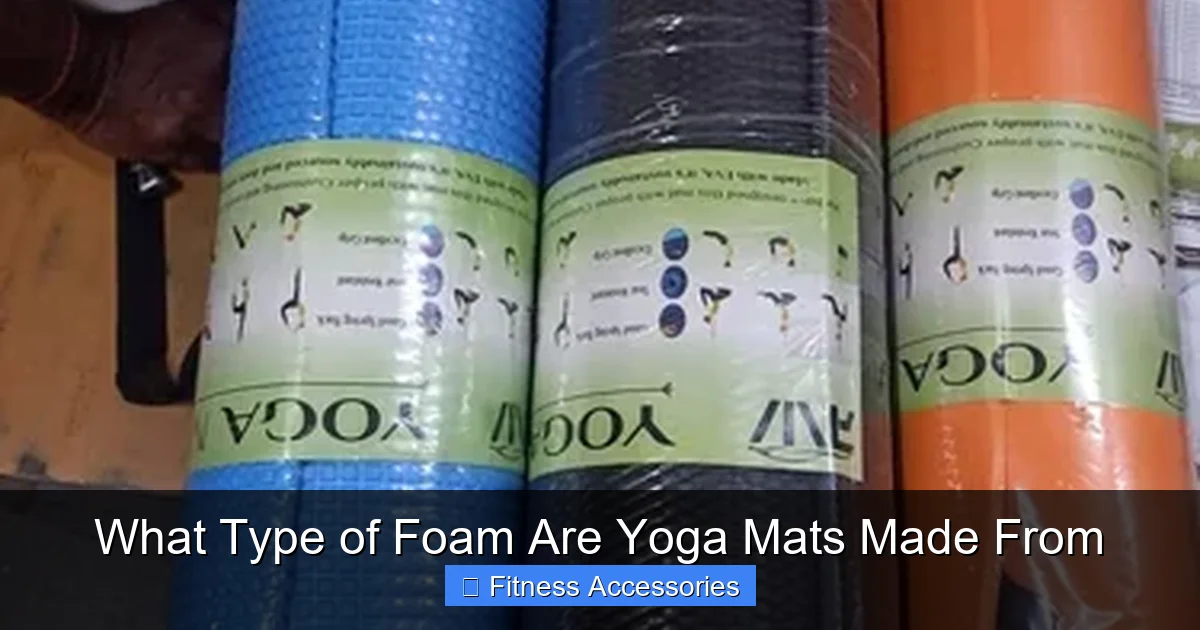
For the yogi who demands the best performance and has eco-conscious values, natural rubber is the gold standard. It can be used as a solid foam layer or as a “sponge” with an open-cell structure (though most yoga mats use a closed-cell rubber surface). Recycled rubber, often made from post-industrial or post-consumer rubber (like car tires), is a durable and resourceful alternative.
Visual guide about What Type of Foam Are Yoga Mats Made From
Image source: 5.imimg.com
The Pros of a Rubber Mat
- Superior Grip (Especially Wet): This is rubber’s killer feature. The coefficient of friction increases with moisture, making it the undisputed champion for hot yoga, sweaty vinyasa, and even practicing with wet hands or feet. The grip is consistent and reliable.
- Excellent Cushioning & Support: High-density rubber provides a firm yet cushioned feel. It supports joints without being overly squishy, offering a stable platform for balance poses.
- Eco-Friendly (Natural Rubber): Sourced from rubber tree sap, it is a renewable, biodegradable resource. Look for FSC-certified (Forest Stewardship Council) rubber to ensure sustainable harvesting. Recycled rubber keeps waste out of landfills.
- Durable & Long-Lasting: A well-made rubber mat is an investment that can last a very long time, often outlasting the owner’s practice.
- Naturally Antimicrobial: Rubber is less hospitable to bacteria and mildew growth compared to some plastics.
The Cons of a Rubber Mat
- Heavy: Natural rubber mats are the heaviest option. A standard 4mm mat can weigh 4-5 lbs.
- Expensive: They are the most costly mats due to material and manufacturing costs.
- Allergy Concern: Some people have a latex allergy (though most yoga rubber is non-latex rubber from the Hevea brasiliensis tree, which is different from latex used in gloves). Always check if you have a known allergy.
- Can Have a Natural Odor: New rubber mats often have a distinct “earthy” or “tire-like” smell that usually fades with airing. Some love it, others don’t.
- Surface Texture: The grip can be very “sticky,” which can make it challenging to transition smoothly between poses for some, or make it pick up more lint and dust.
Practical Tip: Rubber is the top choice for hot yoga, Ashtanga, and anyone who prioritizes grip and stability above all. Consider a rubber mat with a microfiber or cotton top layer if you want ultra-grip in sweat but a softer feel underfoot.
The Natural & Niche Surfaces: Cork, Cotton, and Jute
These materials aren’t typically the primary foam of the mat but are used as a top surface layer over a rubber or foam base. They offer unique textures and benefits.
Cork
Cork is harvested from the bark of cork oak trees (a sustainable, regenerative process). It’s layered over a rubber base.
- Pros: Naturally antimicrobial and hypoallergenic. Provides excellent grip that improves with moisture (like a wine cork, it gets stickier when wet). It’s soft, warm underfoot, and has a natural aesthetic. The cork layer is often replaceable on some brands.
- Cons: The cork surface can wear down over years of use, revealing the rubber base underneath. It’s usually more expensive. Can feel slightly less “cushiony” than a thick foam.
Cotton & Jute
These are traditional, natural fiber mats. They are often handwoven and may have a thin rubber or latex coating on the back for slip resistance.
- Pros: Highly biodegradable, traditional, and have a beautiful, artisanal look. Cotton is very soft. Jute is extremely durable and has a coarse, grippy texture.
- Cons: They are not as cushioned as foam mats. They absorb sweat and moisture, making them heavier to carry and requiring more thorough cleaning and drying to prevent mildew. They can slip more easily on smooth floors without a grippy backing.
Practical Tip: A cork/rubber hybrid mat is a fantastic choice for hot yoga enthusiasts who want a natural material. A traditional cotton mat is best for gentle, dry practices like Yin or restorative yoga on carpet, where slipping isn’t a major issue.
How to Choose: Matching Foam to Your Practice & Values
Now that you know the players, let’s build your decision framework. Ask yourself these questions:
1. What is Your Primary Yoga Style?
- Hot Yoga / Sweaty Vinyasa: Grip is non-negotiable. Prioritize Natural Rubber or a Cork/Rubber hybrid. Avoid standard PVC/TPE as they become slippery.
- Gentle / Restorative / Yin: Cushion for joints is key. A thick PVC or thick TPE mat (6mm+) will provide the most padding for long-held seated poses.
- Travel / Outdoor / Studio Hopping: Weight and portability are crucial. TPE is the lightest. Some travel-specific PVC mats are also thin and light. Consider a foldable travel mat (often TPE or a thin rubber blend).
- Ashtanga / Power Yoga: You need a stable, grippy surface for dynamic movement. A dense, thin rubber mat (3-4mm) is ideal—it provides stability without being too bulky.
2. What Are Your Priorities: Performance, Planet, or Price?
- Performance-First (Grip & Support): Be prepared to invest in a high-quality Natural Rubber mat.
- Eco-Conscious: Your best bets are FSC-certified Natural Rubber, Recycled Rubber, or a recyclable/closed-loop TPE. Research the brand’s full lifecycle claims. Beware of “greenwashing.”
- Budget-Friendly: PVC is your most affordable option. You can find decent mid-range TPE mats for a slight premium over basic PVC.
3. Do You Have Sensitivities or Allergies?
If you have chemical sensitivities, look for mats certified by OEKO-TEX Standard 100 (tests for harmful substances) or Greenguard Gold (low chemical emissions). For latex allergies, ensure the mat is explicitly labeled “non-latex rubber.” Natural rubber from the rubber tree is different from latex, but cross-contamination in manufacturing is a rare concern. When in doubt, contact the manufacturer.
4. What’s Your Maintenance Preference?
All closed-cell foam mats (PVC, TPE, Rubber) are wipe-clean. If you want to use a mat spray, ensure it’s compatible (some can degrade certain materials over time). Absorbent natural fiber mats (Cotton, Jute) require more effort—they need to be washed, hung to dry completely, and may shrink.
The Final Stretch: Conclusion
The foam in your yoga mat is not just a passive surface; it’s an active participant in your practice. From the durable, familiar embrace of PVC to the high-performance, grippy hug of natural rubber, and the lightweight versatility of TPE, each material tells a story of chemistry, sustainability, and design. There is no single “best” foam for everyone. The perfect mat for you is the one that aligns with how you move, what you value, and what you can carry. By understanding the fundamental properties of these foams—their grip, cushion, weight, lifespan, and environmental footprint—you move from being a passive buyer to an empowered consumer. You’re not just buying a mat; you’re choosing a tool that will support your practice for years to come. So, roll it out, feel the connection, and practice with the confidence that comes from knowing exactly what’s beneath you.
Frequently Asked Questions
Is TPE foam really eco-friendly?
TPE is a step up from PVC as it’s chlorine-free and often marketed as recyclable. However, it is still a synthetic plastic polymer and not biodegradable. Its true eco-friendliness depends on the specific formulation and whether local recycling facilities actually accept it. It’s a “less bad” plastic, not a fully sustainable natural material.
Why does my new PVC mat smell so strong?
The odor is likely off-gassing from plasticizers and other chemical additives used to make the rigid PVC flexible and foamy. High-quality brands use non-toxic, low-VOC (volatile organic compound) additives. Air the mat out in a well-ventilated area, preferably in sunlight, for several days before first use to dissipate the smell.
Are rubber yoga mats too heavy for carrying?
They are the heaviest option. A standard 4mm natural rubber mat can weigh 4-5 lbs, while a similar PVC mat might be 3-4 lbs and a TPE mat 2-3 lbs. For most people walking a few blocks to a studio, the weight is manageable. For travelers, backpackers, or those using public transit, the weight can be a significant drawback, making TPE or thin travel mats more suitable.
Can I use a yoga mat spray on any foam type?
Most gentle, natural yoga mat sprays (water-based with essential oils or vinegar) are safe for all closed-cell foam mats (PVC, TPE, Rubber). However, harsh chemical cleaners, alcohol-based sprays, or abrasive scrubbing can degrade the surface over time, especially on TPE. Always check the mat manufacturer’s care instructions. Absorbent mats like cotton require deeper washing.
What’s the difference between “closed-cell” and “open-cell” foam in mats?
Almost all yoga mats use closed-cell foam, where the foam cells are sealed and do not absorb liquid. This makes them hygienic, easy to wipe clean, and non-absorbent. Open-cell foam (like a kitchen sponge) has interconnected pores that absorb water and sweat, making it heavier when wet and harder to clean. Some specialized practice mats or “soapstone” mats use open-cell for a unique feel, but they are rare.
Is a thicker mat always better for my knees?
Not necessarily. Thickness (measured in millimeters) provides cushioning, but density (how firm the foam is) is equally important for support. A thin, high-density rubber mat (3mm) can provide better joint support and stability than a thick, soft, low-density PVC or TPE mat (6mm) that compresses too much under your weight, causing your knees to sink and strain. For knee sensitivity, look for a mat that is both thick enough (4-6mm) and dense enough to not bottom out.